SmartInterior
93 articles on SmartInterior.
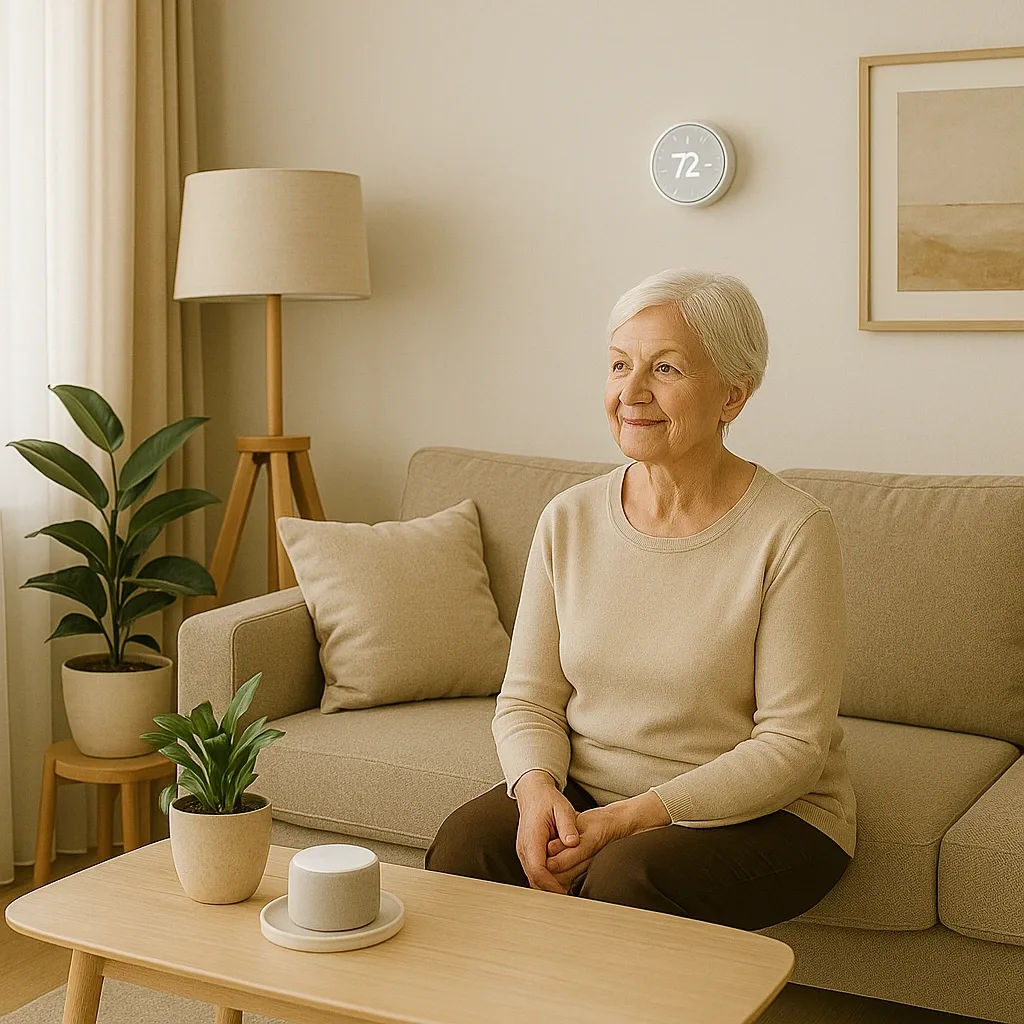
SmartInterior for Elderly: Room-by-Room Design Guide with the Right Sensors and Materials
Effective SmartInterior design for elderly requires room-specific thinking: the bathroom needs SPC anti-slip flooring plus humidity sensors, the living room needs mmWave presence detection and circadian lighting, and the bedroom needs an adjustable bed paired with CO₂ monitoring. This guide covers every room.
read ↗
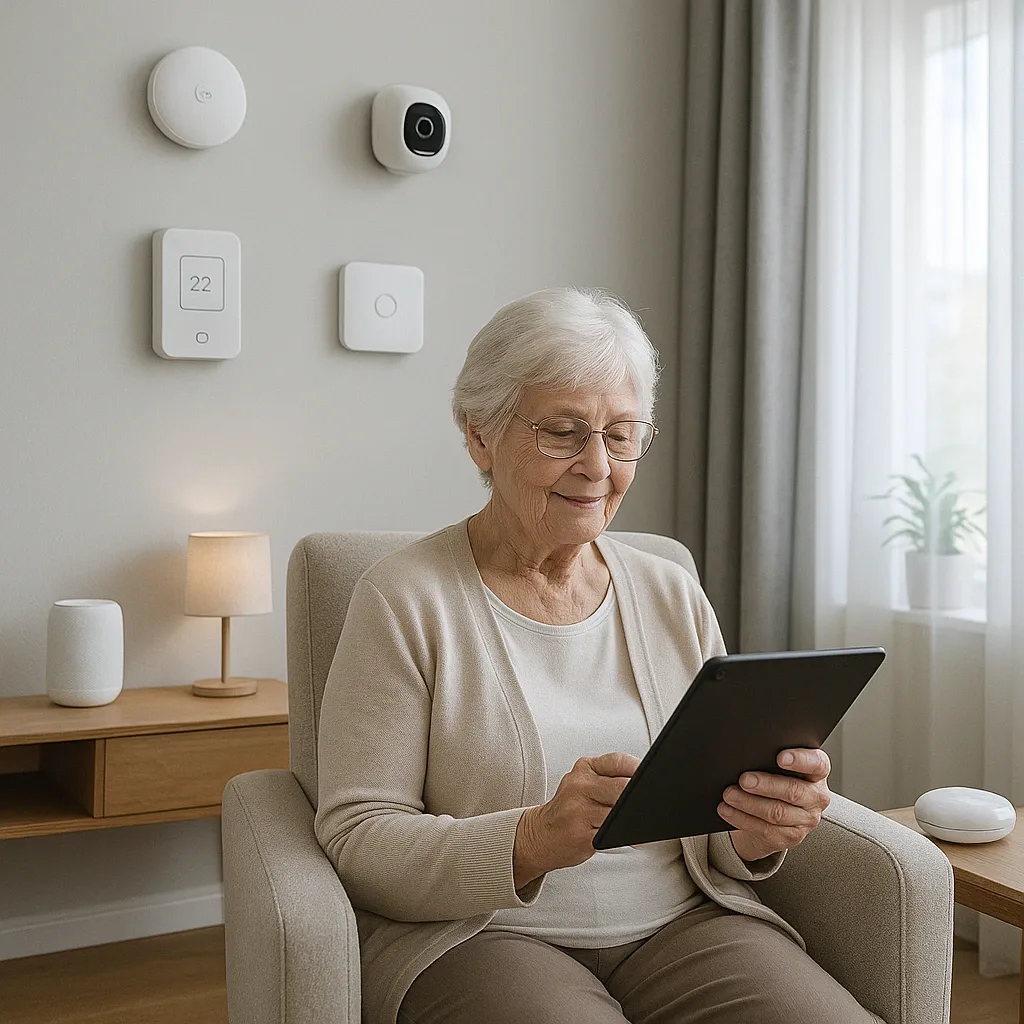
Renovate Your Modern Home with SmartInterior and SmartHome: HappySmart Before-and-After Metrics Proved
HappySmart measured before-and-after metrics across 4 real renovation projects tracking fall incidents, electricity costs, air quality, and sleep quality. Every number confirms that SmartInterior combined with SmartHome is a measurable, high-return investment.
read ↗
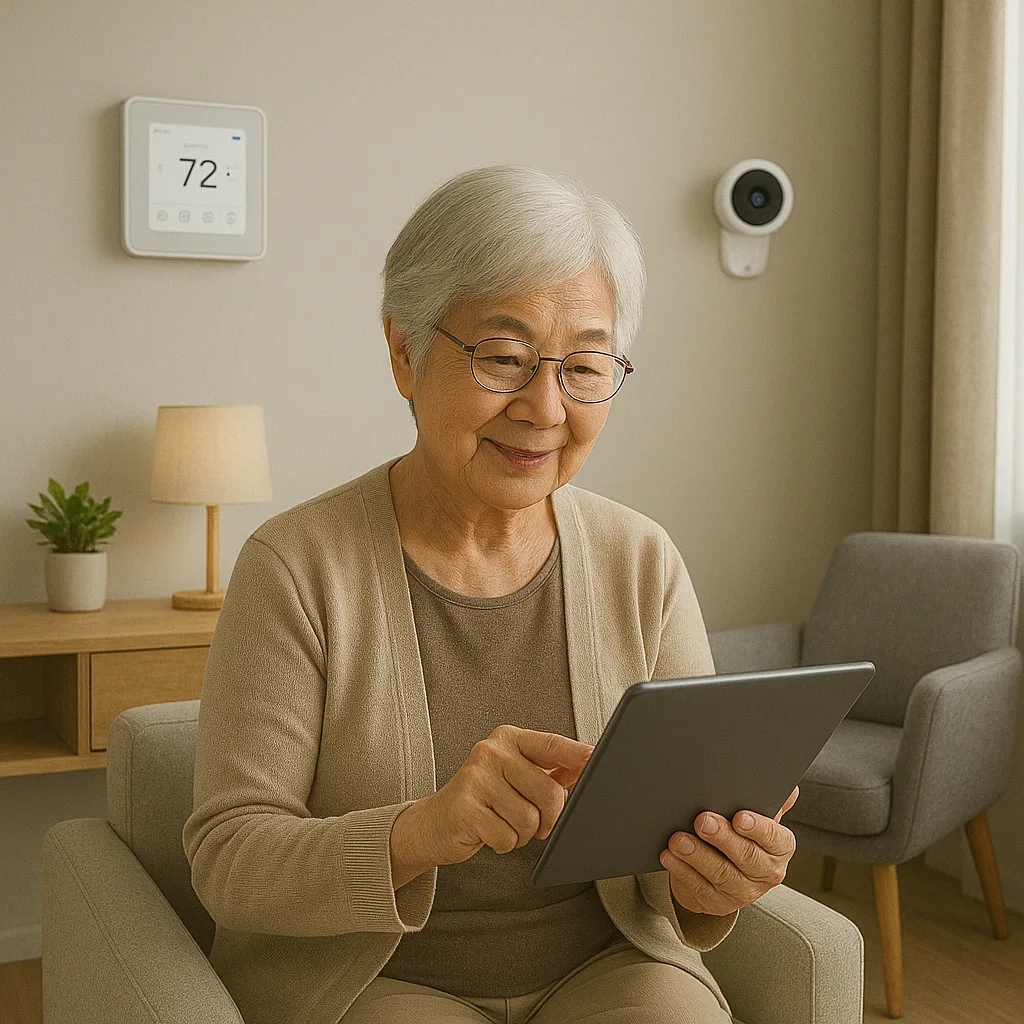
Guide to Choosing a Smart Home for Seniors: 5-Question Checklist, Feature Matrix, and Red Flags
Before investing in a SmartHome for elderly care, five critical questions must be answered. HappySmart’s Feature Matrix compares three price tiers — Basic, Standard, Premium — alongside a Red Flag checklist for evaluating service providers before signing any contract.
read ↗
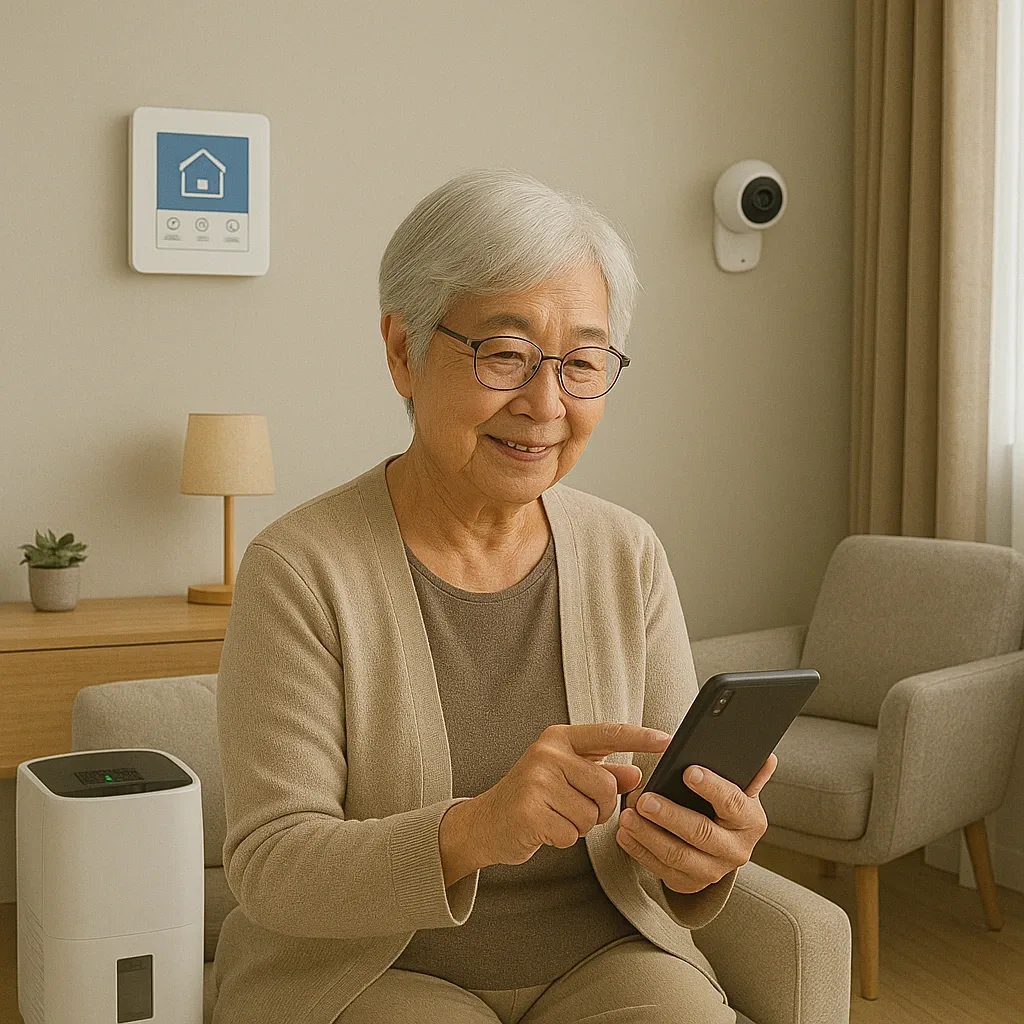
Complete Home for All Ages with HappySmart: Multi-Generational Design and Dehumidification System
A three-generation home requires spaces that are simultaneously safe for the elderly and child-friendly. HappySmart implements Dual-Zone Humidity Control and a Family Command Center with zone-specific settings to serve every generation’s distinct needs under one roof.
read ↗
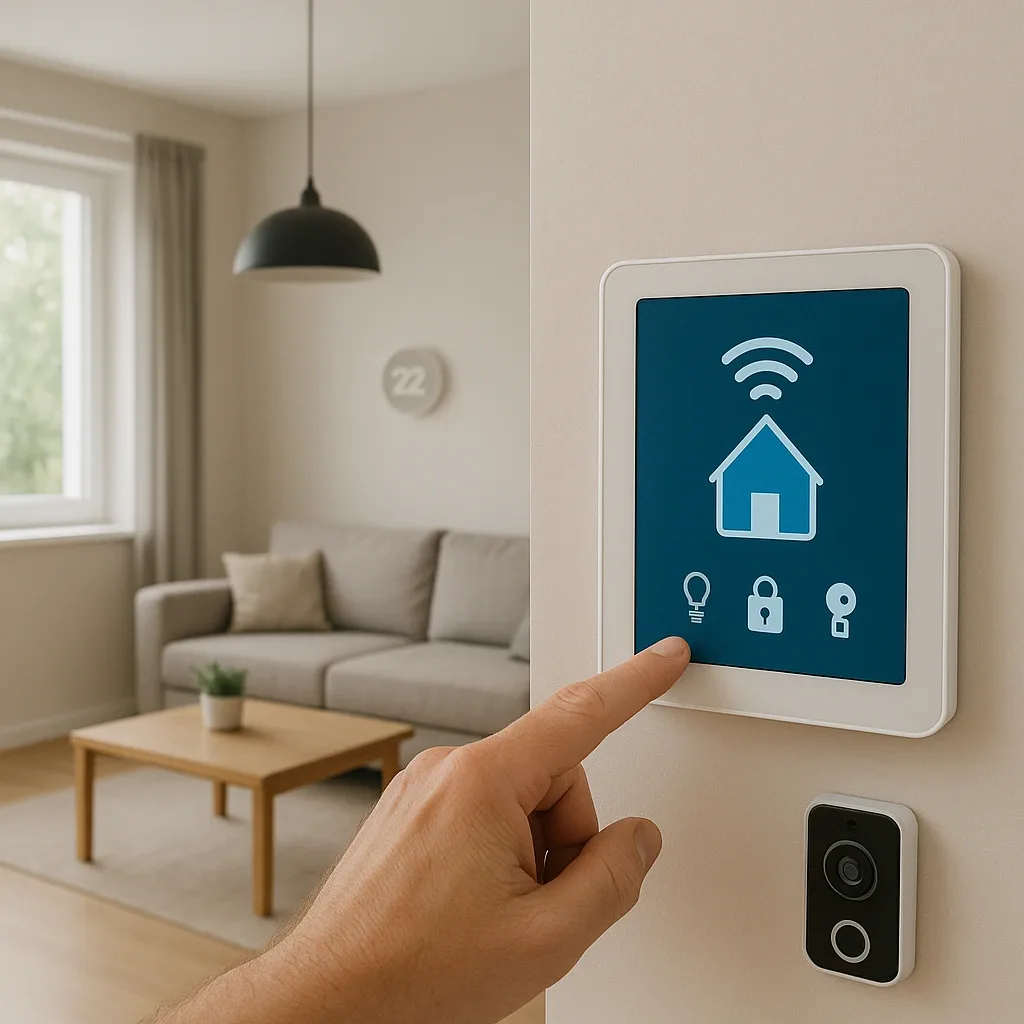
Renovate Your Modern Home for Elderly with HappySmart: Energy ROI and Shelly EM Monitoring
Shelly EM energy monitors measure per-circuit real-time power consumption, revealing 15-25% savings after SmartHome installation. HappySmart calculates payback: 80,000 THB investment saving 3,000 THB/month means full ROI within 26 months.
read ↗
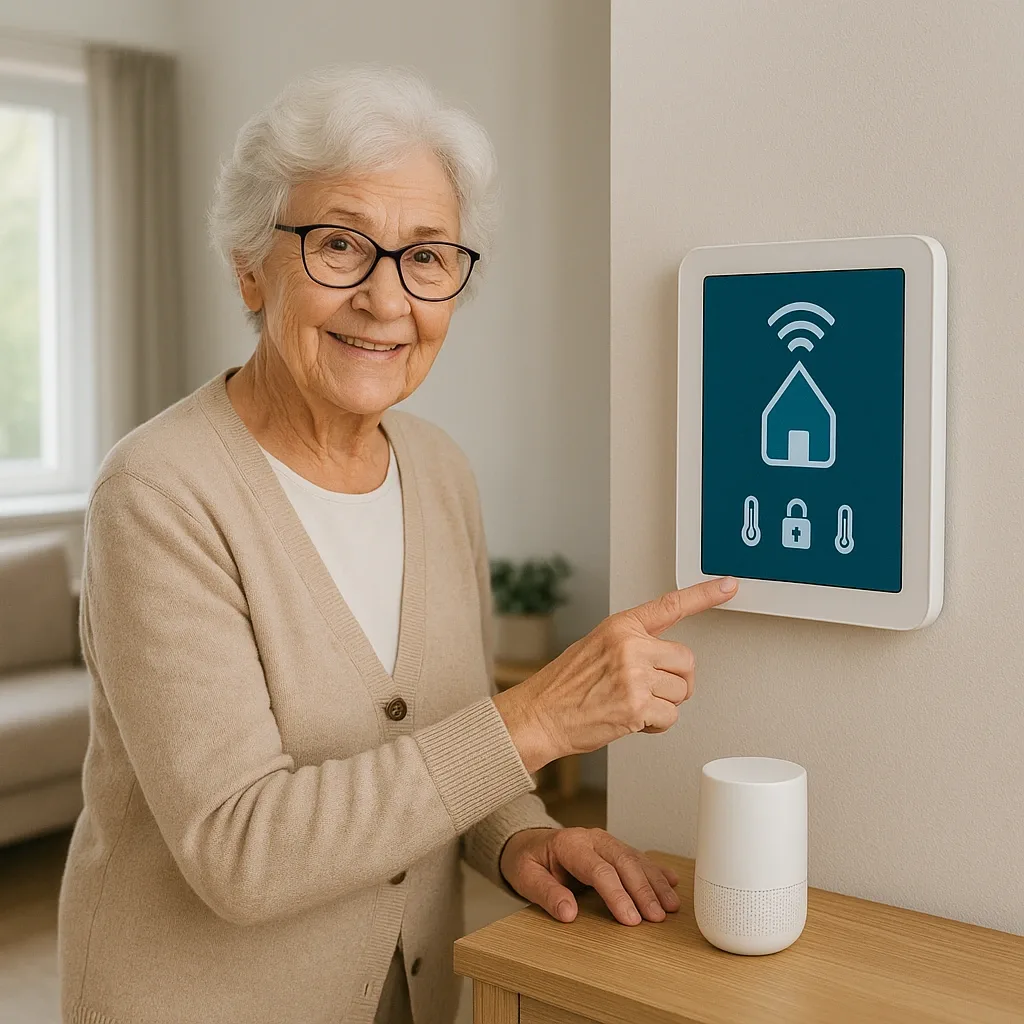
Modern Home with HappySmart: Wearable Health Integration for Elderly SmartInterior Design
HappySmart elevates SmartInterior and SmartHome by connecting wearable health devices — Apple Watch, Garmin, Withings — to Home Assistant for medication reminders, heart rate anomaly alerts, and real-time LINE notifications to family members, designed for Thailand’s elderly in modern homes.
read ↗
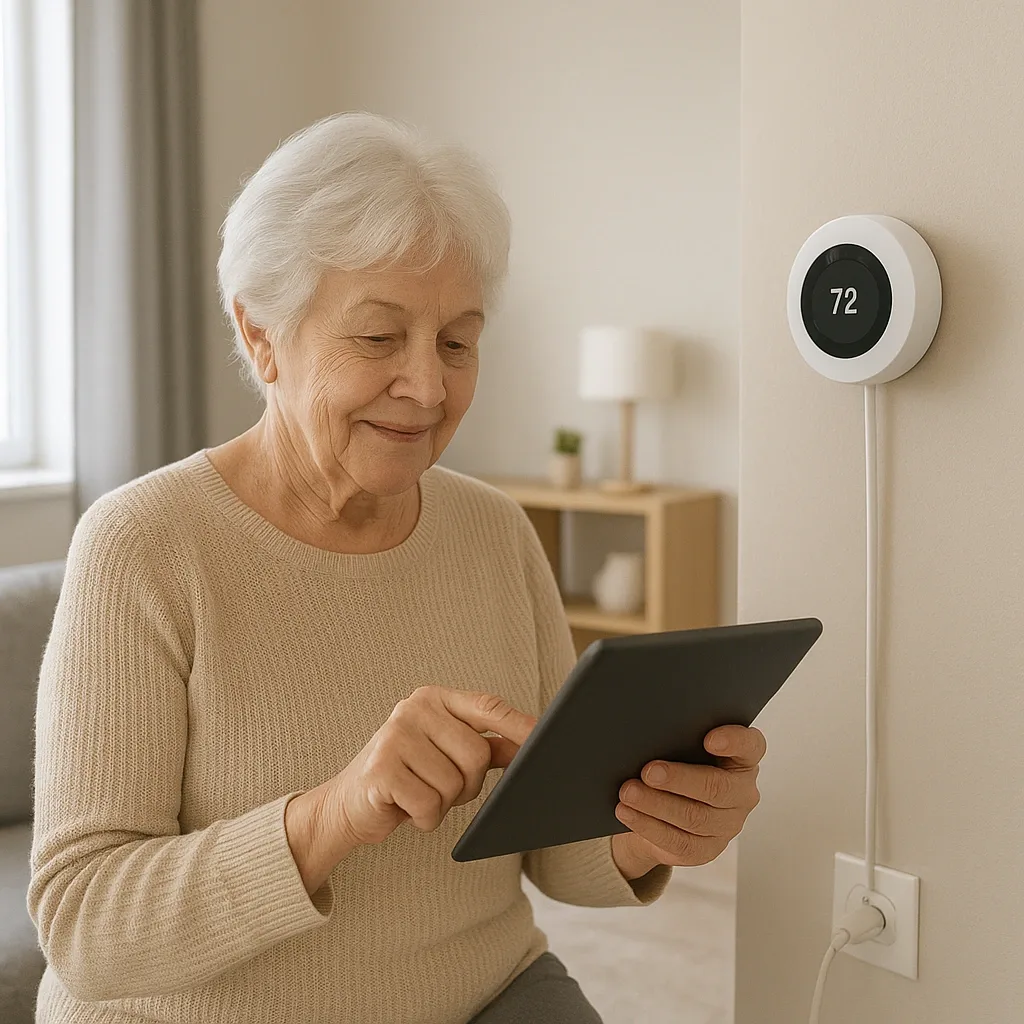
Renovate Your Home with HappySmart: 7-Step Process for SmartInterior + SmartHome
Renovating for elderly living requires systematic planning. HappySmart’s 7-Step Renovation Process covers everything from Home Audit to Post-Renovation Monitoring, spanning budgets of 25,000-350,000 THB with measurable KPIs for safety, health, and energy performance.
read ↗
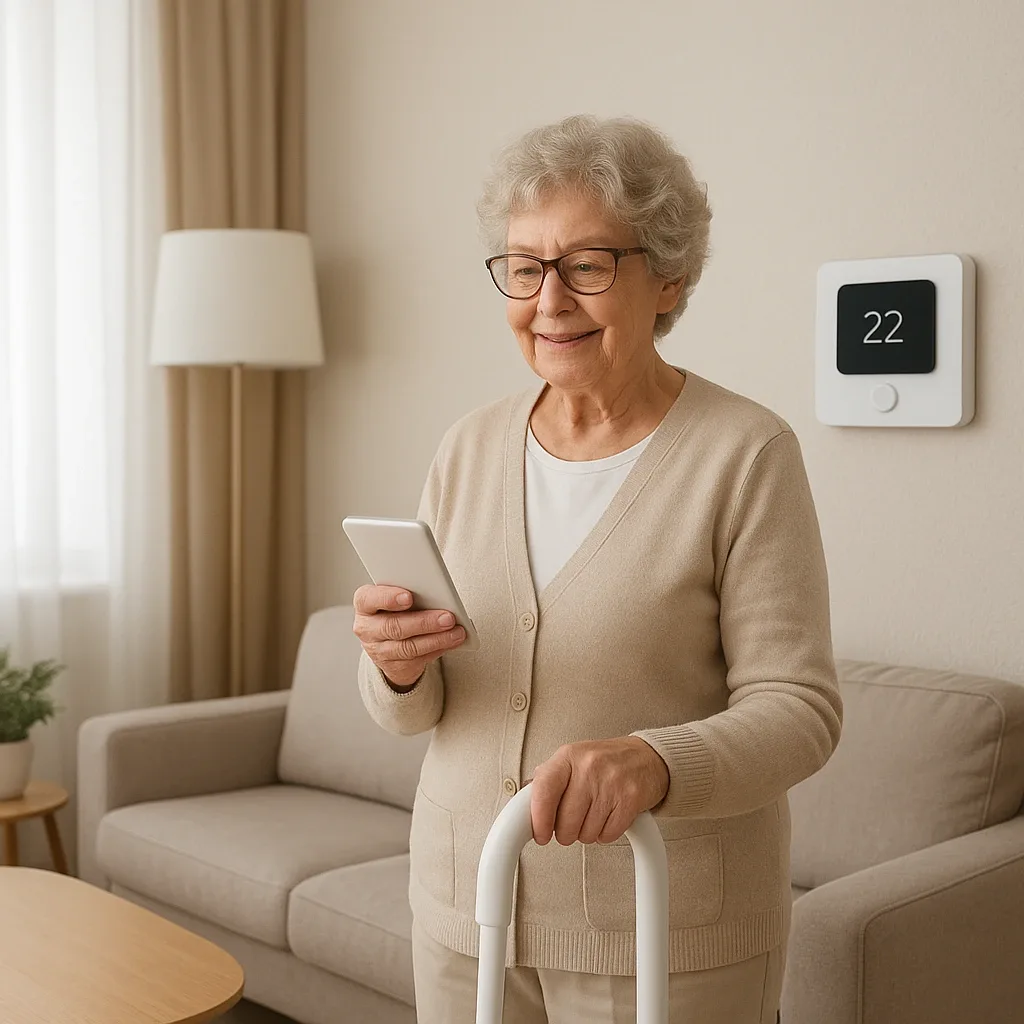
Modern Homes with HappySmart: SmartInterior + SmartHome Ecosystem for Elderly Care
HappySmart unifies SmartInterior and SmartHome into a complete ecosystem — Home Assistant hub, Zigbee mesh network, room-by-room safety audit, emergency LINE protocol, and real-time Family Dashboard — designed for Thailand’s growing elderly population.
read ↗
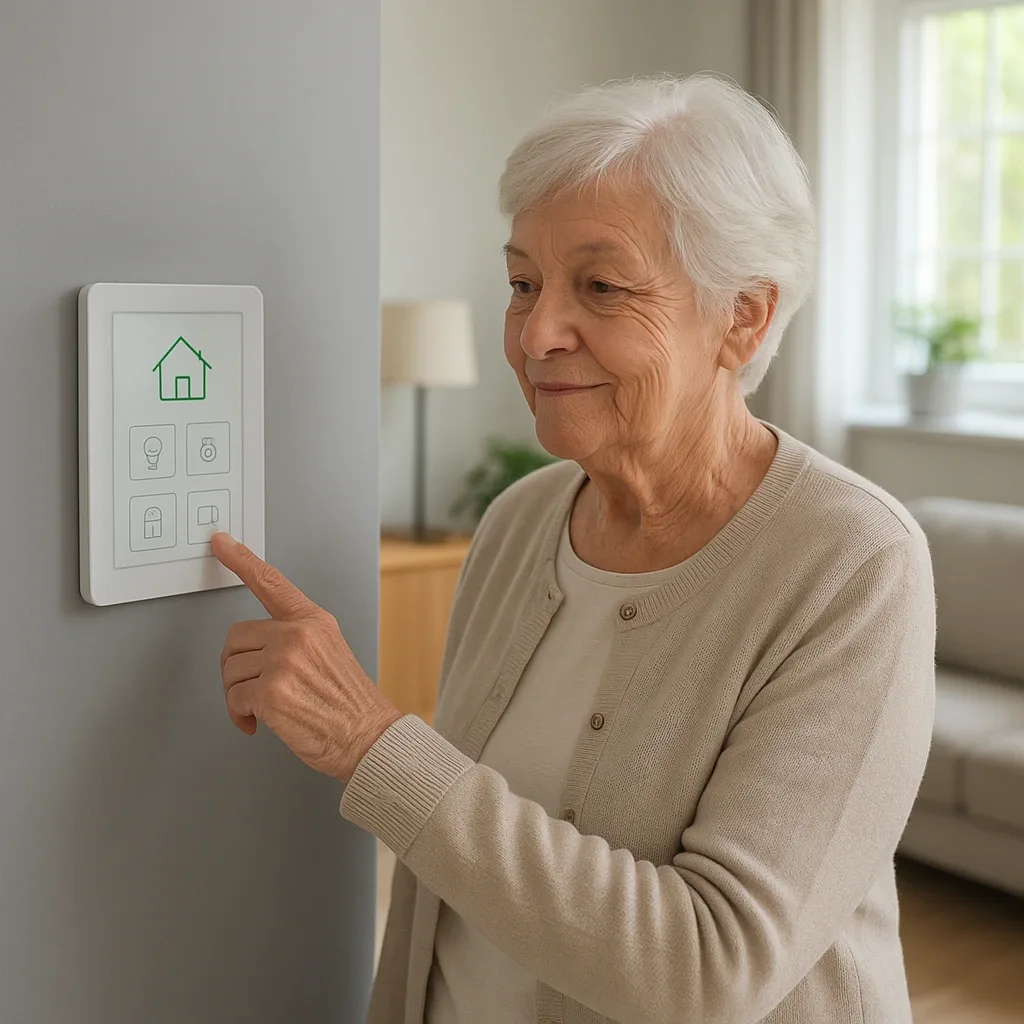
Renovating for Elderly Living with HappySmart: 3-Phase Plan, 50K–200K THB Budget, Real ROI
Renovating an older home into an elderly-ready SmartHome does not require full demolition. HappySmart recommends a 3-phase plan from 50,000–200,000 THB with measurable ROI metrics proven in real installations.
read ↗
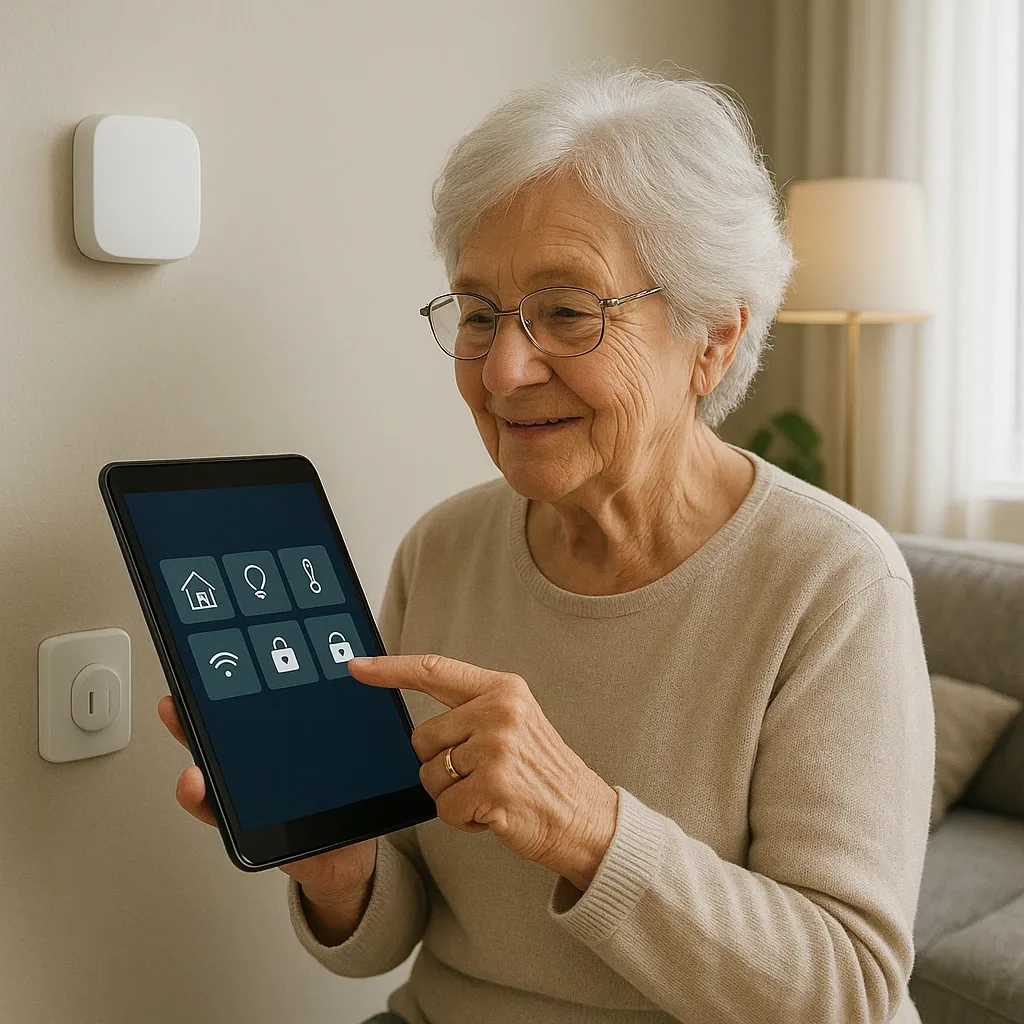
Modern Home with HappySmart: SmartInterior + SmartHome for Thailand’s Aging Society
Thailand enters a full aging society by 2031. HappySmart integrates SmartInterior and SmartHome using Universal Design principles so elderly residents can live safely and independently at home.
read ↗
Indoor Air Quality Management: Monitor PM2.5, CO2 and TVOC at Home with IoT and Smart Auto-Ventilation
Install PM2.5 (Sensirion SPS30), CO2 (SCD40), and TVOC (SGP30) sensors in Home Assistant to automate HRV/ERV ventilation and air purifier control — tackling Bangkok AQI and sealed indoor air quality.
read ↗
HVAC Predictive Maintenance: IoT Monitoring of Air Conditioner Health and Compressor Before Breakdown
Monitor compressor vibration, power consumption anomaly, and filter dirtiness with Home Assistant to predict AC failure 2–4 weeks in advance — reducing emergency repair costs 50–70% in Thai smart homes.
read ↗
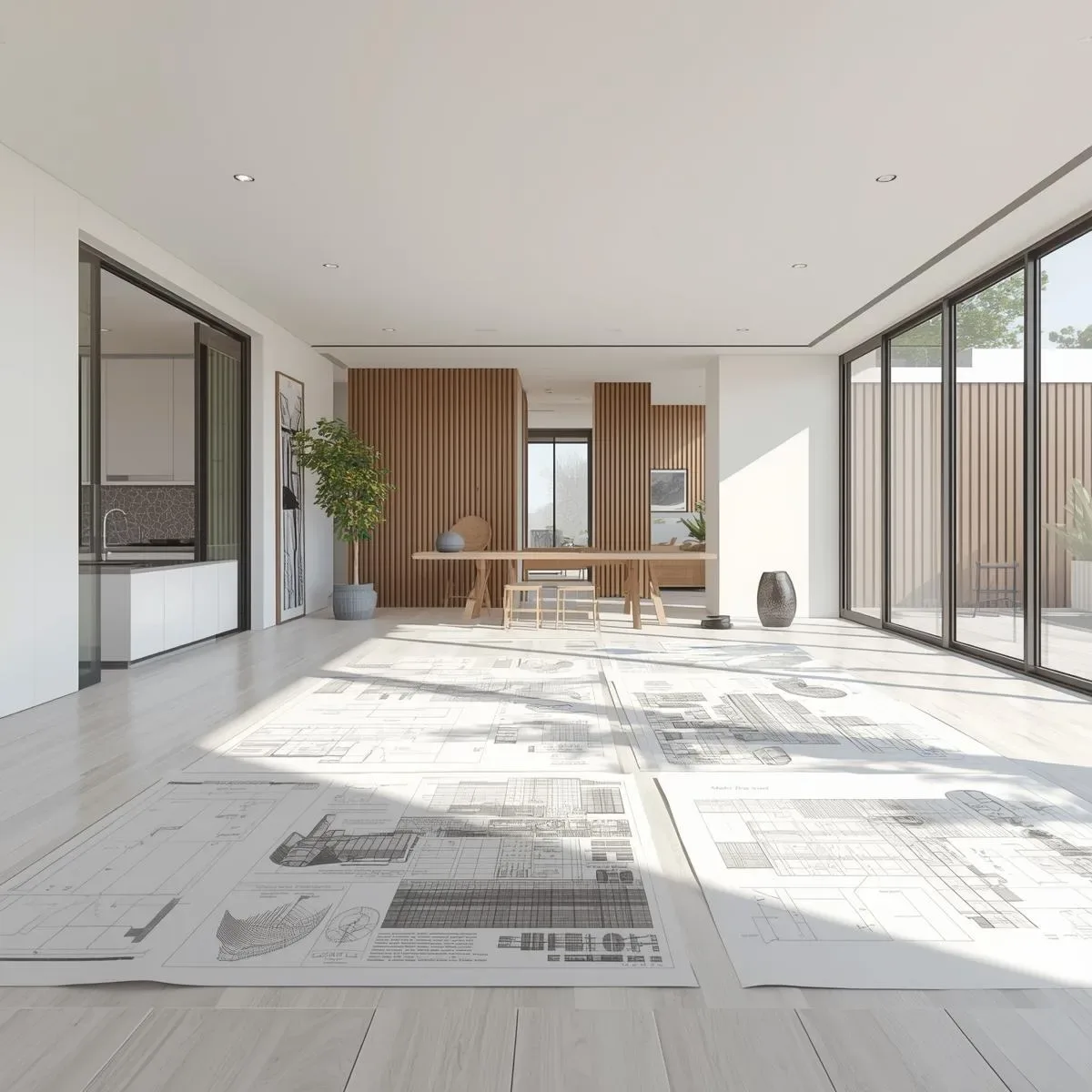
Adaptive Lighting for Work-from-Home: Circadian-Tuned Smart Lighting to Boost Productivity and Reduce Eye Strain
Design WFH lighting zones with DALI-2 or Zigbee tuning Kelvin and lux by circadian phase (5,000K morning → 2,700K evening) to boost productivity 15–20% and reduce digital eye strain in Bangkok smart homes.
read ↗
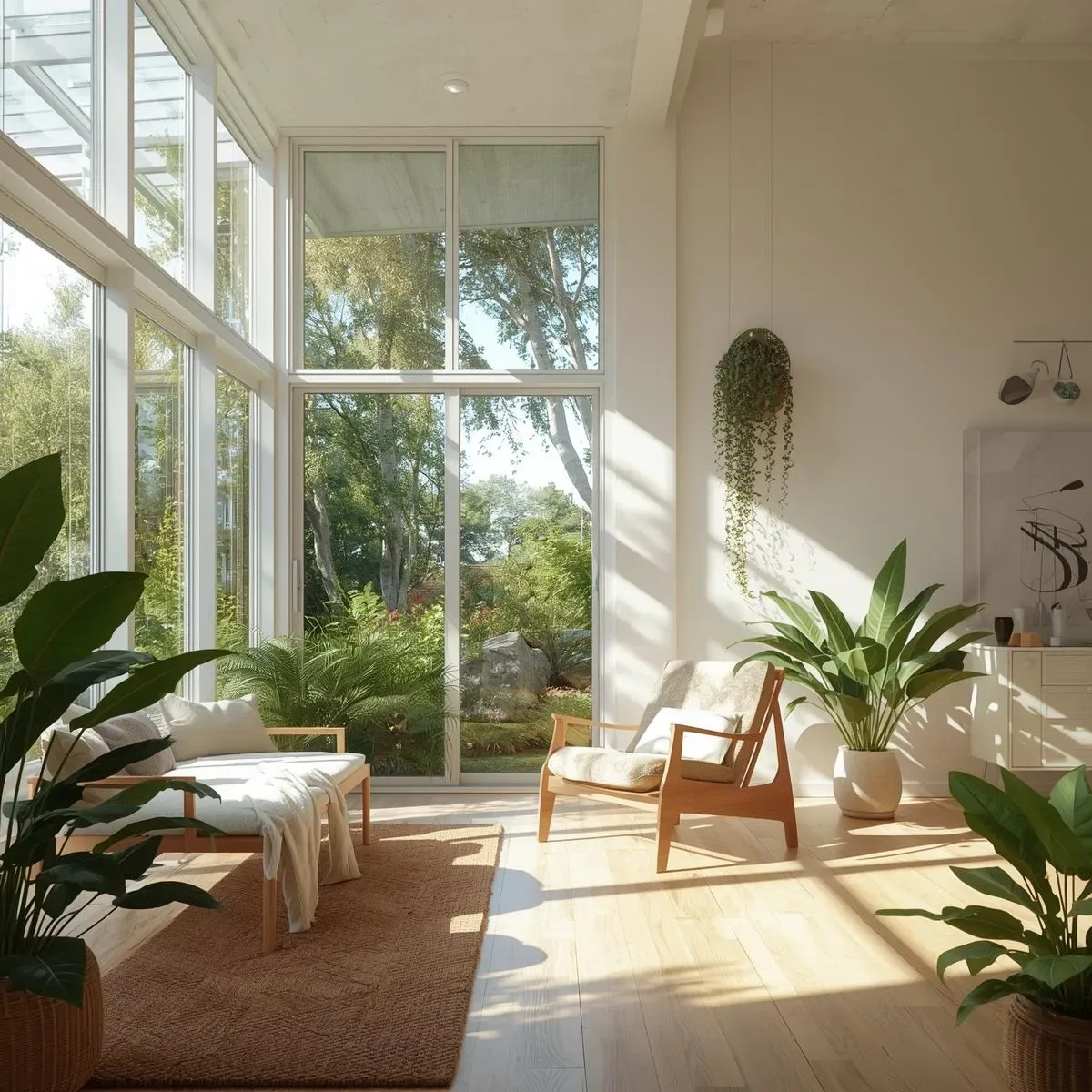
Biophilic Design and Smart Energy: Building Sustainable Homes with Living Systems and Intelligent Carbon Management
Combine Biophilic Design (green walls, living roofs, indoor gardens) with smart energy management and daily carbon footprint tracking to build genuinely sustainable homes with measurable environmental impact.
read ↗
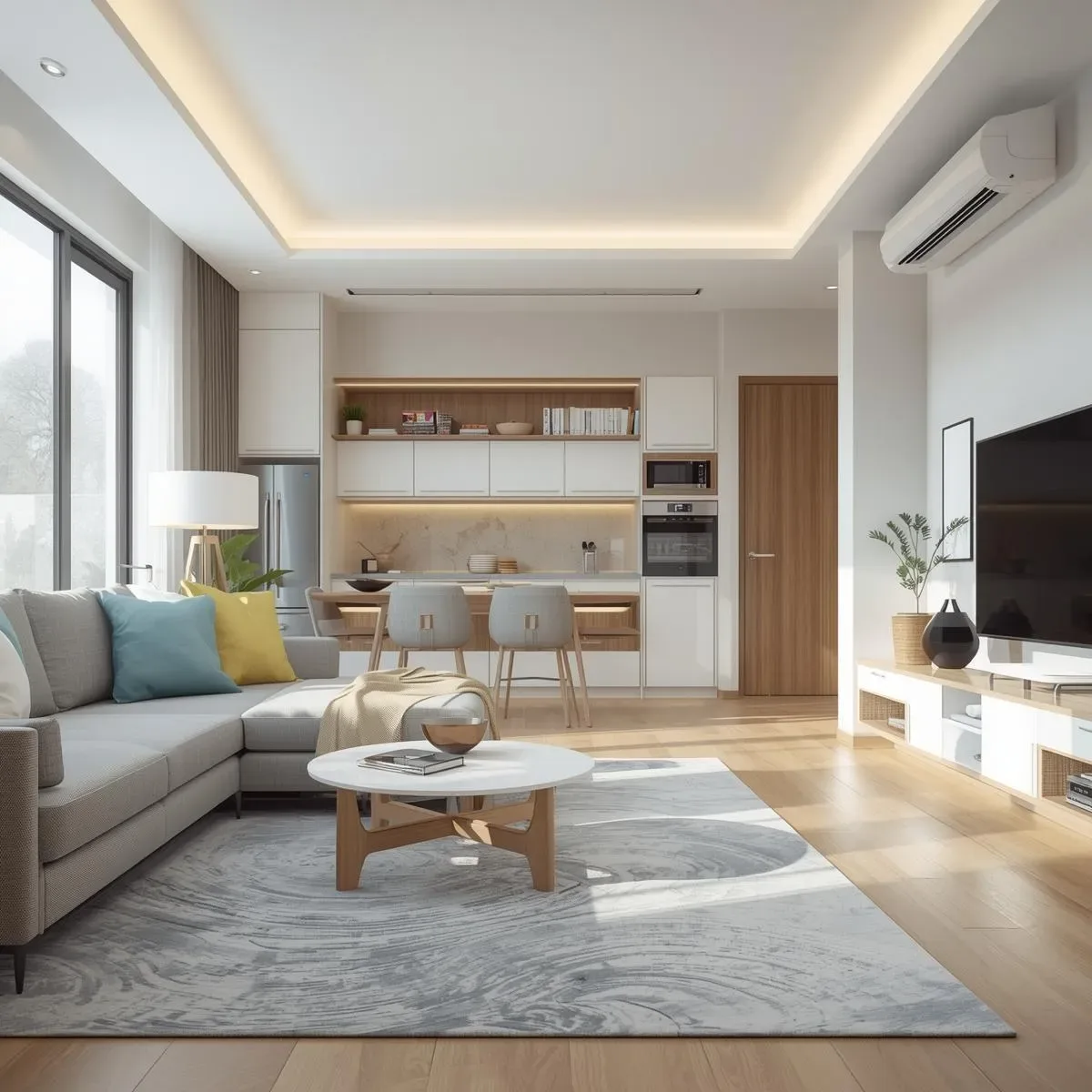
HVAC Zoning and Radiant Cooling for SmartInterior Bangkok: Smarter Comfort with 30% Lower Energy Use
Design smart HVAC zoning combined with Radiant Cooling (hydronic ceiling panels) and DOAS dehumidification for Bangkok’s humid climate — 30% energy reduction with ASHRAE 55 PMV comfort targets.
read ↗
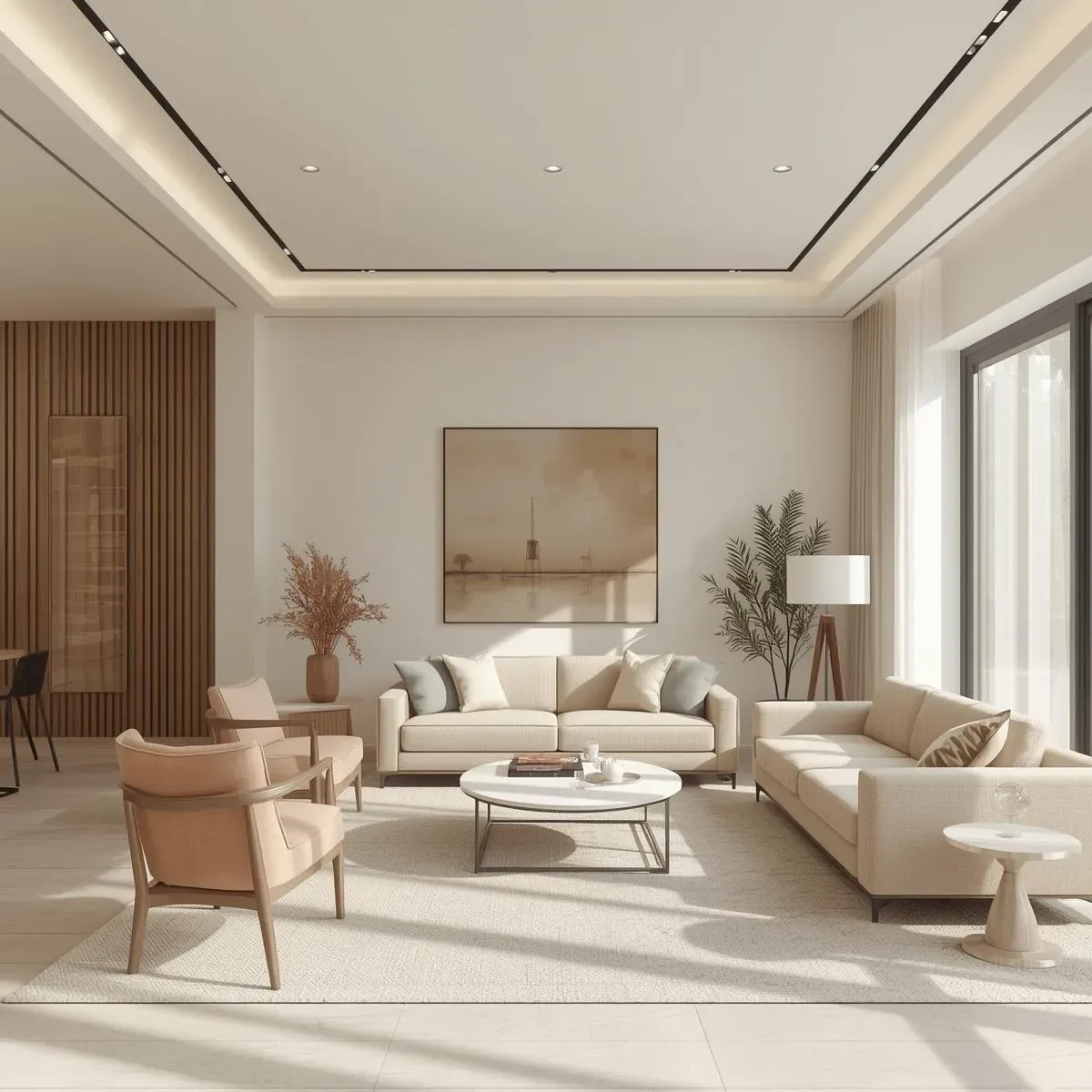
Passive Cooling Strategies for Bangkok Homes: Natural Ventilation and Shading to Cut HVAC Energy 30–40%
Design passive cooling for Bangkok’s 35°C and 85%+ humidity climate using cross-ventilation, green roofs, external shading, and cool roofs (SRI>78) to reduce HVAC energy 30–40% and meet OTTV <35 W/m² targets.
read ↗
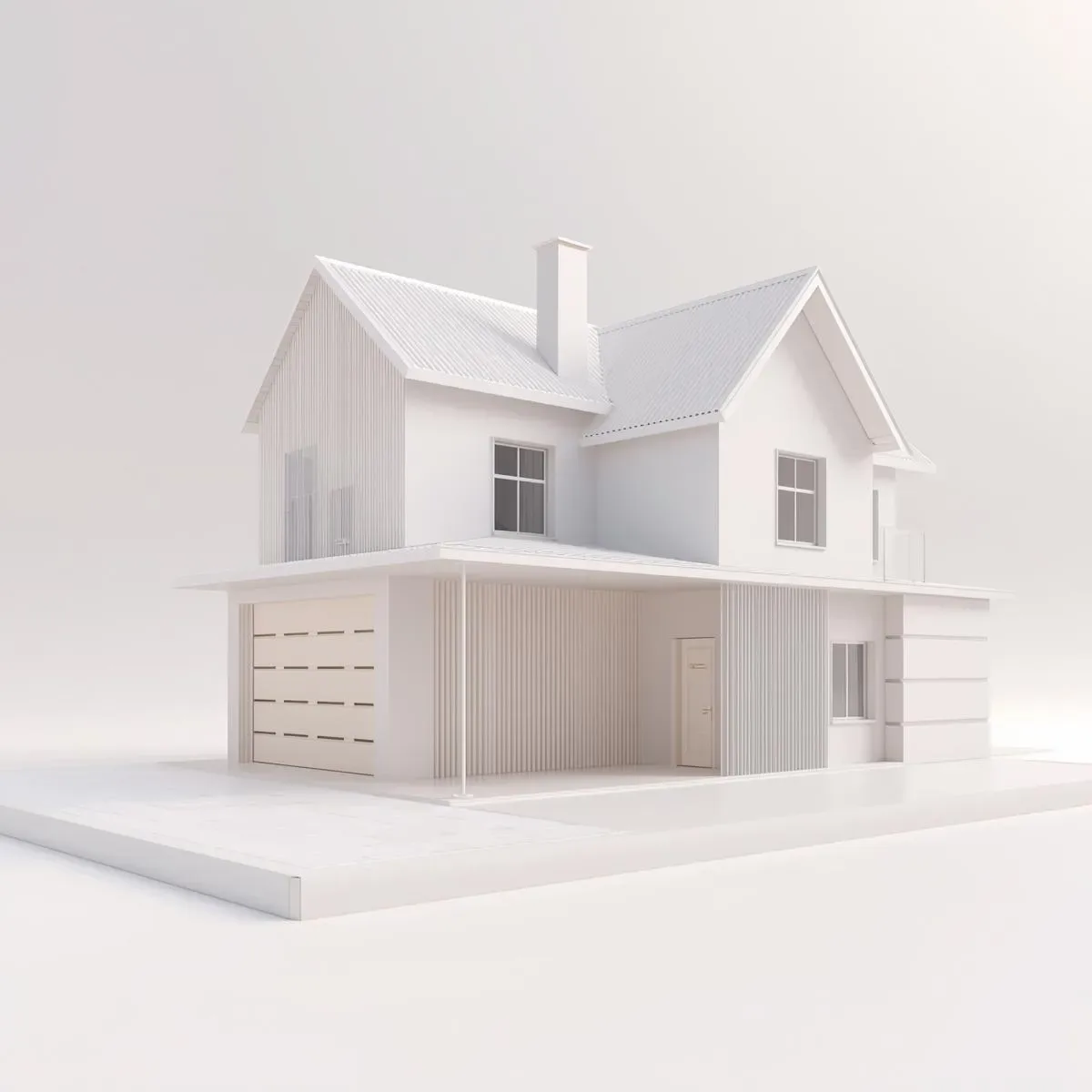
BIM Space Planning for Bangkok Condos: Optimising Furniture Layout and Daylighting in 28–45 sqm Units
Use BIM (Revit, ArchiCAD) to plan Bangkok condo space with Ladybug Tools daylighting simulation and multi-purpose furniture layout strategies to maximise net-to-gross ratio in 28–45 sqm units.
read ↗
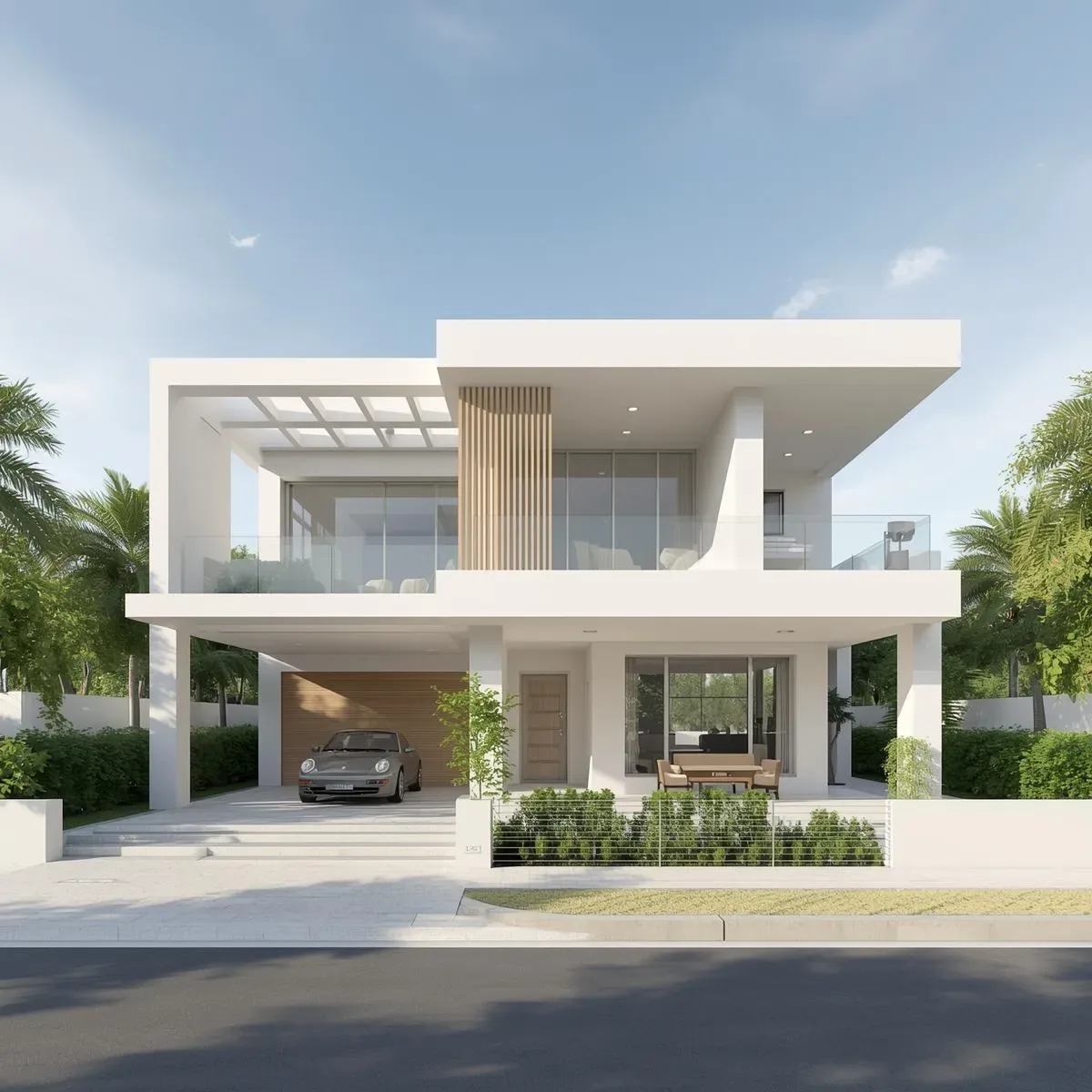
Circular Economy SmartInterior: Designing Sustainable Homes That Reduce Waste and Lower Carbon
Apply Circular Economy principles to interior design — FSC-certified materials, modular furniture, and smart energy monitoring to cut carbon footprint and boost TREES certification scores.
read ↗
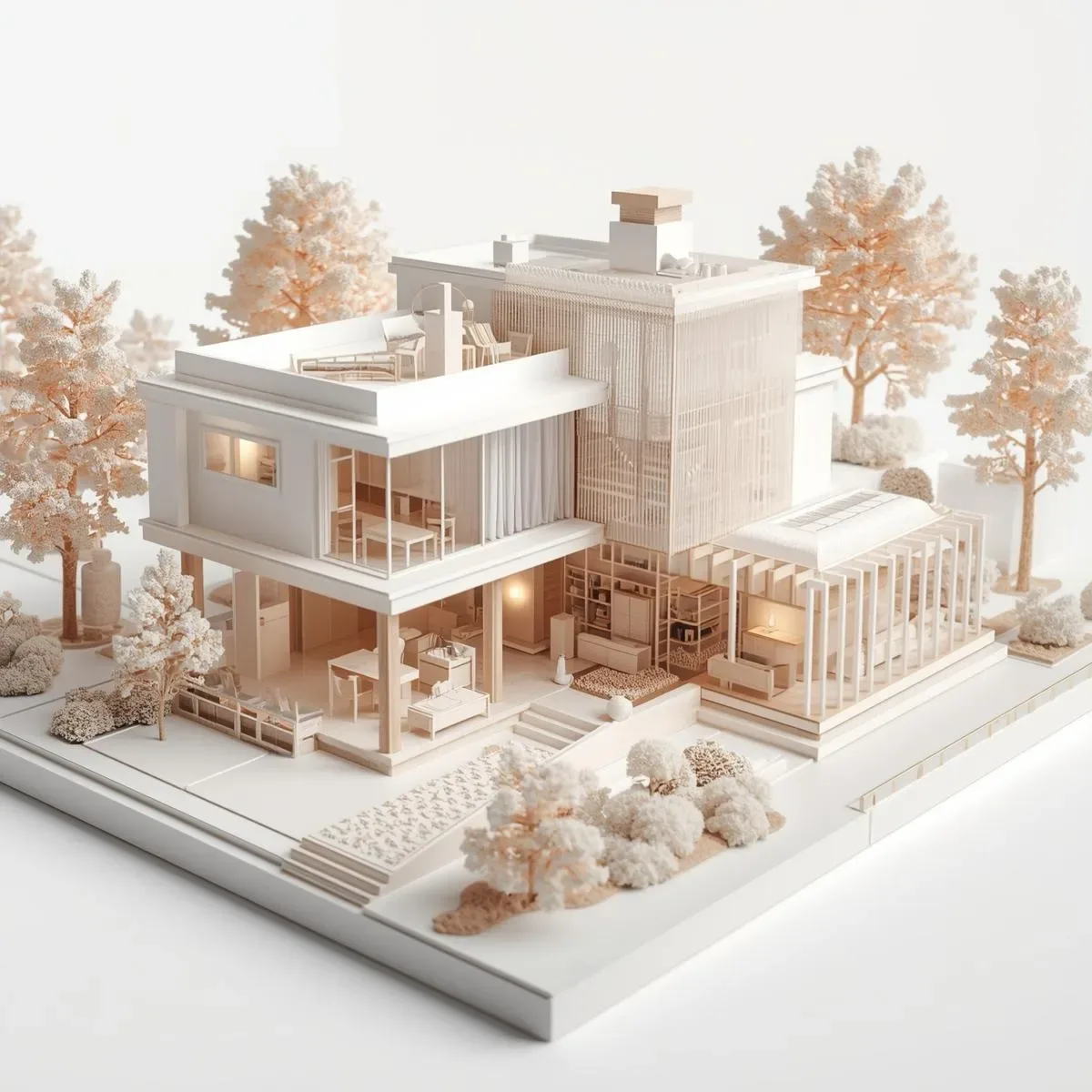
AI-Assisted BIM: Generative Design, Automated Code Compliance, and AI-Driven Space Optimization
AI integrated with BIM transforms architectural design: Generative Design algorithms automatically generate thousands of layout alternatives optimized for energy, light, and circulation; automated code compliance checks against Thai building regulations; and AI-driven furniture placement maximizes usable space within any floor plan.
read ↗
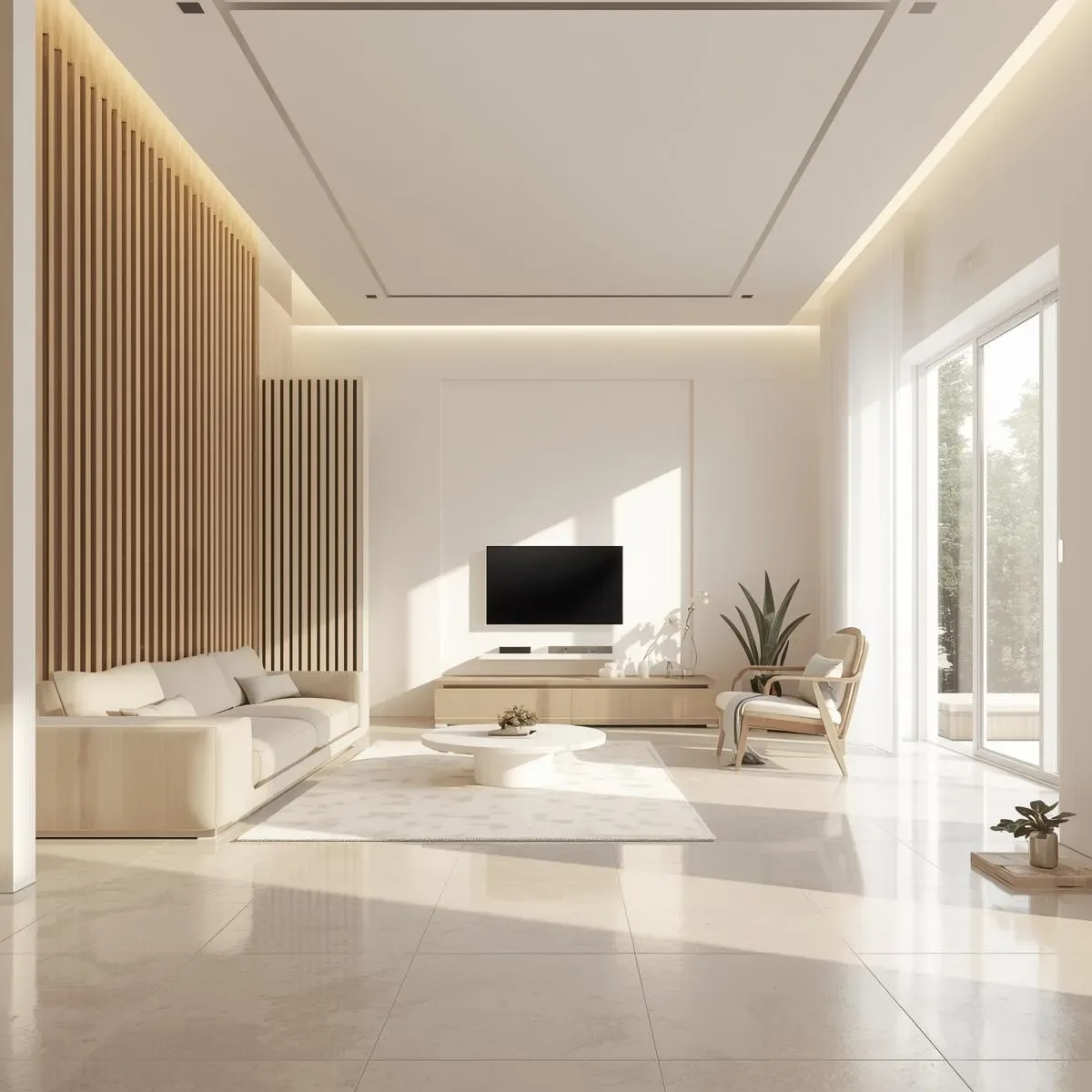
Multi-Generational SmartInterior: Designing for Children and Elderly Residents in the Same Home
Multi-generational Thai homes must simultaneously be safe for young children and accessible for elderly residents—requirements that often conflict. IoT automation and BIM design planning resolve these tensions intelligently, creating a home that adapts its behavior to each resident’s age group and needs.
read ↗
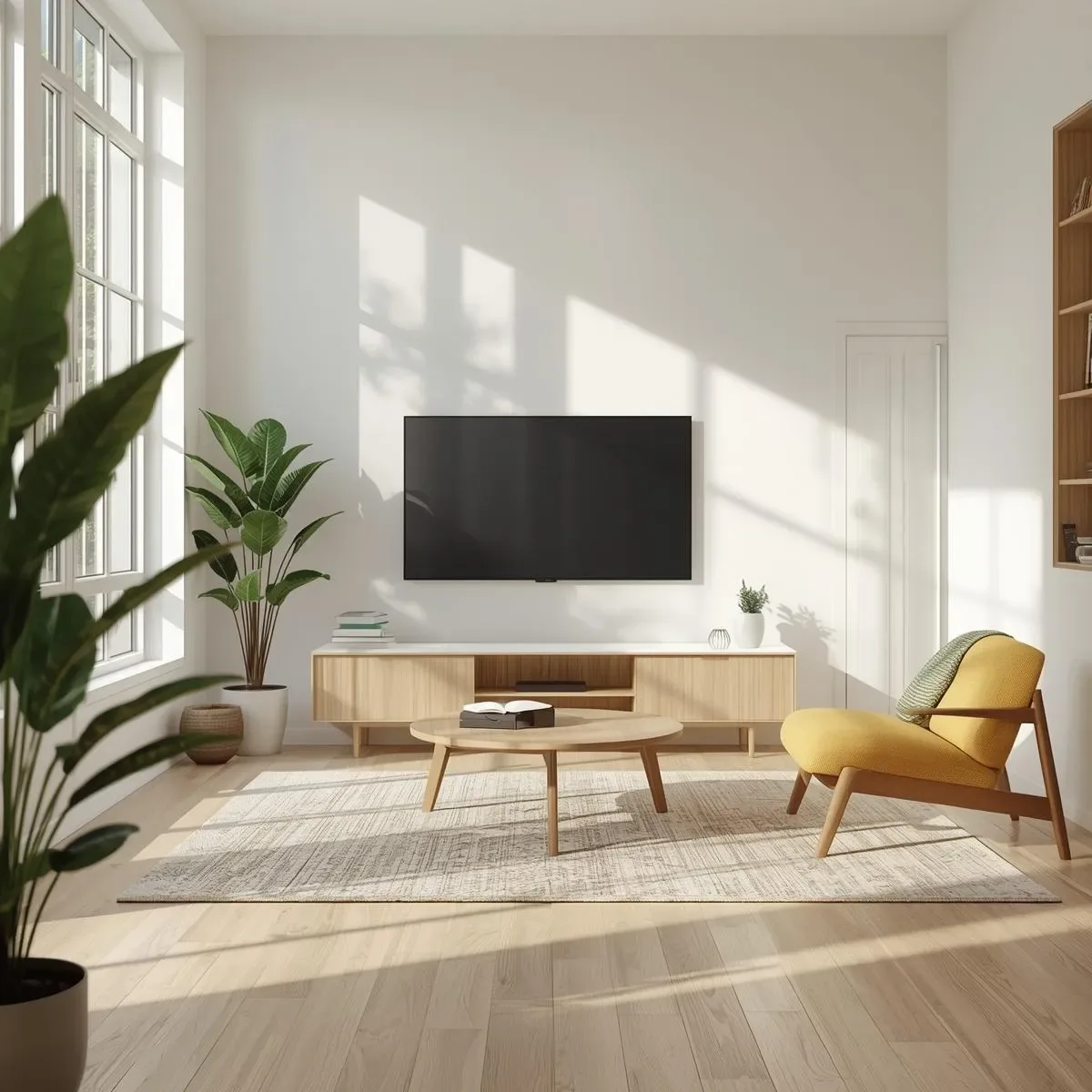
SmartInterior and Mental Wellbeing: Biophilic Design, Thermal Comfort, and Cortisol Reduction
Research confirms that interior environments directly affect cortisol levels, anxiety, and overall mental health. SmartInterior combining biophilic elements, circadian-appropriate lighting, and precise thermal comfort creates measurably restorative living spaces that support psychological recovery and daily wellbeing.
read ↗
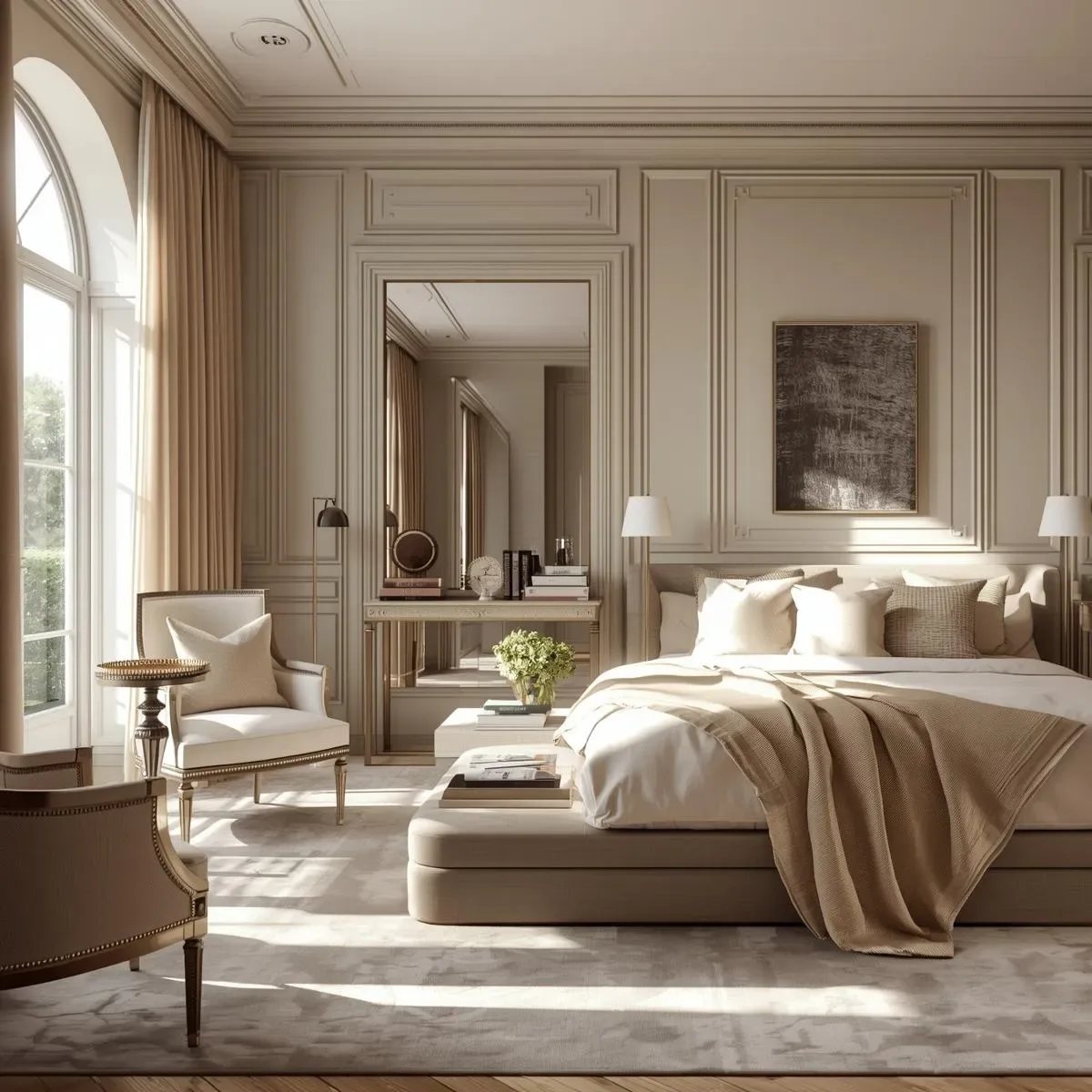
Luxury Bedroom SmartInterior: Designing a Hotel-Grade Sleep Sanctuary with Automation and AV
A luxury bedroom SmartInterior integrates automated blackout blinds, DALI circadian lighting, premium acoustic treatment, zone HVAC sleep mode, and scent diffusion into a single scene-controlled system—delivering five-star hotel sleep quality in a private residence.
read ↗
Immersive BIM Experience: AR Overlay for Site Inspection and VR Walkthrough for Client Design Decisions
BIM delivers immersive experiences beyond the screen: clients walk through their home in VR before groundbreaking and approve design details virtually, while site engineers use AR overlay on mobile devices to verify construction accuracy against the BIM model in real time during site inspection.
read ↗
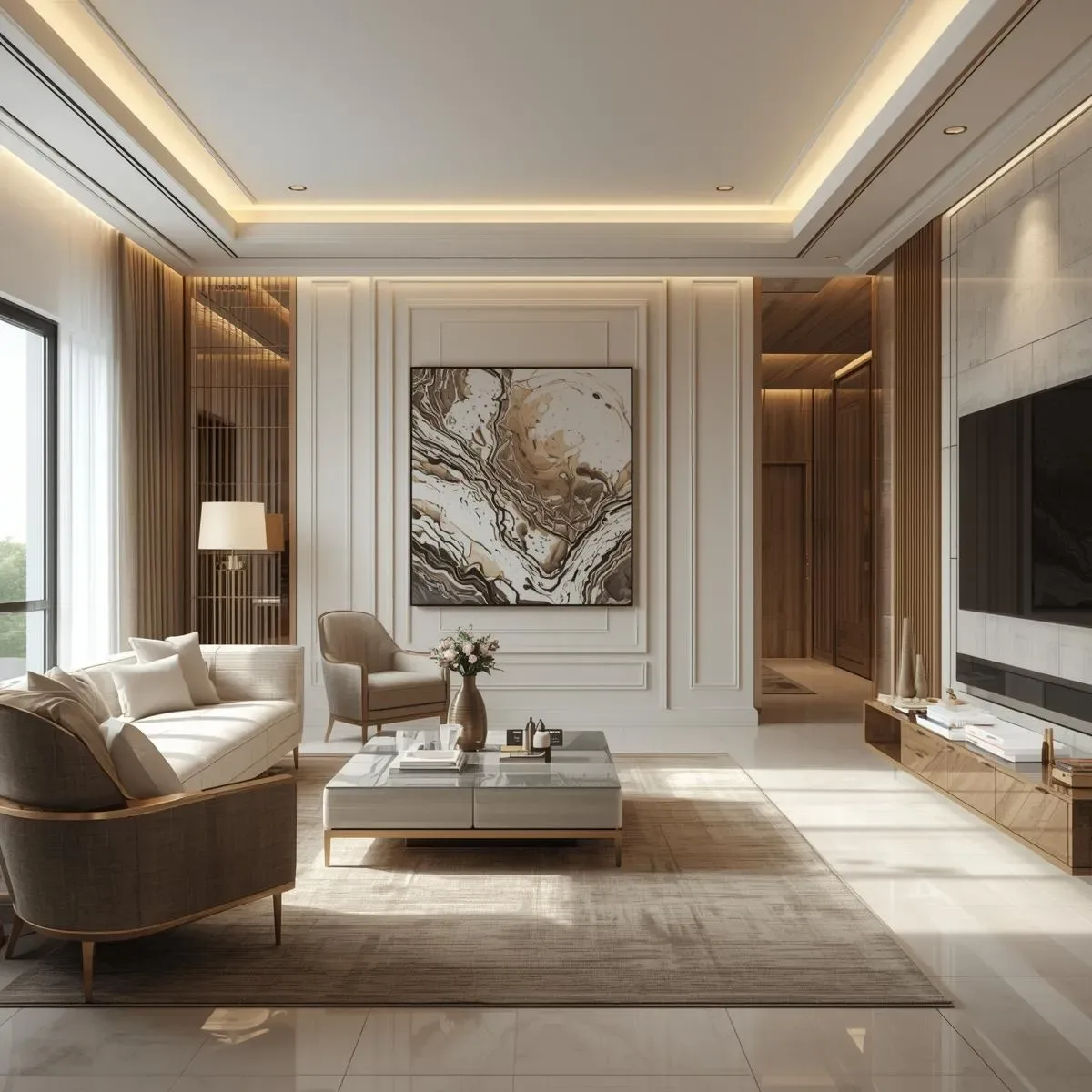
Healthy SmartInterior Materials: VOC, Formaldehyde, and TVOC Standards for Thai Residential Design
Selecting low-VOC and formaldehyde-free interior materials combined with real-time TVOC monitoring and automatic ventilation significantly reduces long-term cancer and respiratory disease risk—creating a measurably healthier indoor environment for Thai residents who spend 80–90% of their time indoors.
read ↗