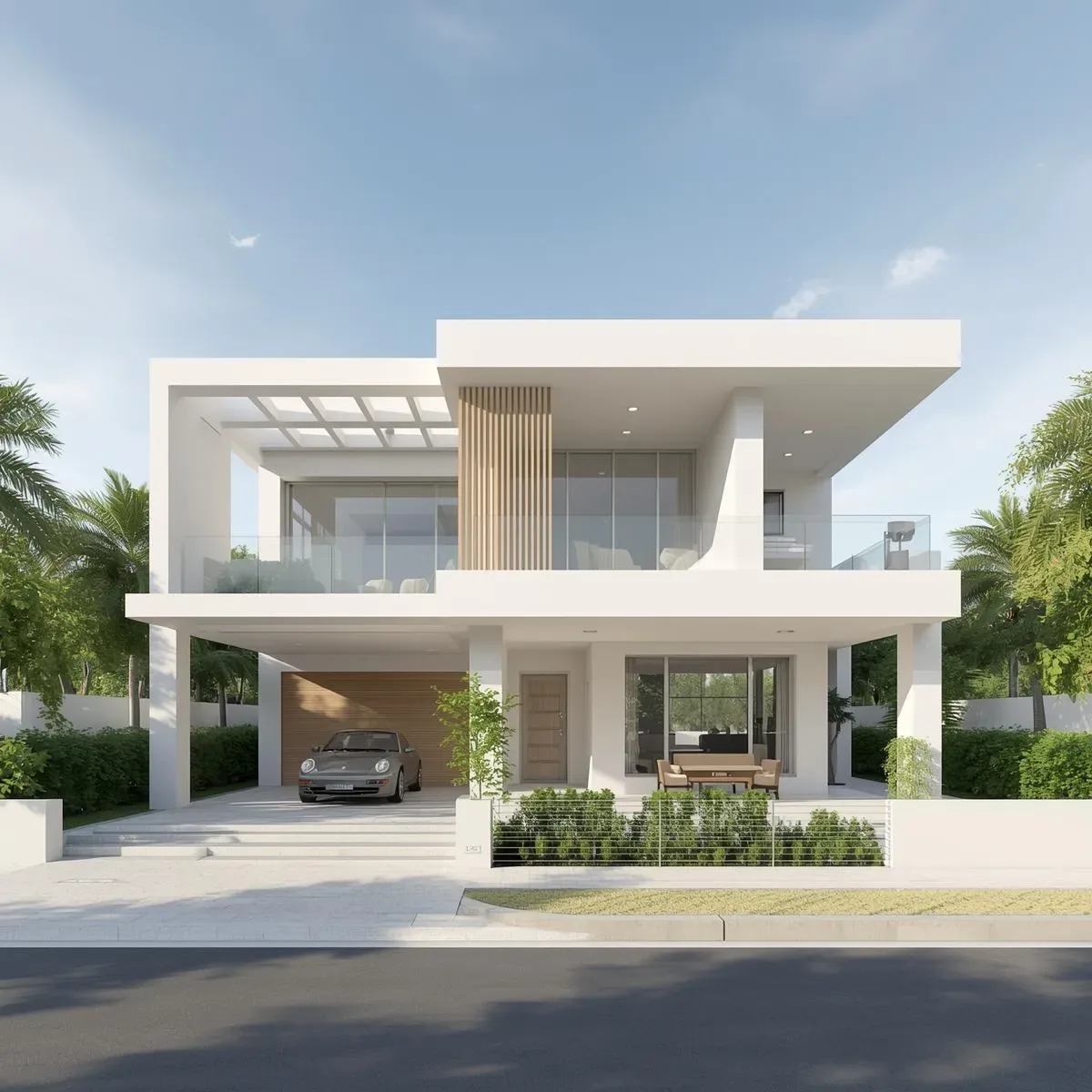
Interior design in 2025 extends far beyond aesthetics — it demands accountability for the full material lifecycle, from production to end-of-life. Circular Economy principles in SmartInterior keep materials in use as long as possible, recover value at end-of-life, and regenerate natural systems.
Material Selection for Circular Design
FSC-certified timber guarantees sustainable forest management. Cork flooring lasts 40–50 years, provides natural sound dampening, and is fully biodegradable. Mycelium (mushroom mycelium) panels substitute for fiberglass insulation and acoustic boards — carbon-neutral, lightweight, and compostable. Recycled aluminum frames for windows and doors reduce virgin mining demand significantly.
In the Thai context, salvaged teak from demolished buildings carries both aesthetic richness and high circular value. OTOP handcrafts using natural indigo-dyed cotton from Isan region add cultural depth alongside sustainability credentials.
Modular Furniture for Long Life Cycles
Chooser furniture designed for reconfiguration dramatically reduces waste. IKEA KALLAX shelving reconfigures as needs change. The Vitsoe 606 Universal Shelving System carries a lifetime guarantee and accepts modular additions indefinitely. Herman Miller Aeron chairs come with a 12-year warranty and fully recyclable components — a THB 20,000–40,000 quality chair outperforms replacing a THB 2,000 chair every two years in both cost and waste terms.
Smart Energy Monitoring for Circular Homes
Smart plugs (TP-Link Kasa or Shelly) connected to Home Assistant measure per-device energy consumption in real time. The HA Energy Dashboard tracks kWh and calculates CO₂ equivalent (0.5187 kgCO₂/kWh for Thailand grid, 2023 figure), identifying standby power vampires and triggering automatic shutoff for idle devices.
LED lamps with 50,000-hour lifespans versus 1,000-hour incandescents represent a 50x reduction in lamp waste over a building’s life. DALI-2 smart lighting with daylight harvesting reduces lighting energy by 30–40%.
Closed-Loop Water Systems
Greywater recycling (from washbasins and showers) through a 3-stage filtration system feeds toilet flushing and garden irrigation, cutting municipal water use 30–40%. A 1,000-litre IBC rainwater tank supplies a vertical garden drip irrigation system.
TREES Certification and Circular Economy
Thailand’s TREES certification (TGBI) awards points across Sustainable Materials, Water Efficiency, and Indoor Air Quality categories. Circular Economy material choices can accumulate 15–25 TREES points in the Materials and Resources category, strengthening both certification standing and the building’s long-term value.