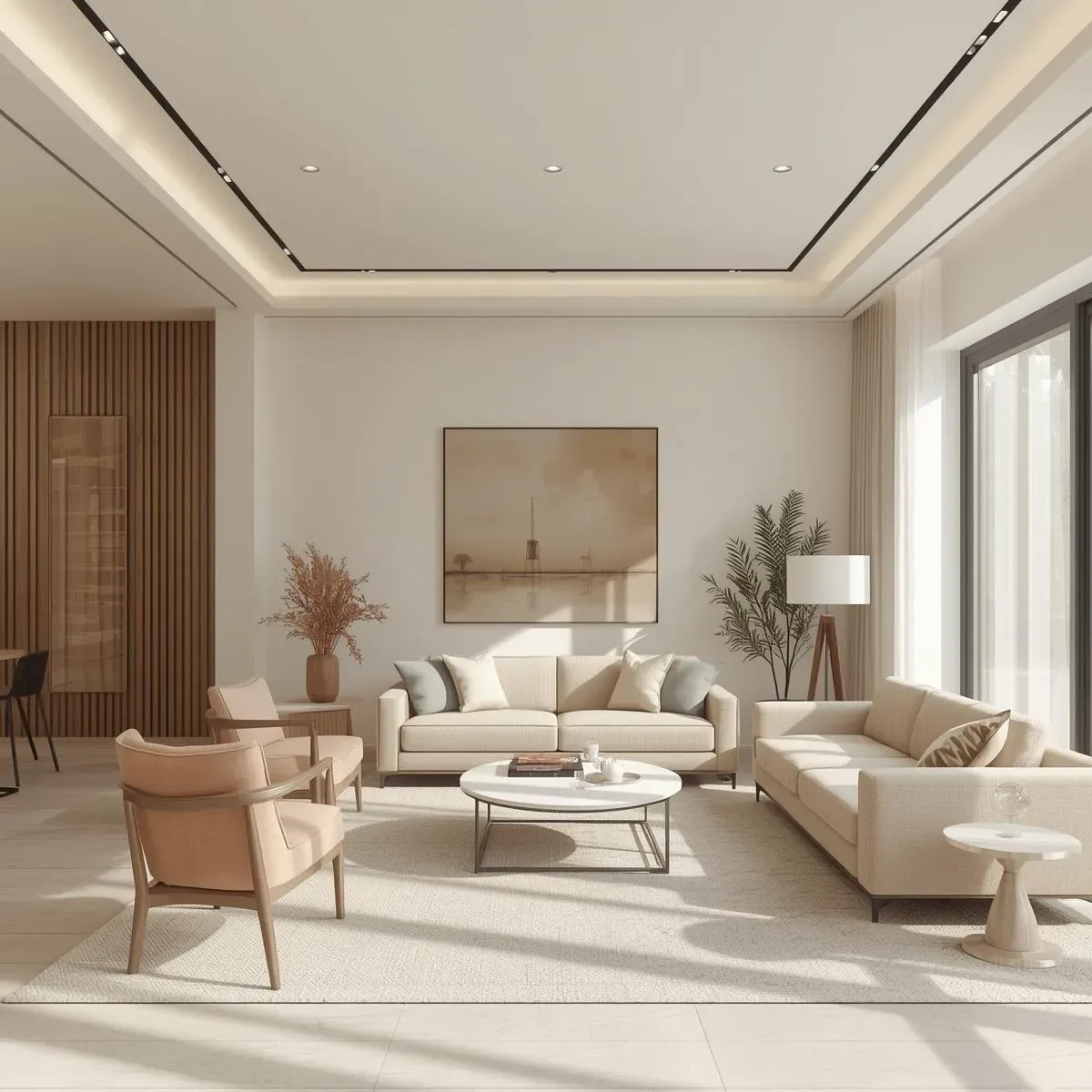
Bangkok averages 33–36°C daytime with 80–90% relative humidity year-round — conditions that drive HVAC to 40–60% of residential electricity bills. Well-designed passive cooling reduces cooling loads by 30–40% without sacrificing occupant comfort, cutting energy costs and carbon emissions simultaneously.
Five Passive Cooling Strategies for Bangkok
1. Thermal Mass
Concrete and brick walls thicker than 200mm absorb daytime heat and release it slowly overnight. In Bangkok, nighttime temperatures drop to 26–28°C — cool enough for thermal mass to work effectively when paired with night purge ventilation: opening windows after 23:00 allows cooler air to discharge the stored heat from mass walls.
2. Natural Ventilation
Cross-ventilation requires openings on opposite sides of at least 5% of floor area each. Bangkok prevailing winds: northeast from November to April, southwest from May to October — inform opening placement accordingly.
Stack effect uses rising hot air to drive ventilation: clerestory windows or roof vents 3–4m above floor level draw cool air in through low-level openings, achieving 10–20 ACH in good wind conditions.
Traditional Thai vernacular architecture — raised floors, steeply pitched roofs, wide overhangs, and lattice wall openings (ช่องลม) — represents centuries of validated passive cooling solutions for humid tropical climates.
3. External Shading
At Bangkok’s 13.7°N latitude, horizontal overhangs should project 1.0–1.5m for south-facing windows (depth ≈ window height × tan solar noon altitude). East and west façades receive low-angle sun — vertical fins or louvres outperform horizontal overhangs for these orientations.
Broad-canopy trees such as Ficus benjamina and Plumeria provide natural shading plus evapotranspiration cooling, reducing ambient temperature near the canopy by 2–4°C.
4. Green Roofs
KMUTT Bangkok research found that a 150mm substrate green roof with Sedum/sedge planting reduces roof surface temperature from 65–70°C to 30–35°C at solar noon, cutting cooling loads 15–20%. Structurally adequate roofs also benefit from green roof stormwater retention and Urban Heat Island mitigation.
5. Cool Roofs
White cool roof coatings or membranes with SRI (Solar Reflectance Index) above 78 reduce roof surface temperature 20–30°C compared to dark roofs. Cost is low at THB 150–300/sqm, installed on existing roof structures — one of the highest-ROI passive interventions available.
Smart Integration: Passive + Active
Indoor and outdoor temperature/humidity sensors feed Home Assistant automations that open motorized louvres or trigger whole-house fans when outdoor temperature drops below indoor temperature and relative humidity falls below 80% — enabling night purge ventilation that pre-cools the thermal mass and reduces HVAC runtime the following morning.
Thai OTTV Standard
Thailand’s Building Control regulations mandate OTTV (Overall Thermal Transfer Value) ≤35 W/m² for Bangkok residential buildings. Combining external shading, cool roofs, and high-performance glazing (SHGC <0.25) meets this standard without additional HVAC capacity, reducing both capital and operating costs.