Journal
Notes from the studio.
Field reports, manifestos, and case studies — written for people who care how a home is made.
Home Assistant· 692Smart Home· 626HappySmart· 592IoT· 283PM2.5· 175ผู้สูงอายุ· 154Automation· 137Zigbee· 131บ้านอัจฉริยะ· 103home-automation· 102air-quality· 101Raspberry Pi· 100SmartInterior· 93energy-saving· 89mmwave-sensor· 86matter-1-4· 84Smart Longevity· 82homekit· 81homebridge· 80คุณภาพอากาศ· 76
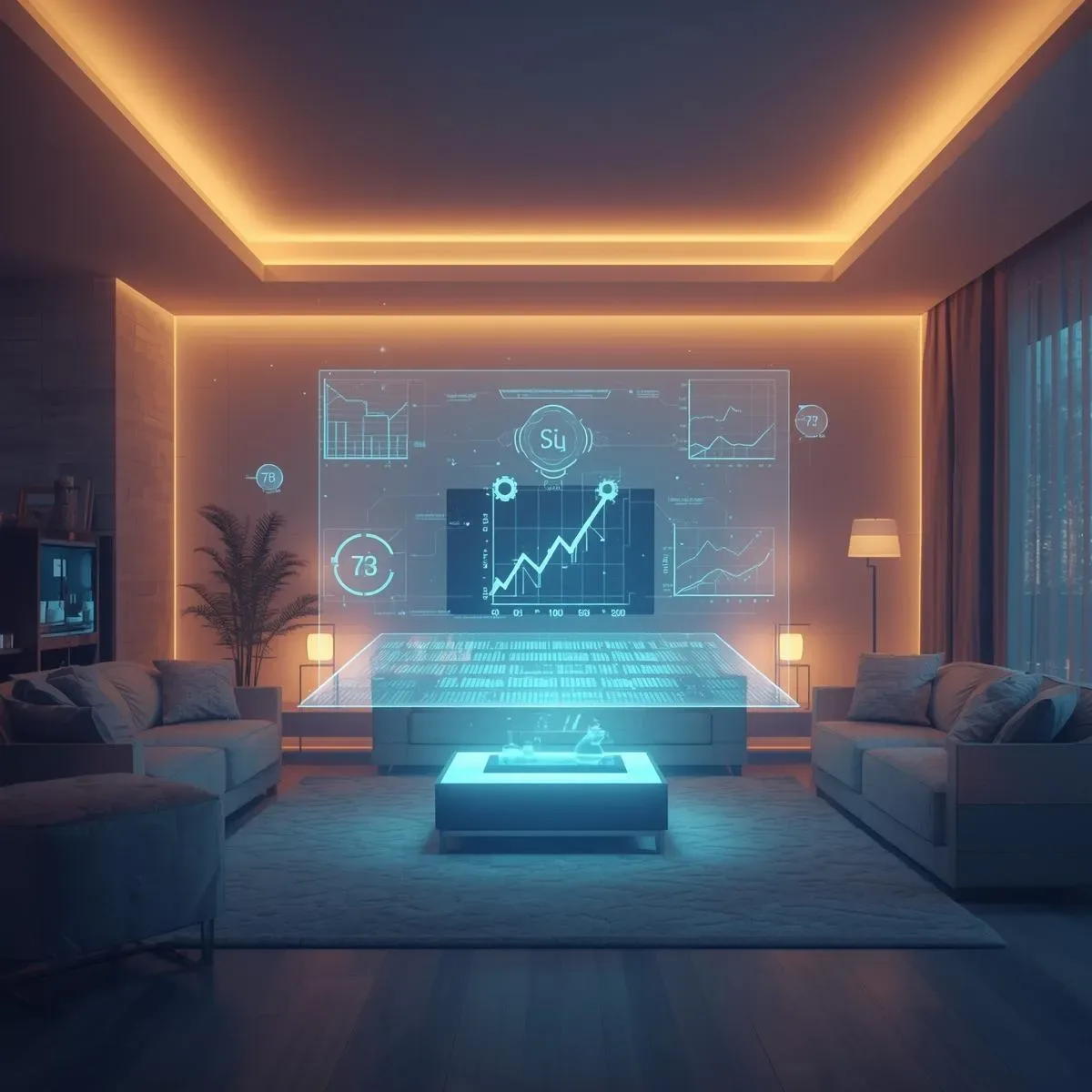
Smart Longevity Predictive IoT: Anticipating Home Energy Needs to Cut Your Bills Intelligently
True Predictive IoT does not merely react to current conditions—it uses ML to analyze historical patterns and weather forecasts to anticipate energy demand in advance, reducing bills and preventing discomfort before they occur.
read ↗
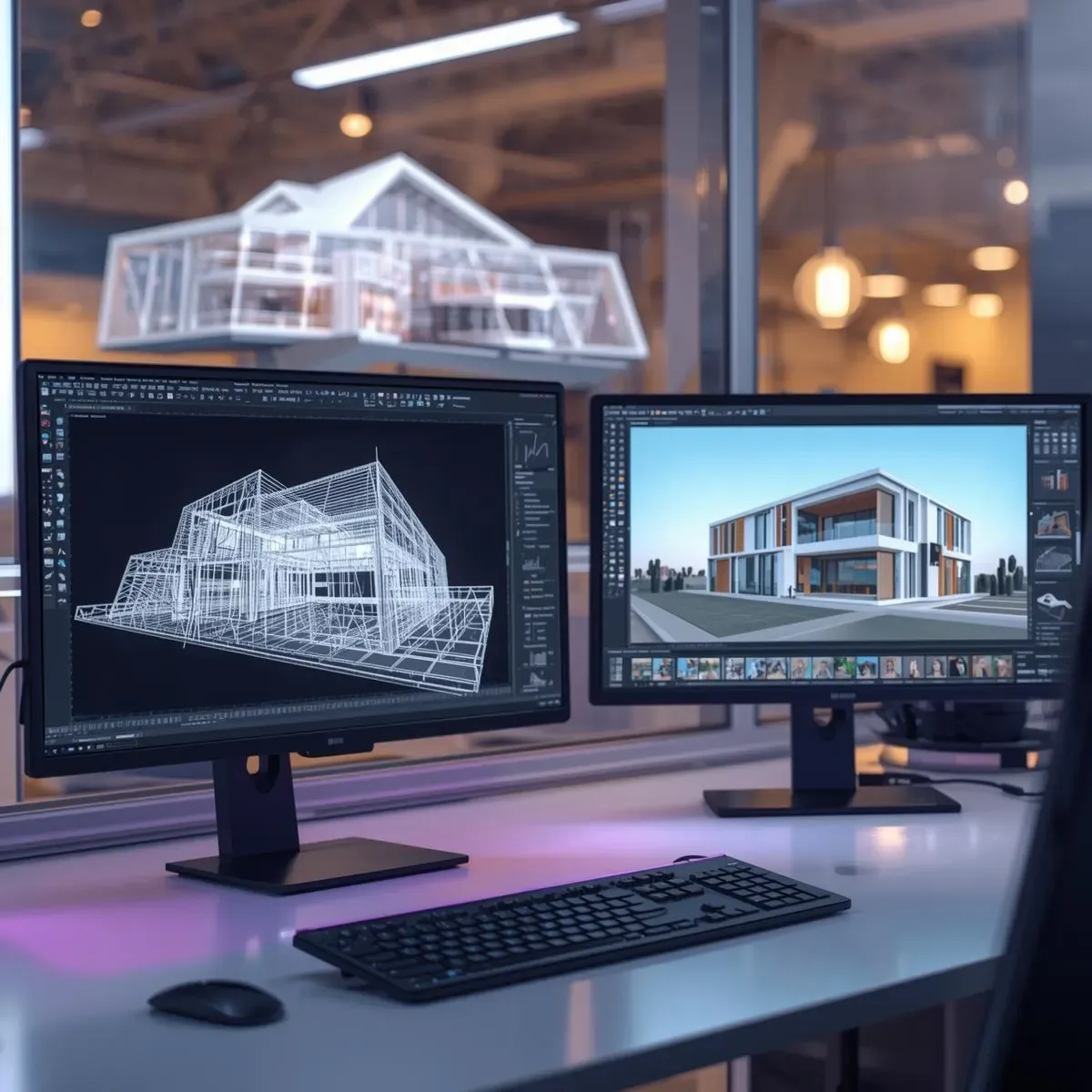
3D Modeling in the Digital Age: Turning Design Ideas Into Buildable Visuals Before Construction
The digital age has fundamentally transformed architectural design—from paper sketches to real-time editable 3D models that enable design teams and project owners to collaborate on a single shared platform across locations.
read ↗
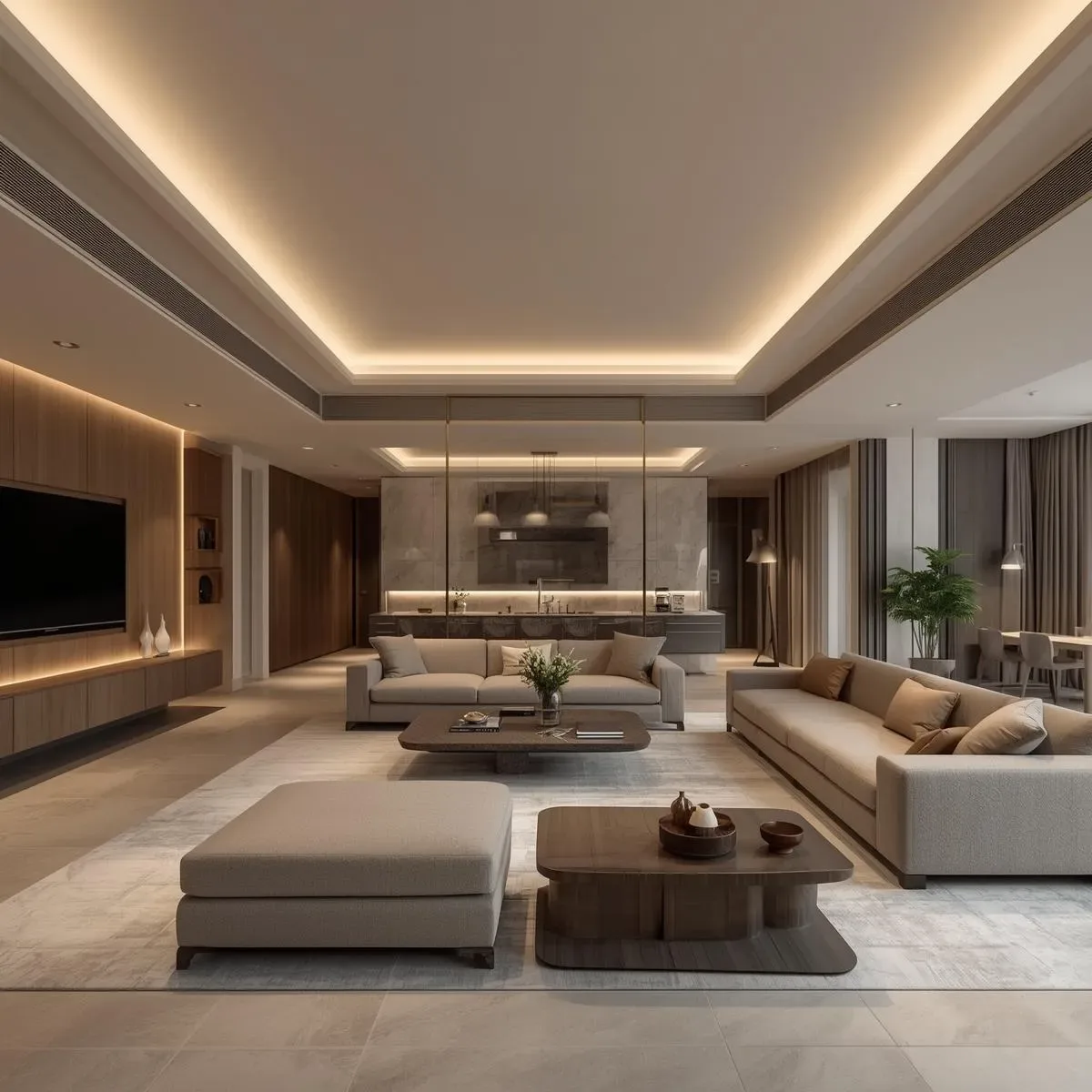
Data-Driven SmartInterior Design: Using Real-Time Data to Create Spaces That Work Smarter
Data-Driven SmartInterior uses real-time dashboards to make evidence-based design decisions rather than intuitive ones—enabling spaces to continuously improve based on how occupants actually use them over time.
read ↗
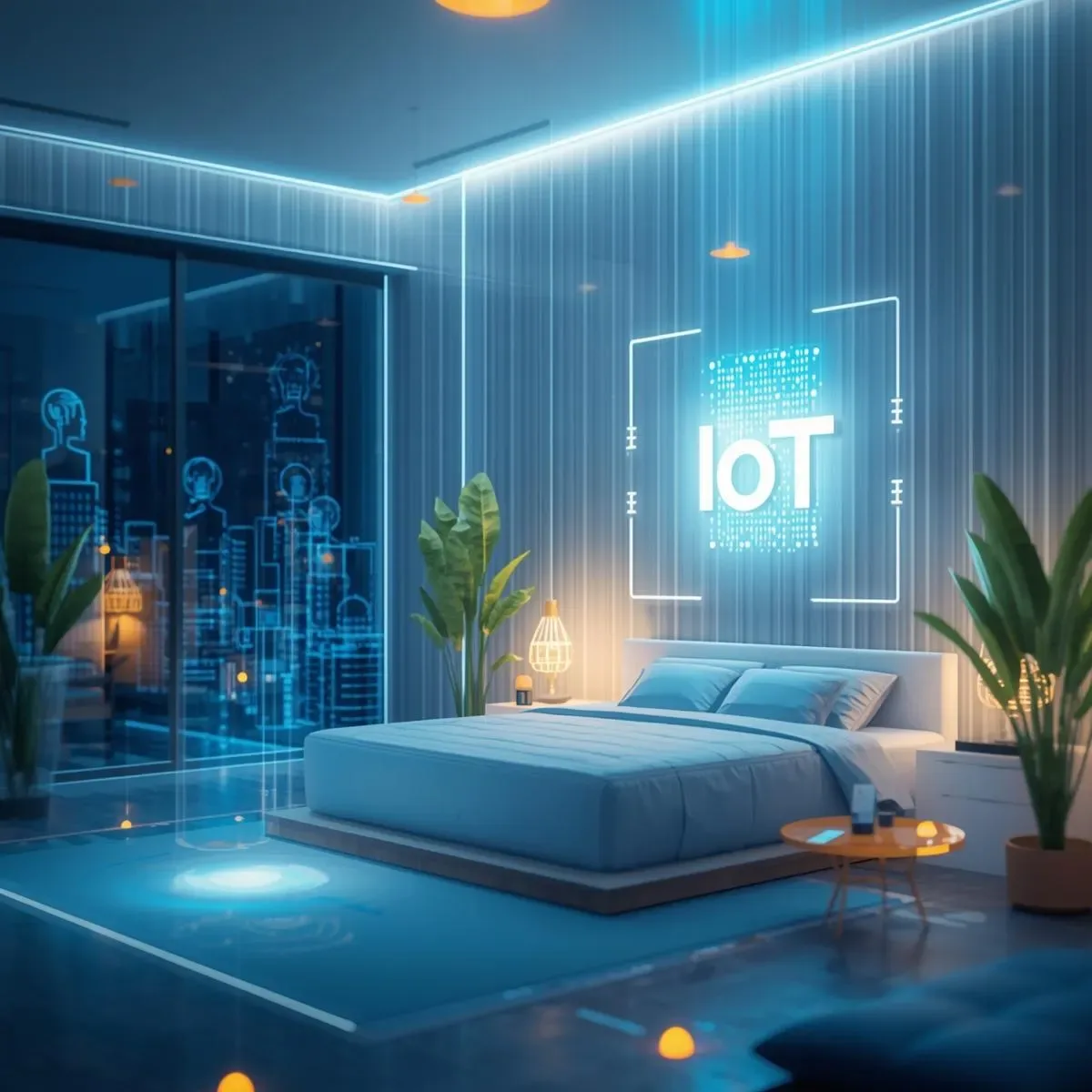
IoT Smart Longevity for Long-Term Energy Cost Reduction: A Practical Guide for Bangkok Homes
A practical Smart Longevity IoT guide for Bangkok homes—covering device selection, ROI calculation methodology, and step-by-step implementation to achieve real, measurable long-term energy cost reductions.
read ↗

3D Model Deep Design Analysis: Simulating Real Space Usage Before You Commit to Building
3D Model Deep Design Analysis goes beyond aesthetics—it simulates how actual users will move, sit, and perform activities in a space before construction begins, significantly reducing design risk through evidence-based spatial decision-making.
read ↗
SmartInterior Systematic Design: From Aesthetic Beauty to Intelligent Daily Living
True SmartInterior integrates aesthetic design and intelligent systems from the earliest planning stage—not as an afterthought that compromises aesthetics, but as a unified design language where beauty and function reinforce each other.
read ↗
Long-Term Energy Savings With IoT: The Smart Longevity Blueprint for Comfortable Efficient Homes
The Smart Longevity Blueprint designs homes for continuous energy efficiency across 20-25 years—combining IoT monitoring, intelligent HVAC, Solar PV, and battery storage in a scalable framework that grows with your budget.
read ↗
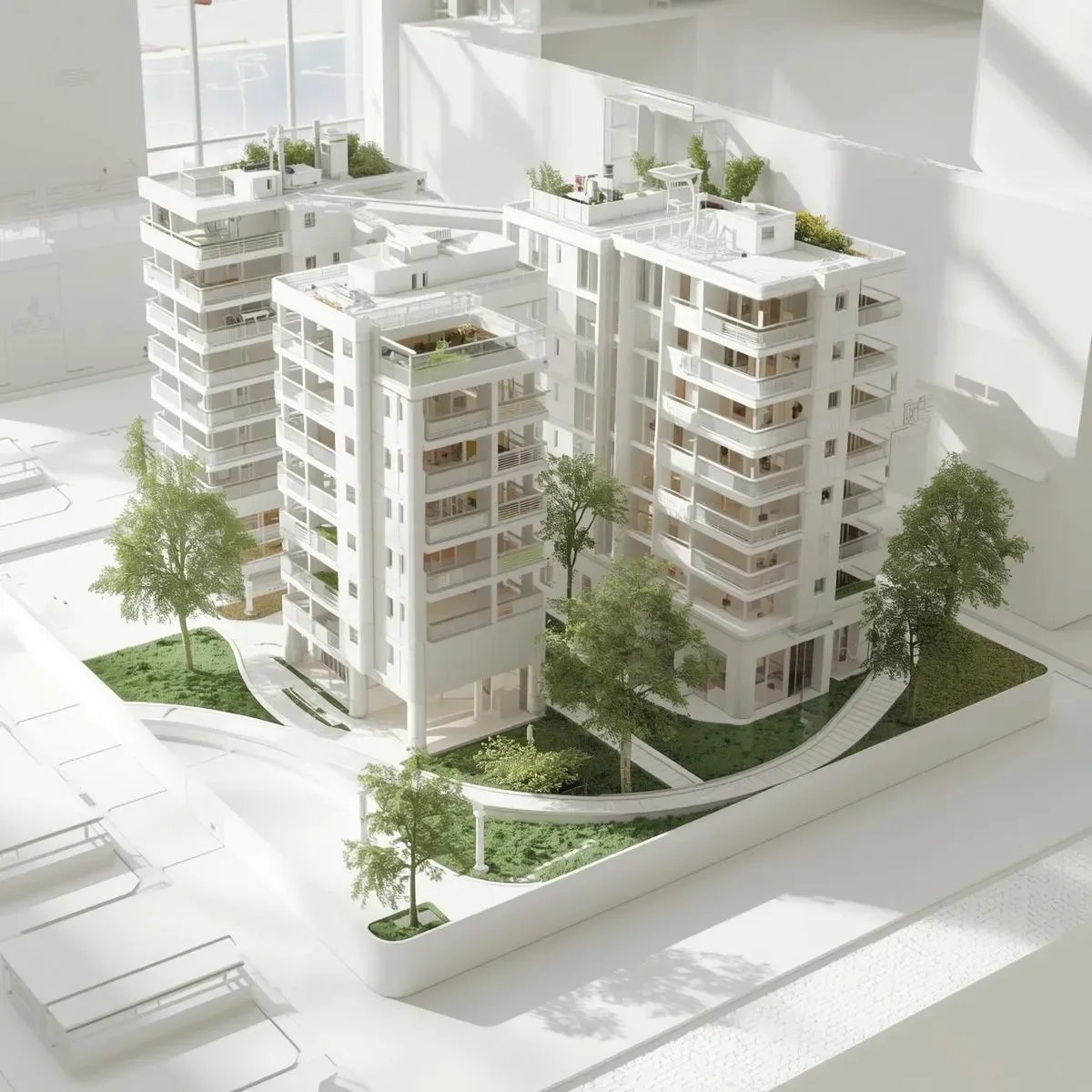
3D Building Behavior Simulation: Detecting and Eliminating Design Errors Before Construction
3D Building Behavior Simulation identifies MEP coordination conflicts, structural issues, and energy performance errors before construction—preventing corrections that cost 10-50 times more to fix on-site than in the design model.
read ↗
SmartInterior Auto-Responsive Design: Creating Spaces That Respond to You Automatically
SmartInterior Auto-Responsive Design creates spaces that respond to occupants automatically through sensor networks and AI scene management—reducing manual control burden and delivering a seamless living experience.
read ↗
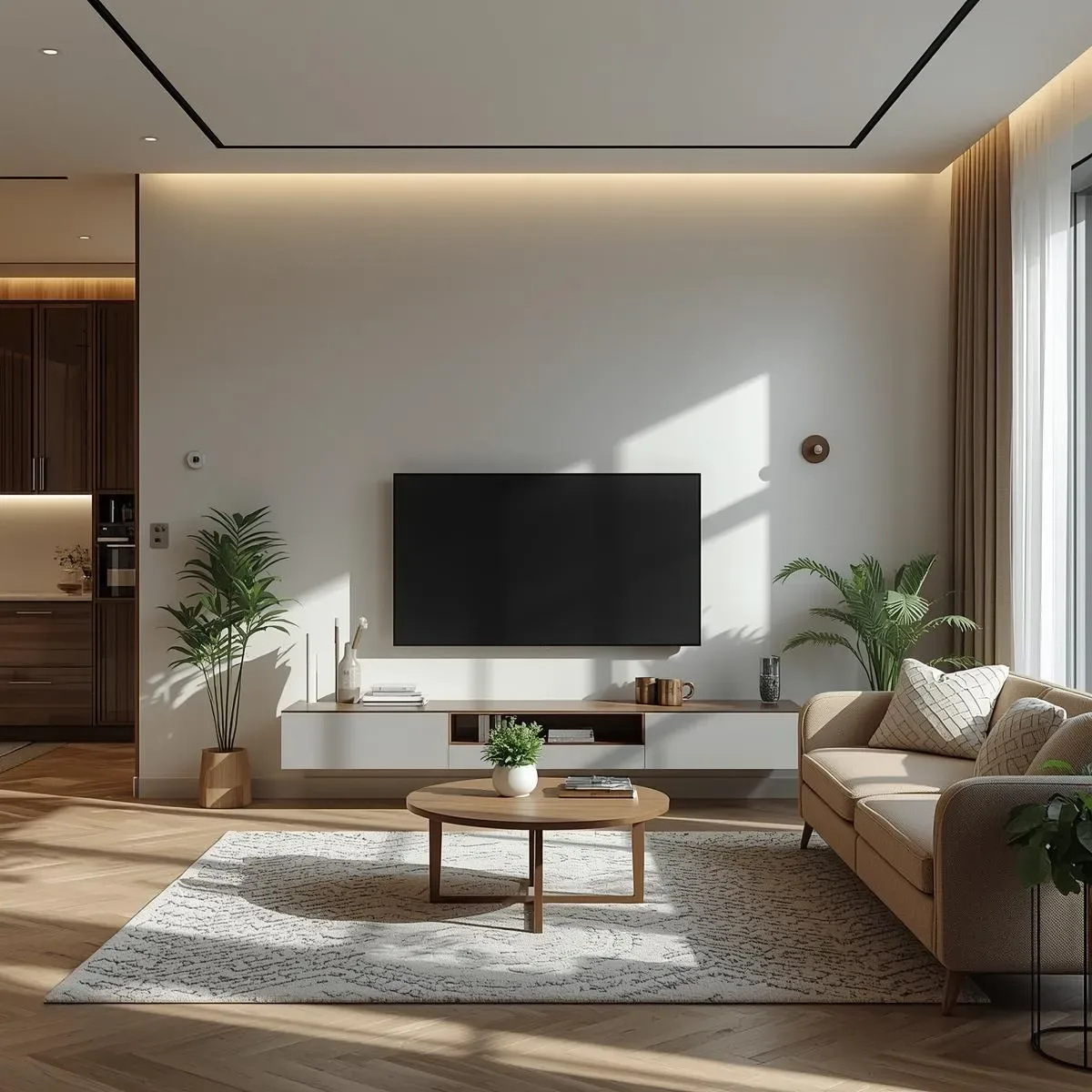
IoT Energy Saving and Smart Longevity: Building a Home That Pays for Itself Over Time
IoT energy investment is not just a cost—it creates a monthly return. Smart Longevity treats energy efficiency as a long-term asset that generates measurable ROI through reduced bills, solar income, and increased property value.
read ↗
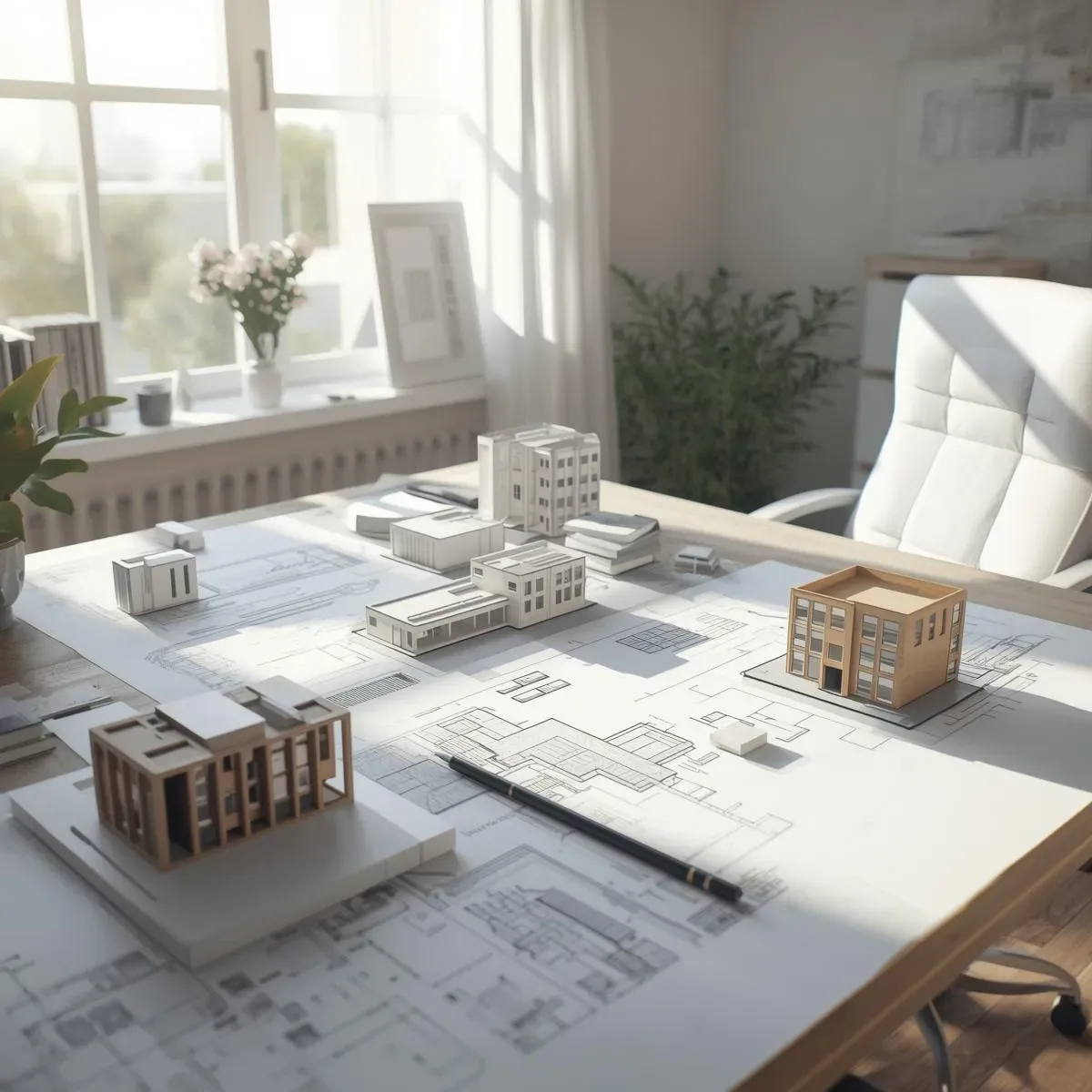
3D Environmental Simulation in Design: See How Your Space Performs Before Building Begins
3D Environmental Simulation reveals a building’s thermal, daylighting, and airflow performance before construction begins—reducing design risk and optimizing building efficiency from the earliest design stage for Bangkok’s tropical climate.
read ↗
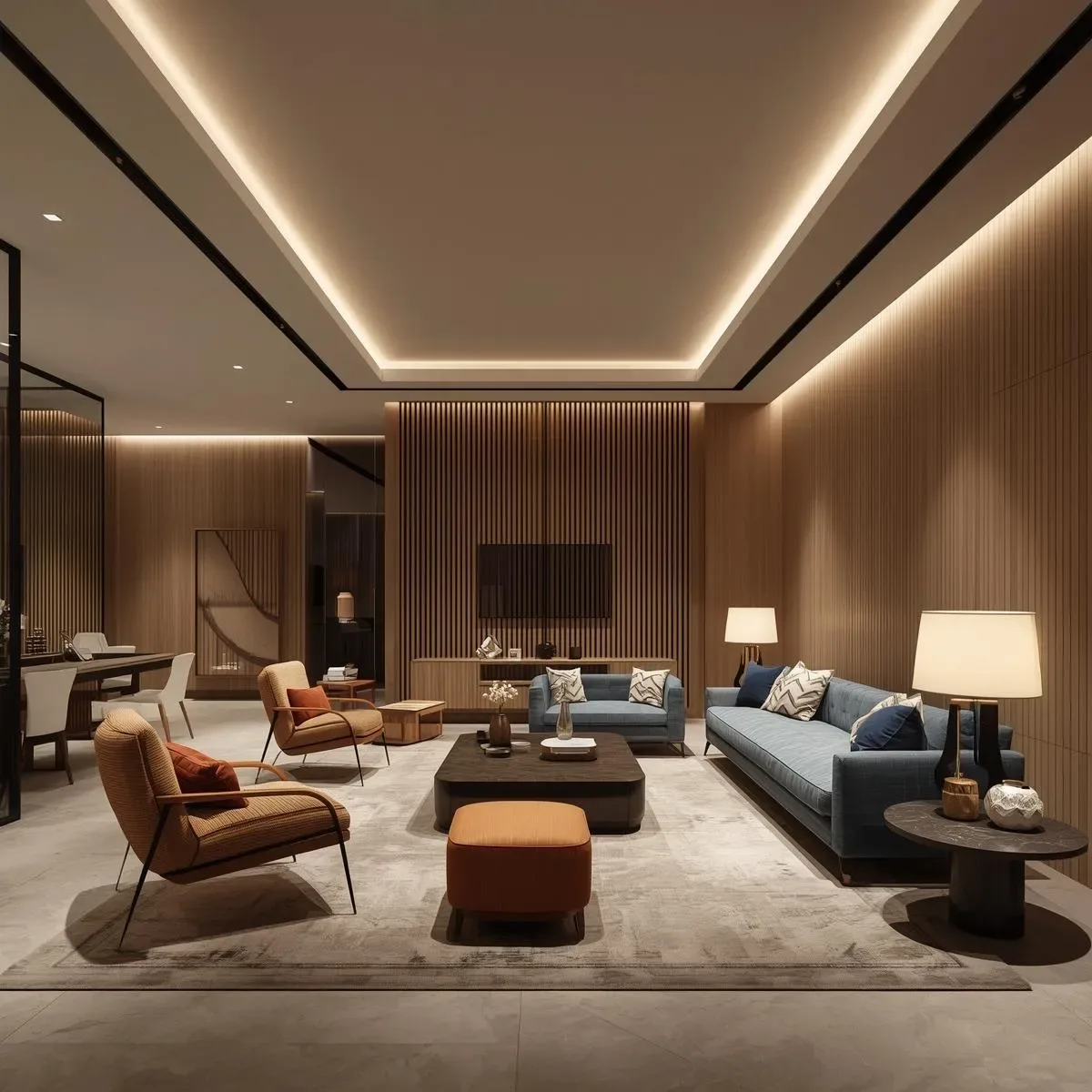
SmartInterior Behavioral Design: How Your Space Automatically Adapts to Real Usage Patterns
SmartInterior Behavioral Design creates spaces that match real usage patterns—not pre-programmed schedules. Multi-zone occupancy sensing and adaptive scene logic automatically adjust to each occupant’s actual behavior throughout the day.
read ↗
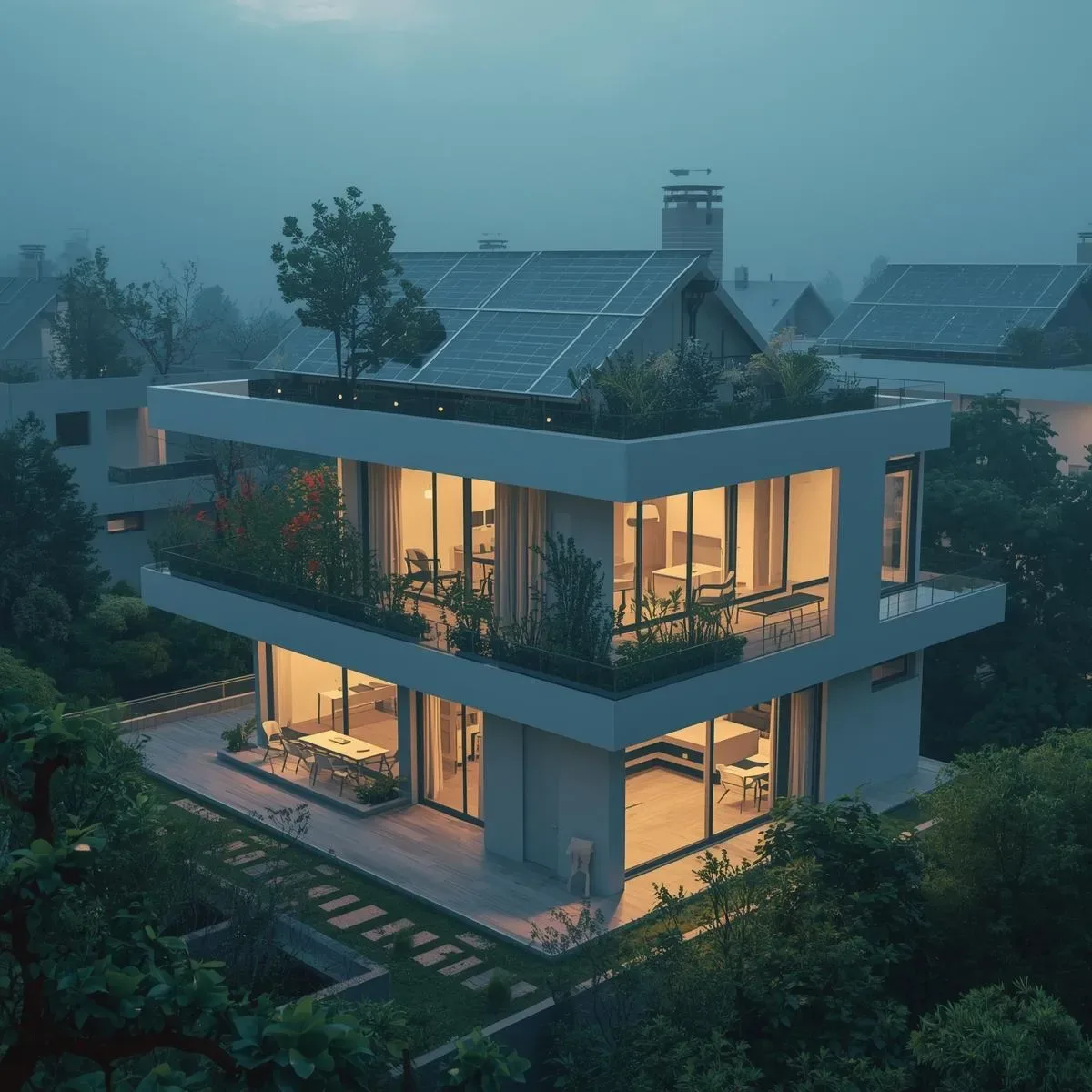
Predictive IoT for Low-Energy Smart Homes: The Smart Longevity Approach to Continuous Savings
Predictive IoT goes beyond basic automation—it anticipates energy demand before it occurs using NILM, weather forecasting, and TOU rate integration. Smart Longevity homes achieve 15-25% additional savings beyond standard smart home automation.
read ↗
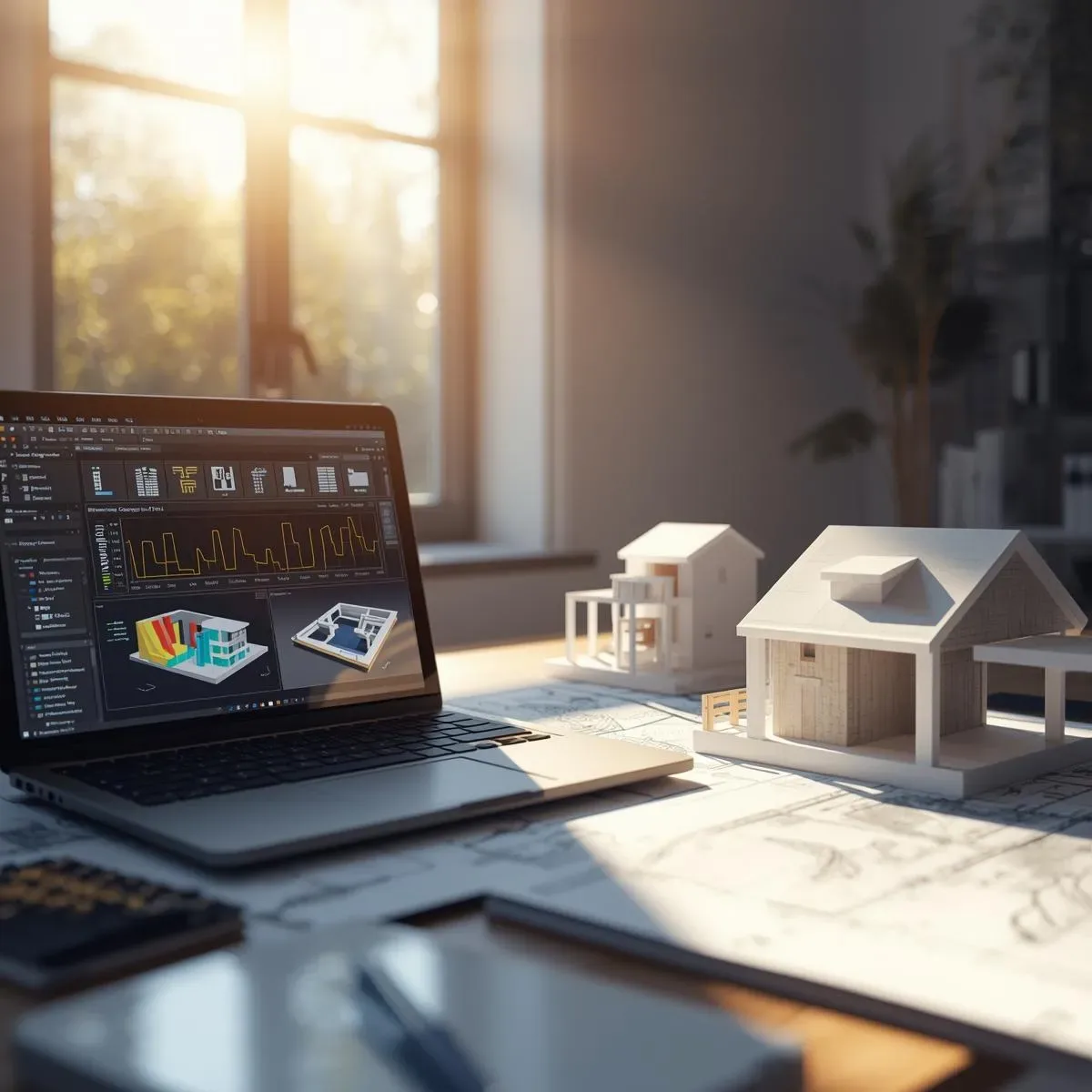
3D Architectural Modeling: Transforming Technical Data Into Visuals That Drive Real Decisions
Technical construction data is difficult for project owners to interpret. 3D architectural modeling converts specifications into immediately understandable visuals—enabling real decisions in the meeting room rather than costly revisions after construction.
read ↗
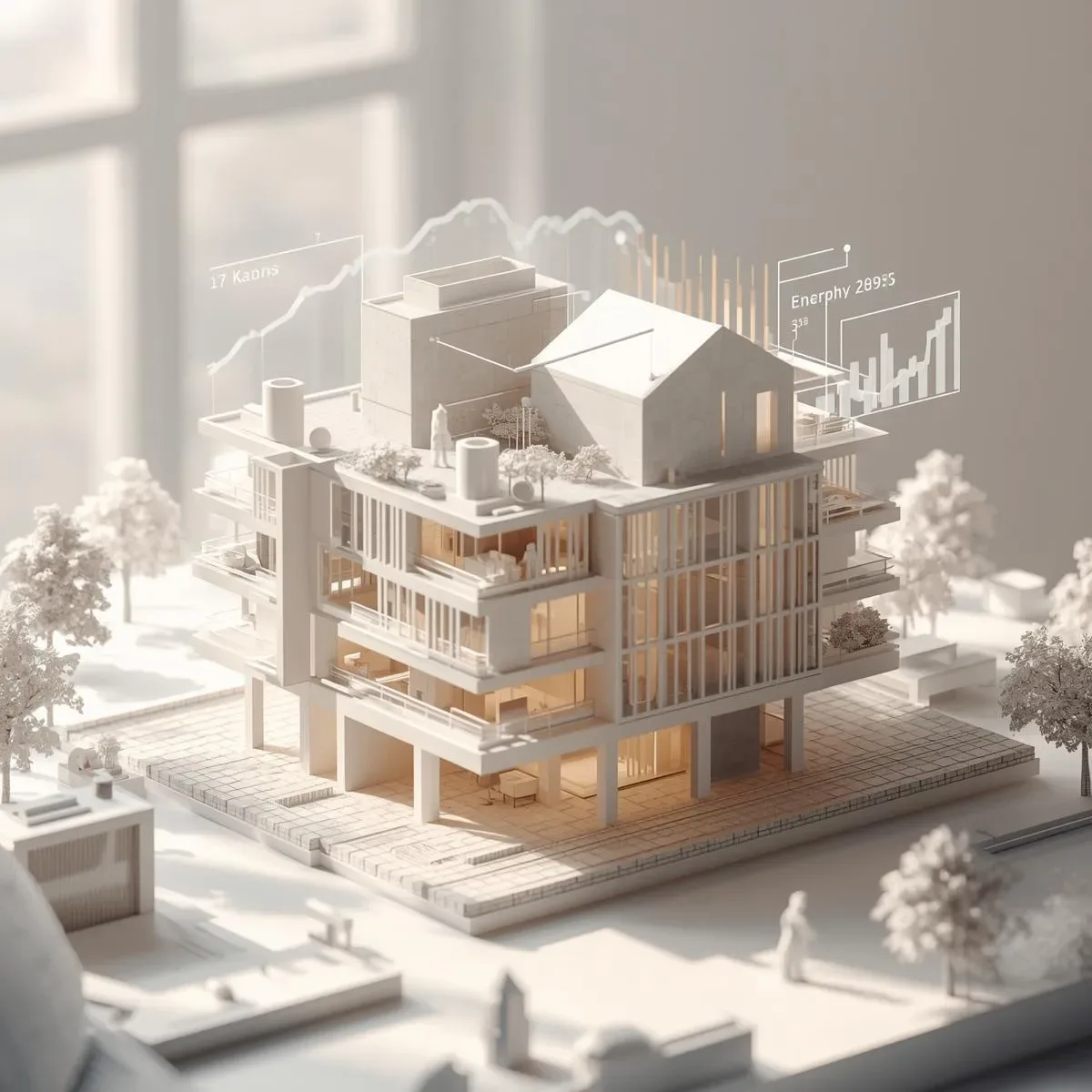
SmartInterior Lifestyle-Driven Design: When Your Space Learns How You Actually Live
True SmartInterior goes beyond smart devices—it learns your lifestyle through sensors and ML algorithms, automatically optimizing lighting, climate, and space zones to match how you actually live in Bangkok urban homes.
read ↗
Smart Longevity Energy Independence: A 5-Step Journey from Grid-Dependent to Near-Zero Electricity Bills
Energy Independence for a Smart Longevity home is not about disconnecting from the grid — it is a phased 5–10 year investment journey to progressively reduce grid dependence and electricity bills from THB 5,000 per month toward near-zero.
read ↗
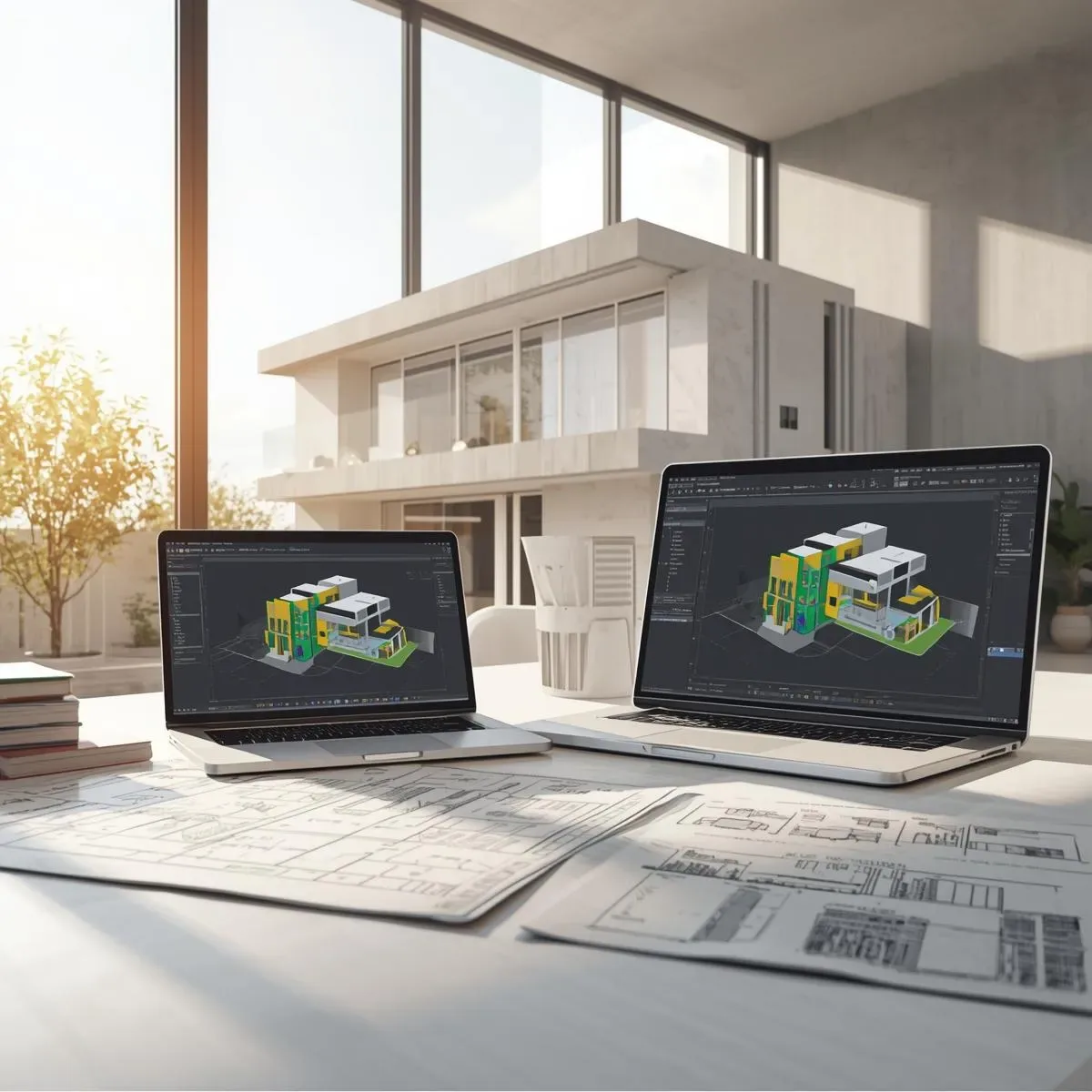
3D Model as Strategic Design Tool: Floor Plan Optimization, Site Selection Analysis, and Value Engineering
3D modelling in a strategic role helps homeowners make programme-level decisions before design begins — comparing multiple floor plan options, analysing competing land plots, and running Value Engineering to maximise programme value within a fixed budget.
read ↗
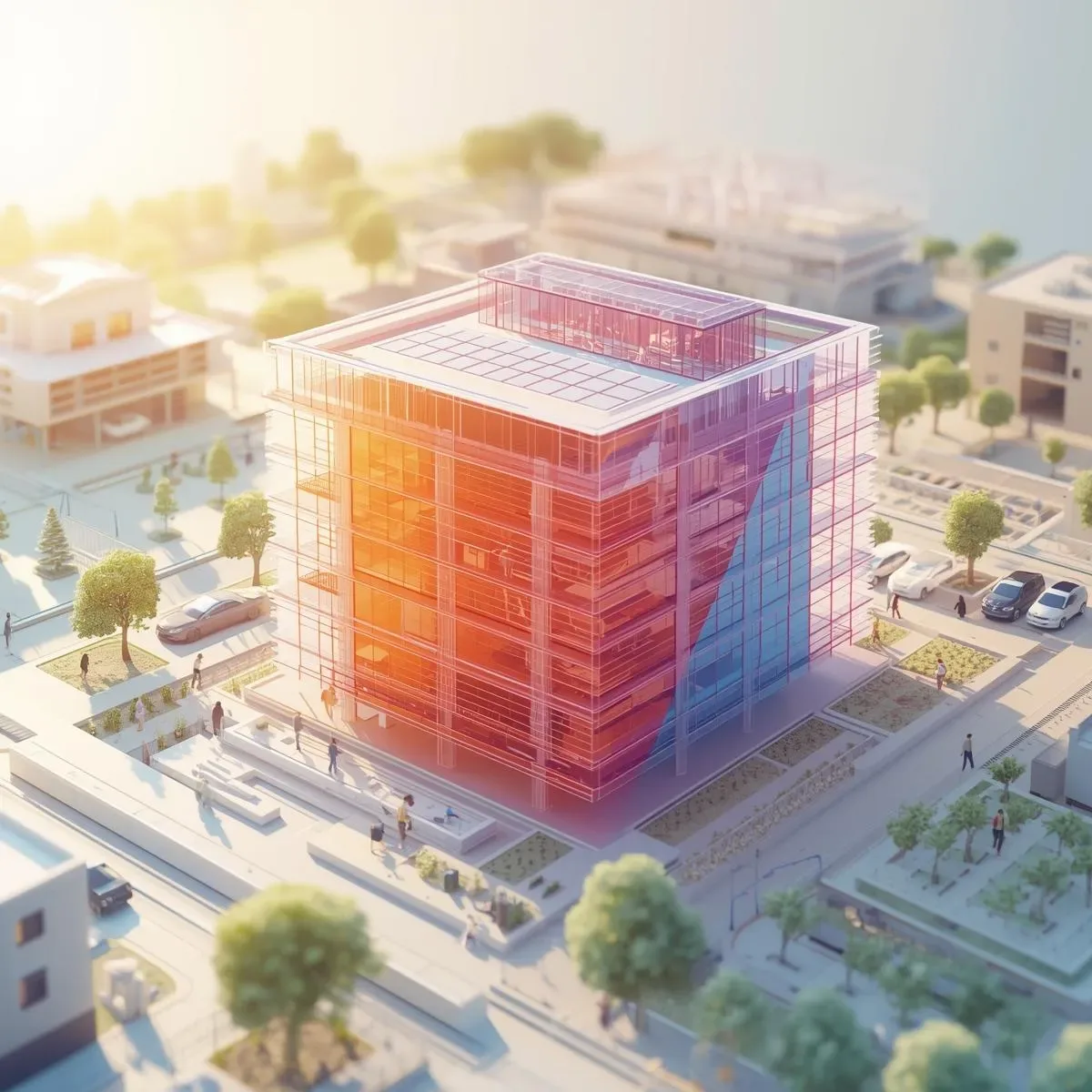
SmartInterior in the Data Age: Designing for Emotional Wellbeing Through Biophilic and Sensor-Informed Spaces
Modern SmartInterior combines Biophilic Design principles with sensor data to create spaces that actively support occupant emotional wellbeing — validated by neuroscience research showing measurable health and mood benefits from nature-integrated, data-responsive environments.
read ↗
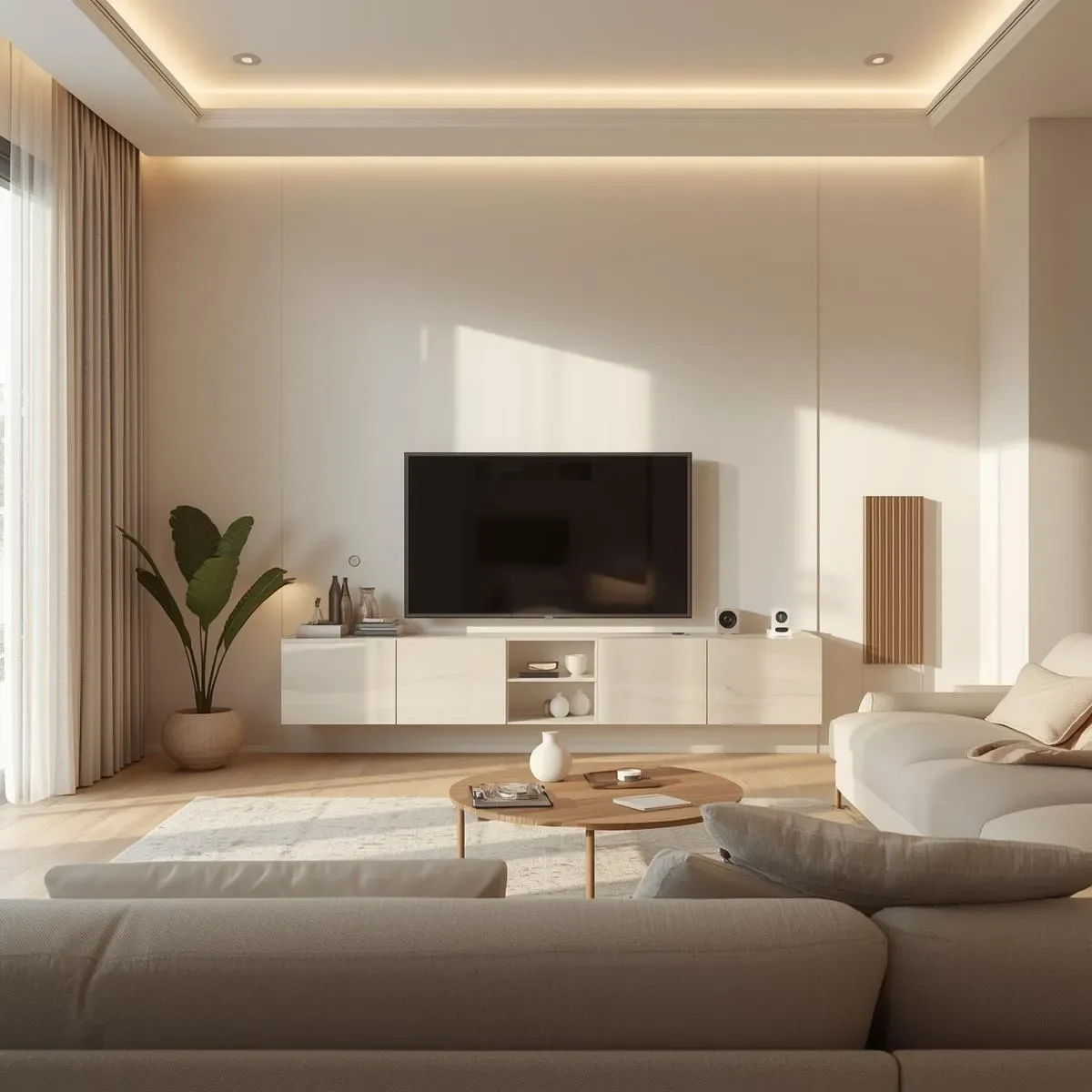
Smart Longevity HEMS: Building a Layered Home Energy Management System from Monitoring to AI Optimization
A good HEMS is not complex from day one — it starts with a Monitoring Layer and progressively adds Automation and AI Optimization one layer at a time as budget and user confidence grow.
read ↗
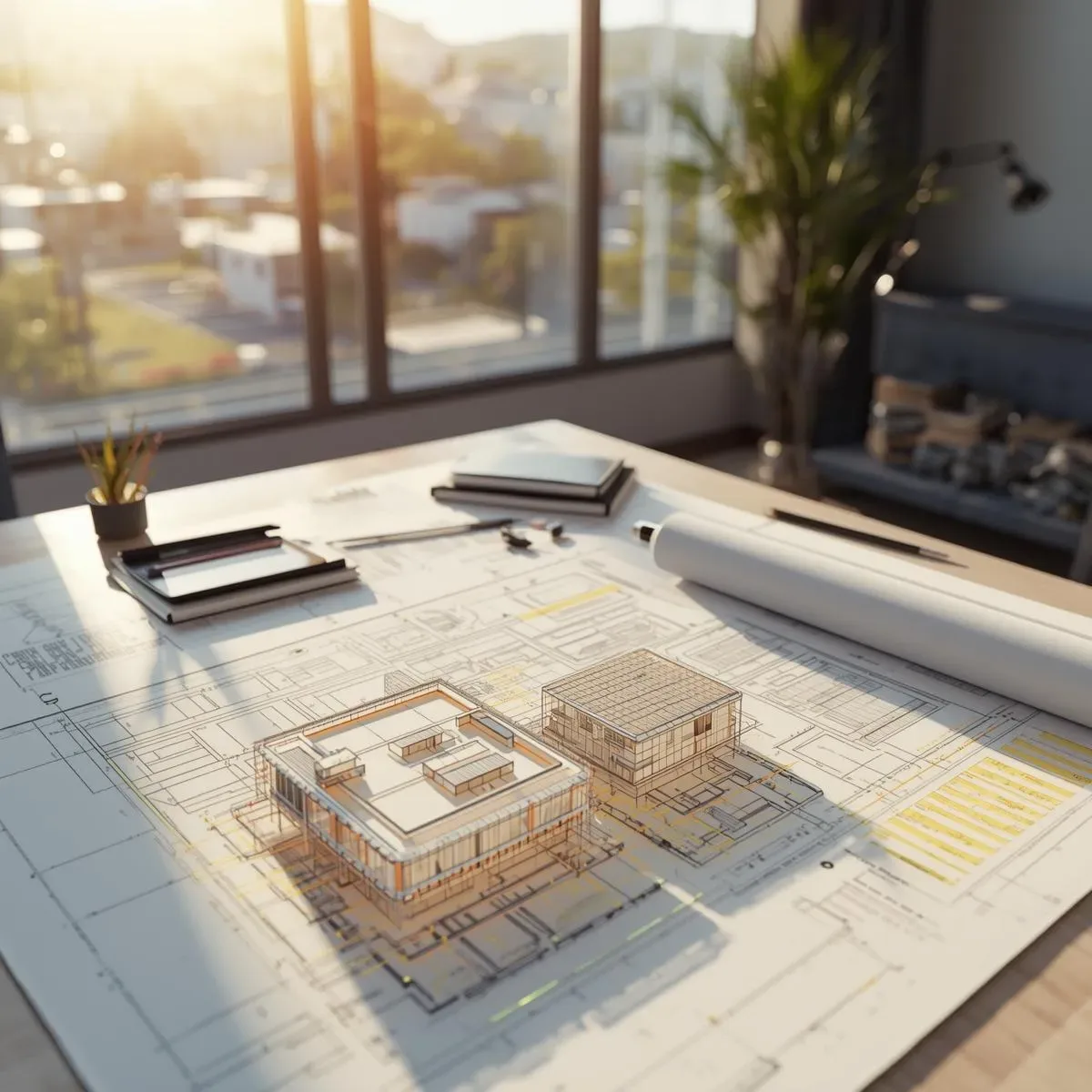
3D Model as Home Design Decision Tool: Site Analysis, Daylighting Simulation, and Value Engineering
Modern 3D models do more than show beautiful homes — they analyse site potential, year-round daylighting, prevailing winds, and optimal views so that designers and homeowners make better decisions before investing in construction.
read ↗
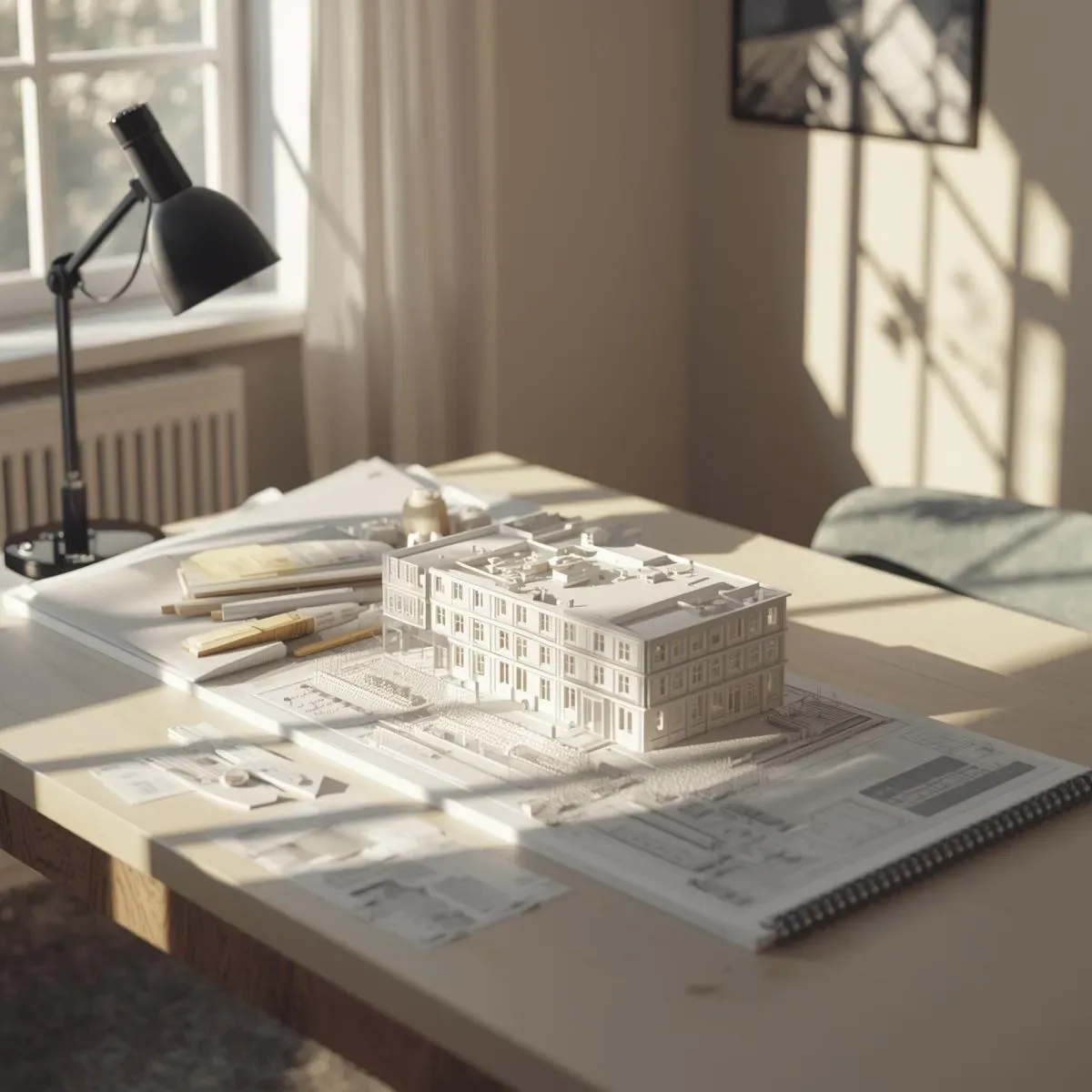
SmartInterior From a Designer’s Perspective: Data-Driven Space Planning and Sensor-Informed Decisions
Modern SmartInterior designers do not rely on intuition alone — they use sensor, occupancy, and behavioral data to validate design decisions, from furniture placement to lighting and temperature system positioning.
read ↗
Smart Longevity as Energy Investment: 25-Year NPV of IoT, Solar, and Battery for Thai Homeowners
Smart Longevity is not just energy saving — it is building an Energy Asset with measurable financial value. This article calculates the 25-year NPV of IoT, solar, and battery investment for Bangkok homes and presents a clear CapEx versus OpEx tradeoff framework.
read ↗
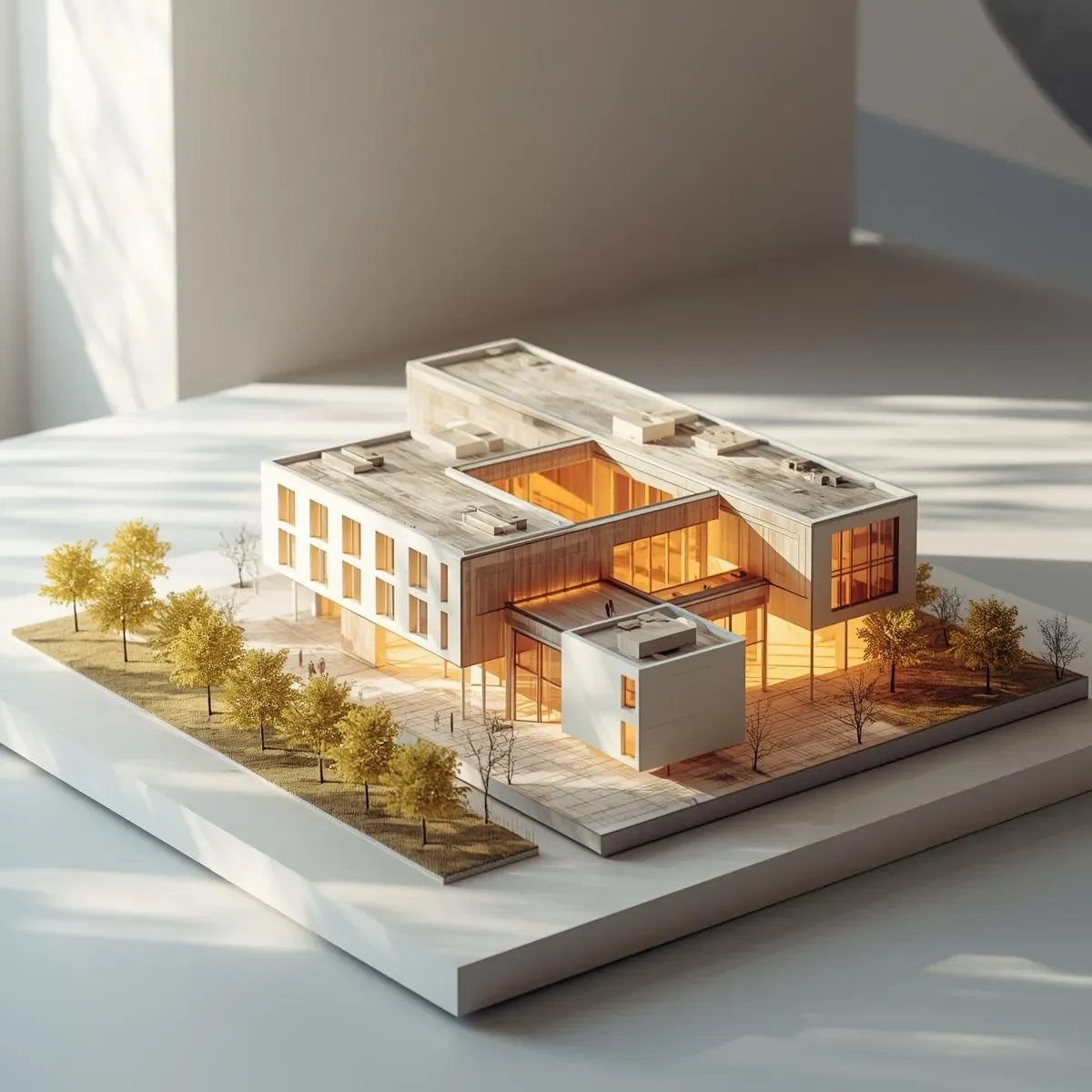
3D Model Space and Circulation Analysis: Seeing Traffic Flow, Dead Zones, and Visibility Before You Build
3D modelling reveals how people move through a home, where dead zones exist, and what each part of the space can see — Space Syntax and Circulation Analysis in 3D uncovers problems that 2D floor plans hide until residents are already living in them.
read ↗
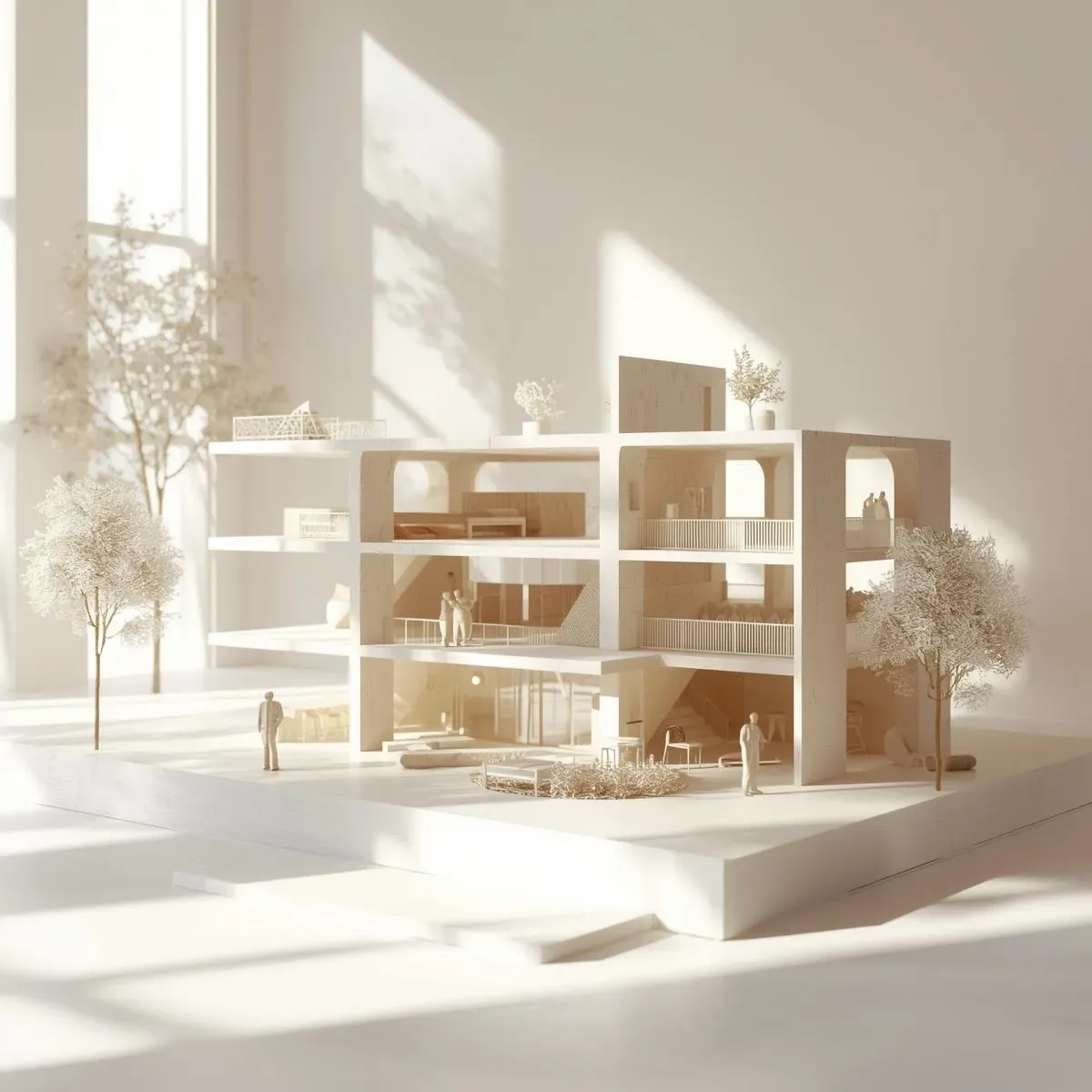
SmartInterior Adaptive Design: Spaces That Learn Occupant Patterns and Reconfigure Over Time
Adaptive SmartInterior combines physical reconfiguration (modular and motorized furniture) with digital learning (algorithms that recognise occupant routines) to create homes that respond to lifestyle changes across the full lifespan of the building.
read ↗