Journal
Notes from the studio.
Field reports, manifestos, and case studies — written for people who care how a home is made.
Home Assistant· 692Smart Home· 626HappySmart· 592IoT· 283PM2.5· 175ผู้สูงอายุ· 154Automation· 137Zigbee· 131บ้านอัจฉริยะ· 103home-automation· 102air-quality· 101Raspberry Pi· 100SmartInterior· 93energy-saving· 89mmwave-sensor· 86matter-1-4· 84Smart Longevity· 82homekit· 81homebridge· 80คุณภาพอากาศ· 76
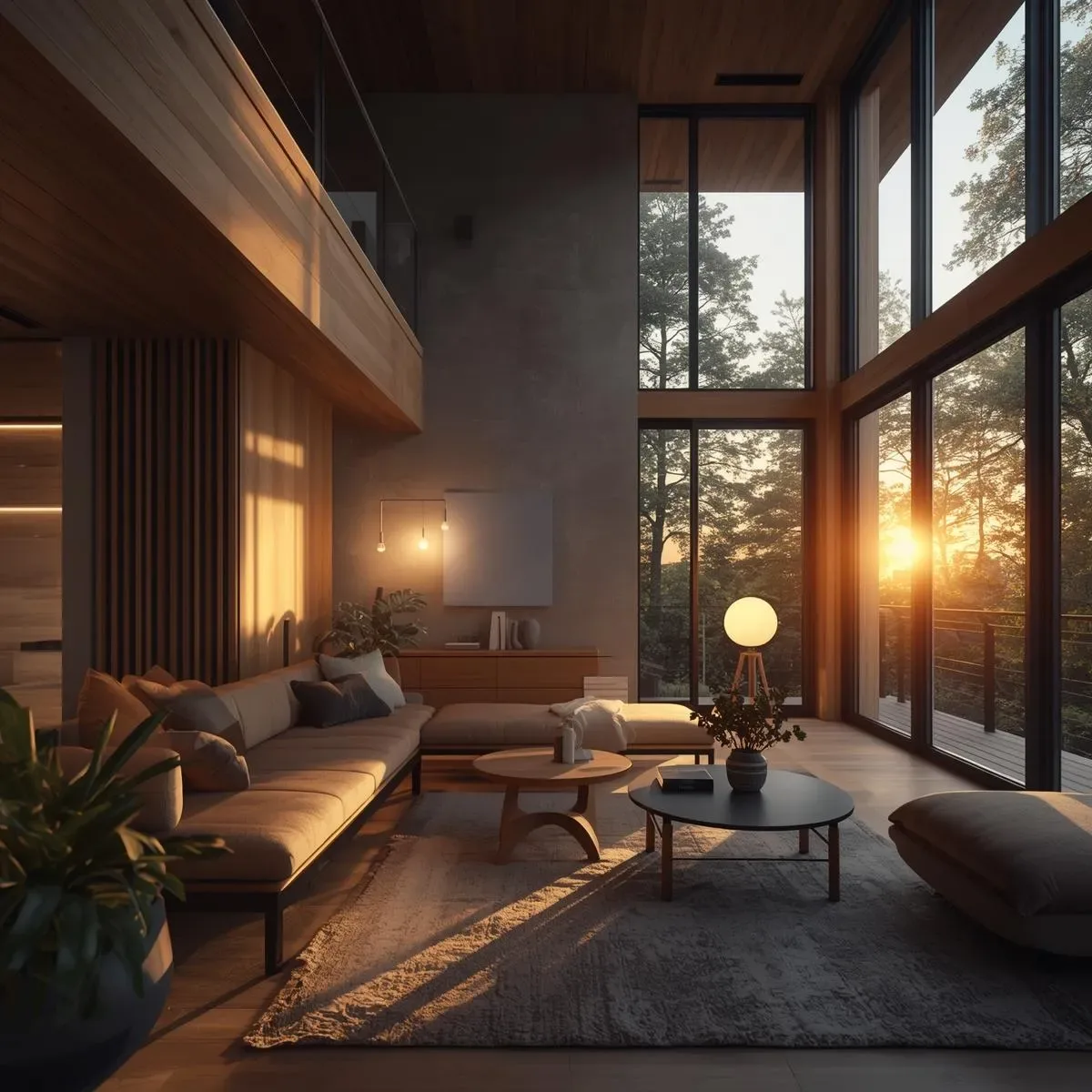
Smart Longevity Systemic IoT: Managing HVAC, Solar, Battery, and Appliances as One Integrated Energy Ecosystem
Systemic IoT energy management is not about controlling individual devices — it is about orchestrating HVAC, solar, battery, and appliances as one Energy Ecosystem to reduce electricity costs by THB 20,000–50,000 per year in a Smart Longevity home.
read ↗
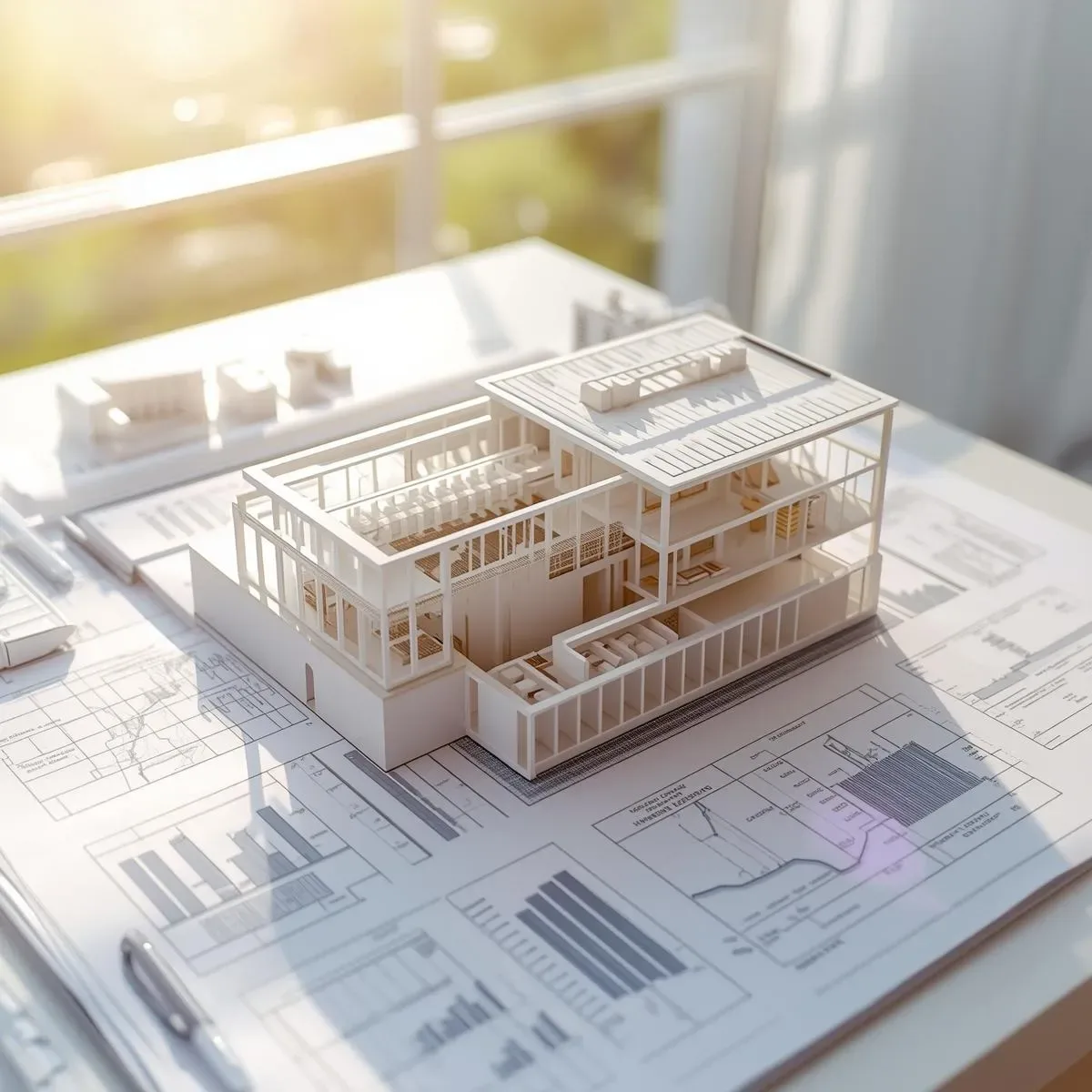
SmartInterior Post-Occupancy Feedback: Using 6–12 Month Living Data to Optimize What the Design Intended
Great SmartInterior does not stop on the day the design is completed — it includes a Post-Occupancy Evaluation process using real data from the first 6–12 months of living, to optimize Smart systems and space use to align more closely with actual life.
read ↗
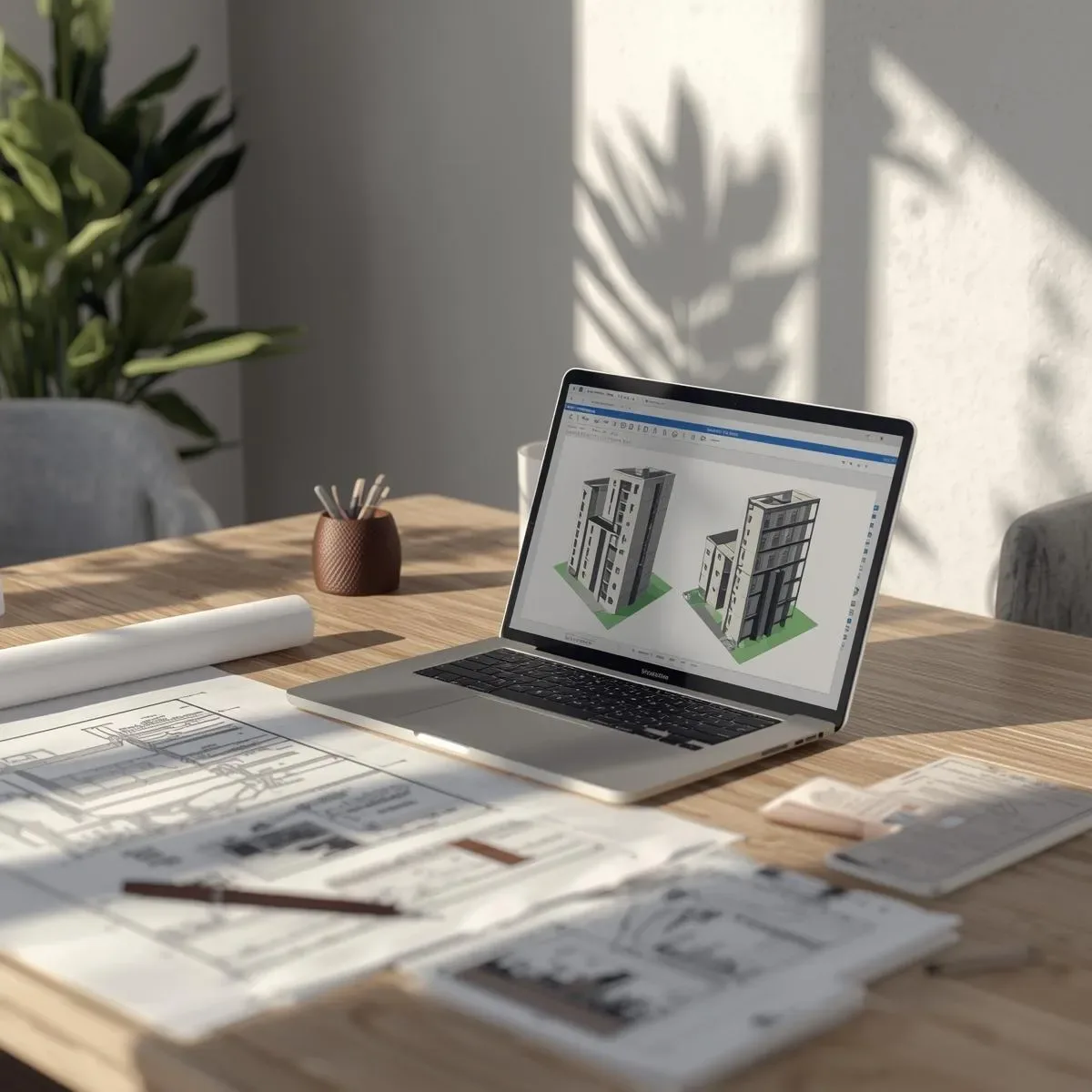
ROI of 3D Visualization: Cost vs. Savings from Error Prevention, Client Satisfaction, and When the Investment Pays Off
3D visualisation is a risk-reduction tool, not a luxury add-on. A THB 5M project averages THB 150,000–400,000 in change orders; a THB 50,000 3D investment that halves that figure delivers a net saving of THB 75,000–200,000 while reducing design revision cycles from four to six rounds down to one or two.
read ↗
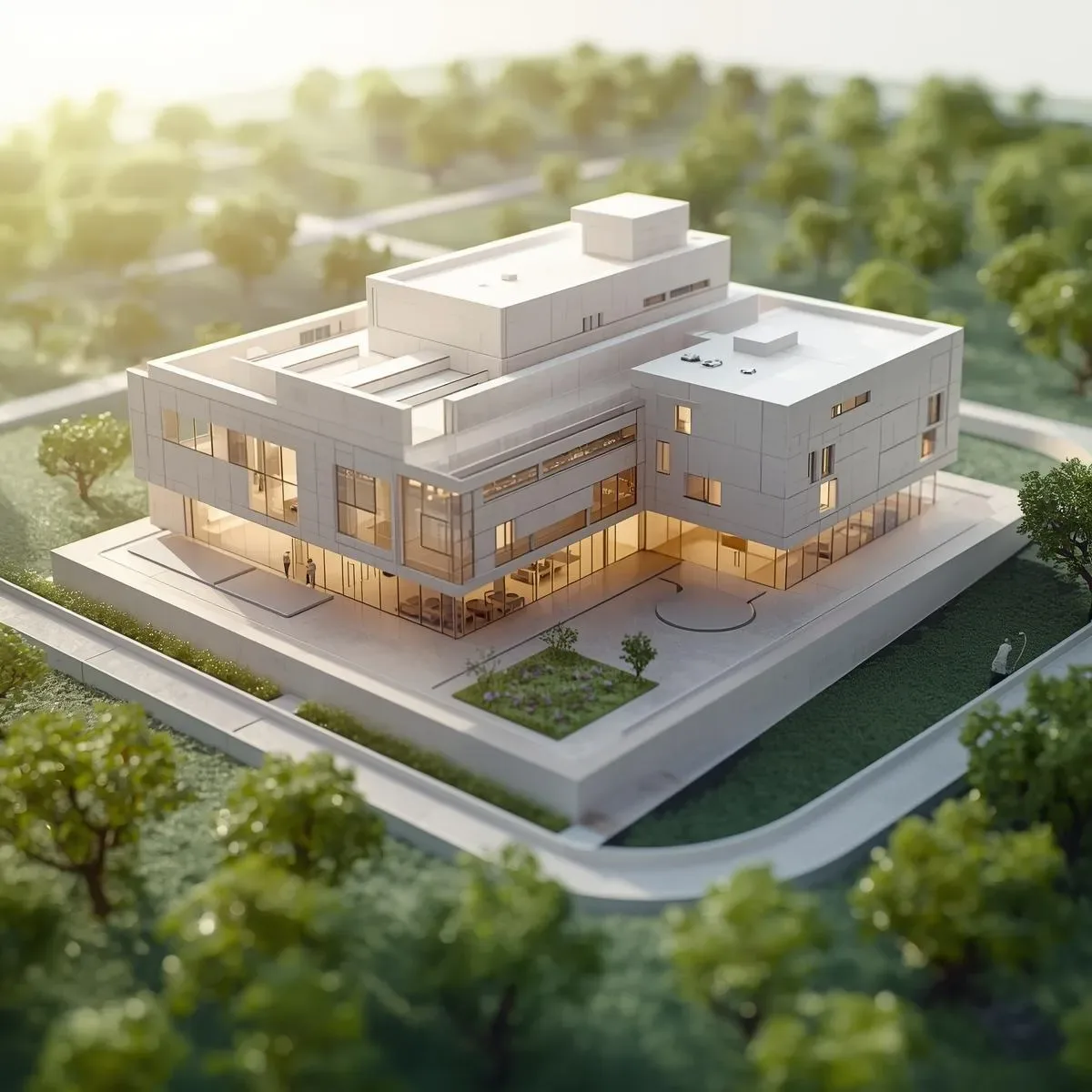
SmartInterior Multi-Generational Home Design: Thai Extended Families, Shared Spaces, and Independent Living Zones
Thai multi-generational homes housing grandparents, parents, and children under one roof require careful zone planning, age-adaptive design, and SmartInterior systems that serve each generation differently — from physical wall panels for elderly residents to app-based control for parents.
read ↗
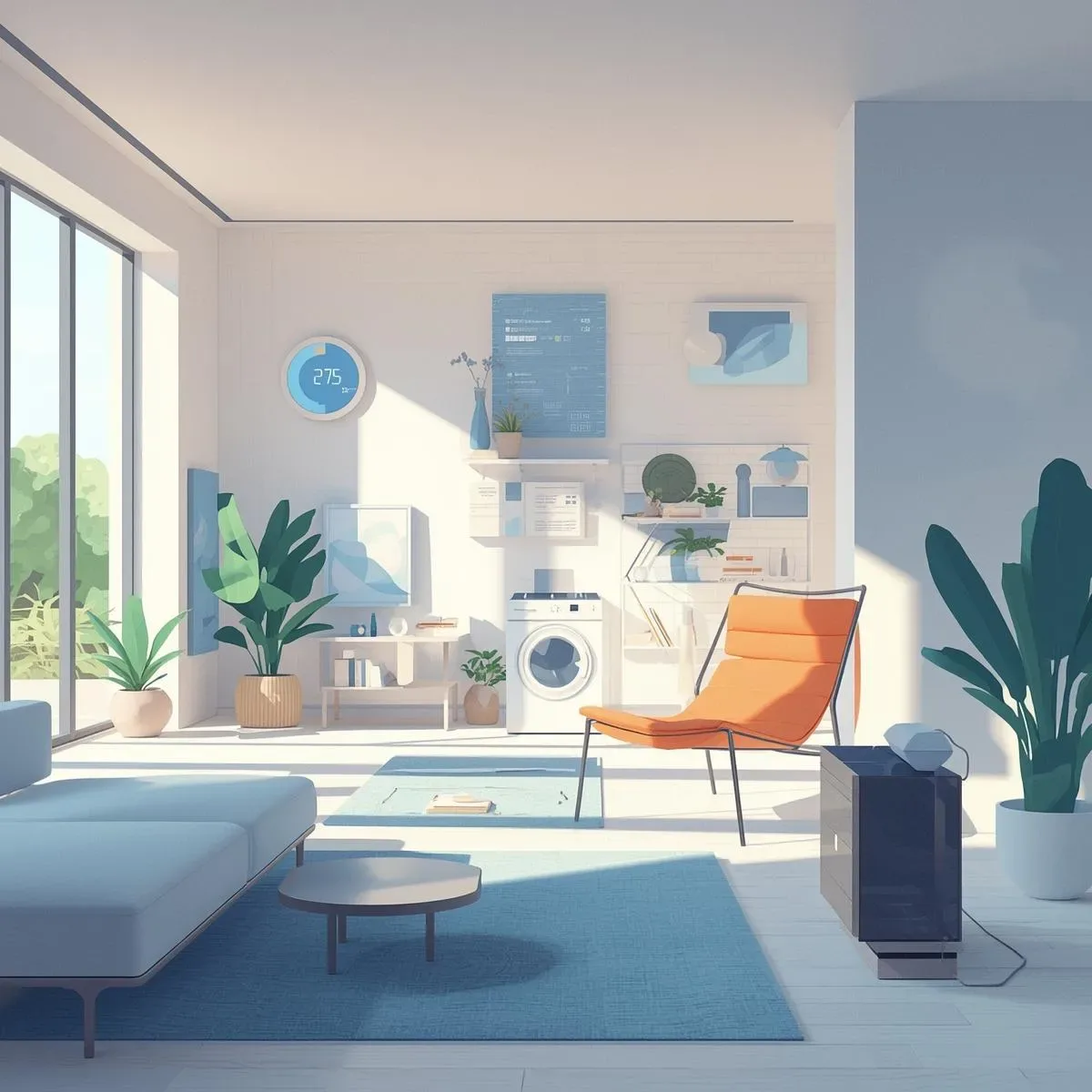
Smart Longevity Demand Response: Thailand TOU Load Shifting, Solar Feed-in Tariff Optimization, and Grid Interaction
Demand response in a Smart Longevity home means aligning electricity consumption with MEA/PEA TOU tariff windows to save 20–35% on energy bills — combining automated load shifting, solar feed-in tariff optimisation, and EGAT grid interaction programmes.
read ↗

MEP Coordination in 3D BIM: Routing Mechanical, Electrical, and Plumbing to Eliminate Conflicts and Reduce Change Orders
MEP coordination in 3D BIM routes mechanical, electrical, and plumbing systems through a shared digital model so clashes are found and resolved before construction begins — reducing change orders by 30–50% and saving hundreds of thousands of baht per project.
read ↗
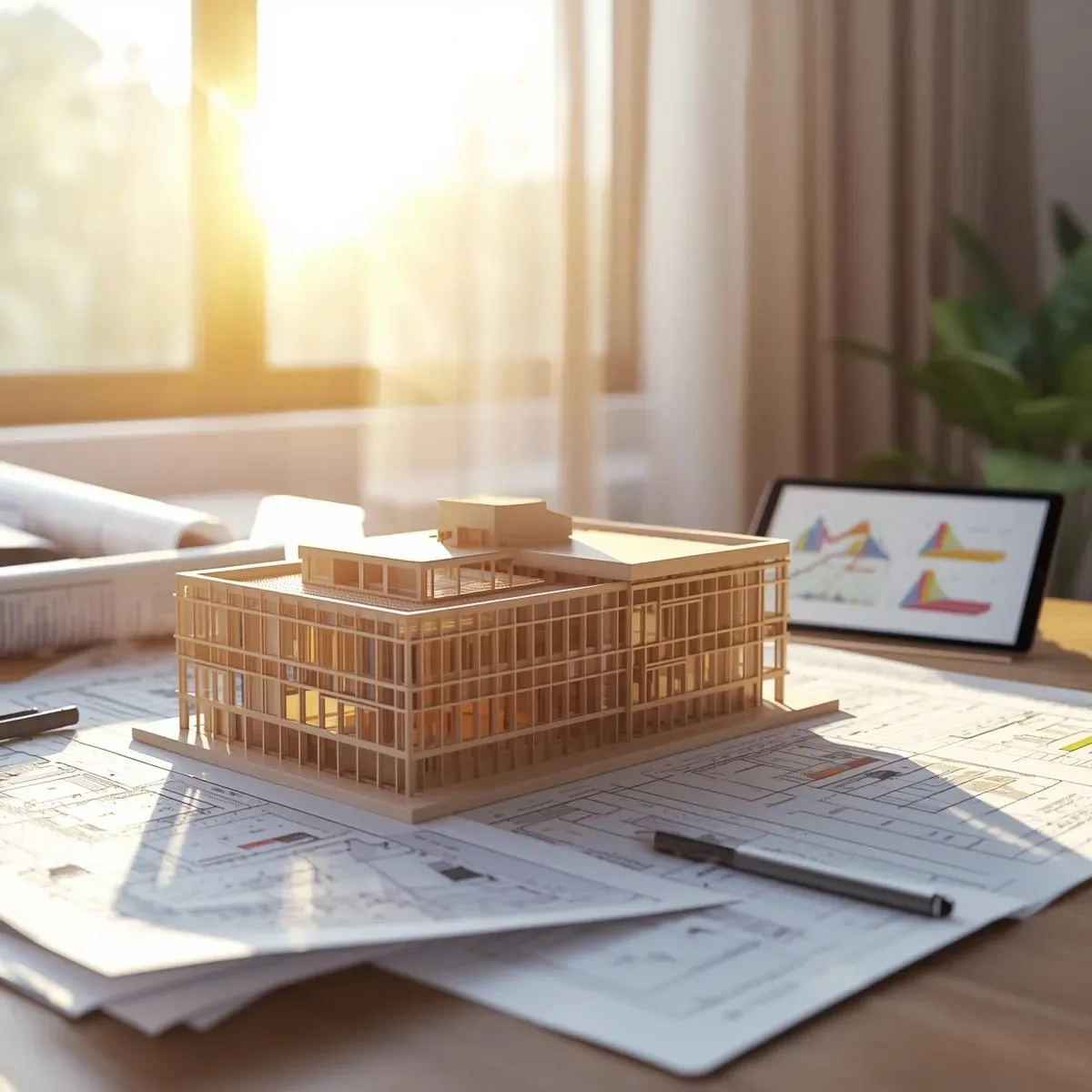
SmartInterior Context-Aware Automation: Auto-Adjusting Spaces for Lighting, Temperature, and AV
Context-aware automation reads weather conditions, time of day, occupancy state, and activity type simultaneously to adjust lighting, temperature, and AV settings without manual input — the foundation of a genuinely intelligent SmartInterior.
read ↗
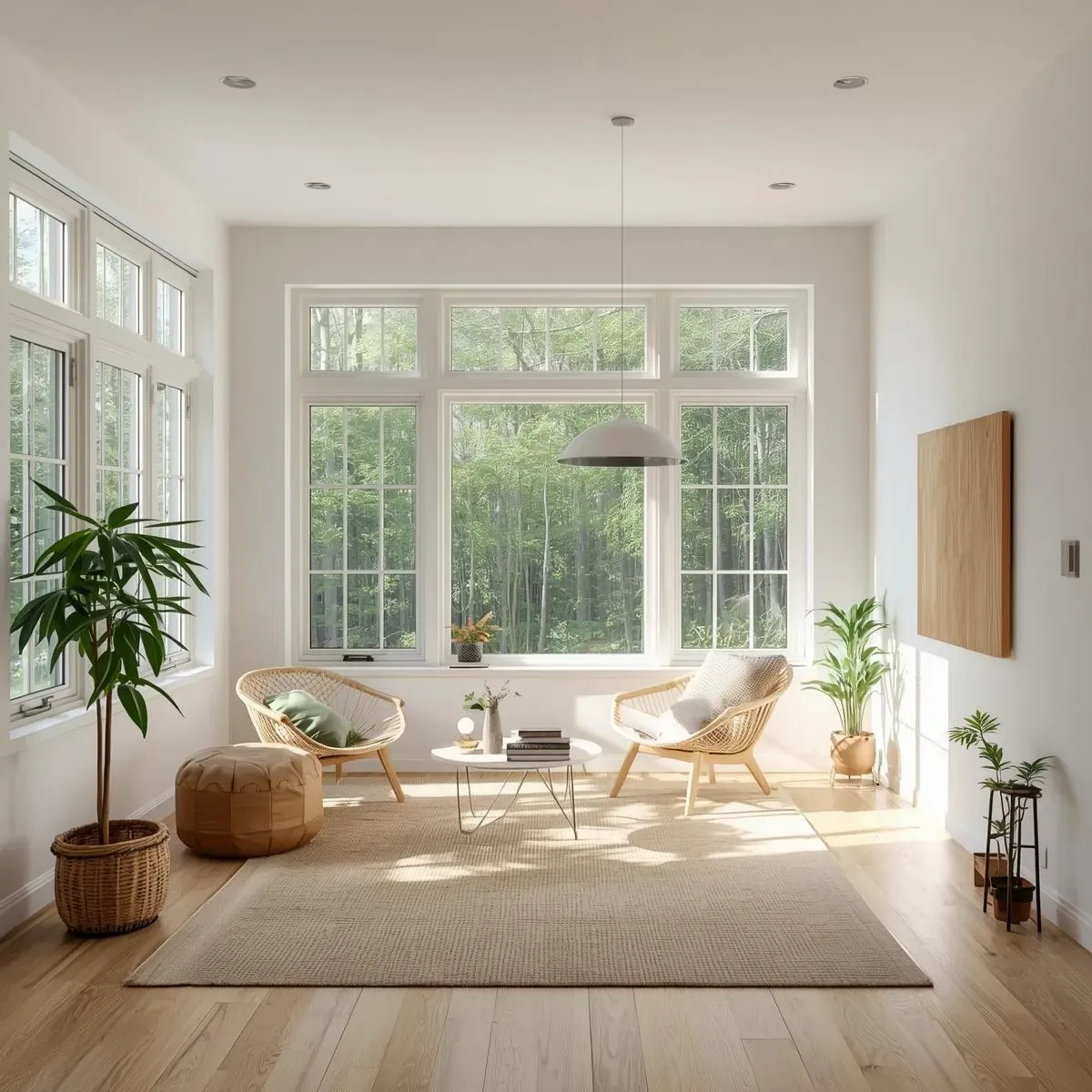
Smart Longevity IoT Lifecycle Planning: Component Replacement Schedules and Technology Refresh for 25-Year Homes
IoT components have different lifespans. Smart Longevity planning includes advance Replacement Schedules and Technology Refresh cycles — so the home grows smarter over time rather than degrading as devices become obsolete.
read ↗
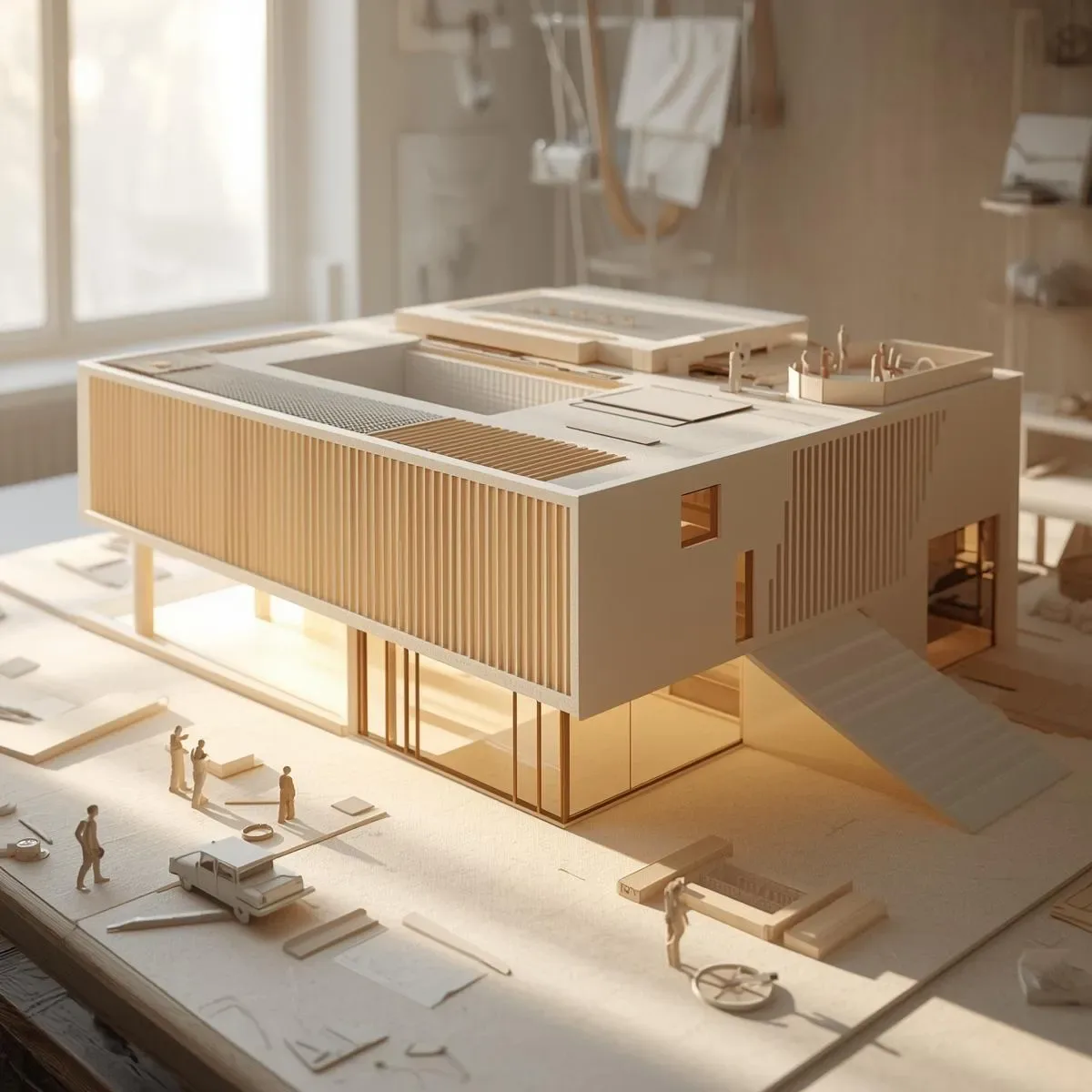
3D Model for Inclusive Home Design: Simulating Wheelchair Access, Age-Adaptive Clearances, and Universal Design
3D Models enable Inclusive home design that works for all ages and abilities — simulating Wheelchair Turning Radius, checking Door Width compliance, positioning Grab Rails correctly, and designing Lighting adequate for low-vision occupants.
read ↗

Smart Longevity System Commissioning: Sensor Placement, Hub Setup, and First 30-Day Optimization Protocol
Proper Smart Longevity system Commissioning in the first 30 days determines long-term performance — from correct Sensor placement to Hub configuration, Baseline establishment, and week-by-week system Optimization based on real feedback.
read ↗
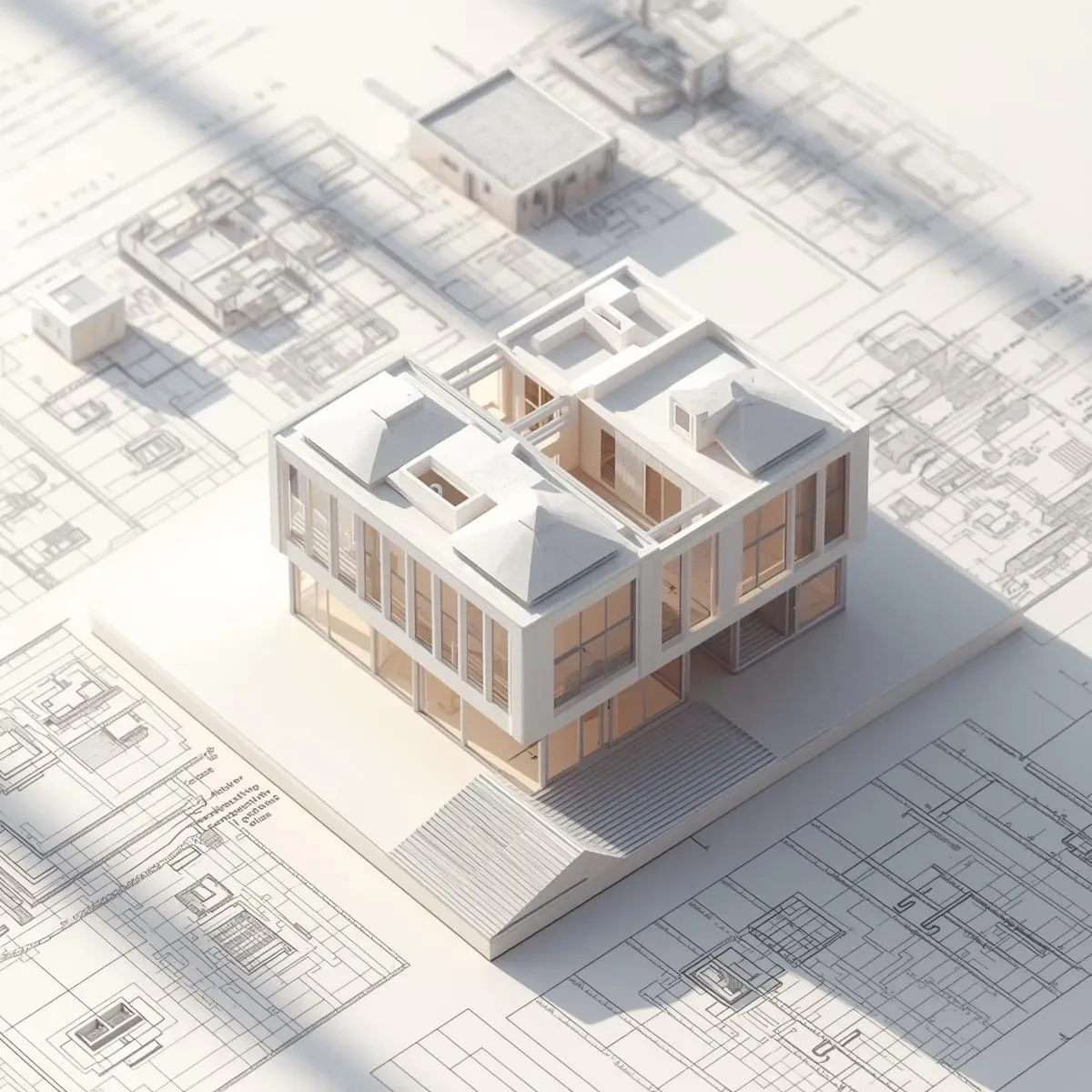
3D Model Constructability Review: Anticipating Construction-Phase Problems in Sequence, Access, and Temporary Works
Constructability Review using 3D Models uncovers problems that will occur during construction before drawings are issued — including concrete pour sequence, crane access, Temporary Works requirements, and insufficient site access routes.
read ↗

SmartInterior Deep Residential Design: Integrating Function and Comfort from the First Prototype, Not as Afterthoughts
SmartInterior Deep Residential Design integrates Function and Comfort together from the first prototype — not designing form first and fitting function in later — using an Integrated Design Brief that unifies Ergonomics, Thermal Comfort, Acoustic Comfort, and Smart Systems.
read ↗
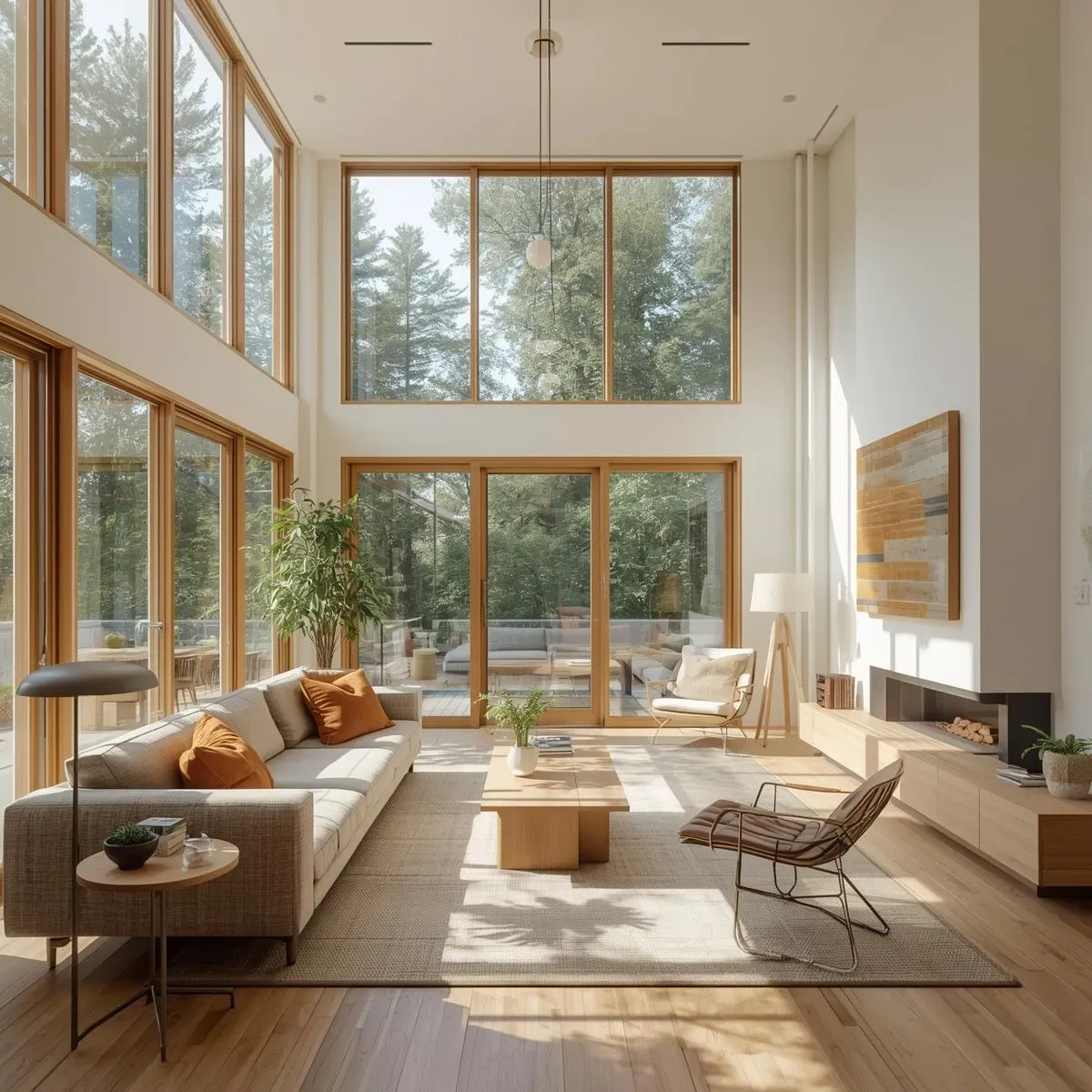
Smart Longevity Energy Discipline: Sustainable Habits, Automation, and Household Governance for Long-Term Performance
Long-term Smart Longevity success depends on three pillars: Habit Stacks that embed energy-saving behaviors into daily routines, Automation that handles what people forget, and Household Governance that ensures everyone understands and participates.
read ↗
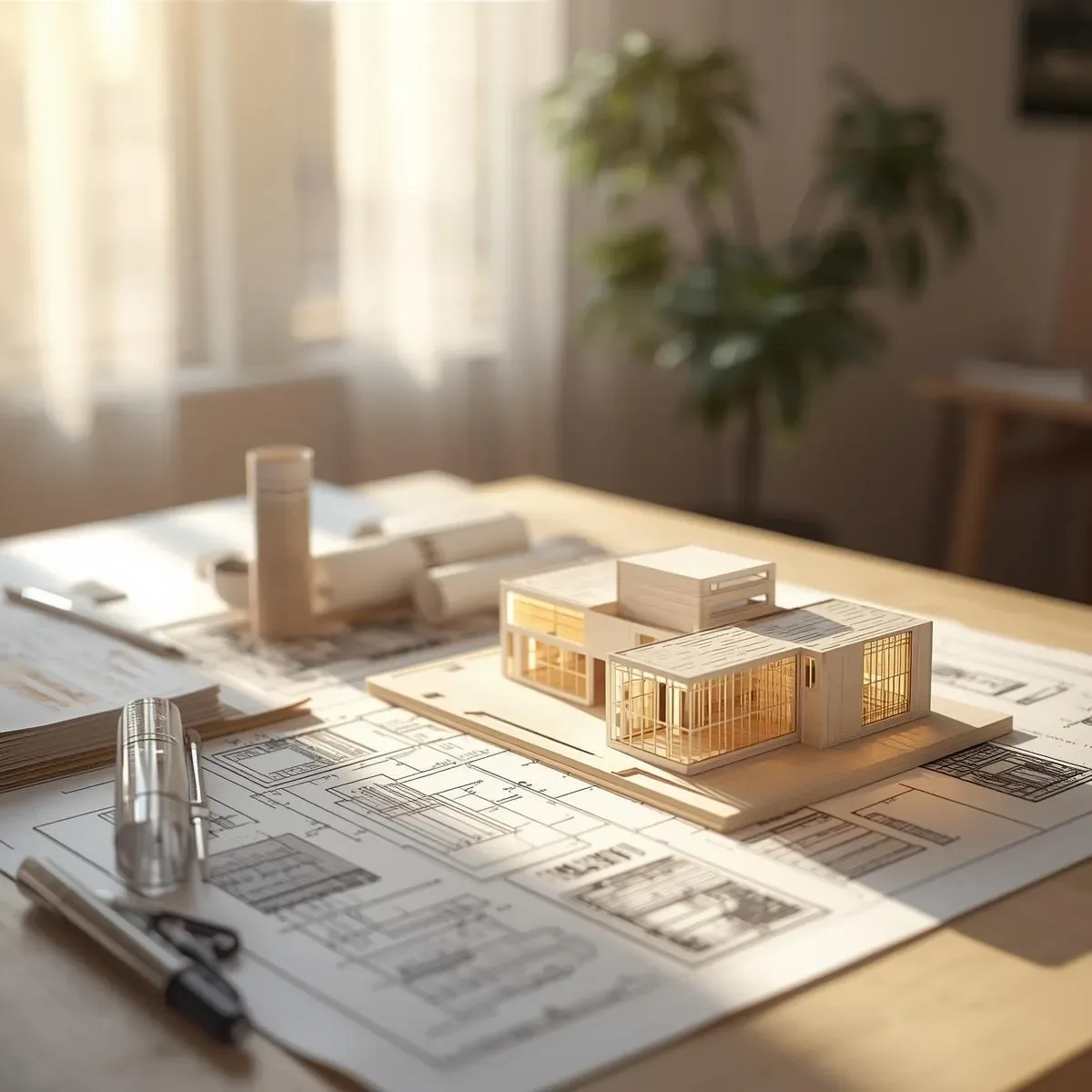
3D Model Construction Cost Analysis: BIM Quantities, Value Engineering, and Budget Decisions Before Breaking Ground
3D Models enable advance construction cost analysis through BIM Quantities that auto-generate a preliminary BOQ, support Value Engineering to reduce costs without sacrificing quality, and inform Budget Trade-off decisions before a single concrete pour.
read ↗
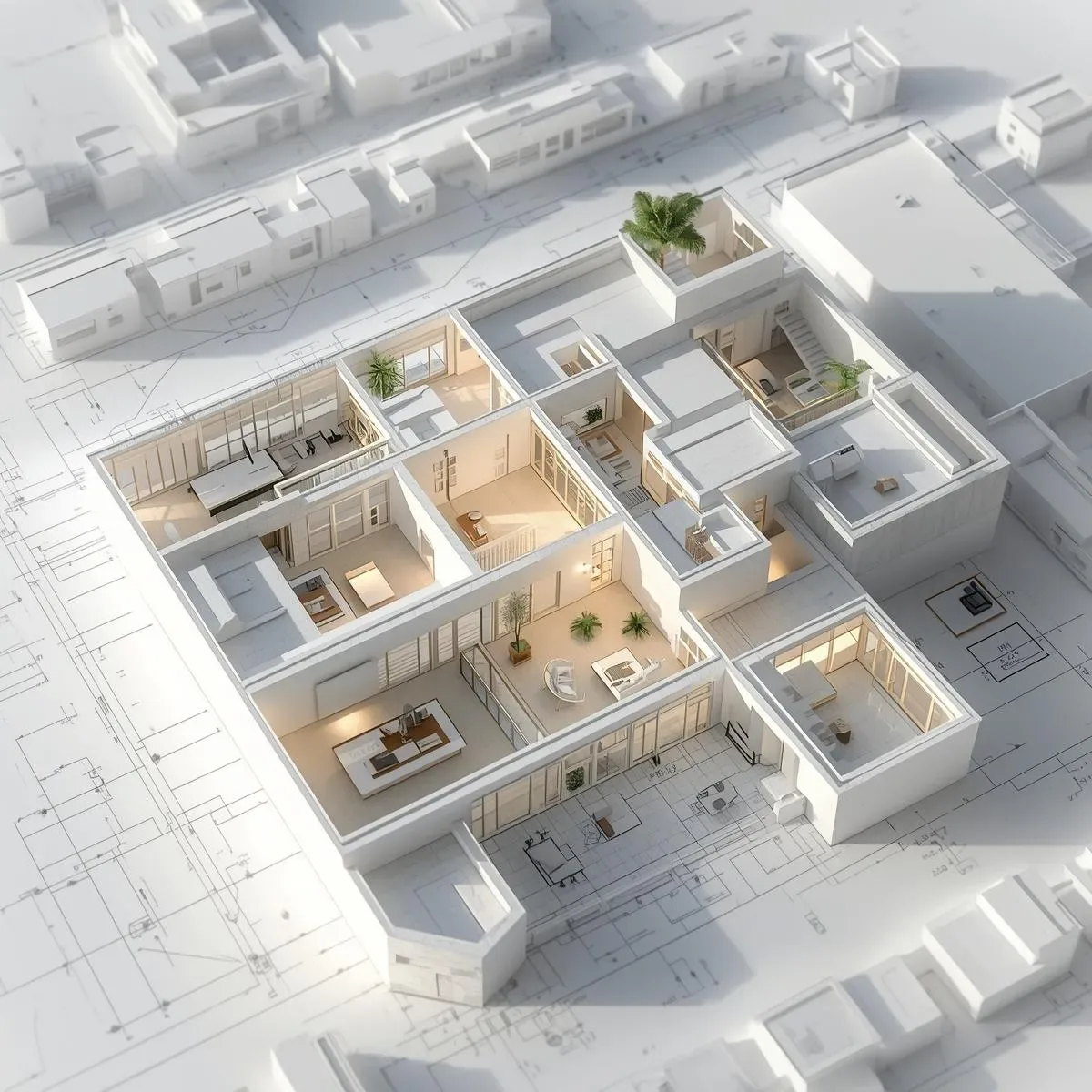
SmartInterior Strategic Space Allocation: Zone Planning and Space Hierarchy for Decades of Optimal Use
Strategic SmartInterior plans space with clear Public, Semi-Private, and Private Zoning combined with Space Hierarchy — determining which zones receive the most resources — so the home performs optimally for decades.
read ↗
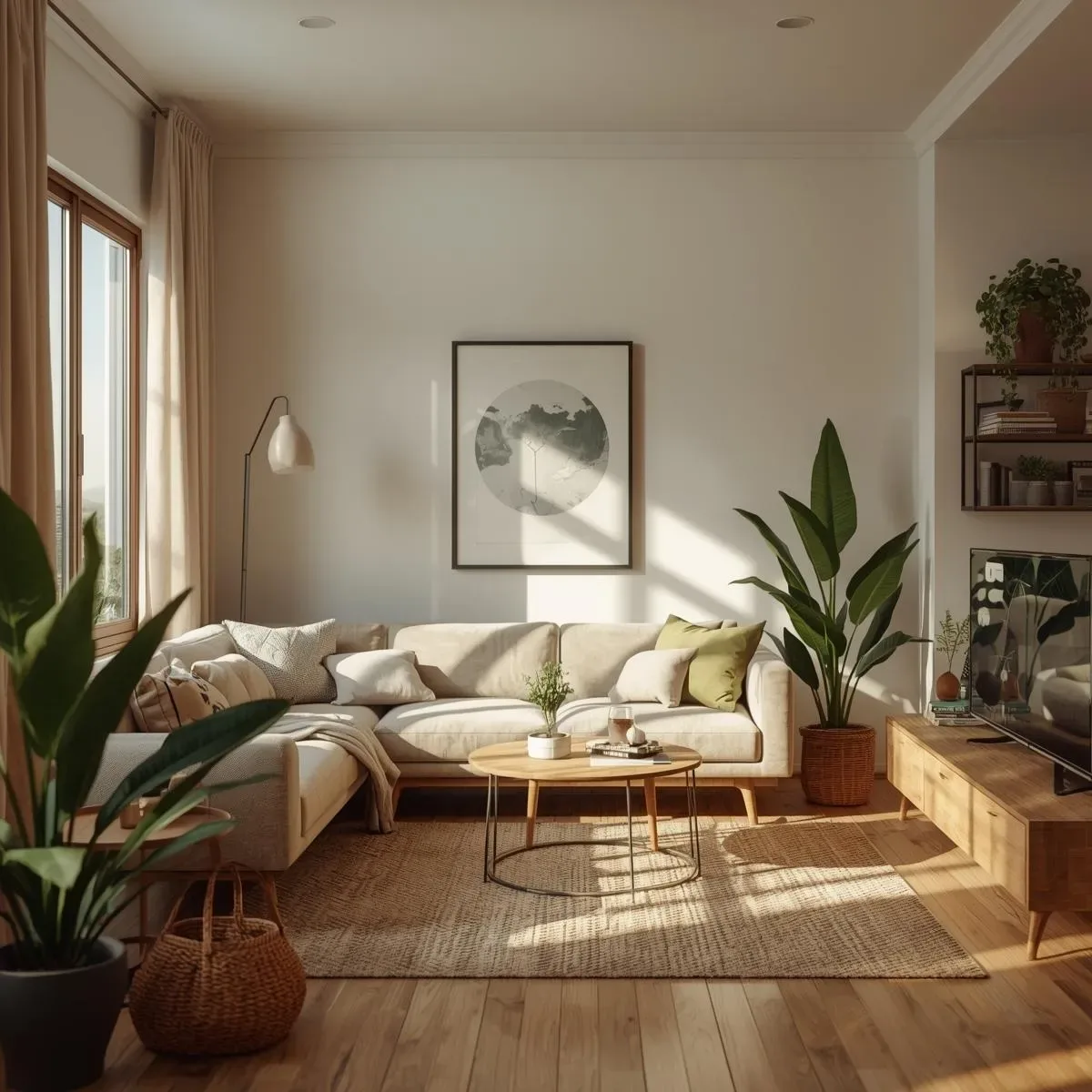
Smart Longevity Whole-Home IoT Architecture: Building Energy Intelligence That Works Together for the Life of the Home
Deploying whole-home IoT for Smart Longevity requires a System Architecture where all layers work together — Sensing, Control, Optimization, and Learning — so the home’s energy intelligence compounds over time.
read ↗
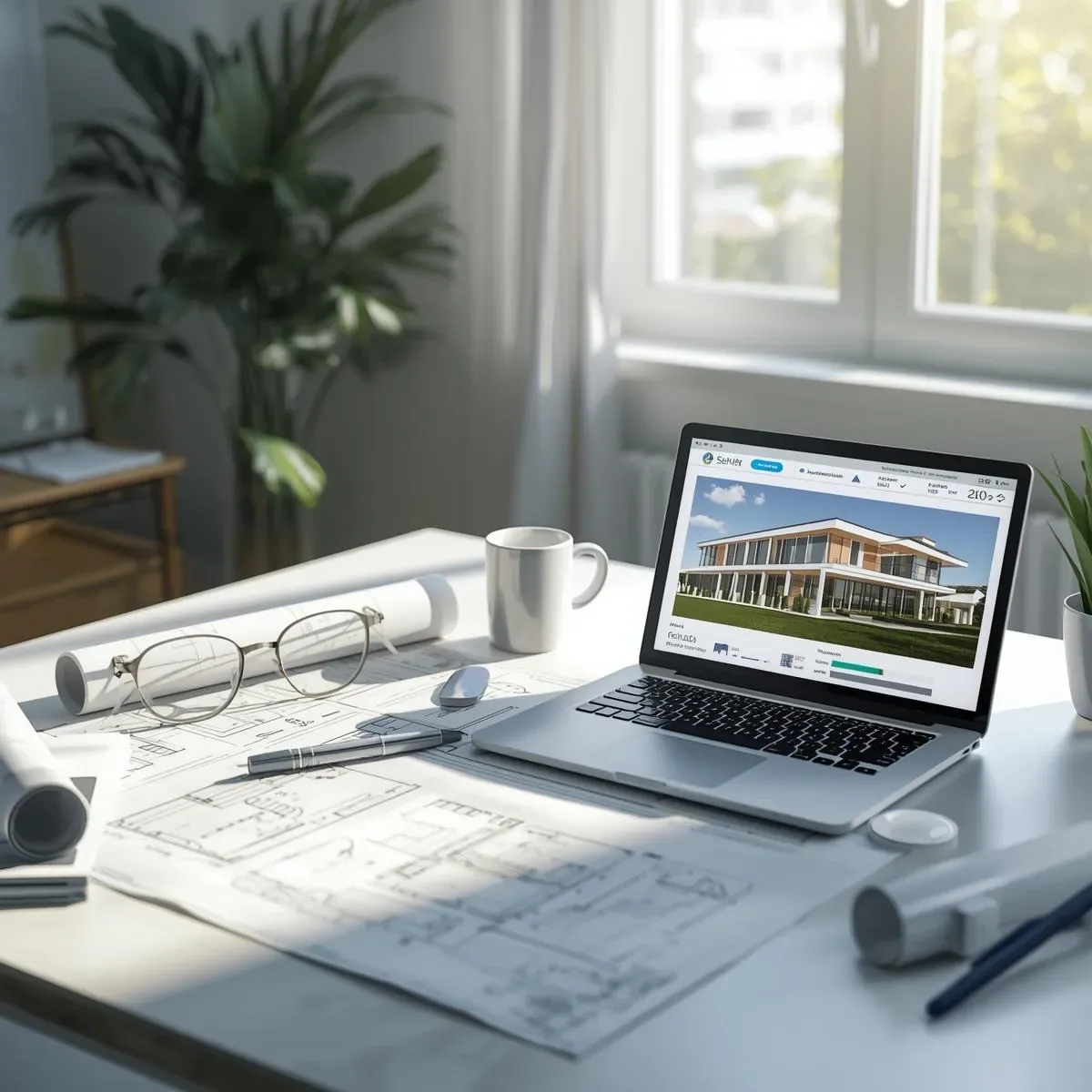
3D Model Home Use Simulation: Testing Morning Rush, WFH Focus, and Guest Scenarios Before the First Brick Is Laid
3D Models are not just for seeing how beautiful a home will look — they simulate real living scenarios: a 4-person Morning Rush, a WFH Focus session, or a 10-guest dinner party, uncovering spatial conflicts before any construction begins.
read ↗

SmartInterior Behavior-First Design: Starting from Daily Routines, Circadian Rhythms, and Life Habits Before Style
SmartInterior Behavior-First Design analyzes Circadian Rhythms, Daily Routines, and lifestyle habits before making any Style or Aesthetic decisions — because spaces that respond to actual behavior deliver far greater long-term satisfaction than beautiful but non-functional spaces.
read ↗
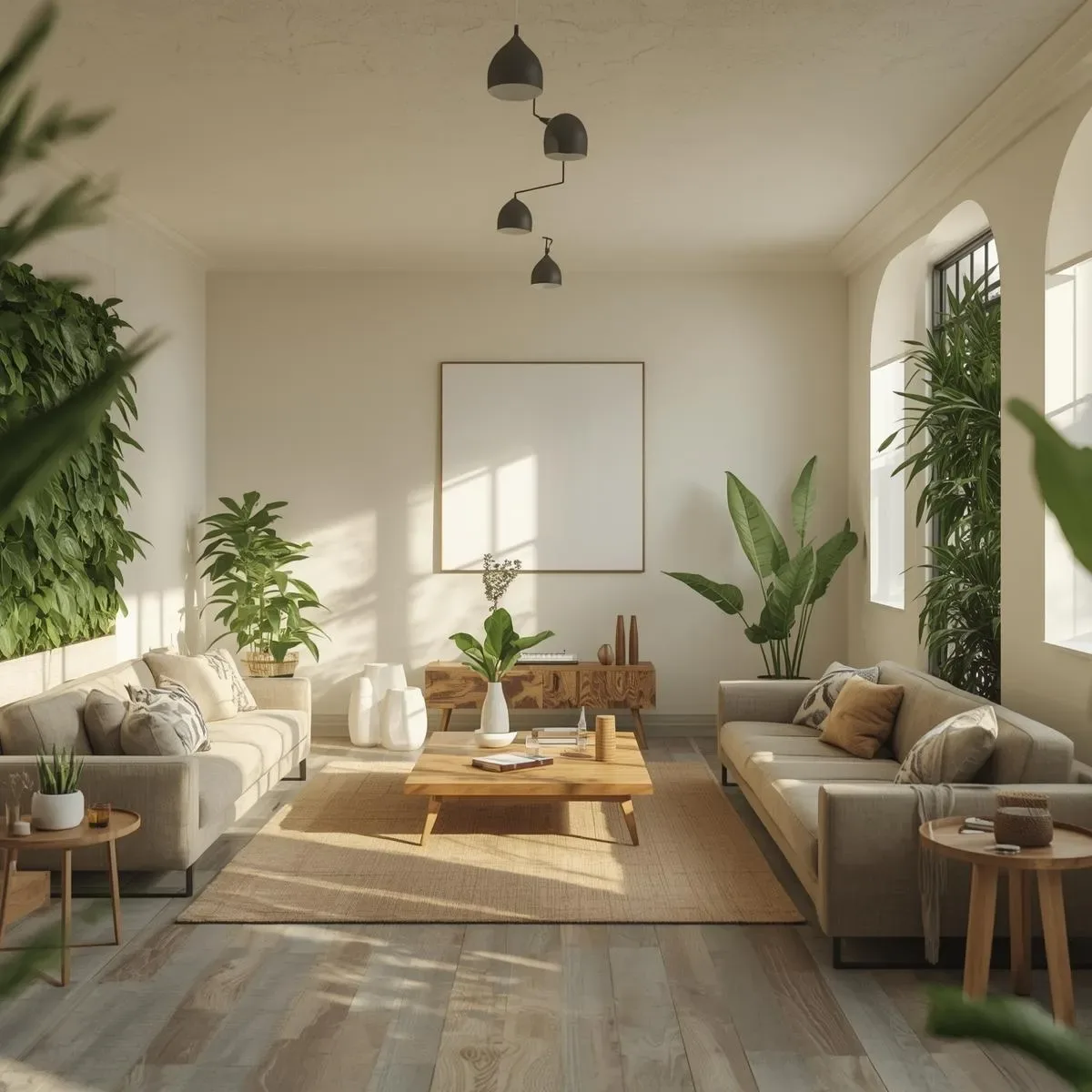
Smart Longevity Behavioral IoT: How Occupancy Patterns Make Monthly Energy Costs Predictable and Budget-Plannable
Behavioral IoT in Smart Longevity learns each household member’s actual lifestyle patterns and converts that data into monthly energy cost predictions accurate to ±6% — turning electricity bills into a plannable Budget Line like rent or mortgage payments.
read ↗
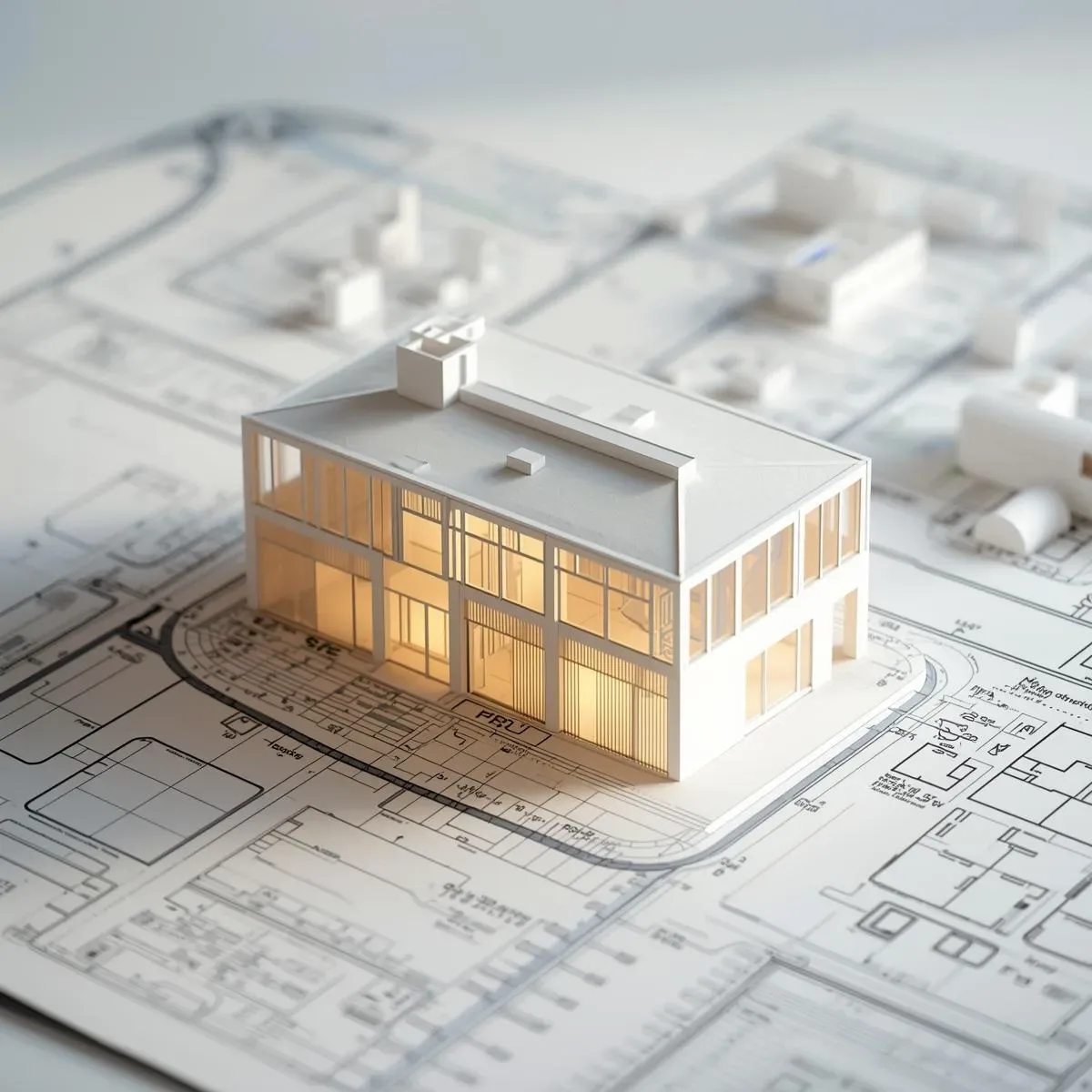
3D Model for Spatial Comprehension: Visualizing Ceiling Height, Daylight, and View Corridors Before Breaking Ground
The most important spatial qualities in a home — ceiling height perception, natural light flow by time of day, and what you actually see from the sofa — are qualities 2D plans cannot communicate, but 3D Models reveal with precision.
read ↗
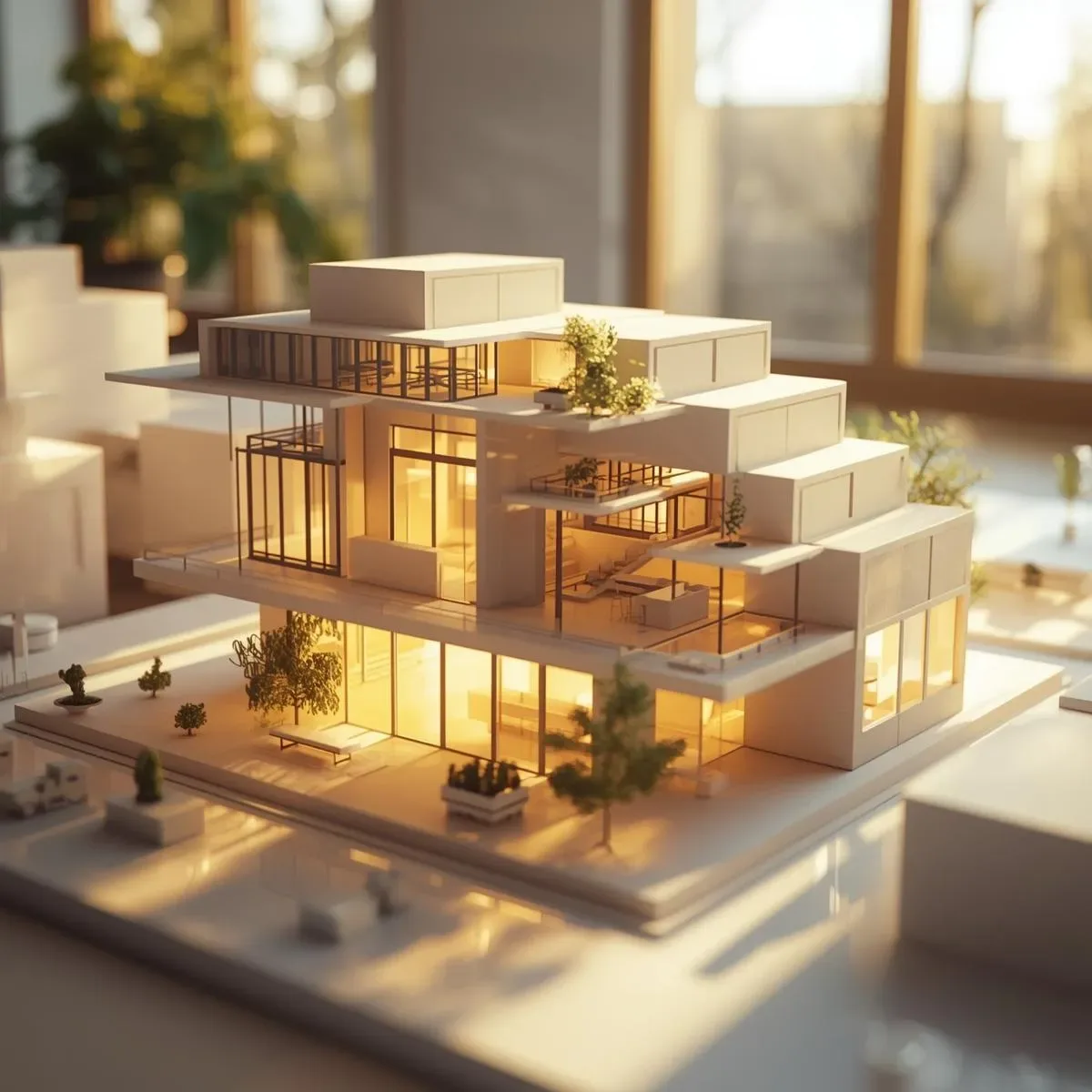
SmartInterior User Data-Driven Design: Using Pre-Design Behavioral Research to Create Spaces That Truly Fit Real Life
SmartInterior that truly fits real life starts with pre-design behavioral data collection — Activity Pattern Mapping, Daily Routine Analysis, and Space Utilization Audits create a Design Brief grounded in evidence, not assumptions.
read ↗
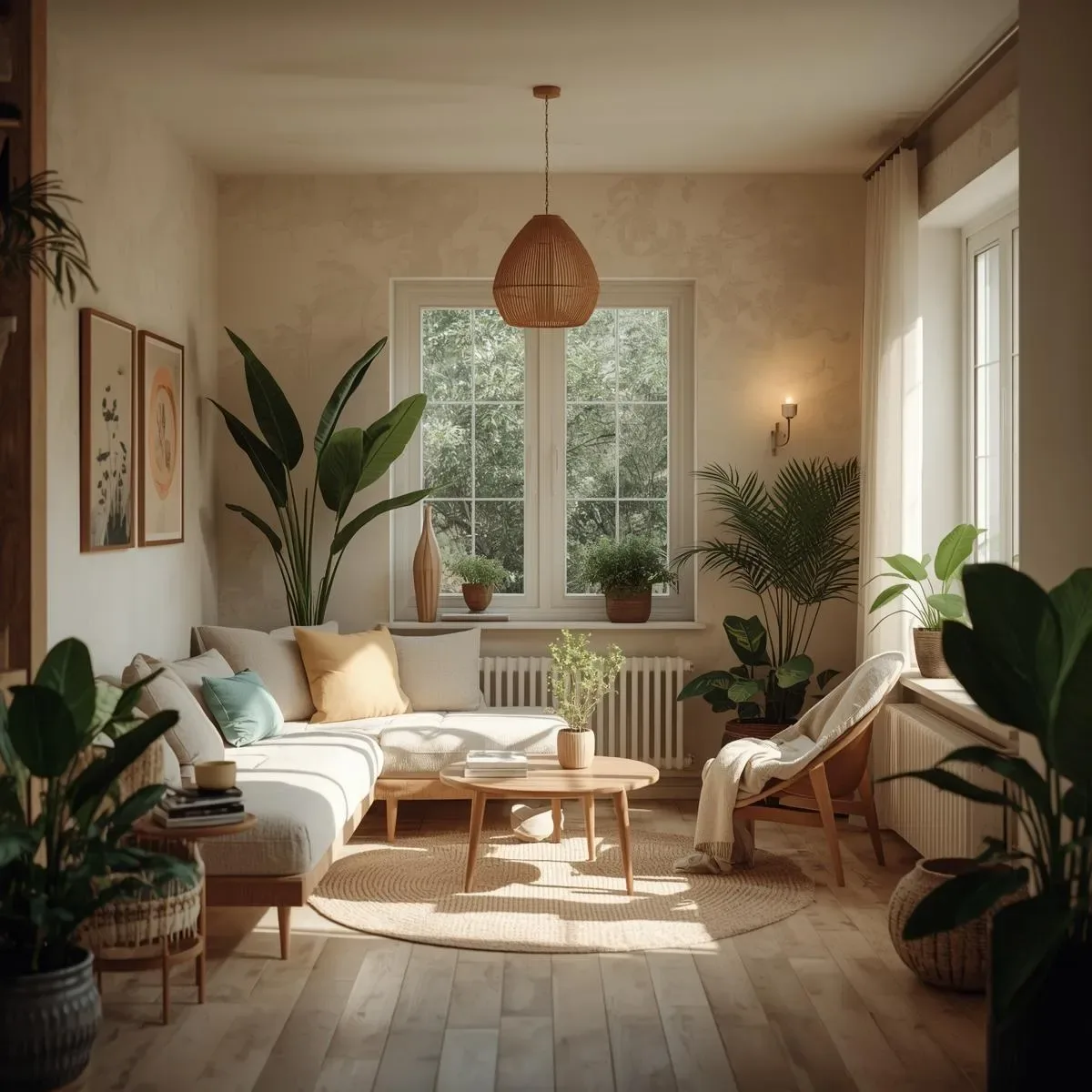
Smart Longevity Lifetime Cost Control: Real-Time Energy Budget Enforcement and Preventing Energy Creep
Energy Creep is the gradual, unnoticed increase in electricity bills over time. Smart Longevity Continuous Cost Control uses Real-Time Budget Monitoring, Monthly Auto-Adjustment, and LINE OA Alerts to detect and stop Energy Creep before it compounds into significant cost.
read ↗
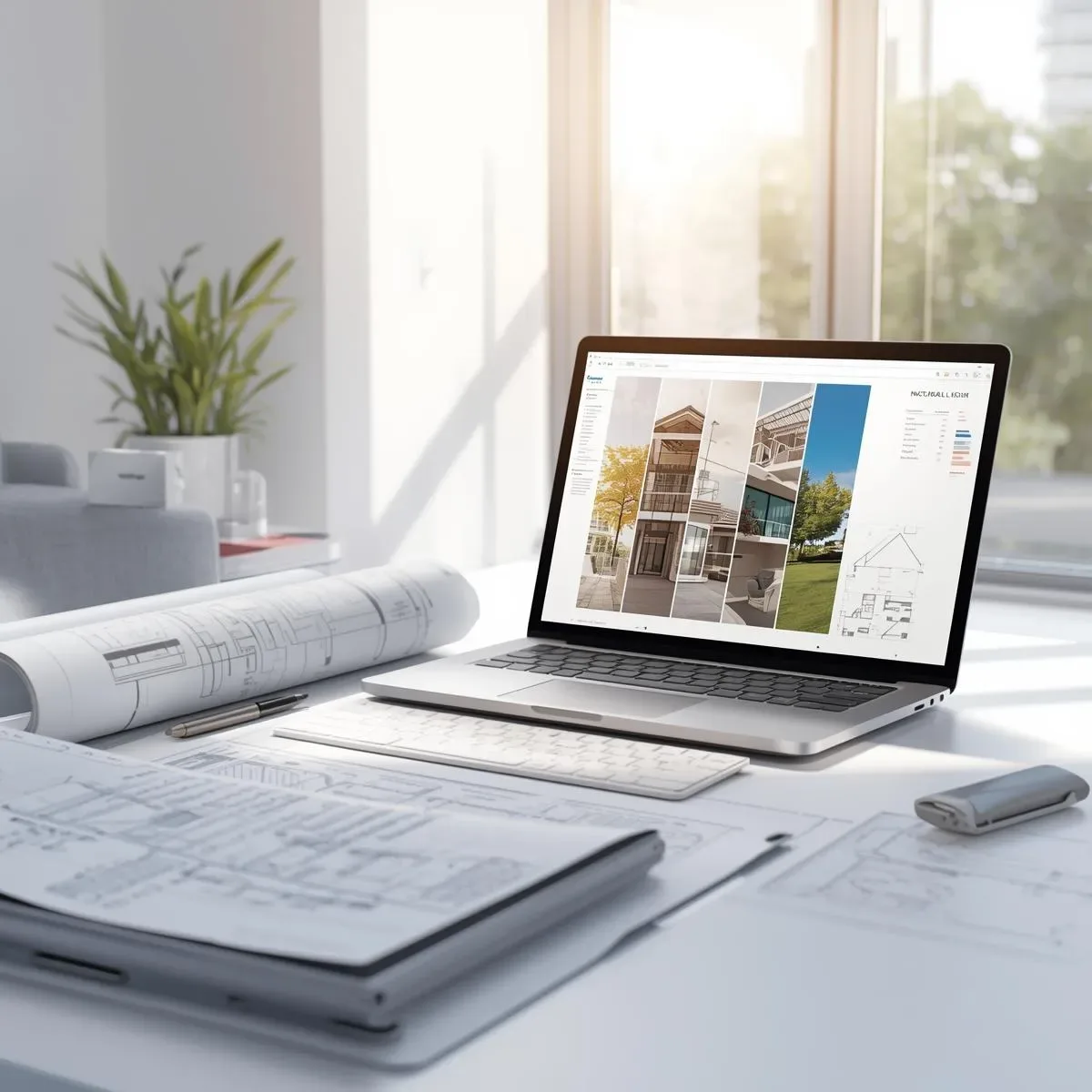
3D Model as Decision Accelerator: Reducing Design Approval Cycles and Change Orders with Clear 3D Visuals
3D Model is not just attractive imagery — it is a Decision Accelerator that reduces design approval rounds from 3–5 down to 1–2, cuts Change Orders by 60–70%, and shortens overall Design Phase duration by 30–40% because all parties share the same visual.
read ↗
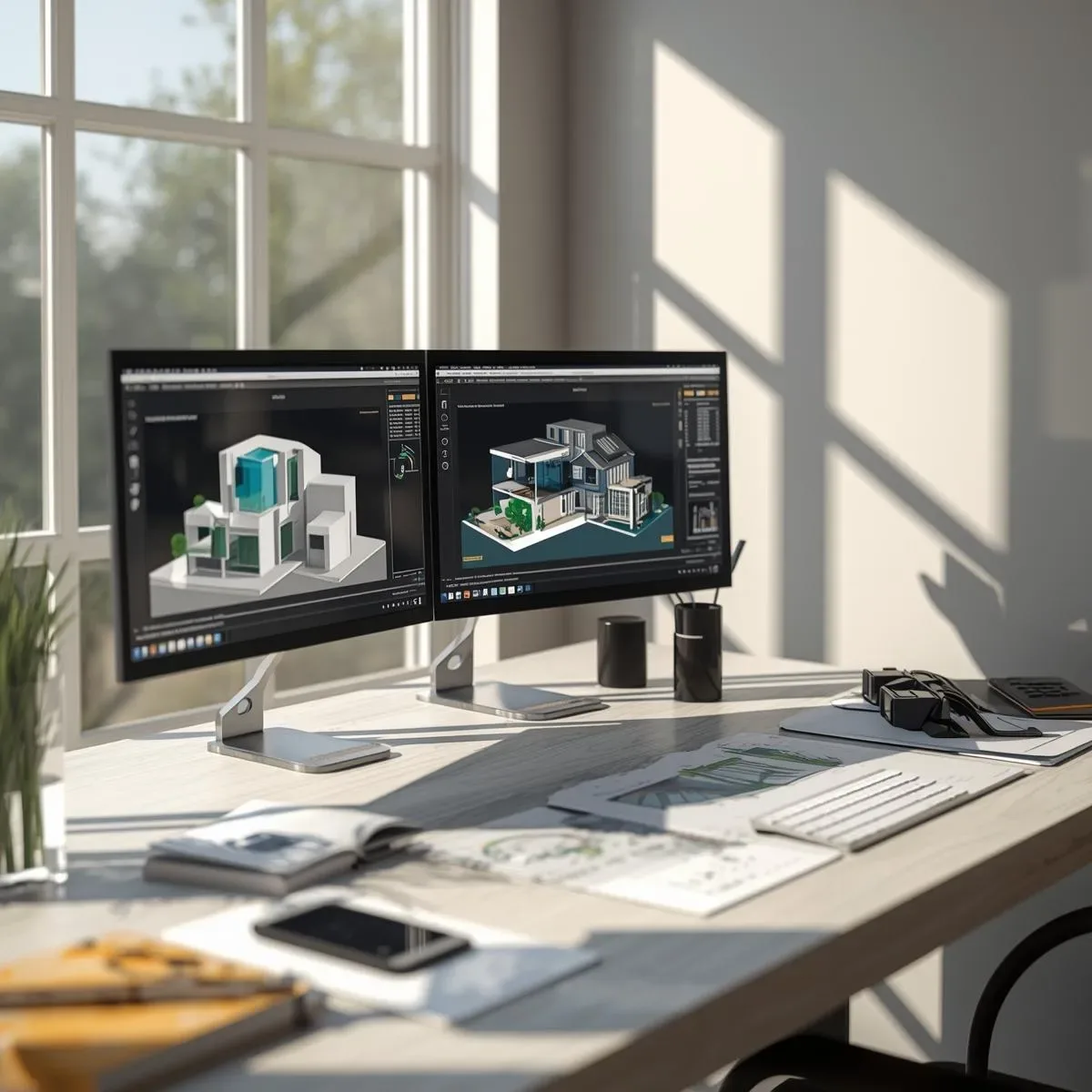
Behavior-Adaptive SmartInterior: AI Systems That Learn Behavior and Self-Adjust Without Reprogramming
Modern SmartInterior uses Adaptive AI to learn real occupant behavior patterns and automatically adjust lighting, temperature, and all systems — without reprogramming every time life changes. The longer occupants live there, the more the system understands them.
read ↗