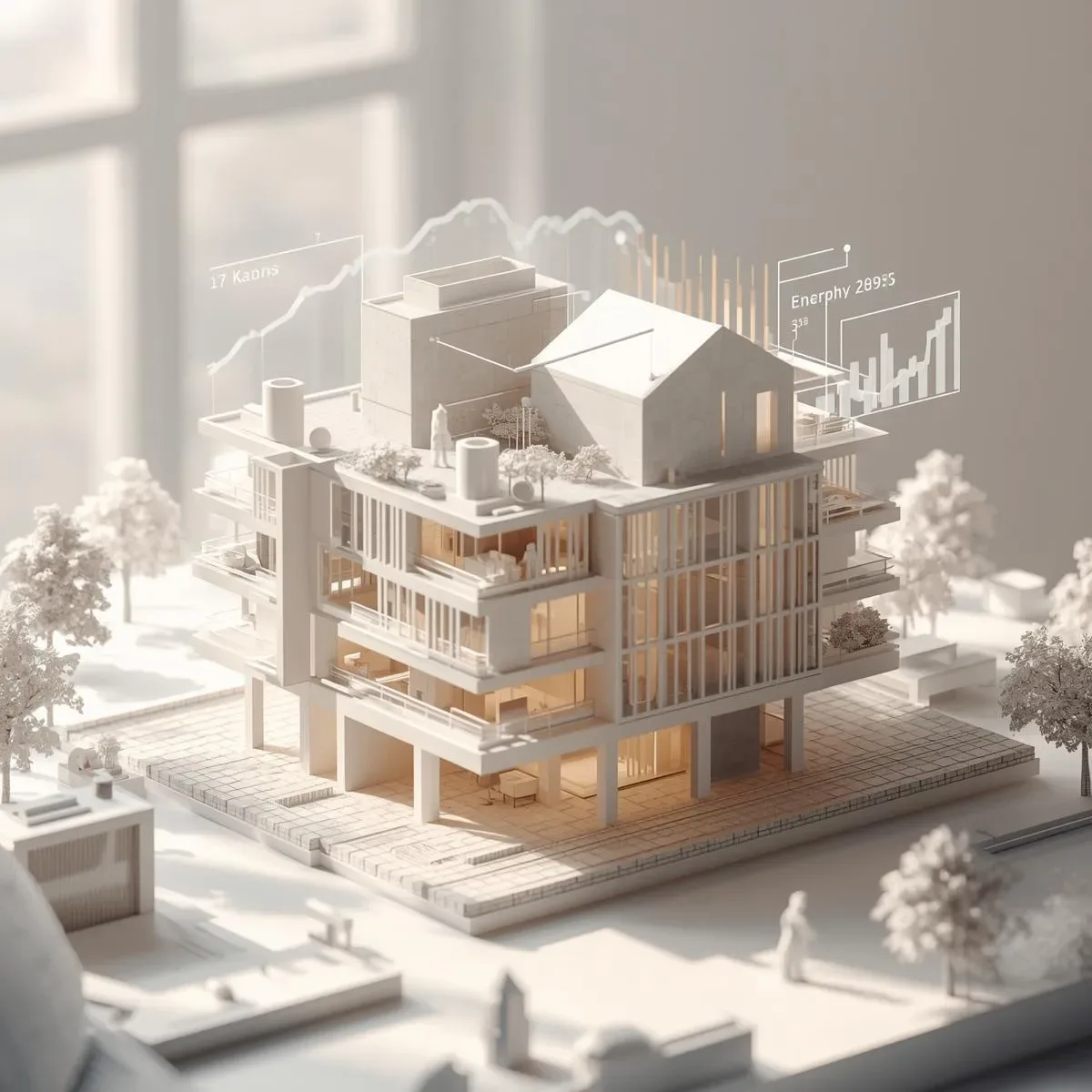
Bangkok homes face a unique challenge: a single space must serve multiple roles within the same day—home office in the morning, exercise zone at noon, and relaxation area in the evening. SmartInterior Lifestyle-Driven Design addresses this complexity through sensor networks that continuously record how occupants actually use each zone, building a behavioral profile that grows more accurate over time.
The core system combines PIR motion sensors, door and window contact sensors, energy-monitoring smart plugs, and integration with digital calendars. This data feeds into ML algorithms that, within two to four weeks, recognize your daily rhythms: wake times, work sessions, social hours, and sleep patterns. The system learns not just what you do, but the sequence and context—understanding that Saturday morning means extended kitchen activity followed by rest.
The practical result is a home that anticipates rather than reacts. Lighting shifts to task-appropriate levels before you sit down to work. Air conditioning pre-cools the bedroom thirty minutes before your usual bedtime. In Bangkok’s climate, where cooling accounts for 40-60% of household electricity bills, this behavioral optimization reduces unnecessary runtime and delivers 15-20% energy savings beyond basic scheduling—without requiring manual adjustments through apps or voice commands.