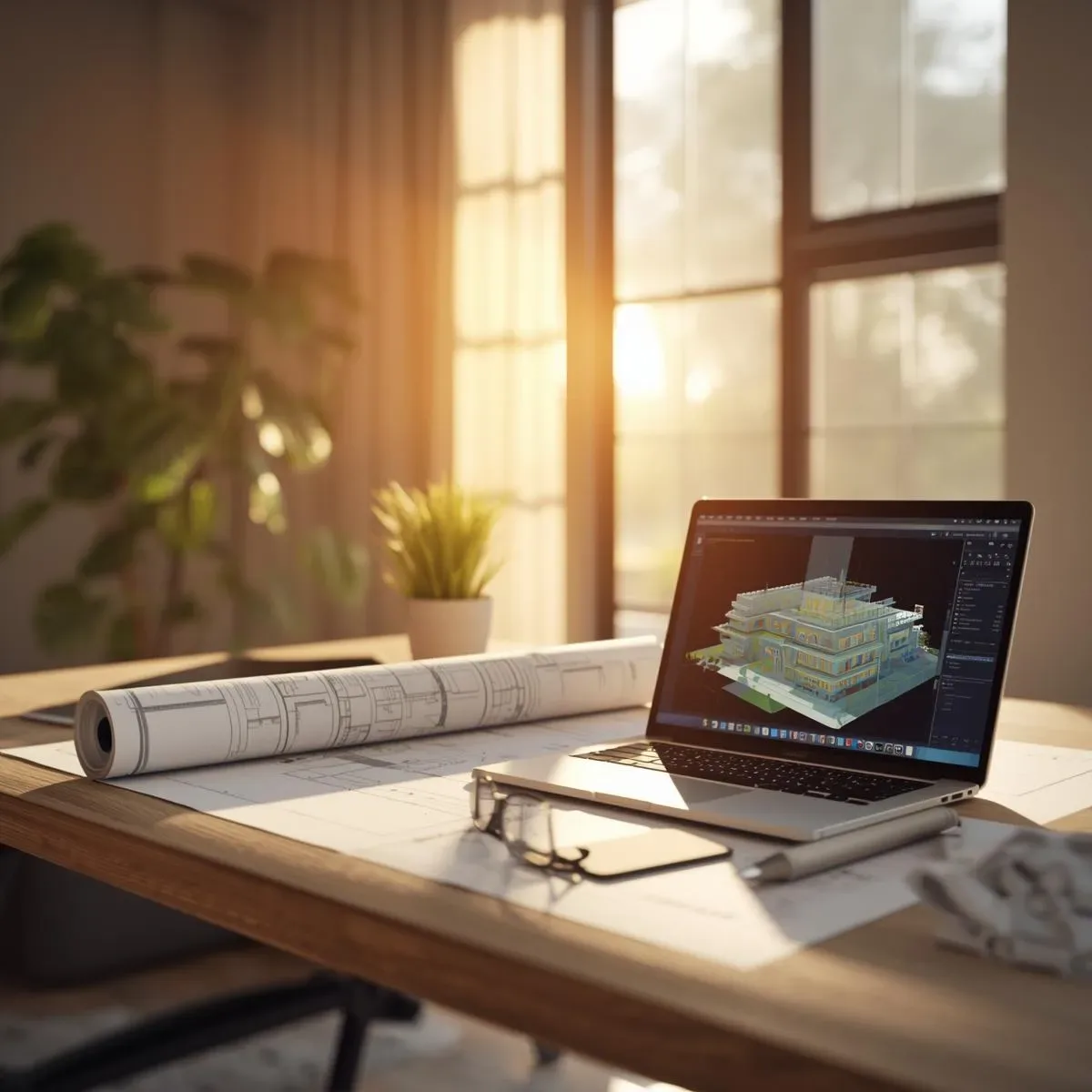
The most common mistake in Thai smart home projects is retrofitting intelligent devices onto a completed interior design. The result is smart hubs protruding from elegantly finished walls, surface-mounted cable runs disrupting clean lines, or sensors installed in visually awkward positions. SmartInterior Systematic Design solves this by planning intelligent systems in parallel with interior design from day one—never as an afterthought.
Systematic Design begins with Technology Layer Mapping: defining what infrastructure each system requires before any finishes are specified. Smart breaker-capable electrical panels, in-wall conduit for data cables, and concealed junction boxes for smart switches are all planned into the structure while walls are still accessible. This infrastructure planning runs in parallel with material selection and color palette work, ensuring that visible smart home components—keypads, sensors, control panels—are selected to match the space’s aesthetic theme rather than chosen for technical capability alone.
For Bangkok homes favoring Modern Thai Minimalist or Contemporary styles—which prioritize clean surfaces, visual calm, and open space—Systematic SmartInterior designs control interfaces as flush-mounted wall elements, houses Solar inverters and smart hubs in purpose-built utility cabinets that integrate with millwork, and transforms LED strips and accent lighting into controllable decorative elements rather than exposed hardware. The outcome is a home where intelligence is invisible until needed—seamlessly beautiful and genuinely smart without compromise.