CO2
46 articles on CO2.
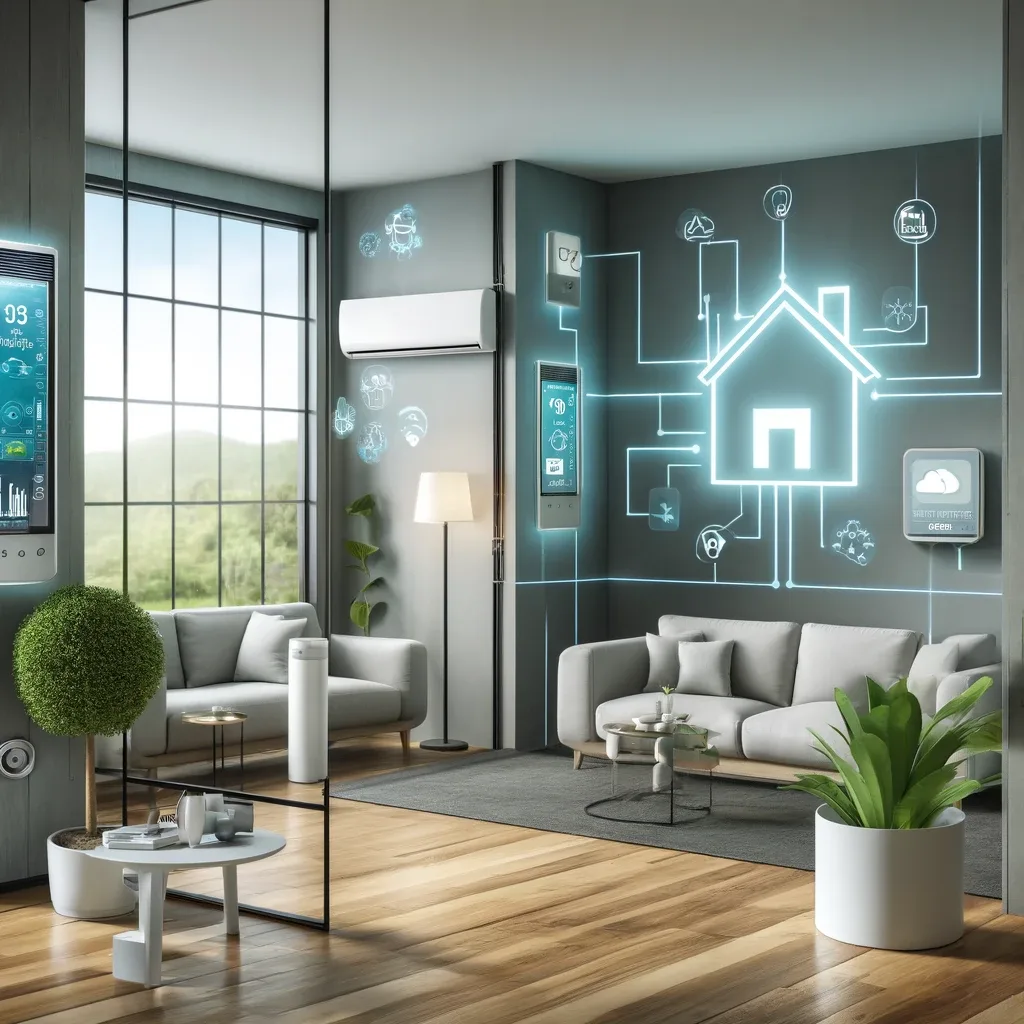
How to Connect Smart Home with Fresh Air System to Create a Genuinely Healthy Indoor Environment
Connecting Smart Home with a Fresh Air System requires the right strategy. This article explains IoT integration step by step — from building a sensor network and defining automation rules to using AI to optimize the system around your family's patterns.
read ↗
Good Health with Positive Air Pressure Systems: Why Urban Homes Should Install One
Positive Air Pressure systems go beyond clean air — they are a comprehensive health protection mechanism covering PM2.5 removal, mold prevention, oxygen enrichment, and disease transmission reduction. This article explains the mechanism and measurable ROI.
read ↗

Complete Clean Air Ecosystem for Smart Homes: 5 Technologies Working Together in Home Assistant
True clean-air homes require more than a single purifier. This article presents a 5-layer clean air system design — Smart Air Purifier, Air Quality Sensor, Fresh Air ERV, Smart Ventilation, and Smart Thermostat with Humidity Control — all working together automatically through Home Assistant, with room-by-room planning and reference pricing.
read ↗
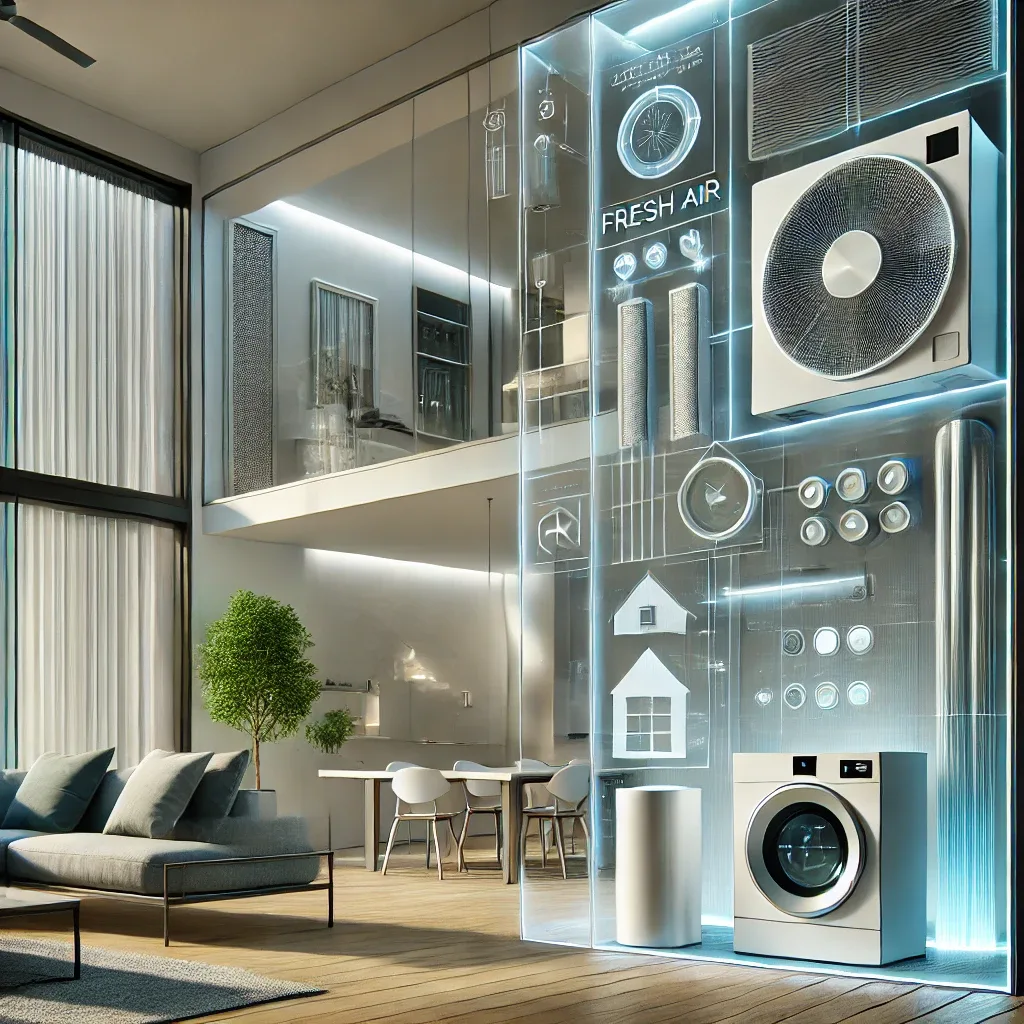
Why Fresh Air System Is the Heart of a Smart Home: Health Benefits and Smart Features Explained
A Fresh Air System is more than a ventilator — it is the system that protects your family from PM2.5, VOCs, and mold. This article explains how it works, the respiratory, mental, and immune health benefits it delivers, and the smart features that connect with Home Assistant for fully automatic air quality management.
read ↗

IoT Technology for Home Health: How Light, CO2, Temperature, and PM2.5 Impact Daily Life
IoT is more than convenience — it creates health-optimised living environments. Circadian lighting, CO2 under 1,000 ppm, temperature 24-26°C, and PM2.5 below 15 μg/m³ all directly affect sleep, concentration, and long-term health.
read ↗
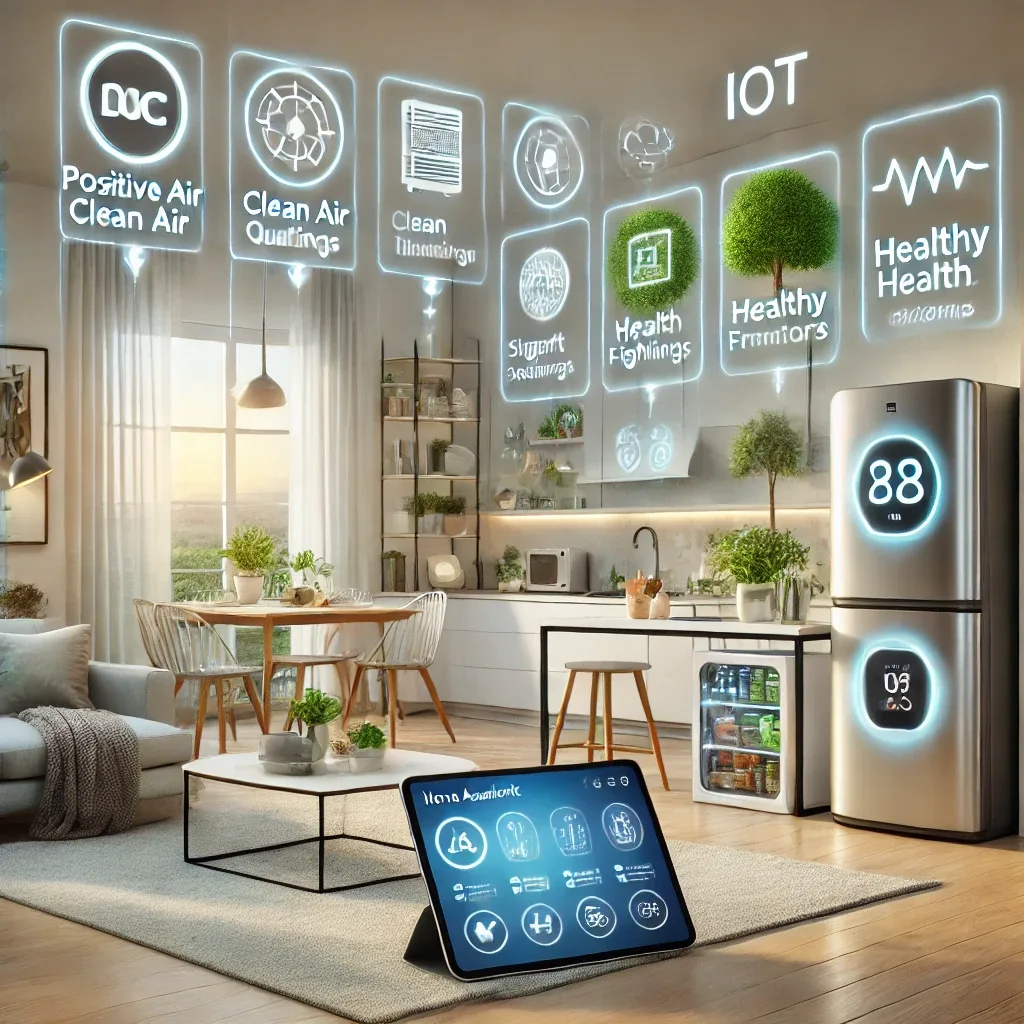
Create a Healthy Home Environment with IoT: Smart Air, CO2, and Humidity Sensors
Your home environment directly affects physical health, mental wellbeing, and work performance. Learn how IoT sensors create clean air, regulate humidity, and protect your family from invisible hazards.
read ↗
Dust-Free Home with Home Assistant: Intelligently Control 5 Types of Indoor Pollution
Home Assistant automatically detects and manages five types of indoor pollution including PM2.5, VOC, CO2, mold, and allergens for a truly dust-free home.
read ↗
Know, Prevent, Manage: Real-Time Air Quality Sensors for Your Home Explained
Deep dive into air quality sensor technology — how laser, electrochemical, and humidity sensors work, what pollutants each detects, and which models suit your home.
read ↗
Home Assistant for Air Quality Control: The Complete Guide to Automating Your Home's Air
Complete guide to using Home Assistant for air quality control — from device integration and dashboard setup to automated purifier control and real-time alerts.
read ↗
Smart Air Quality Sensors: Why Every Modern Home Needs One and How to Connect to HA
Smart air quality sensors measure PM2.5, CO2, VOC, and humidity in real time, connecting to Home Assistant to automatically control purifiers, ventilation fans, and send alerts — protecting your family's health without guesswork.
read ↗
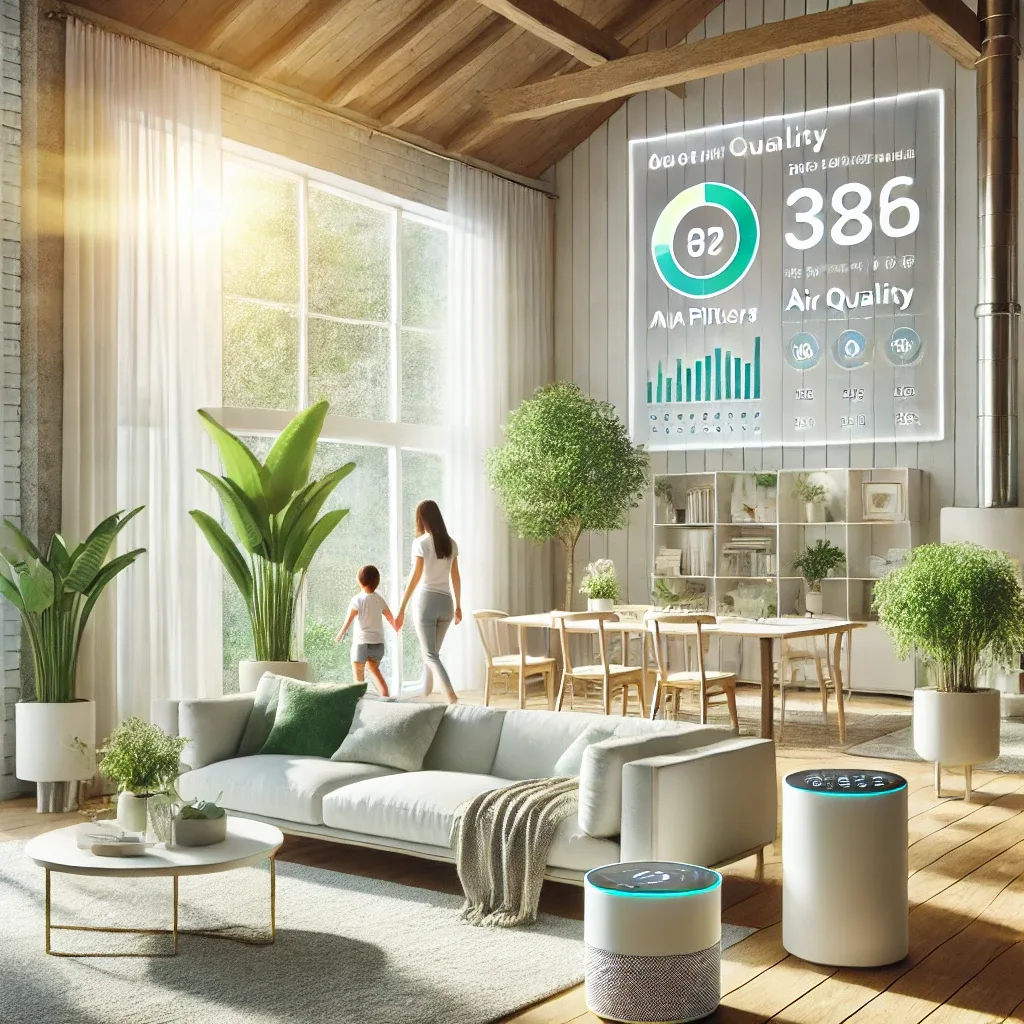
Dust-Free Home with Clean Air: A Home Assistant Guide
Home Assistant unifies PM2.5, CO2, and humidity sensors with purifiers and ventilation fans under one open-source platform — automating responses to threshold breaches, delivering real-time alerts, and saving energy through behavioral learning.
read ↗
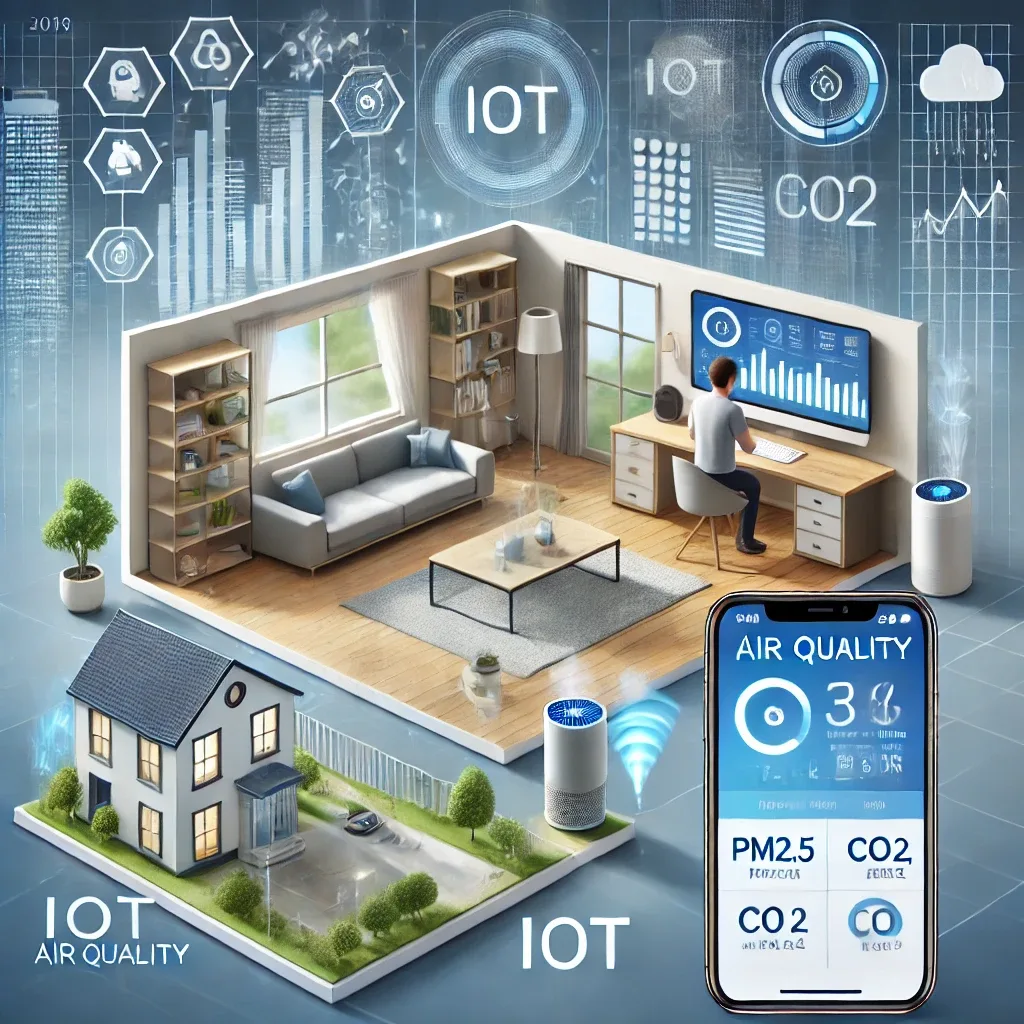
IoT Technology and Home Air Quality Monitoring: Why You Should Install Smart Dust Sensors
Indoor pollution hides in everyday activities. IoT technology and smart dust sensors detect PM2.5, CO2, and VOCs in real-time, connecting to Home Assistant to automatically command air purifiers when thresholds are exceeded.
read ↗
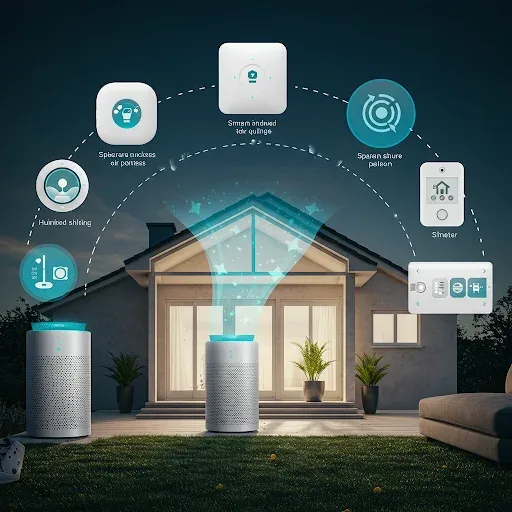
How Can Smart Home Technology Improve Air Quality? A Complete Practical Guide
Smart Air Purifiers that auto-adjust, Xiaomi/Airthings/Awair sensors connected to Home Assistant, Automation: PM2.5>35 triggers purifier, CO2>1000 triggers ventilation, humidity<30% triggers humidifier.
read ↗

Building Smart Homes to Reduce Air Pollution: Sensors, Filtration, and Full Automation
Smart homes use PM2.5/CO2/VOC sensors, intelligent air purifiers, Positive Air Pressure, and temperature-humidity controls working together to automatically reduce indoor pollution.
read ↗

5 Methods to Improve Home Air Quality with Smart Home for Daily Health
Smart purifiers, air quality monitors, humidity control, ventilation systems, and smart windows — 5 Smart Home methods that elevate indoor air quality every day.
read ↗
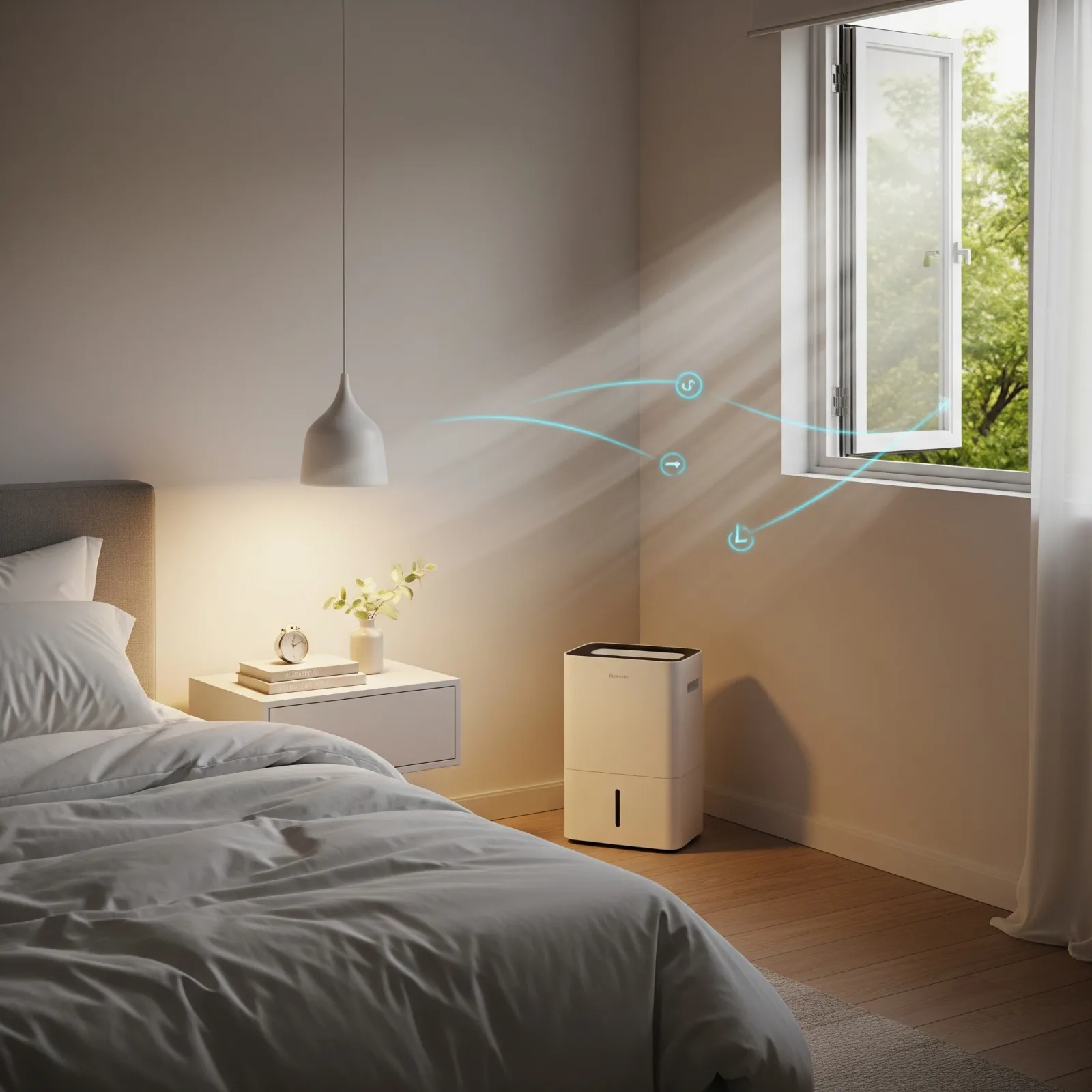
Easy Breathing, Deep Sleep, Smart Humidity: The Complete Bedroom Air Quality Guide
Sleep quality depends directly on bedroom CO2, humidity, and temperature. Learn the science behind each factor, the smart device features that matter, and Home Assistant automations for consistently great sleep.
read ↗

High CO2 in the Bedroom: How Dangerous Is It and How to Cut Accumulation with Smart Home
Sealed condos allow CO2 to accumulate dangerously in bedrooms. Understand the risk levels, root causes, and how smart sensors with Home Assistant automation eliminate the problem overnight.
read ↗
Smart Home Safety and Good Health: Air Quality Monitoring for Elderly in Bangkok
Bangkok PM2.5 levels reach 35-50 µg/m³ during the dry season — far above the WHO standard of 15 µg/m³ and particularly dangerous for elderly residents. HappySmart’s 5-point IAQ Protocol covers PM2.5, CO2, VOC, and humidity for comprehensive indoor health protection.
read ↗

Dust-Free Home: Selecting Air Filters and Smart Ventilation for Thailand’s Climate
The wrong type of air filter can leave your home less clean than having no purifier at all. Learn to select HEPA, carbon, and pre-filters correctly, and design a smart ventilation system suited to Thailand’s hot, humid climate.
read ↗
Dust-Free Home for Children and the Elderly: Choosing Smart Home Technology for Better Health
Children and elderly residents face 3–5 times greater risk from indoor air pollution than healthy adults. Learn which smart home technologies to choose — from air quality sensors to automated purification control — to maintain clean indoor air continuously.
read ↗
CO2 Demand-Controlled Ventilation: SCD41 Sensor + ERV Automation for Sleep Quality Improvement
Install SCD41 NDIR CO2 sensor to control ERV with Demand-Controlled Ventilation, maintaining CO2 below 1,000 ppm during sleep for measurable sleep quality improvement while reducing energy consumption.
read ↗
Multi-Sensor AQI Fusion: Combining PM2.5 + CO2 + TVOC Signals with Kalman Filter for LINE Alerts
Build a sensor fusion system combining SDS011 PM2.5, BME680 TVOC, and SCD40 CO2 readings through a Kalman Filter to compute an accurate Indoor Air Quality Index with automated LINE alerts.
read ↗