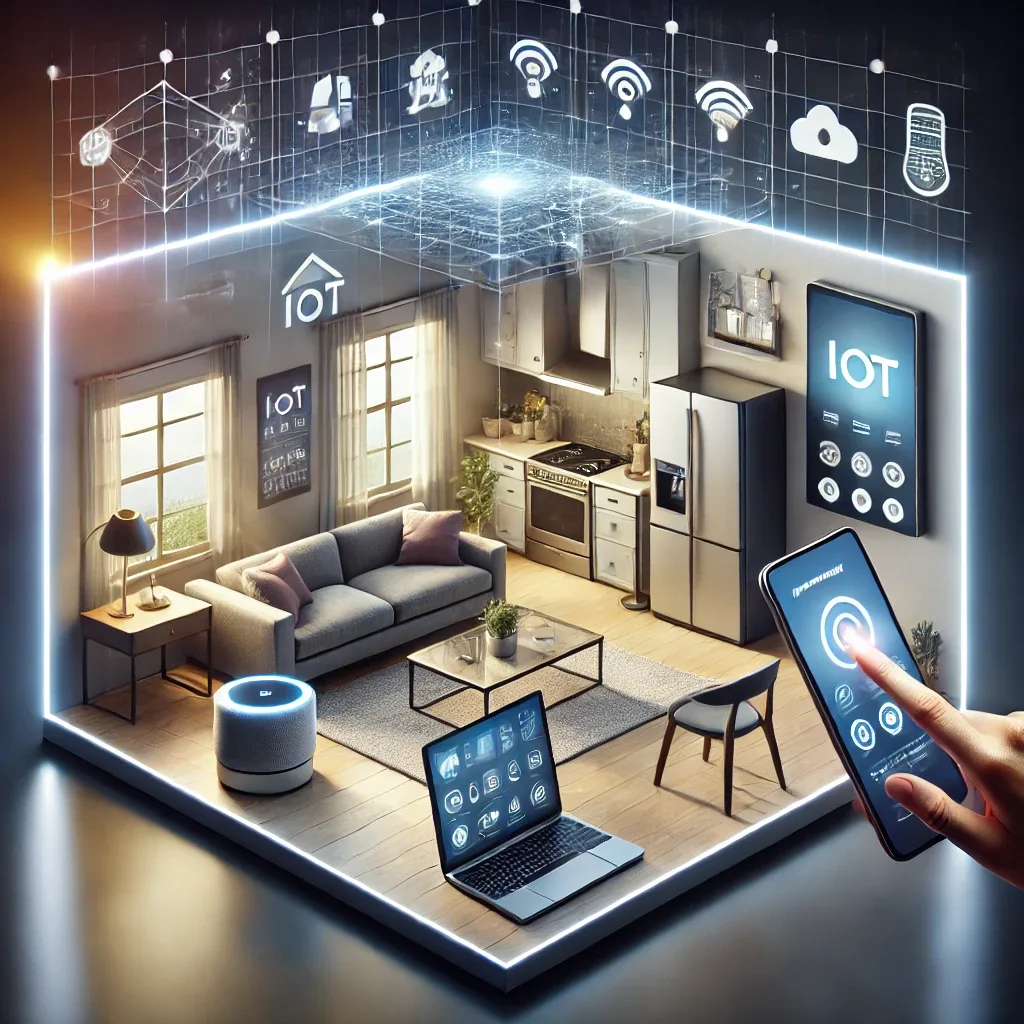
Why IoT Matters for Health, Not Just Convenience
People spend 70-90% of their lives indoors, meaning the air quality, temperature, and light in their home affects their health more significantly than outdoor factors.
With IoT sensors and Home Assistant, you can measure and control your home environment precisely, 24 hours a day.
Circadian Lighting: Effects on Sleep Quality and Hormones
Cool white light (6500K) stimulates alertness and suppresses melatonin. Warm amber light (2700K) stimulates melatonin production, preparing the body for sleep.
With Circadian Lighting Automation in Home Assistant:
- 6:00-9:00 AM: 6500K at 100% — stimulates waking
- 12:00-4:00 PM: 5000K — maintains daytime alertness
- 7:00-10:00 PM: 3500K dimming — transitions toward sleep
- After 10:00 PM: 2700K warm amber — melatonin pathway open
Research findings with this setup: falling asleep 20-30% faster, and measurably improved Sleep Quality within 2 weeks.
CO2: The Health Indicator Most People Don't Monitor
Indoor CO2 levels above 1,000 ppm cause:
- afternoon drowsiness
- 15-20% reduction in concentration
- chronic headaches
Normal outdoor CO2: 400-450 ppm. A room with 2-3 people, windows closed for 2 hours: can reach 1,500-2,000 ppm.
With a CO2 sensor (SenseAir S8, Xiaomi CO2 Sensor) connected to Home Assistant:
- Real-time CO2 displayed on Dashboard
- Above 900 ppm → ventilation fan activates automatically
- Above 1,100 ppm → LINE alert sent to open windows
PM2.5: Bangkok's Silent Hazard
WHO defines the PM2.5 standard as no more than 15 μg/m³ (24-hour average), but Bangkok records dozens of days per year exceeding this level — particularly January through March.
A complete IoT PM2.5 system:
- Outdoor sensor (Sensirion SPS30 or AirVisual Node): measures external PM2.5
- Indoor sensor (Xiaomi Air Quality Monitor): measures indoor PM2.5
- Automation: if outdoor PM2.5 exceeds 50 μg/m³ → windows close automatically + PAP Device power increases
Temperature and Humidity: Your Body's Comfort Zone
Research identifies optimal temperature ranges for:
- Sleep: 22-24°C
- Work: 21-23°C
- Humidity: 40-60% RH (below 40% dries mucous membranes; above 60% encourages mould)
With Smart Thermostat + Sensibo Air + Aqara Temperature/Humidity sensors connected to Home Assistant, the system automatically adjusts temperature and humidity around the clock.
HappySmart designs complete IoT Health Environments — installing all sensor types with a personal health Dashboard and automations tailored to every lifestyle.