Oxygen and Its Role in Human Health
Oxygen — colorless, odorless, comprising about 21% of Earth's atmosphere — is indispensable to every cell's energy production process. When indoor air lacks sufficient oxygen, displaced by CO2 and pollutants, the body simply cannot function at peak capacity.
In Bangkok, with its PM2.5 particulates, vehicle exhaust, and sealed buildings with poor air circulation, creating a clean, oxygen-adequate indoor environment is a genuine health priority — not a luxury consideration.
Six Key Benefits of an Oxygen-Rich Indoor Environment
Improved breathing: Adequate oxygen enables the lungs to work efficiently, reducing the risk of respiratory conditions such as asthma and chronic obstructive pulmonary disease. For allergy sufferers, clean air free of allergens significantly reduces airway inflammation.
Stronger immunity: Sufficient oxygen enhances white blood cell function, improving the body's ability to fight pathogens. A clean environment also limits bacterial and viral proliferation in the air, particularly important during Thailand's humid rainy season.
Higher energy levels: When cells receive adequate oxygen, ATP (cellular energy) production becomes more efficient. Residents in homes with clean air consistently report higher energy levels and less fatigue throughout the day.
Sharper cognitive function: Brain cells require more oxygen than any other organ. Adequate oxygen improves memory, concentration, and decision-making — directly benefiting work productivity and academic performance.
Reduced stress: Breathing clean air helps lower cortisol levels, the primary stress hormone. Time spent in a healthy indoor environment naturally calms the autonomic nervous system, easing anxiety without medication.
Better sleep quality: Bedrooms with good air circulation and sufficient oxygen help residents fall asleep faster, sleep more deeply, and wake refreshed. Clean air also benefits those with snoring or mild sleep apnea.
How to Create an Oxygen-Rich Home Environment
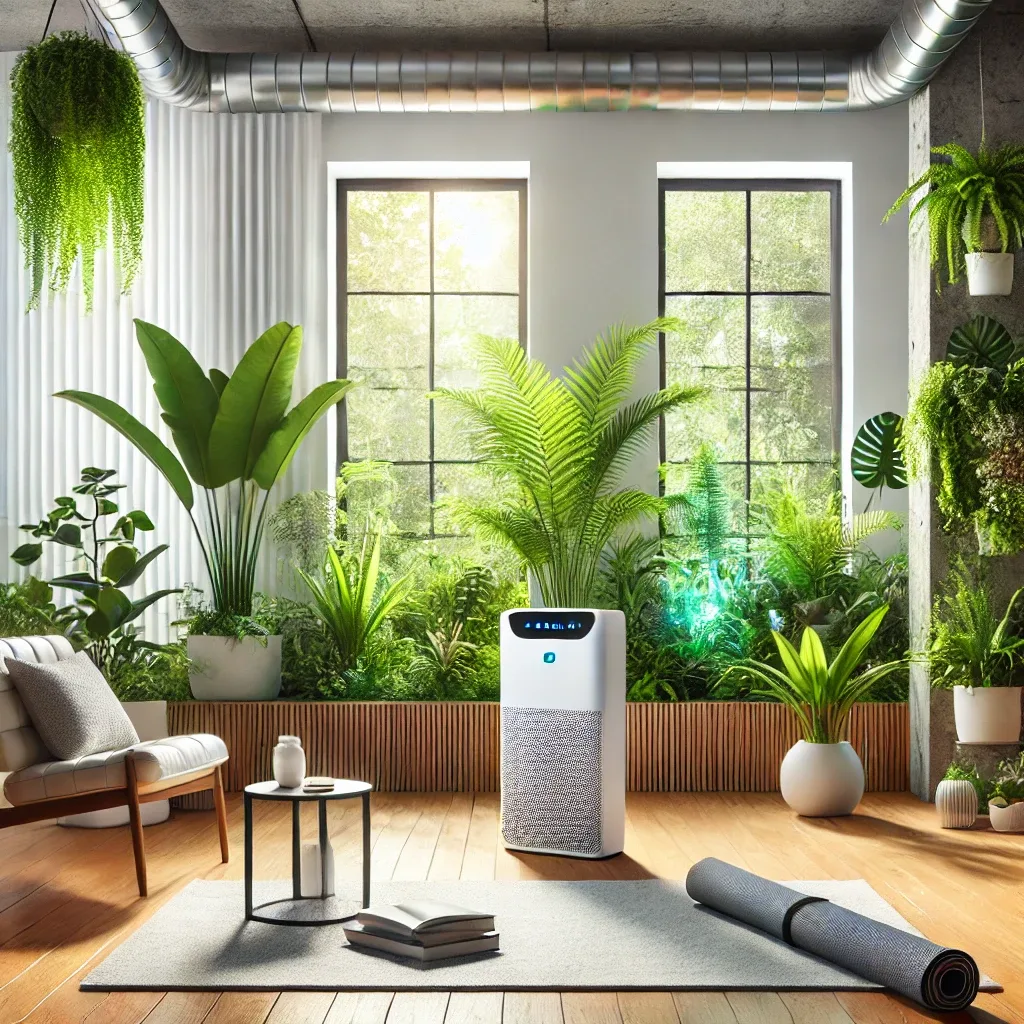
Indoor plants are the most natural approach — Snake Plants, Peace Lilies, and Spider Plants all absorb CO2 and release oxygen effectively. Opening windows for ventilation during clean morning air and regular exercise also improve respiratory efficiency.
For urban homes where outdoor air quality is unreliable, HappySmart offers a complete range of solutions: HEPA air purifiers filtering PM2.5, mold, and bacteria; real-time air quality monitors displaying PM2.5, CO2, and humidity readings; and smart air management systems that integrate with Home Assistant for automated, data-driven indoor air control. Investing in indoor air quality is a long-term investment in the health of every family member.