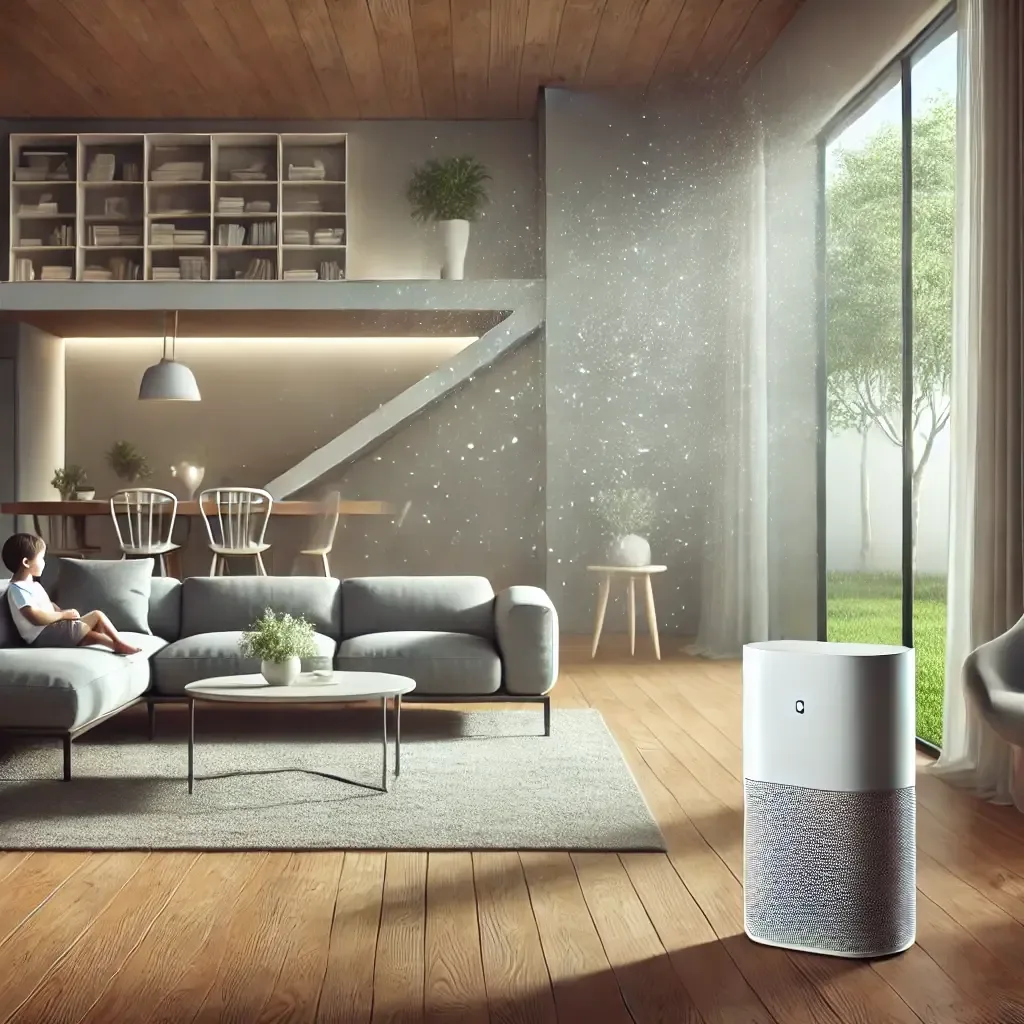
Indoor Air Quality Matters More Than You Think
Bangkok residents spend an average of 90% of their daily lives indoors, yet indoor air quality is often 2-5 times worse than outside due to CO2 accumulation from respiration, VOCs from furniture and paint, infiltrating PM2.5, and humidity supporting mold growth. During periods when Bangkok's AQI exceeds 150 — common from December to March — creating a clean-air environment indoors isn't a luxury but a genuine health necessity.
How Positive Air Pressure Devices Work
Positive Air Pressure Ventilation (PAP) systems work by pushing filtered fresh air into the home in greater volume than exits, creating indoor overpressure that prevents unfiltered air from infiltrating through gaps — under doors, wall cracks, or conduit openings. Incoming air passes through HEPA H13 filters capturing 99.97% of PM2.5 particles. Advanced systems add Activated Carbon filters for VOCs and UV-C sterilization for bacteria and viruses.
Measurable Health Benefits
Studies show that homes with PAP systems maintain indoor PM2.5 below 10 µg/m³ even when outdoor levels reach 150 µg/m³ — significantly reducing asthma, allergy, and chronic lung disease risk. For elderly residents and young children with weaker immune systems, the cardiovascular impact of PM2.5 exposure is up to 3 times more severe than in healthy adults, making clean indoor air a particularly meaningful long-term health investment for multi-generational households.
Integrating PAP with Smart Home
PAP systems connected to Home Assistant operate intelligently: when outdoor PM2.5 sensors detect high readings, the system automatically increases fan speed, switches to full recirculation mode, and closes fresh air intake. When AQI improves, it returns to normal fresh-air ventilation. Configured through HappySmart's Scrypt engine, this maintains optimal air quality at all times without any manual intervention from residents.
HappySmart Smart Air Quality Package
HappySmart offers a Smart Air Quality package combining PAP ventilation, PM2.5/CO2/VOC/humidity sensors, smart air purifiers, and Home Assistant integration — all managed through a single dashboard showing real-time air quality data and sending LINE alerts when values exceed safe thresholds. Particularly suited for Bangkok families with young children, elderly members, or allergy sufferers who need reliable protection from seasonal air pollution spikes.