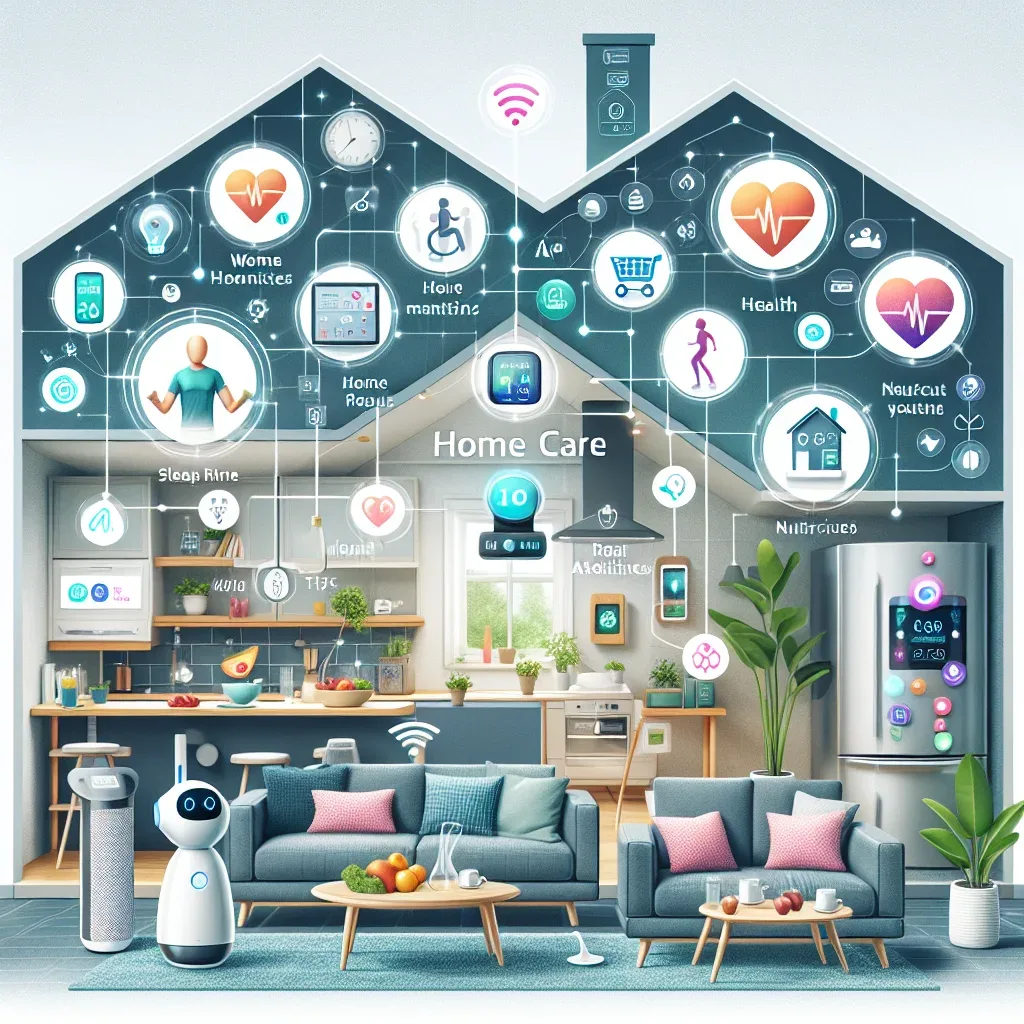
IoT Technology and Modern Home Health Care
In an era of rising pollution and health concerns, especially in major cities like Bangkok that face PM2.5 dust and hot, humid weather year-round, IoT (Internet of Things) technology has become a vital tool for intelligent home health management. These systems don't just measure values — they can automatically control devices to maintain a healthy environment 24 hours a day, giving residents peace of mind and genuine health benefits.
Automatic Air Quality Monitoring and Improvement
Indoor air quality directly impacts health. PM2.5 sensors detect fine particulate matter in real-time; when levels exceed standards (e.g., 35 µg/m³), the system automatically activates air purifiers. CO2 sensors monitor carbon dioxide levels for ventilation adequacy — if CO2 rises above 1,000 ppm, exhaust fans activate or alerts prompt window opening. Chemical sensors detect VOCs (Volatile Organic Compounds) from wall paint, cleaning products, or new furniture that may harm the respiratory system long-term. All sensors work together through Home Assistant to create a safe air environment for everyone in the home, operating around the clock without manual intervention.
Smart Thermostat for Quality Sleep
Good sleep starts with the right room temperature. Smart Thermostats use Machine Learning to study user habits, gradually cooling the bedroom 30 minutes before sleep — dropping from 26°C to 24–25°C, the range research identifies as optimal for deep sleep. In the morning, temperature gently rises before wake time to encourage natural awakening without a jarring alarm. Systems can also schedule automatic shutdown after set hours, saving energy during cooler late-night periods when outdoor temperatures drop, reducing both electricity costs and environmental impact.
Smart Humidifier for Respiratory Health
Optimal indoor humidity (40–60% RH) is essential for respiratory health and skin condition. In Bangkok's hot, humid climate, humidity can exceed 80% during certain seasons, creating conditions that support mold growth and dust mites. Hygrometer sensors connected to Home Assistant automatically control Smart Humidifiers or Dehumidifiers: when humidity is too high, the dehumidifier activates; when too low, the humidifier runs. This maintains ideal levels continuously, effectively reducing allergy symptoms, skin irritation, and respiratory problems without any manual adjustment needed.
Smart Elderly Care Systems
For homes with elderly residents or patients requiring special care, IoT provides powerful tools that give families genuine peace of mind. Fall detection sensors in bathrooms and bedrooms operate around the clock — if a fall or unusual lack of movement is detected, the system immediately notifies family members' smartphones. Smartwatches designed for elderly users continuously monitor SpO2 (blood oxygen saturation) and heart rate; if readings are abnormal, automatic alerts are sent, enabling rapid response to health emergencies before they become critical situations.
Smart Lighting and Circadian Health
Light directly affects Circadian Rhythm, the biological clock that governs sleep-wake cycles. Circadian Lighting configurations adjust light to bright, cool white in the morning to promote alertness, gradually shifting to warm white and dimming in the evening to stimulate melatonin production and ease the transition to sleep. All of this is managed automatically through app or voice control — no manual adjustment needed. The system handles timing based on time of day, supporting natural biological rhythms that conventional fixed lighting completely ignores.
Security Systems and Mental Health
Feeling safe directly impacts mental health. A Smart Security system comprising real-time CCTV viewable from anywhere via smartphone, motion detection sensors with immediate alerts, and remotely controllable Smart Locks significantly reduces worry and stress for household members — especially for those monitoring family while working away from home. This peace of mind delivers meaningful long-term mental health benefits, reducing cortisol levels and improving overall quality of life in ways that extend well beyond physical safety.