IoT at Home: More Than Convenience — It's Quality of Life
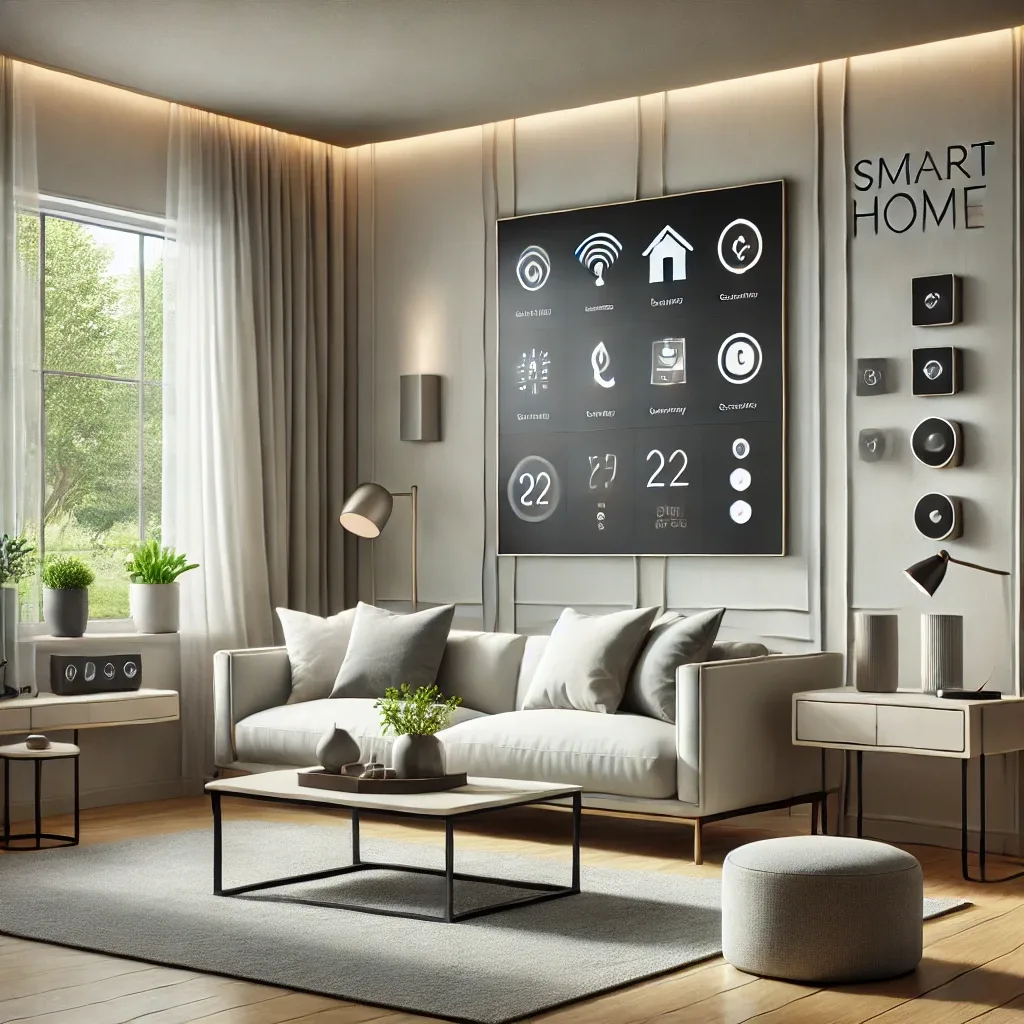
Internet of Things technology transforms a home from passive shelter into an intelligent ecosystem that autonomously monitors health, safety, and well-being for every family member. For Thai families today, IoT directly addresses key challenges: Bangkok's PM2.5 pollution, oppressive heat and humidity, and the reality of elderly parents living at home alone.
Unlike buying individual smart gadgets, a properly integrated IoT system makes every device work in concert — creating an environment that responds intelligently to the behavior and needs of household members throughout the day.
Real-Time Air Quality Monitoring and Control
IoT-connected air quality sensors measure PM2.5, CO2, VOCs, and humidity in real time. When any value exceeds a safe threshold, the system instantly triggers air purifiers or ventilation fans — no manual intervention needed. This automatic response is particularly valuable for households with young children, who spend more time at floor level where particulate matter concentrates.
Continuous air quality data also helps identify patterns — perhaps the kitchen exhaust isn't clearing cooking fumes efficiently, or outdoor PM2.5 spikes require the house to be sealed during specific hours. This data-driven approach to home air management is meaningfully different from simply running an air purifier on a timer.
Elderly Care and Monitoring With IoT
Motion sensors installed throughout the home can alert caregivers when an elderly resident shows no movement for an unusually long period — a possible sign of a fall or sudden illness. Smart watches monitoring heart rate and blood pressure transmit data to family members' apps continuously.
Medication reminder systems prompt patients at the correct times. Motion-activated hallway lighting reduces fall risks during nighttime movement. These features collectively allow elderly residents to live more independently while giving family members meaningful peace of mind.
Smart Energy Management That Actually Saves Money
Smart thermostats automatically adjust air conditioning based on occupancy and time of day. Smart plugs cut power to idle devices. The Home Assistant energy dashboard displays real-time consumption graphs for each device, making inefficiencies visible.
In Thailand's climate where air conditioning is the primary electricity expense, automation rules that power down the AC when windows open or rooms are unoccupied deliver tangible savings without sacrificing comfort — typically 15-25% reductions for households that implement comprehensive energy automation.
Complete Home Security Through IoT Integration
IoT-connected CCTV cameras stream live footage to smartphones and send alerts when motion is detected in defined zones. Digital locks control access remotely. Smoke and gas sensors provide instant alerts. HappySmart designs IoT systems specifically for Thai homes — accounting for climate, lifestyle, and diverse budgets — with end-to-end solutions from air quality sensors and cameras to Raspberry Pi 5-based Home Assistant hubs that make everything work as one unified system.