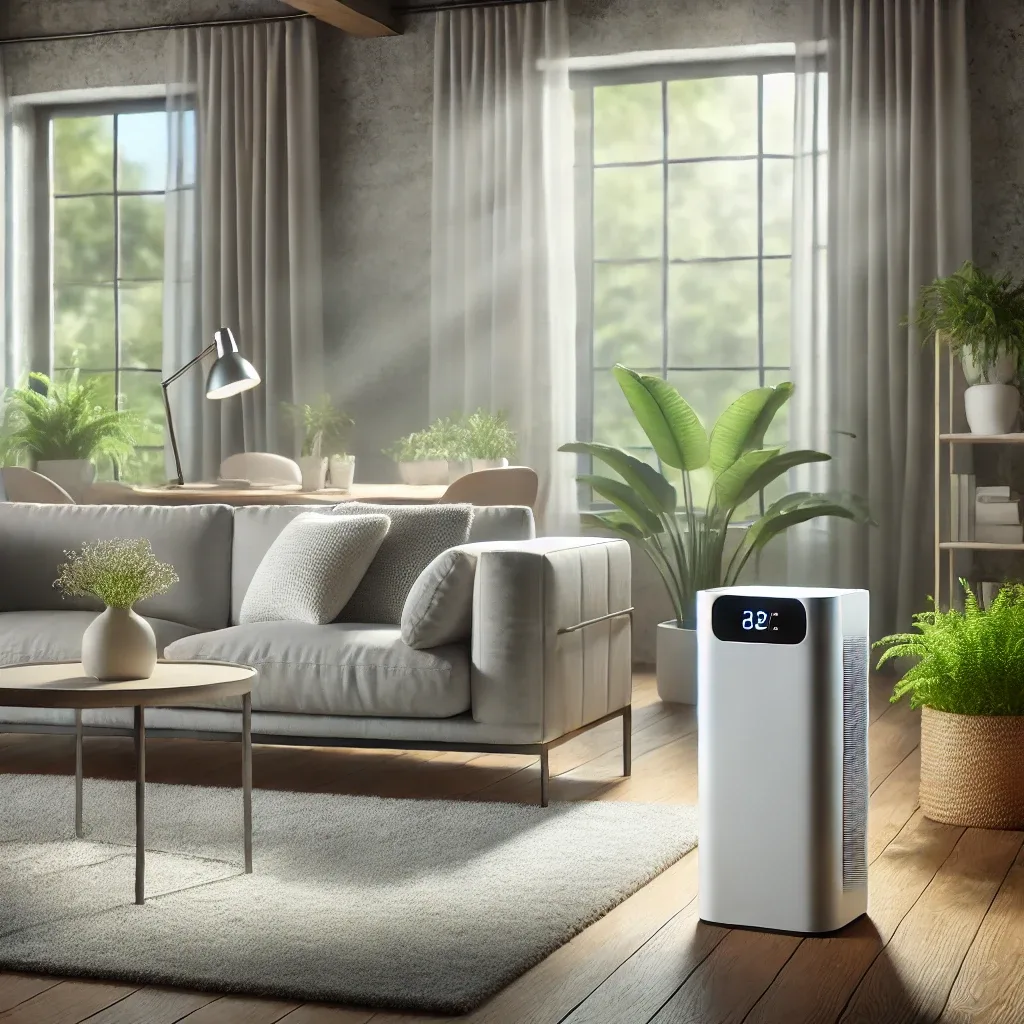
What Is Positive Air Pressure and How Does It Work?
Positive Air Pressure (PAP) systems work by pumping more filtered fresh air into a home than the volume exhausted, creating a slightly higher indoor air pressure than outside. The result is that dirty air, dust, pathogens, and insects are prevented from infiltrating through small gaps in the building envelope.
In Bangkok where most homes lack perfect gap sealing, Positive Air Pressure is a critical protective mechanism — especially during PM2.5 season (November-March).
Benefit 1 — PM2.5 Removal and Allergen Elimination
Positive Pressure Fresh Air systems draw outdoor air through Pre-filter → HEPA H13 → Activated Carbon layers before distributing it inside, filtering 80-95% of PM2.5 and removing mold spores, pollen, and dust mites that are primary triggers for allergies and asthma. For families with allergy sufferers or young children, this system significantly reduces symptom burden.
Benefit 2 — Mold Prevention and Humidity Control
In Bangkok's climate where relative humidity runs 70-85% year-round, household mold is a major problem. Positive Pressure prevents humid outdoor air from seeping through cracks, while ERV systems capture moisture from incoming air to maintain indoor RH in the 40-60% range where mold cannot grow.
Benefit 3 — Oxygen Enrichment and Brain Performance
Sealed air-conditioned rooms in Bangkok accumulate CO2 to 1,500-2,500 ppm during sleep, degrading sleep quality, causing morning grogginess, and reducing morning cognitive performance. Harvard T.H. Chan School of Public Health research found that reducing CO2 to normal levels (550 ppm) improves cognitive function by 101% and decision-making performance by 288%.
Benefit 4 — Reduced Disease Transmission
Post-COVID awareness of airborne transmission has highlighted the importance of indoor air management. Positive Air Pressure reduces risk by diluting potentially pathogen-laden air with filtered fresh air, lowering viral load concentrations. Maintaining adequate ACH (Air Changes per Hour) — at least 6 ACH for bedrooms — significantly reduces airborne infection risk.
ROI from Reduced Healthcare Costs
Respiratory healthcare costs for a Bangkok family of 3-4 average 15,000-40,000 THB per year. Families with Fresh Air Systems and Smart Air Management report 60-80% reduction in allergy symptoms and 40-50% fewer cold and flu episodes in children. Compared to system installation costs of 30,000-80,000 THB, payback from saved medical expenses typically occurs within 2-5 years.
Installation Considerations
Before installation, evaluate: home size and room count (determines system capacity), wind direction and intake position (at least 3 meters from major roads), maintenance budget (filter replacement every 3-6 months), and Smart Home integration readiness for full automation.