ระบบระบายอากาศ
17 articles on ระบบระบายอากาศ.

5 Reasons Why a Smart Home Helps You Have Cleaner Air and Better Health
Smart Home is more than luxury technology — it is a powerful health management system. With automatic sensors, air purifiers, and Home Assistant, your indoor air stays clean around the clock.
read ↗
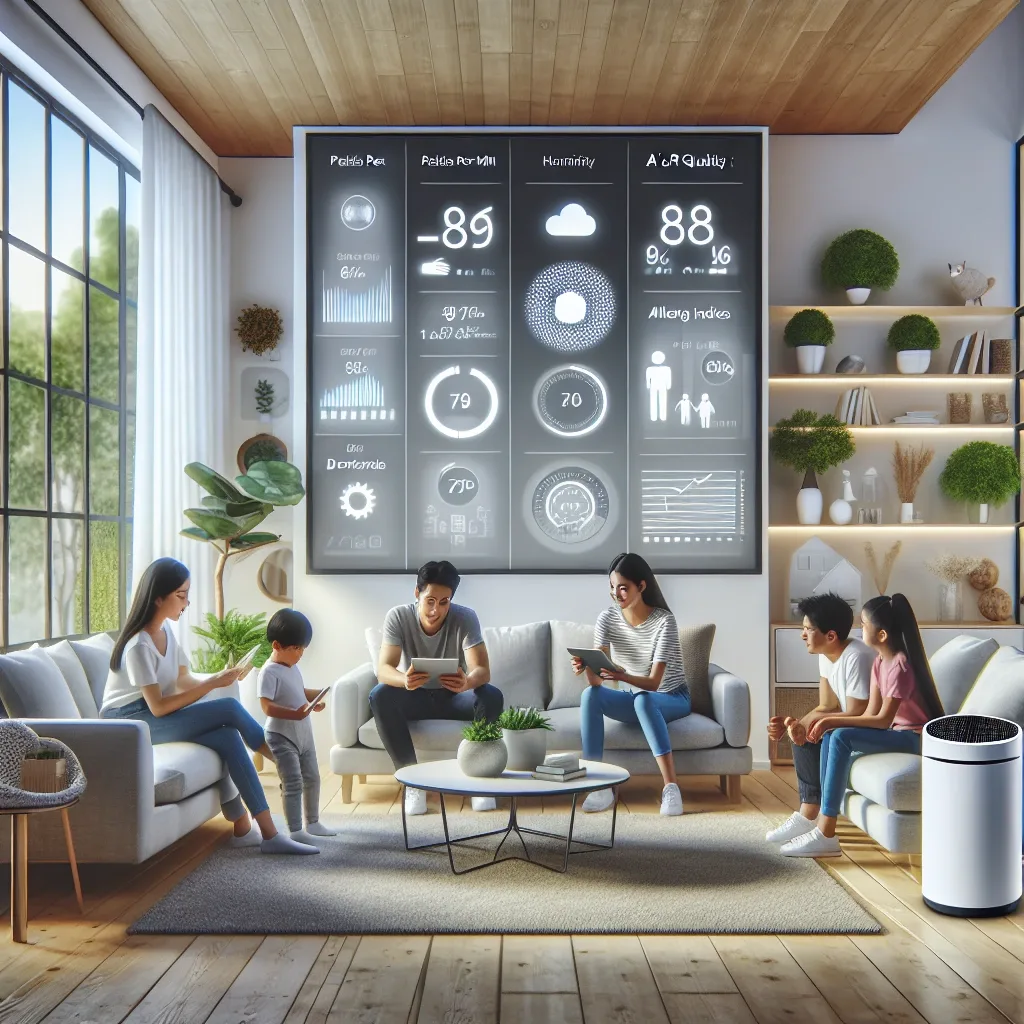
Smart Home Technology for Home Air Quality Management
Smart Home technology automates home air quality management with PM2.5, CO2, and VOC sensors connected to intelligent ventilation systems through Home Assistant automation.
read ↗

Smart Home Healthcare: The Benefits of Clean Air for Your Family's Health
Smart Home is more than convenience — it is a powerful healthcare tool. Intelligent air systems prevent respiratory disease, improve cognitive focus, and create a healthy environment for the whole family.
read ↗
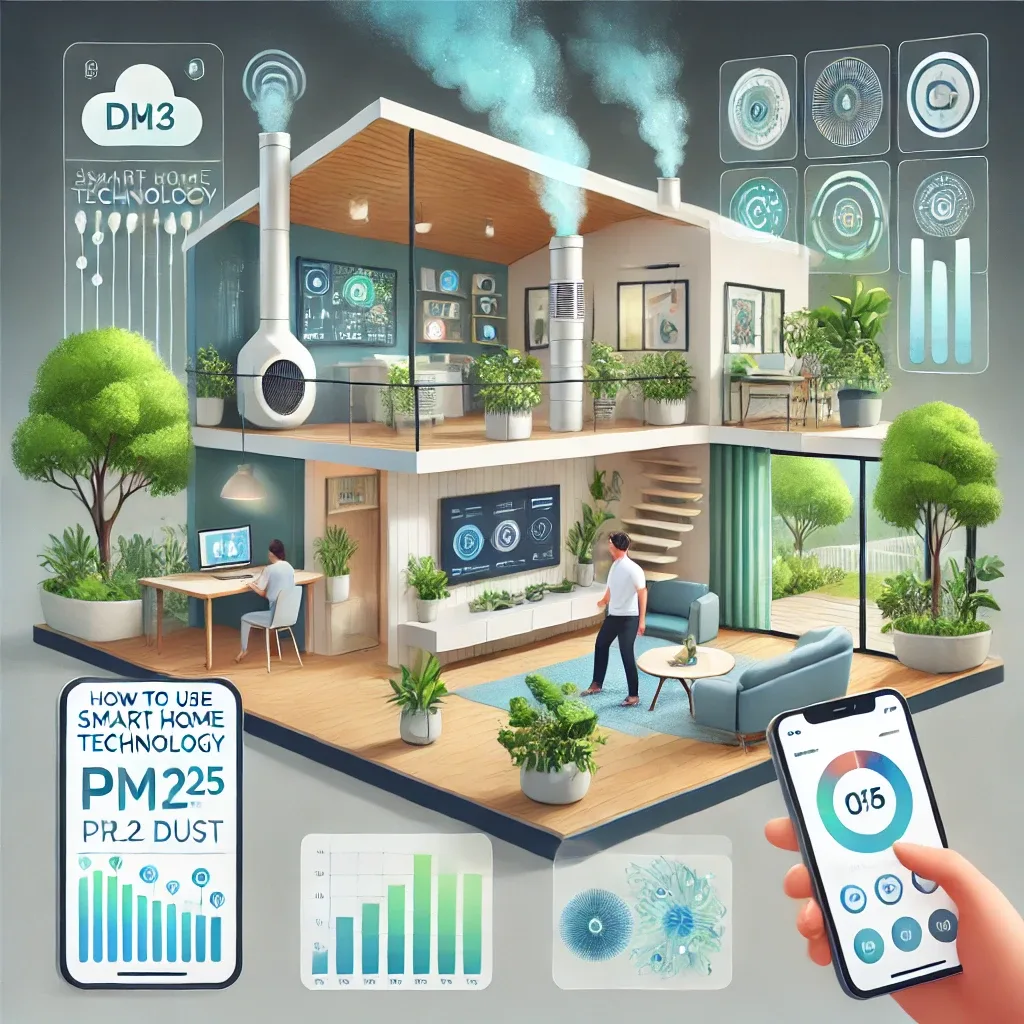
How Smart Home Technology Effectively Manages PM2.5 Dust Problems Indoors
Five smart home technologies for effectively managing indoor PM2.5 — AI automation, smart ventilation, real-time app alerts, and IoT sensor integration for Bangkok residences.
read ↗
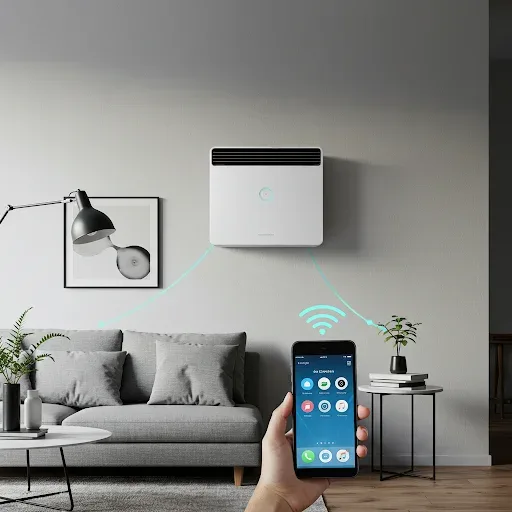
5 Smart Home Methods to Improve Indoor Air Quality and Reduce PM2.5 Dust
Five smart home approaches to reduce PM2.5: HEPA H13 smart purifiers, smart AC with integrated filters, automatic ventilation, smart humidifiers, and HEPA-equipped robot vacuums — all connected to Home Assistant for automated control.
read ↗
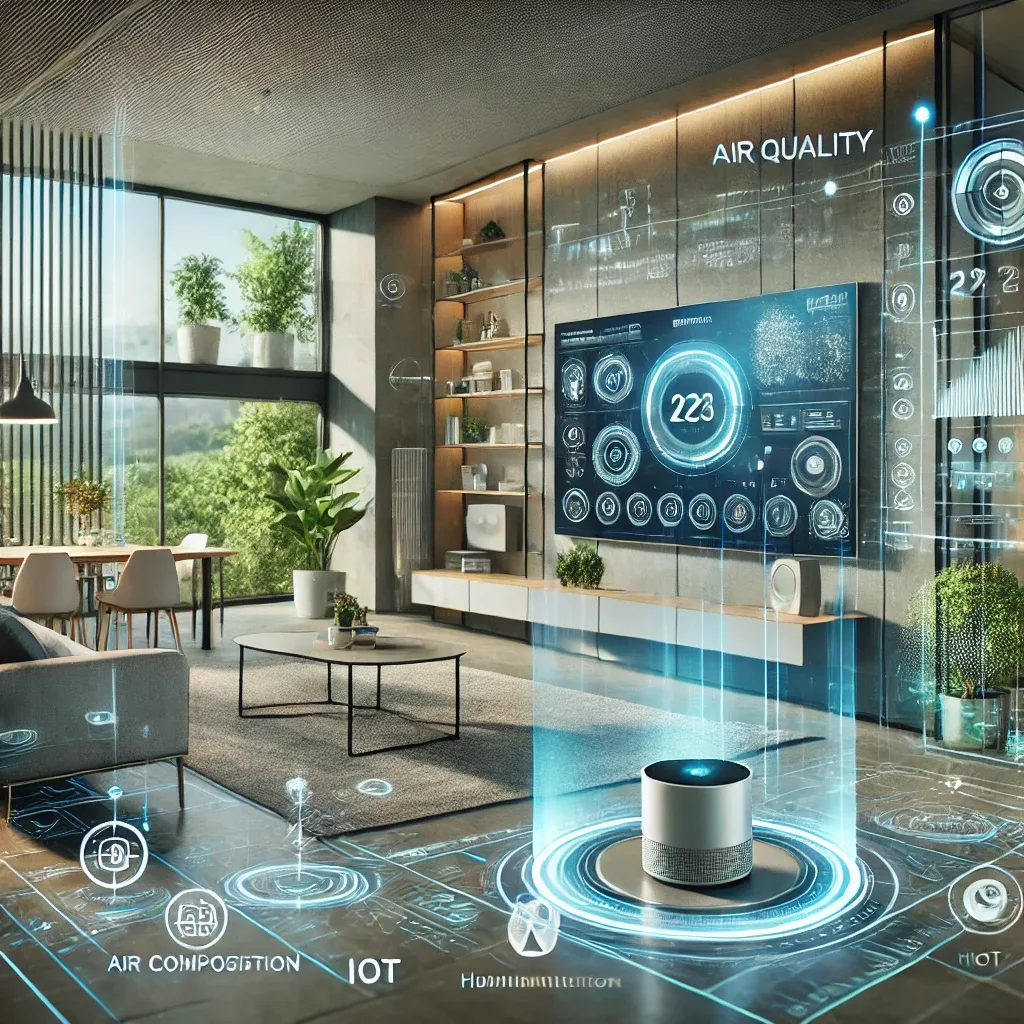
Smart Home IoT Technology for Elevated Indoor Air Quality
IoT elevates home air quality through real-time sensors, smart purifiers, ventilation systems, smart curtains, and behavioral-learning AC — all unified under Home Assistant.
read ↗
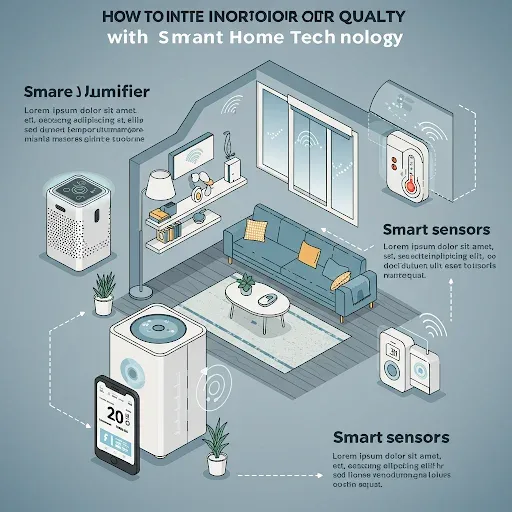
How to Improve Indoor Air Quality with Smart Home Technology
Smart home technology gives you precise control over indoor air quality — from intelligent purifiers and PM2.5/CO2 sensors to automatic ventilation and humidity management, all connected through one app.
read ↗
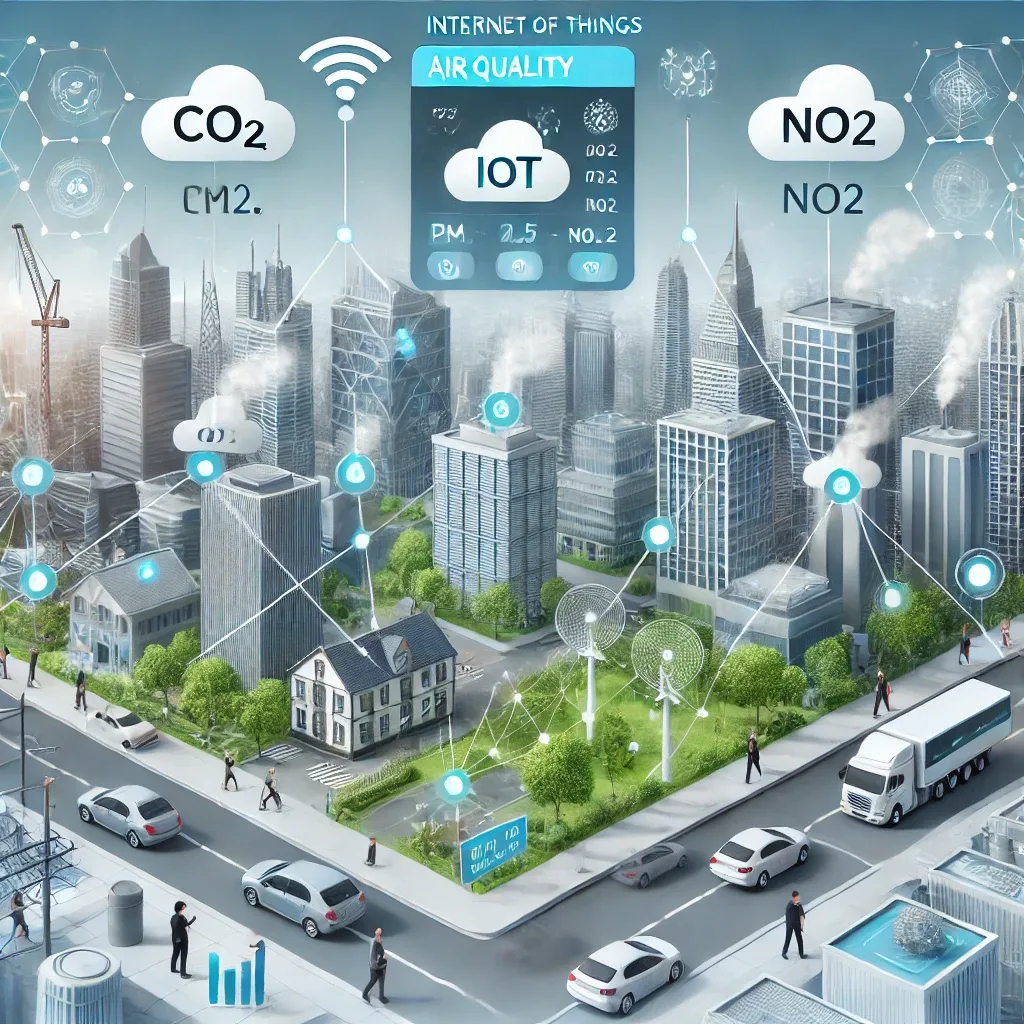
IoT and Air Quality Management: Why Smart Home Is the Best Solution for Dust Control
IoT transforms a conventional home into an automated PM2.5 defense system through sensors, smart purifiers, ventilation, smart ACs, and Home Assistant automation — a comprehensive smart approach to air quality.
read ↗
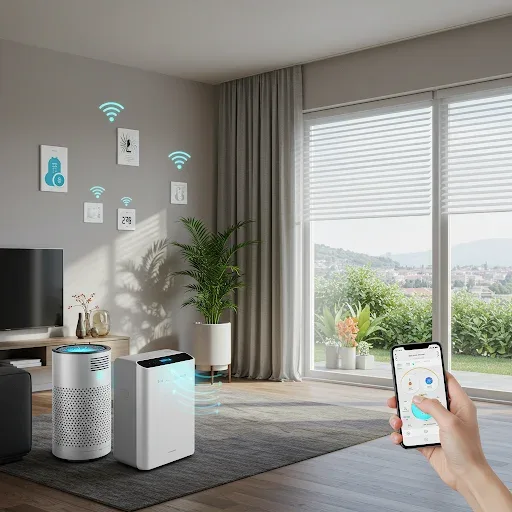
5 Proven Ways Smart Home Technology Improves Indoor Air Quality
Five proven Smart Home methods for improving indoor air quality: smart air purifiers, automated ventilation, real-time air sensors, smart humidity control, and smart air conditioners — all working together.
read ↗
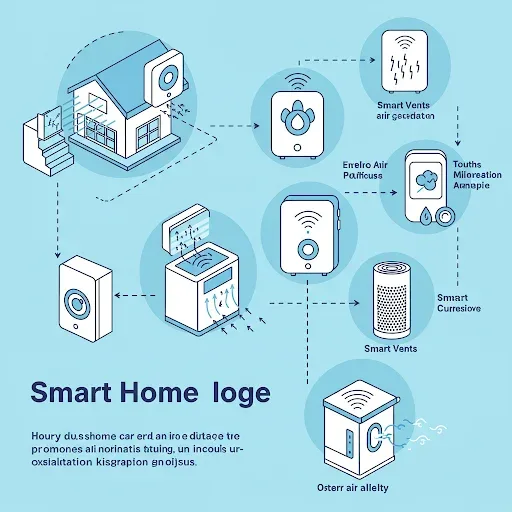
5 Ways to Improve Indoor Air Quality at Home from HappySmart
HappySmart's five core methods for improving indoor air quality: smart air purifiers, smart ventilation, air quality sensors, smart humidity control, and smart air conditioning — for a healthier life at home.
read ↗
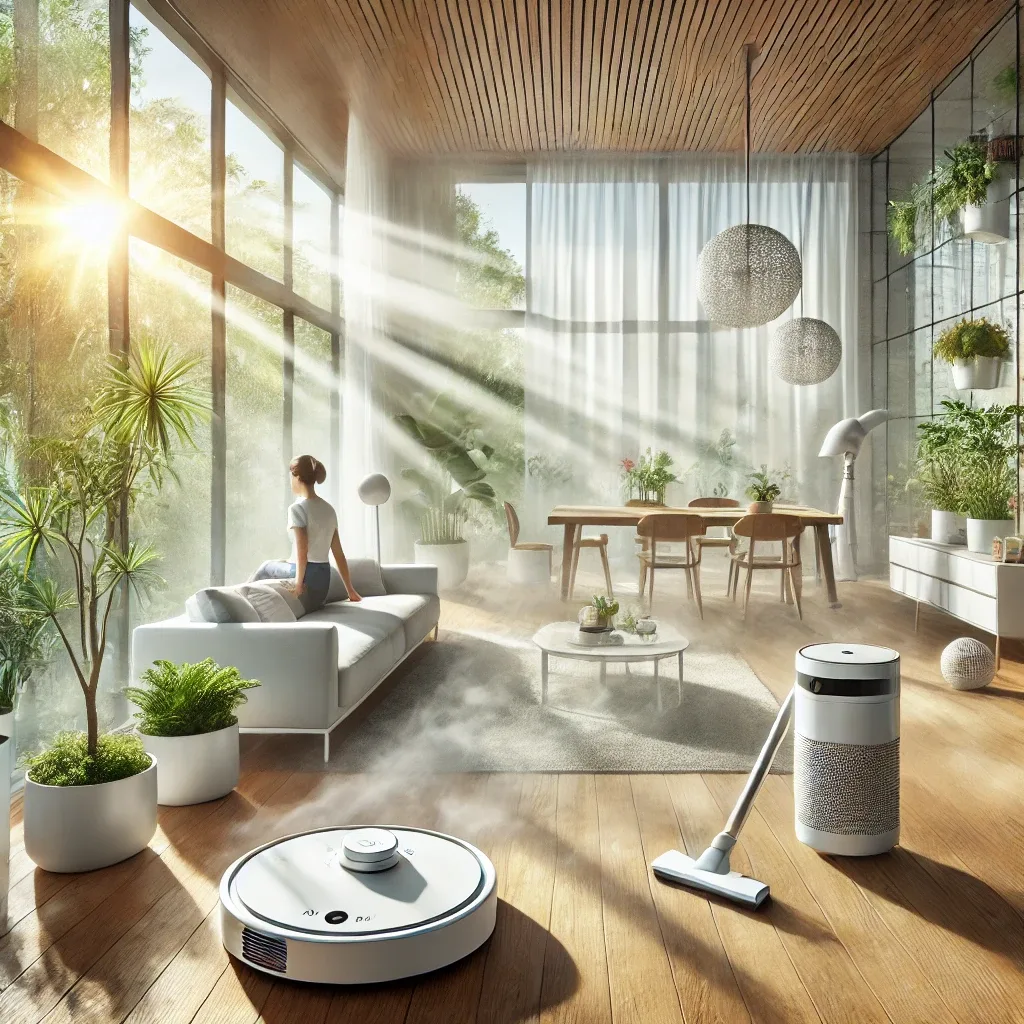
Transform Your Home into a Dust-Free Oasis with Smart Home Technology
A complete guide to transforming an ordinary home into a PM2.5-free oasis using Smart Home technology — sensors, smart purifiers, ventilation, humidity control, and Home Assistant automation.
read ↗
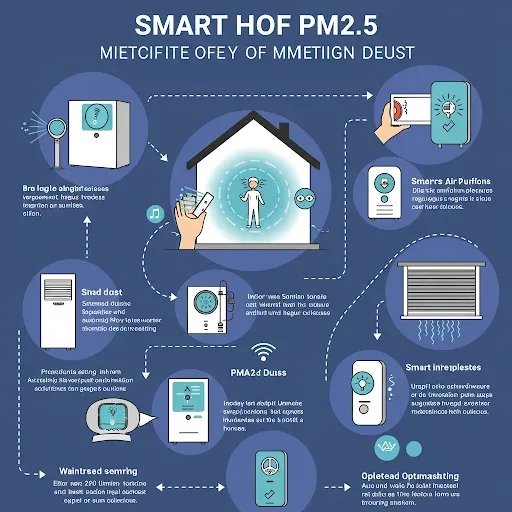
5 Smart Home Methods to Effectively Fight PM2.5 and Dust in Your Home
Discover 5 ways Smart Home technology effectively eliminates PM2.5 and dust, from intelligent air purifiers and real-time sensors to HEPA air conditioners, robot vacuums, and automated ventilation systems.
read ↗
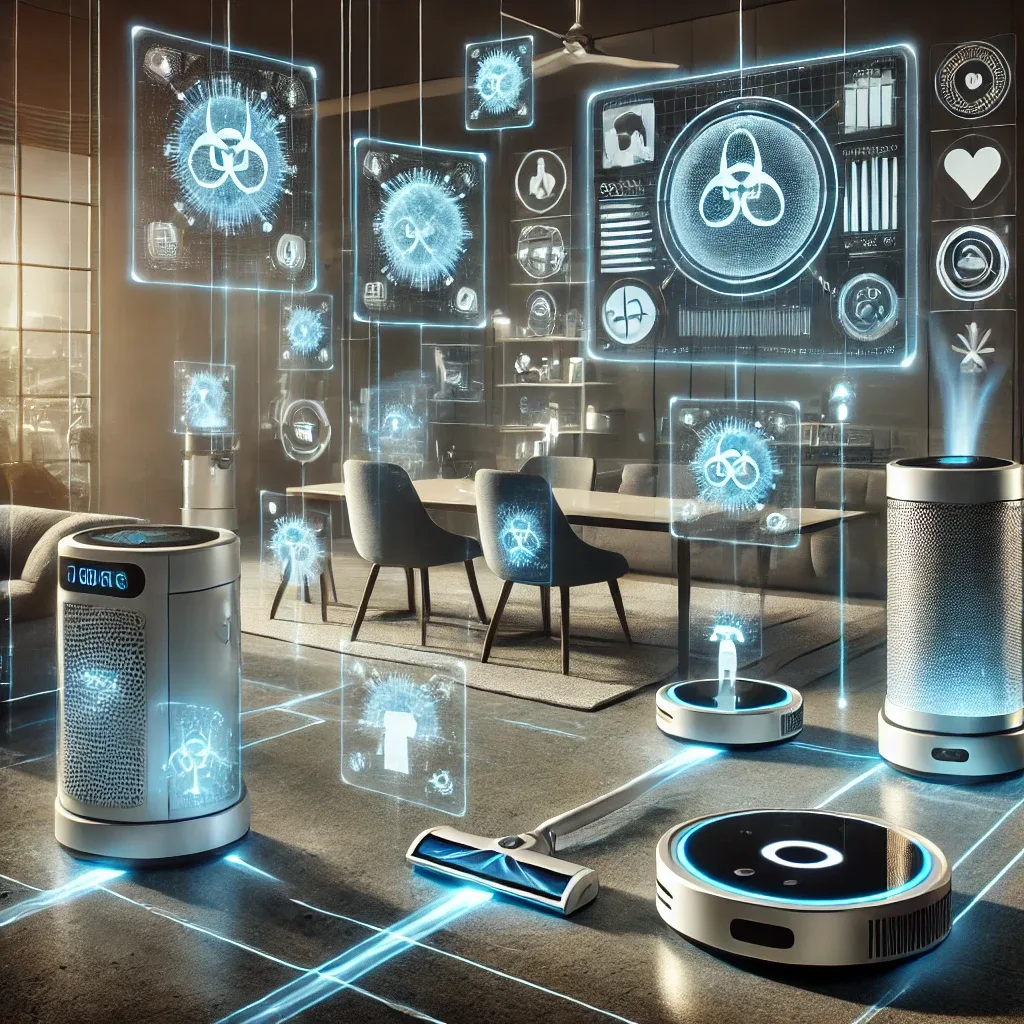
Cutting-Edge Technology for PM2.5 and Dust Elimination: Equipment Selection Guide for Every Home
Explore cutting-edge technologies for eliminating PM2.5 and dust, from smart air purifiers and robot vacuums to electric dust curtains and auto-ventilation, with selection guidance tailored to your home type.
read ↗
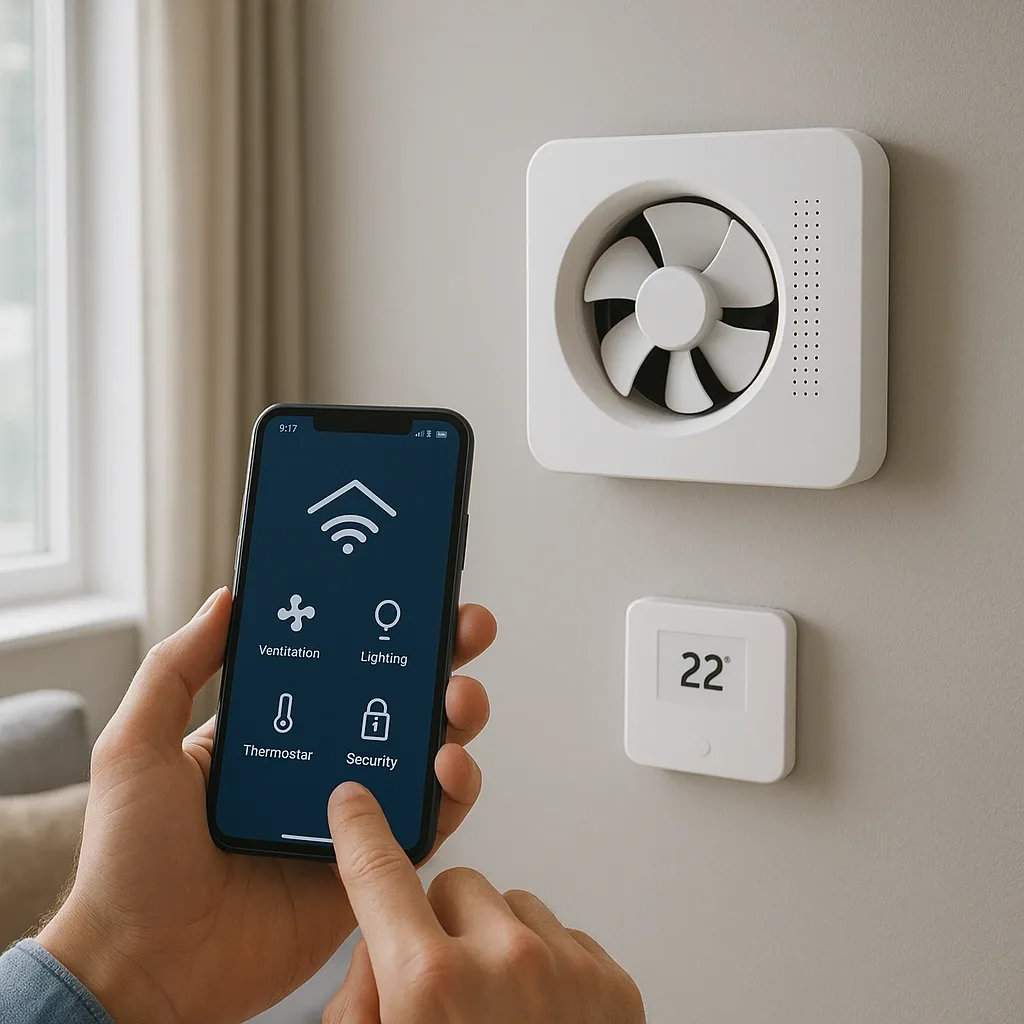
VOC and Formaldehyde from New Furniture: Ventilation Protocols for New Homes and Recent Renovations
New homes and furniture release formaldehyde and VOCs at peak levels during the first 3-6 months. A correct ventilation protocol during this period significantly reduces indoor accumulation and protects family health.
read ↗
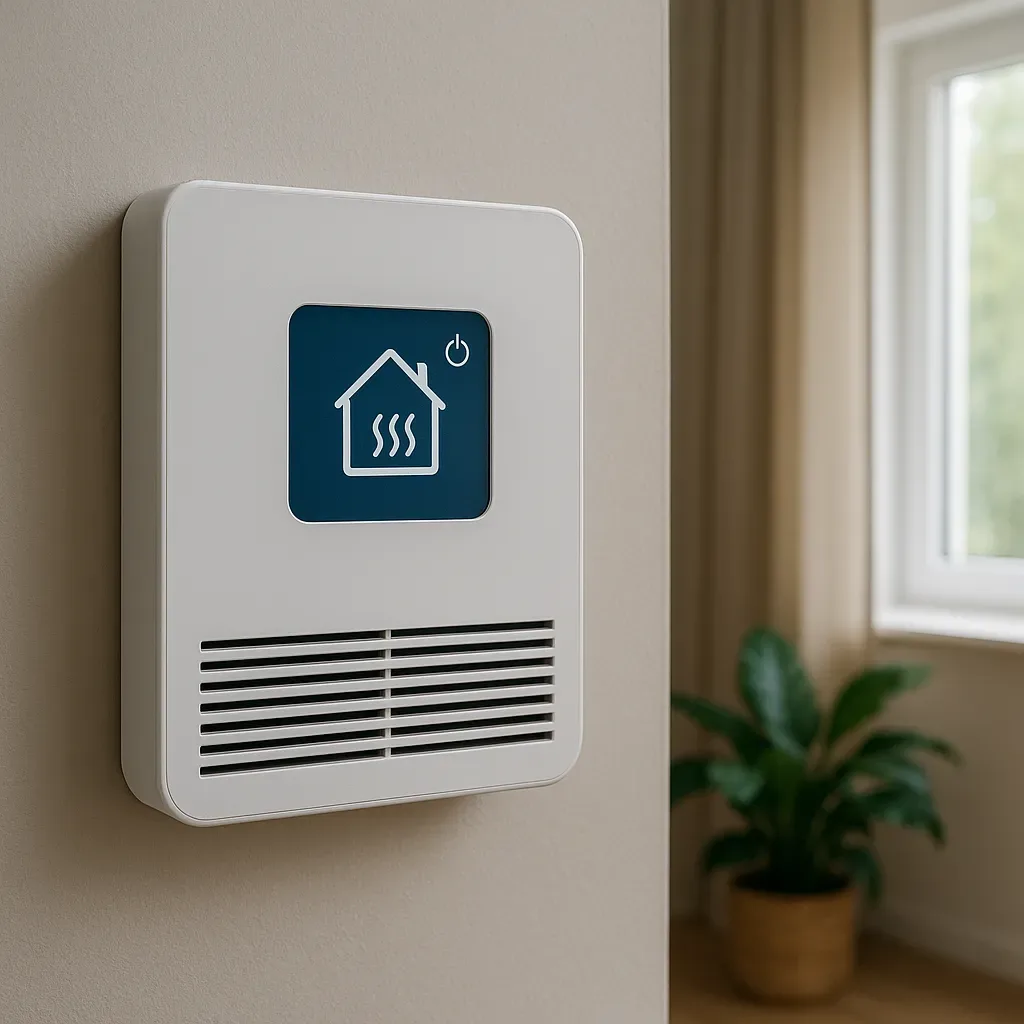
CO2 Demand-Controlled Ventilation: ASHRAE 62.1 Calculation and Multi-Level Automation for Thai Homes
Good ventilation should respond to actual occupancy, not run constantly. CO2 Demand-Controlled Ventilation uses CO2 sensors to modulate airflow based on actual occupants — saving energy while maintaining ASHRAE 62.1 air quality standards.
read ↗
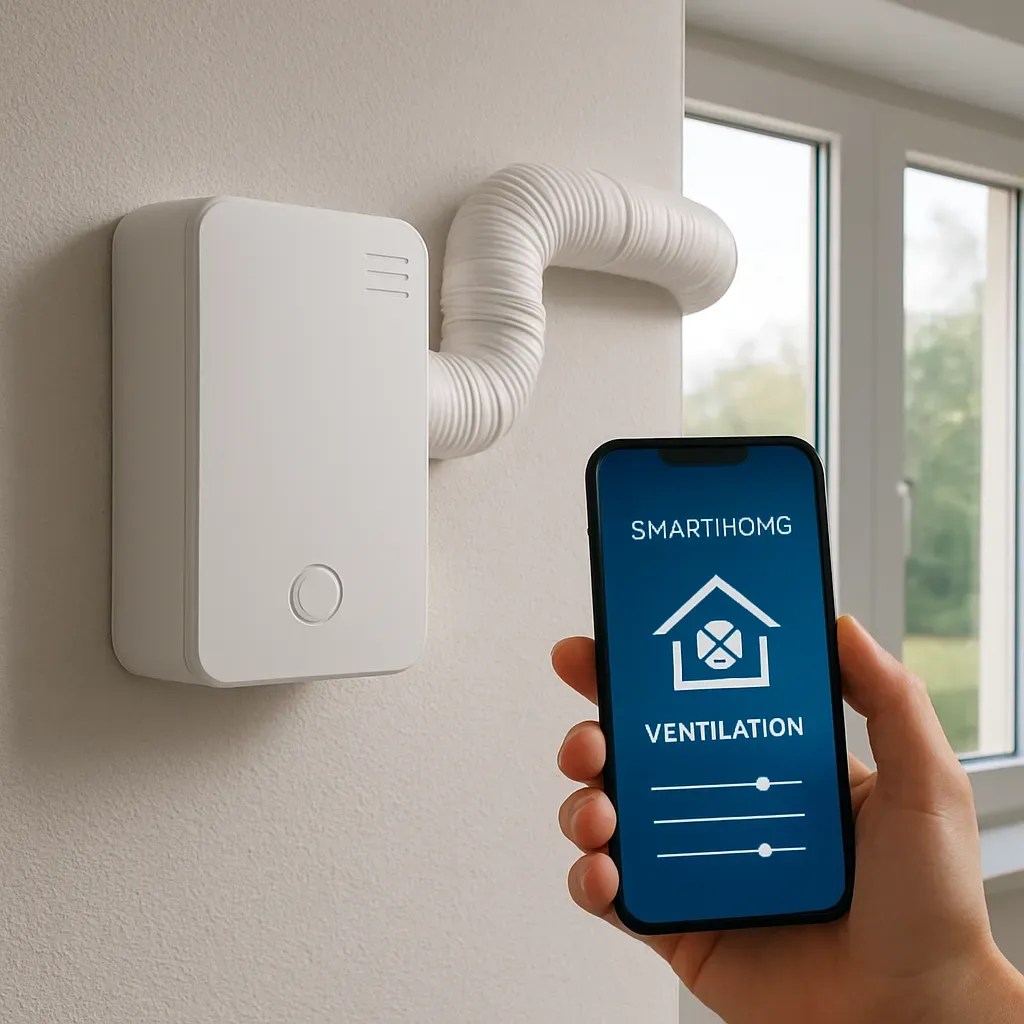
Smart Ventilation Techniques: Positive vs Negative Pressure, CFM Calculation for Thai Home Kitchens and Bathrooms
Effective smart ventilation requires understanding pressure balance, calculating correct CFM for Thai kitchens and bathrooms, and designing a whole-home airflow hierarchy that adapts to PM2.5 and monsoon conditions.
read ↗
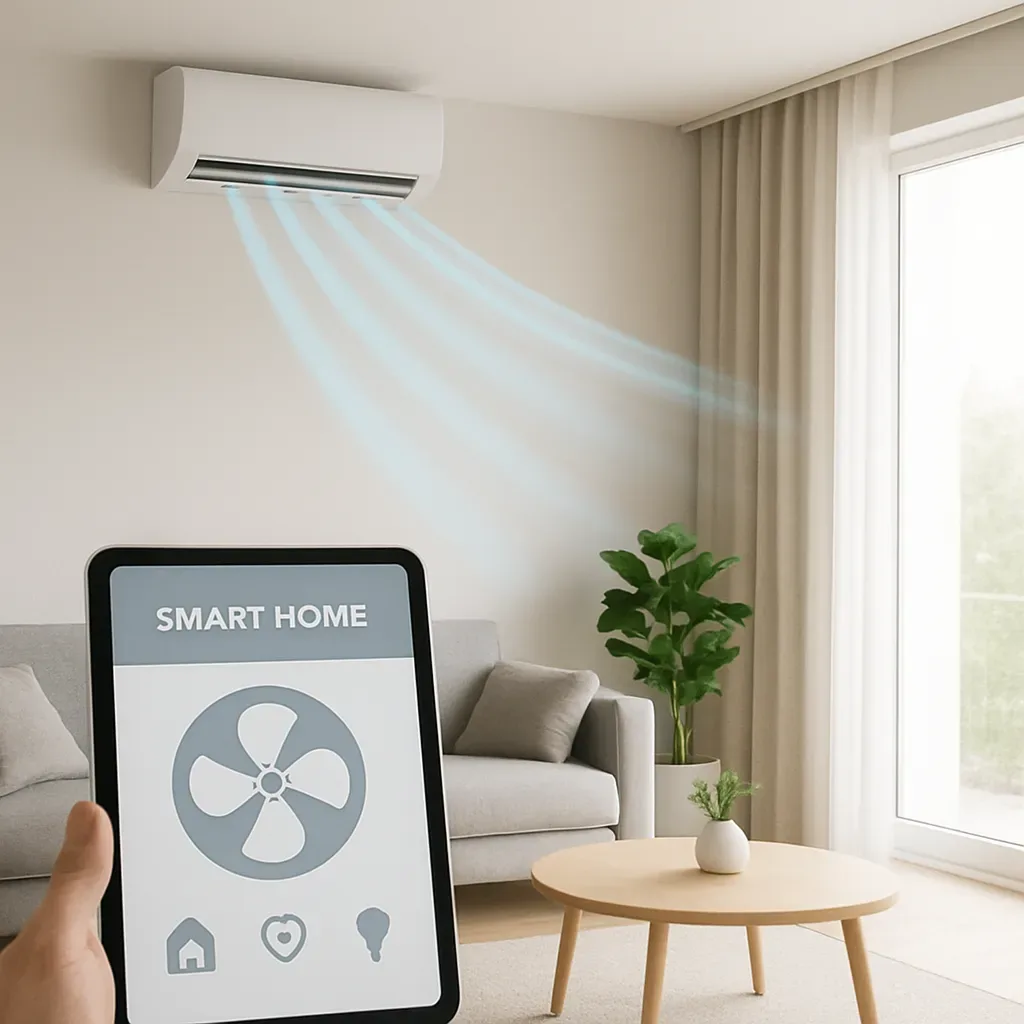
HEPA H13 vs H14, MVHR vs ERV: Choosing the Right Smart Ventilation System for Thai Homes
Smart ventilation systems differ critically: HEPA H13 vs H14, MVHR vs ERV. Understanding which suits Thai conditions — high humidity, PM2.5 season, open-plan homes — prevents costly mismatches.
read ↗