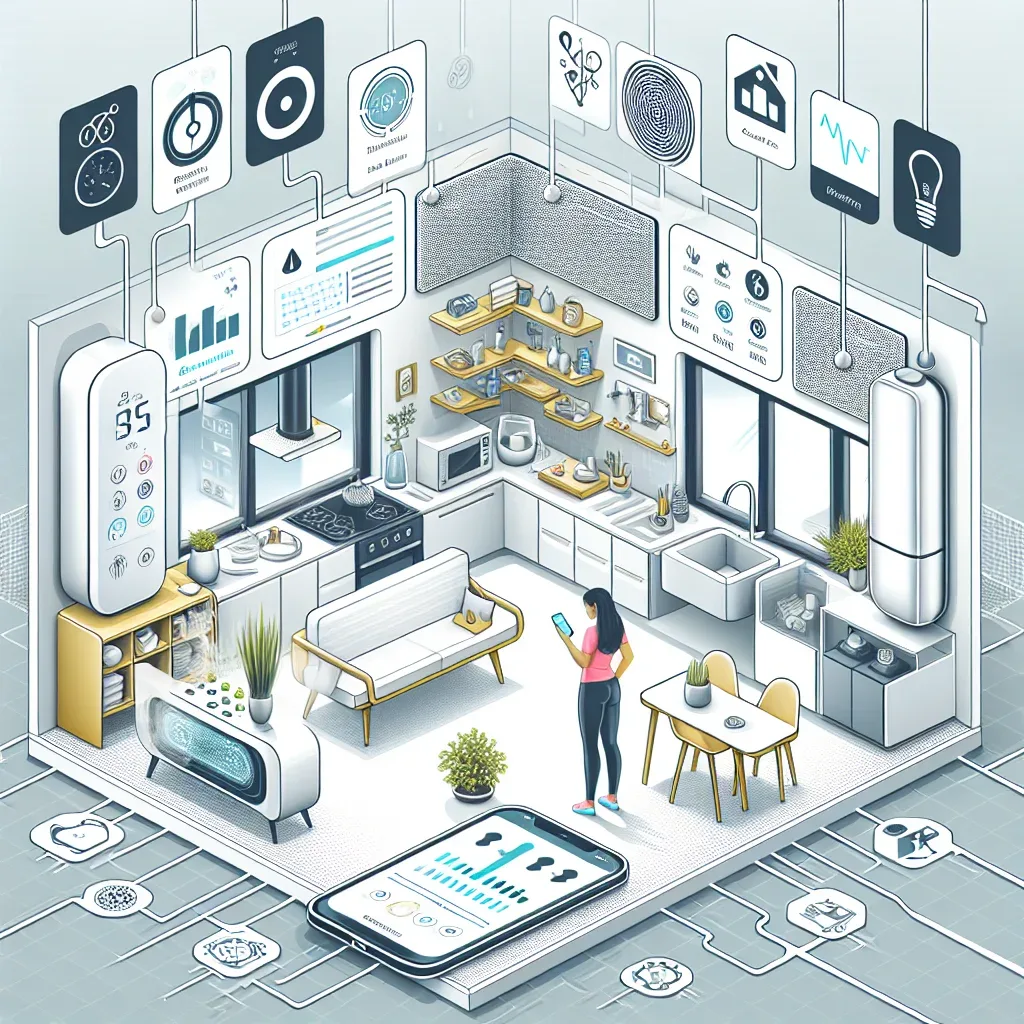
Many people see Smart Home as convenience and technology. But the deeper value lies in sustainable healthcare — particularly air quality management that directly affects the physical and mental health of everyone in the home.
Why Indoor Air Quality Matters for Health
The World Health Organization reports that indoor air can contain 2-5 times more pollutants than outdoor air. Sources include cooking smoke, PM2.5 infiltrating from outside, VOC compounds from furniture and wall paint, accumulated CO2 from breathing, and mold from humidity.
Harvard T.H. Chan School of Public Health research found that reducing CO2 from high levels (above 1,000 ppm) to normal (below 600 ppm) improves decision-making ability by 101% and reduces headaches by 30%.
IoT Systems for Respiratory Health
Combining smart air purifiers with air quality sensors creates an automatic health maintenance system. CO2 and PM2.5 sensors send real-time data to Home Assistant, which commands the Xiaomi 4 Pro or Dyson Pure Cool TP07 to adjust fan speed as needed.
A Positive Air Pressure (PAP) system using ERV at 30,000-80,000 THB creates positive air pressure inside the home, blocking outdoor PM2.5 from infiltrating through building gaps. The home maintains clean air even on high-pollution days.
Temperature and Humidity Control for Health
Proper temperature and humidity significantly affect health. Recommended ranges are 22-26°C and 40-60% relative humidity. Smart thermostats like the Nest Thermostat Gen4 at 9,000-13,000 THB or Ecobee SmartThermostat at 8,000-12,000 THB maintain these levels automatically throughout the day.
Humidity above 60% creates conditions where mold and dust mites thrive — the primary causes of allergies and asthma. ERV systems manage incoming humidity more effectively than air conditioning alone.
Automatic Ventilation Scheduling
Scheduled and sensor-triggered ventilation is the core of a healthy home. Home Assistant automations open ventilation from 06:00-08:00 to clear overnight CO2 accumulation, then close when outdoor PM2.5 exceeds 50 µg/m³.
LINE Notify daily air quality reports help families understand their home environment and adjust behaviors — opening windows during clean air periods or avoiding high-smoke cooking when indoor air quality is already degraded.
Health Wearables Connected to Smart Home
Integrating health wearables with Smart Home elevates healthcare further. Apple Watch, Fitbit Sense 2 at 6,500-8,500 THB, or Withings ScanWatch at 9,000-15,000 THB detect stress levels, sleep quality, and breathing rate.
When a wearable detects poor sleep quality, the Smart Home can automatically adjust — lowering bedroom temperature by 1-2°C, running the bedroom purifier on quiet mode, and reducing CO2 before bedtime — producing measurable improvements in sleep quality.