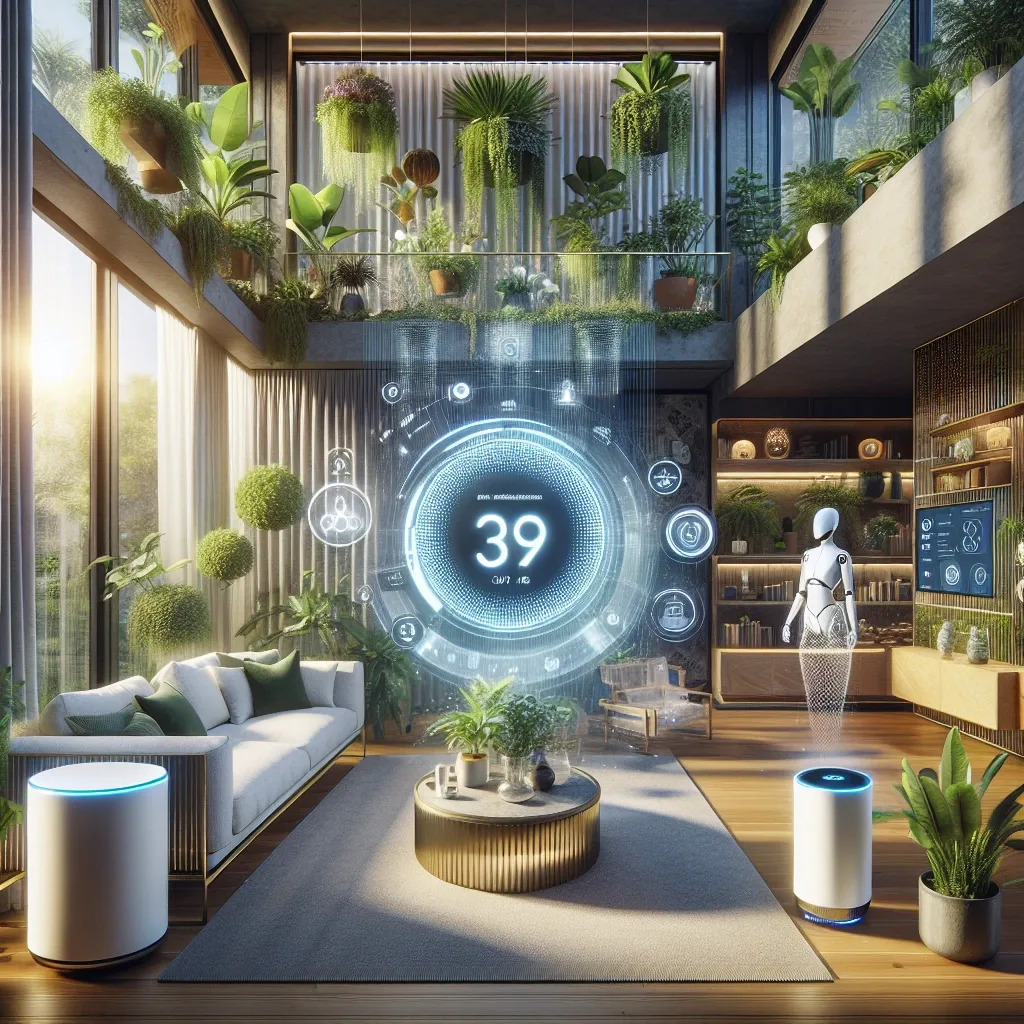
If you ask whether a Smart Home is worth the investment, the clearest answer lies in health — particularly in Bangkok, where PM2.5 frequently exceeds WHO standards throughout the year. A well-designed Smart Home system protects every family member automatically, regardless of whether they are young children, elderly, or allergy sufferers.
Reason 1: Automatic Pollution Detection and Filtration
Air quality sensors like the Aqara TVOC at 2,500-3,000 THB or IKEA VINDSTYRKA at 1,200 THB measure PM2.5, CO2, and VOC in real time. When values exceed thresholds, Home Assistant immediately commands the Xiaomi 4 Pro or Dyson Pure Cool to activate — without waiting for residents to notice the air quality deteriorating.
This is especially critical during Bangkok's cool season (November-February), when PM2.5 can reach 60-80 µg/m³, four times the WHO standard. Without automation, families may breathe polluted air for hours without realizing it.
Reason 2: Optimal Temperature and Humidity Control
Temperatures of 22-26°C and humidity of 40-60% represent the ideal living environment for humans. Smart thermostats like Nest Gen4 at 9,000-13,000 THB or Ecobee at 8,000-12,000 THB maintain these levels automatically throughout the day. Humidity above 60% enables mold and dust mite proliferation — the primary causes of allergies and asthma.
Reason 3: Dangerous Gas Alert Systems
CO (carbon monoxide) sensors at 1,500-3,000 THB can save lives. CO is colorless, odorless, and lethal — the only warning is drowsiness. When Home Assistant detects elevated CO levels, it simultaneously activates ventilation fans, locks heating systems, and sends LINE emergency notifications.
Beyond CO, LPG gas sensors at 800-1,500 THB should be installed in kitchens with gas stoves, automatically detecting leaks and closing smart gas valves.
Reason 4: Energy Savings and Lower Electricity Bills
Smart Homes save 25-40% on energy through multiple mechanisms. Presence sensors turn off air conditioning and lights when rooms are unoccupied. Smart Plugs identify high-draw devices in real time. ERV systems recover cooling energy from exhaust air, reducing air conditioner load by 15-25%.
For a 150 square meter Bangkok home with monthly electricity costs of 5,000-8,000 THB, a 30% saving equals 1,500-2,400 THB per month — recovering basic Smart Home equipment costs within 2-3 years.
Reason 5: Improved Sleep Quality
Research shows that bedroom CO2 above 800 ppm significantly degrades sleep quality. Smart Home automation opens quiet ERV or ventilation fans overnight, maintaining CO2 below 600 ppm throughout sleep. Circadian Lighting shifts bulbs from 4000K to 2700K before bedtime, naturally stimulating melatonin production.
Families with health-focused Smart Home systems consistently report measurably improved sleep quality, particularly for children and elderly members who are most sensitive to air quality.