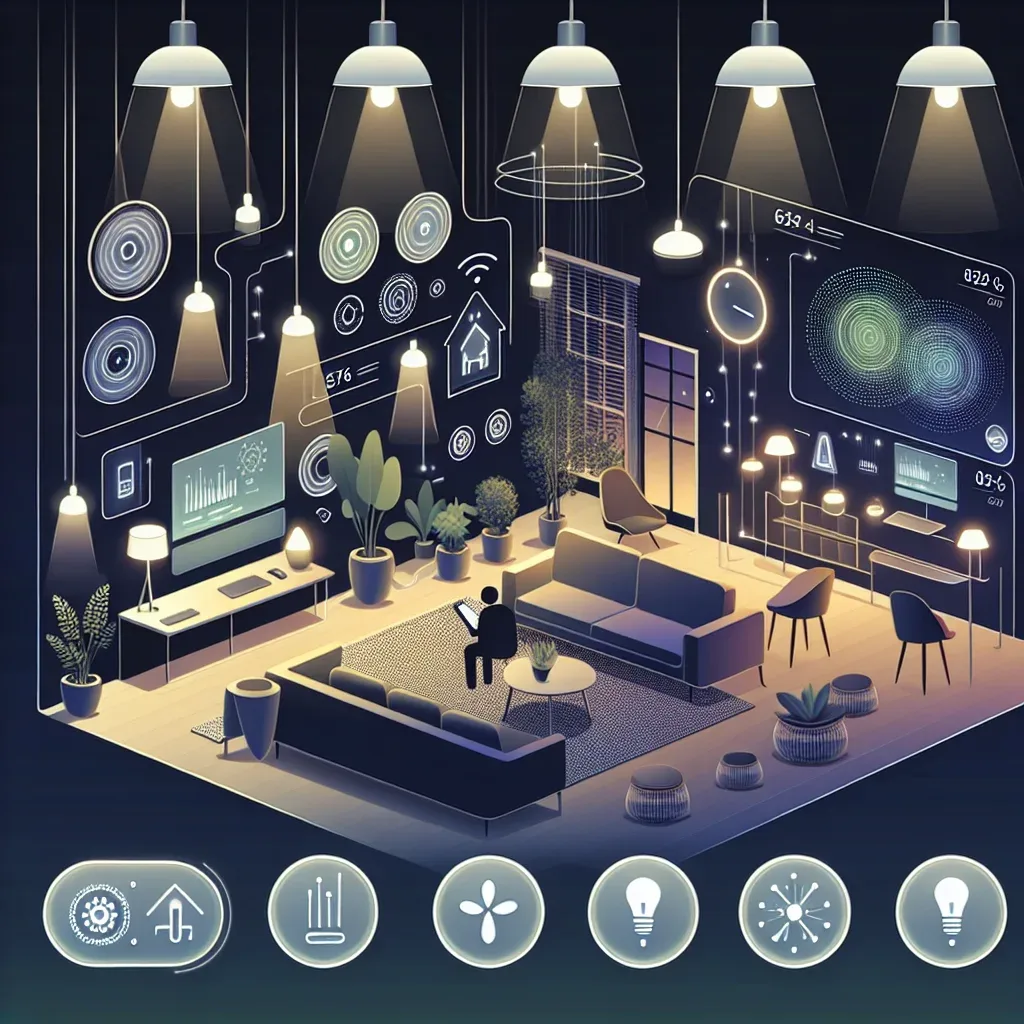
Indoor air quality is not just comfort — it is a critical health factor that many overlook. Integrating Fresh Air Systems with Smart Home technology makes air management automatic and maximally effective.
Health Impact of Air Quality
WHO research indicates indoor air pollution kills over 3.8 million people annually worldwide. PM2.5 particles smaller than 2.5 microns can enter the bloodstream directly, increasing cardiovascular disease risk by 30-35% and lung cancer risk by 20-25%.
CO2 above 1,000 ppm significantly reduces cognitive performance. VOC compounds from new furniture, toys, and cleaning products accumulate in poorly ventilated homes, causing Sick Building Syndrome.
Fresh Air System Types for Smart Home
Smart HVAC connected to Home Assistant via Modbus RTU or BACnet suits buildings with existing HVAC infrastructure. Smart thermostats like Nest or Ecobee control HVAC directly through APIs.
Smart air purifiers supporting Mi Home, Dyson API, or Tuya offer flexible options for renters. IoT-controlled fans using Smart Plugs at 300-800 THB with standard fans create simple ventilation systems at minimal cost.
Smart Home Control Methods
Home Assistant serves as a powerful control center for complex automations: running low-energy fans overnight to clear CO2 without disturbing sleep, automatically checking filter status via purifier APIs and sending LINE notifications when replacements are due.
Automatic temperature and humidity control via Smart Thermostat maintains optimal conditions throughout the day. Lowering temperature 1-2°C before bedtime measurably improves sleep quality.
Alerts and Reporting Systems
Good alert systems help families adjust behavior in time. LINE Notify in Home Assistant sends daily air quality summaries, emergency alerts when PM2.5 or CO2 spike abnormally, and maintenance reminders for HEPA filter replacement every 6-12 months.
The Home Assistant Lovelace dashboard displays easy-to-read real-time data. 24-hour trend graphs reveal air quality patterns — PM2.5 rising in the evening from traffic, or CO2 accumulating late at night.
Integrating Safety Alerts with Home Assistant
Smart Home air systems also incorporate safety alerts. CO (carbon monoxide) sensors at 1,500-3,000 THB trigger HA to activate ventilation fans, lock heating systems, and send LINE emergency notifications with push alerts across all platforms when dangerous levels are detected.
Integrating CO, CO2, PM2.5, VOC, and temperature/humidity monitoring into a unified system brings your home to the same air quality standard as premium commercial office buildings.