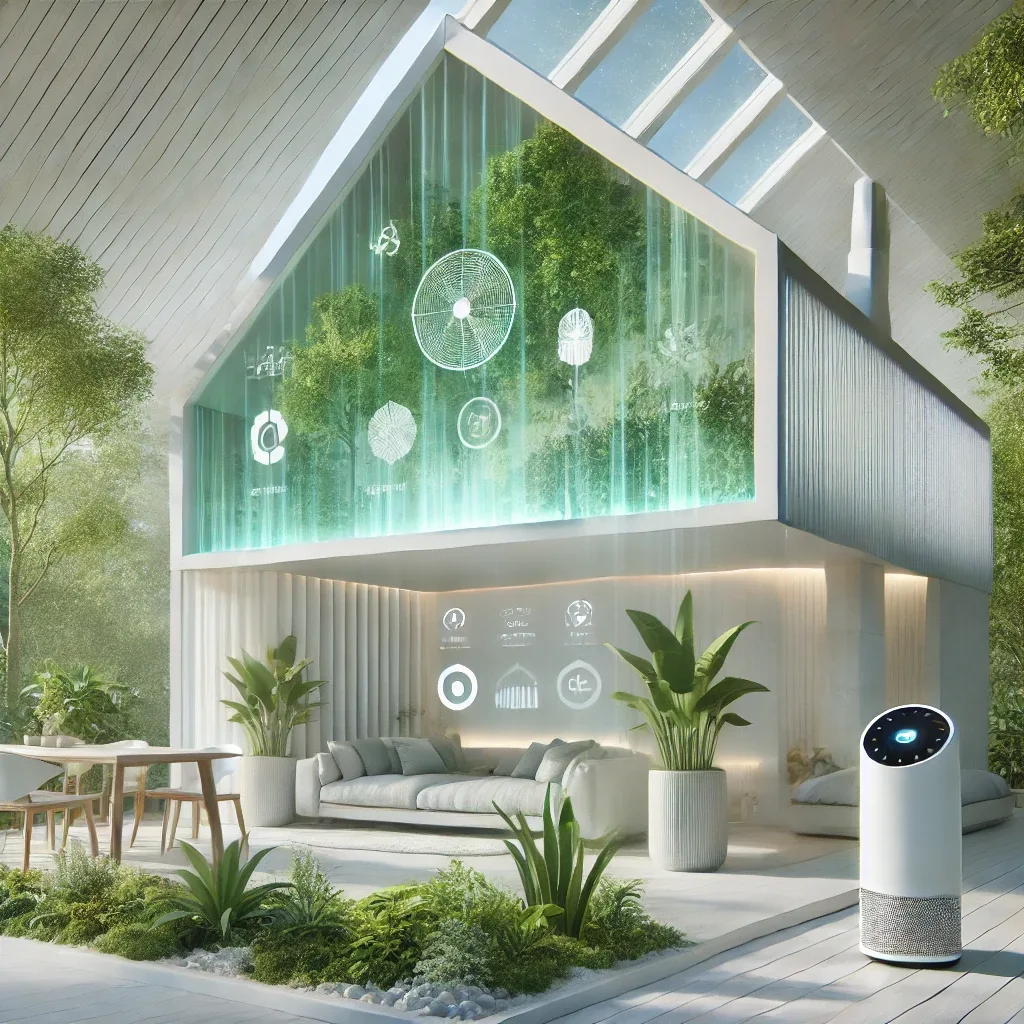
Fresh Air Home Care describes the concept of building a home with automatic clean air systems that protect residents' health — seamlessly integrating IoT technology with ventilation and air purification systems.
Core Benefits of Fresh Air Home Care
A well-implemented Fresh Air Home Care system delivers benefits across multiple dimensions. Physical health: PM2.5 filtered through HEPA H13 at 99.95% efficiency provides long-term respiratory protection. Mental health: maintaining 22-26°C and 40-60% humidity creates a relaxing environment that supports quality sleep.
Energy savings: ERV systems save 15-25% on air conditioning by recovering cooling energy from exhaust air. Convenience: the system operates automatically 24 hours without manual adjustments.
How to Integrate IoT with Home Air Systems
Integration begins with deploying a sensor network throughout the home. Install Aqara TVOC sensors in the bedroom, living room, and kitchen, connecting via Zigbee to Home Assistant on Raspberry Pi 5. Then connect the air purifier, ERV unit, and ventilation fans into the same unified system.
Automation logic: when bedroom CO2 exceeds 800 ppm at night, automatically increase ERV speed. When outdoor PM2.5 exceeds 75 µg/m³, close fresh air intake and increase purifier speed. When kitchen VOC spikes after cooking, automatically activate the kitchen exhaust fan.
Recommended Smart Purifiers for Fresh Air Home Care
For bedrooms: Xiaomi Smart Air Purifier 4 Compact at 6,500-8,000 THB runs exceptionally quiet in night mode (under 25 dB) with HEPA H13 filtration. For living rooms: Xiaomi Smart Air Purifier 4 Pro at 8,500-12,000 THB covers up to 60 square meters.
For maximum quality: Dyson Purifier Cool Formaldehyde TP09 at 25,000-35,000 THB permanently destroys formaldehyde with a catalytic filter. Awair Element at 6,500-8,500 THB provides high-quality multi-sensor air monitoring covering CO2, VOC, PM2.5, temperature, and humidity.
Panasonic WhisperAir Repair for Thai Homes
Panasonic WhisperAir Repair with nanoe X technology is a compelling option for the Thai market at 15,000-25,000 THB. nanoe X produces OH radical particles that destroy bacteria, viruses, and allergens without requiring HEPA filters, making maintenance simpler.
The system connects via Wi-Fi to Home Assistant through the Panasonic Comfort Cloud API, enabling full automation control.
Measurable Results from Fresh Air Home Care
Families using Fresh Air Home Care systems report clear outcomes: 40-60% reduction in respiratory illness doctor visits during the first year, significantly improved sleep quality especially in rooms where CO2 is kept below 600 ppm, meaningful improvement in children with asthma, and 15-20% increase in work-from-home productivity.