Home Assistant
692 articles on Home Assistant.
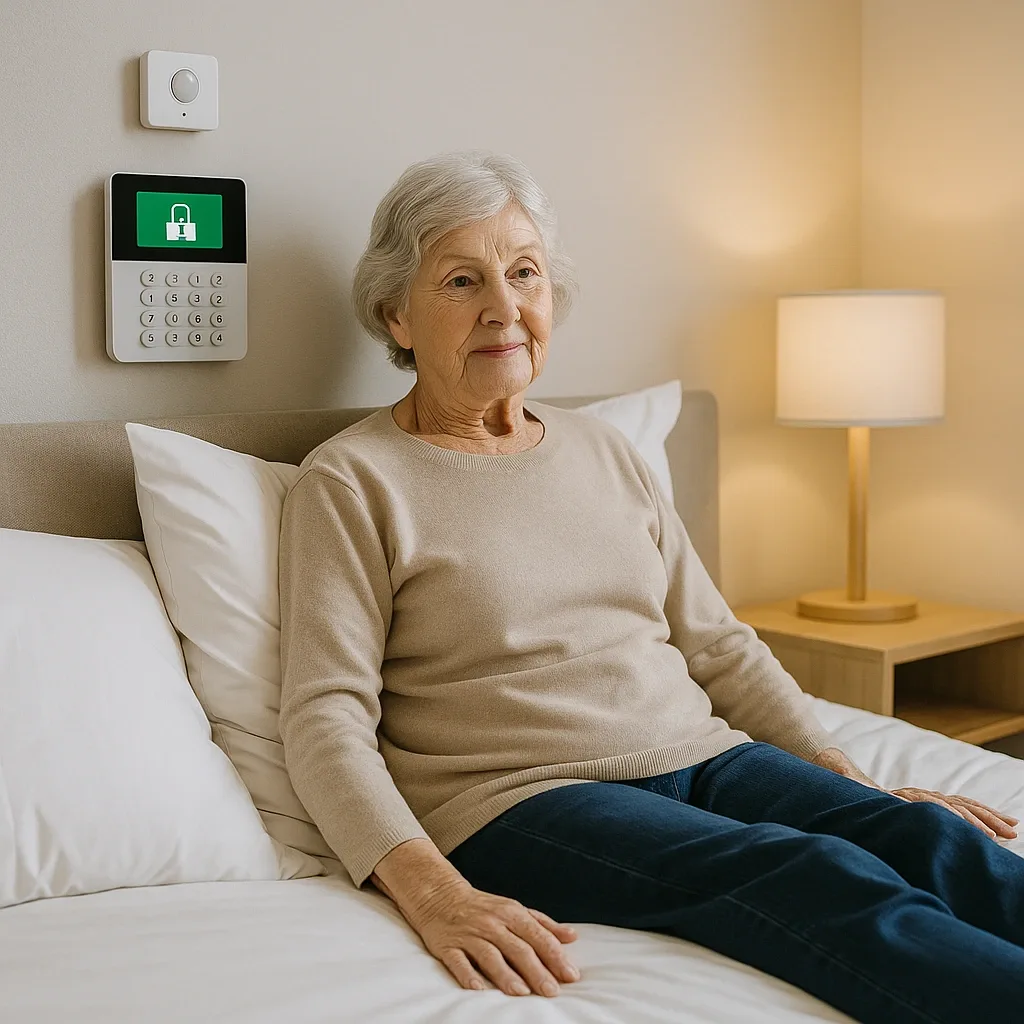
Stay Safe at Home Alone: A 3-Zone Smart Home Safety Framework for the Elderly
A complete Smart Home safety system for elderly residents living alone covers 3 zones: Entry, Living Areas, and Wet Zones. Total budget 28,000–45,000 THB.
read ↗
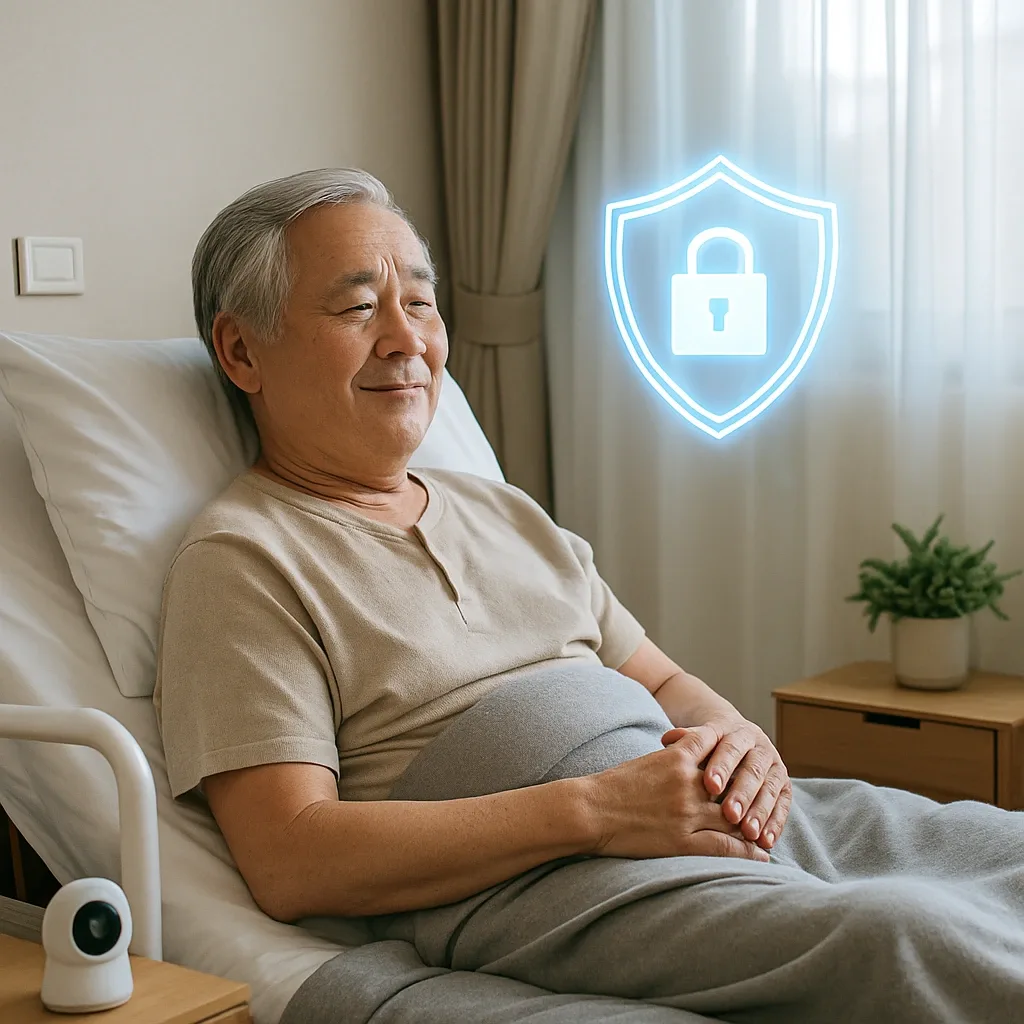
Elderly Living Alone With Confidence: 4 Psychological Pillars Smart Home Builds Beyond Physical Safety
Smart Home for elderly residents is more than physical safety — it builds psychological confidence through 4 pillars. Research finds a 67% reduction in anxiety about living alone.
read ↗
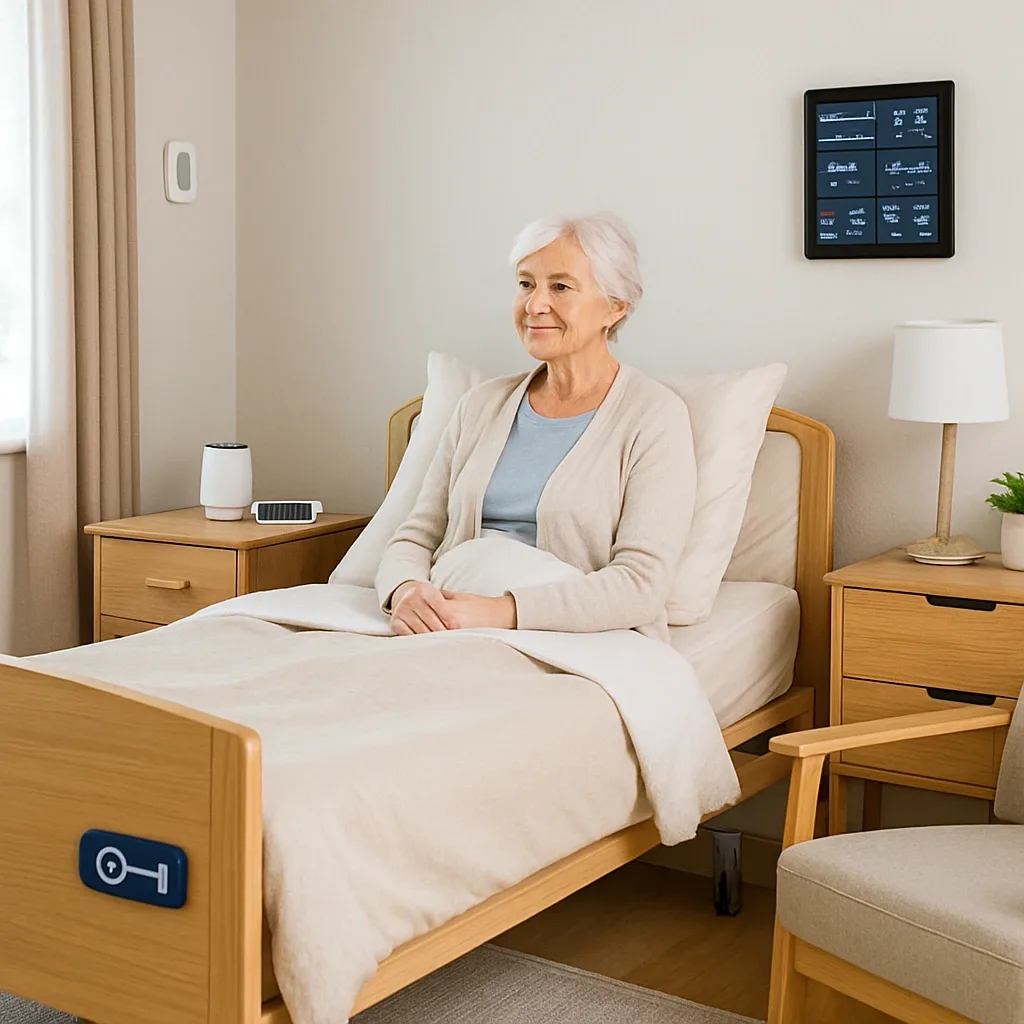
Convert a Normal Room Into an Elderly Smart Wellness Room: A 21-Day Action Plan for 18,000–25,000 THB
A 21-day step-by-step action plan to convert a standard 4×4 m Thai bedroom into an elderly Smart Wellness Room — no major renovation, budget 18,000–25,000 THB.
read ↗
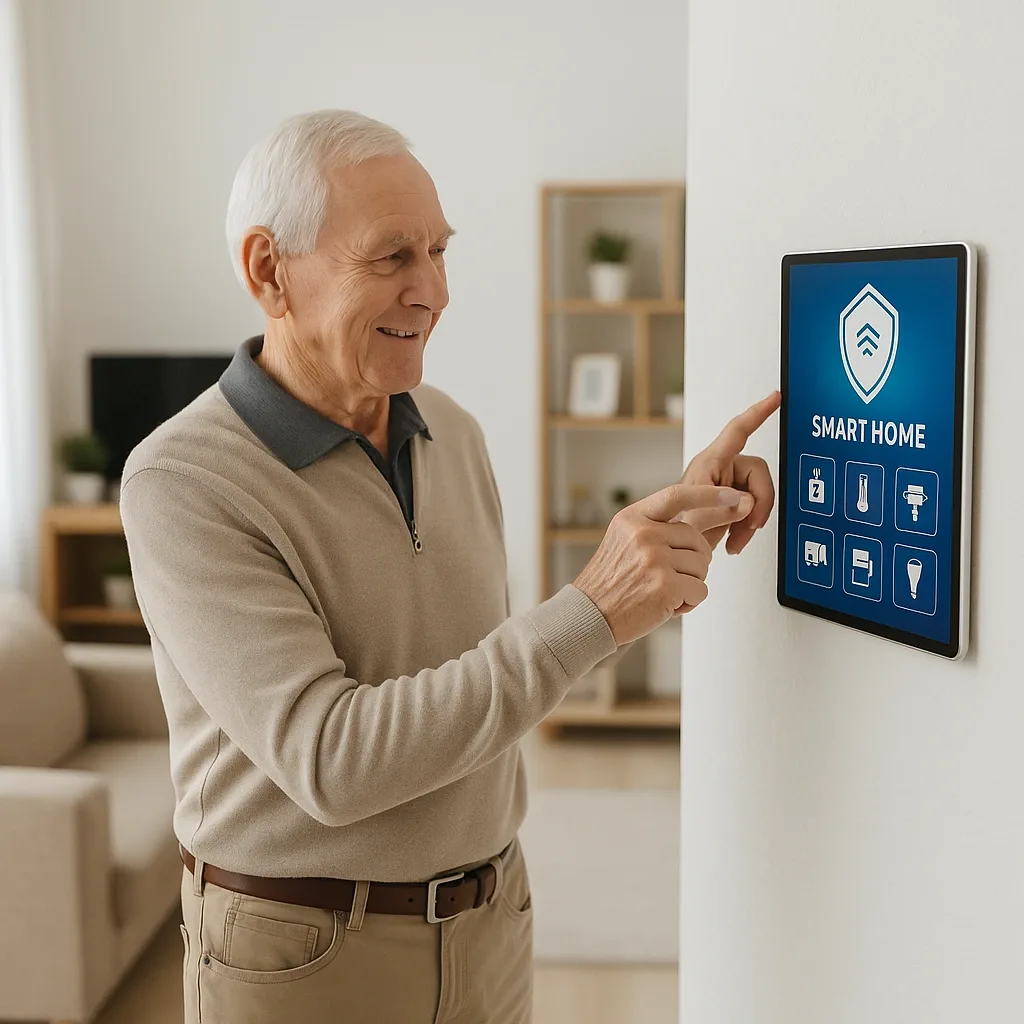
5 Must-Have Smart Home Features for Elderly Living Alone: Ranked by Thai Family Survey Data
Thai family survey data ranks the 5 most essential Smart Home features for elderly residents living alone, with device recommendations and budgets for each.
read ↗
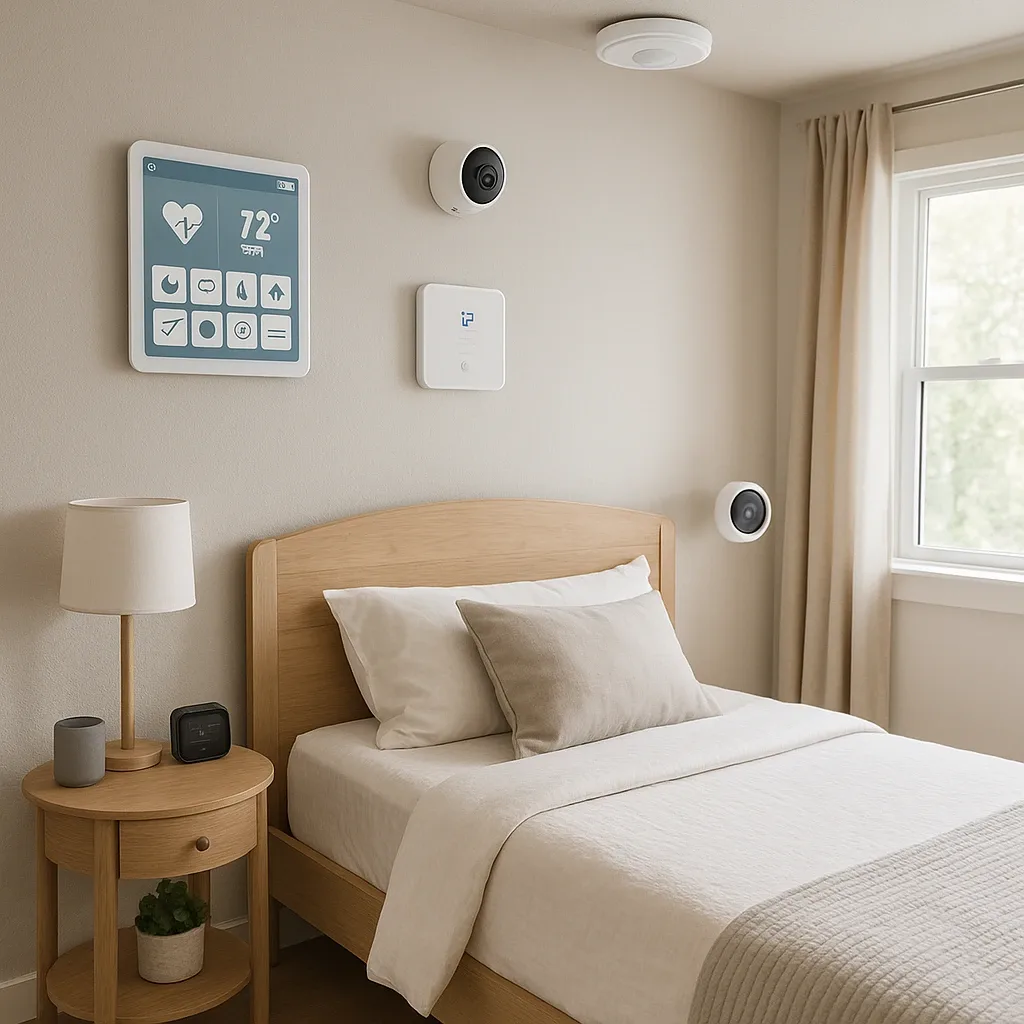
5 Technologies Every Elderly Living Room Should Have for Maximum Safety and Daily Comfort
The living room is where Thai elderly residents spend the most time each day. This article covers 5 technologies designed specifically for the living room — from nap detection in front of the TV to Voice Control that actually works.
read ↗
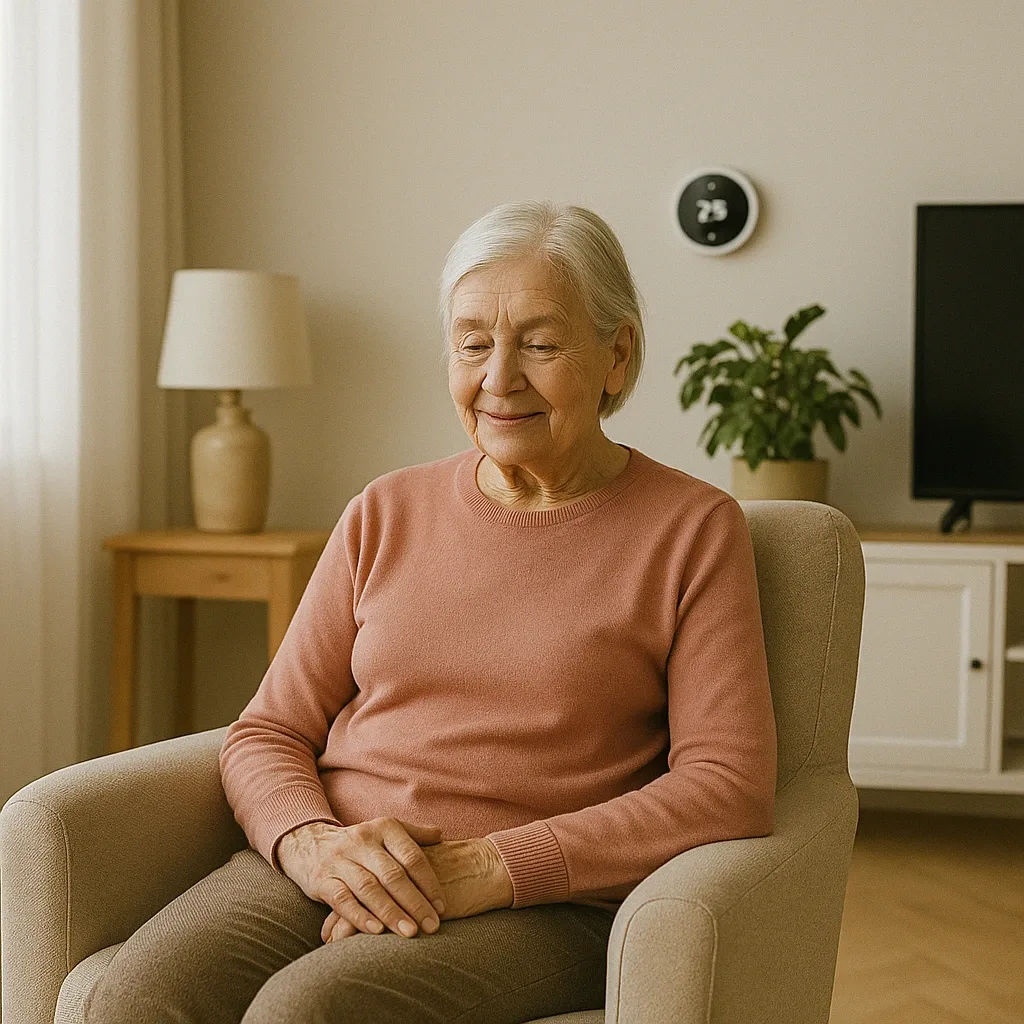
Elderly Living Alone with Peace of Mind: Room-by-Room Smart Home Upgrade Starting Under 10,000 THB
You do not have to do everything at once. A room-by-room approach lets budget-constrained families build safety incrementally — starting with the highest-risk point first and expanding over time.
read ↗
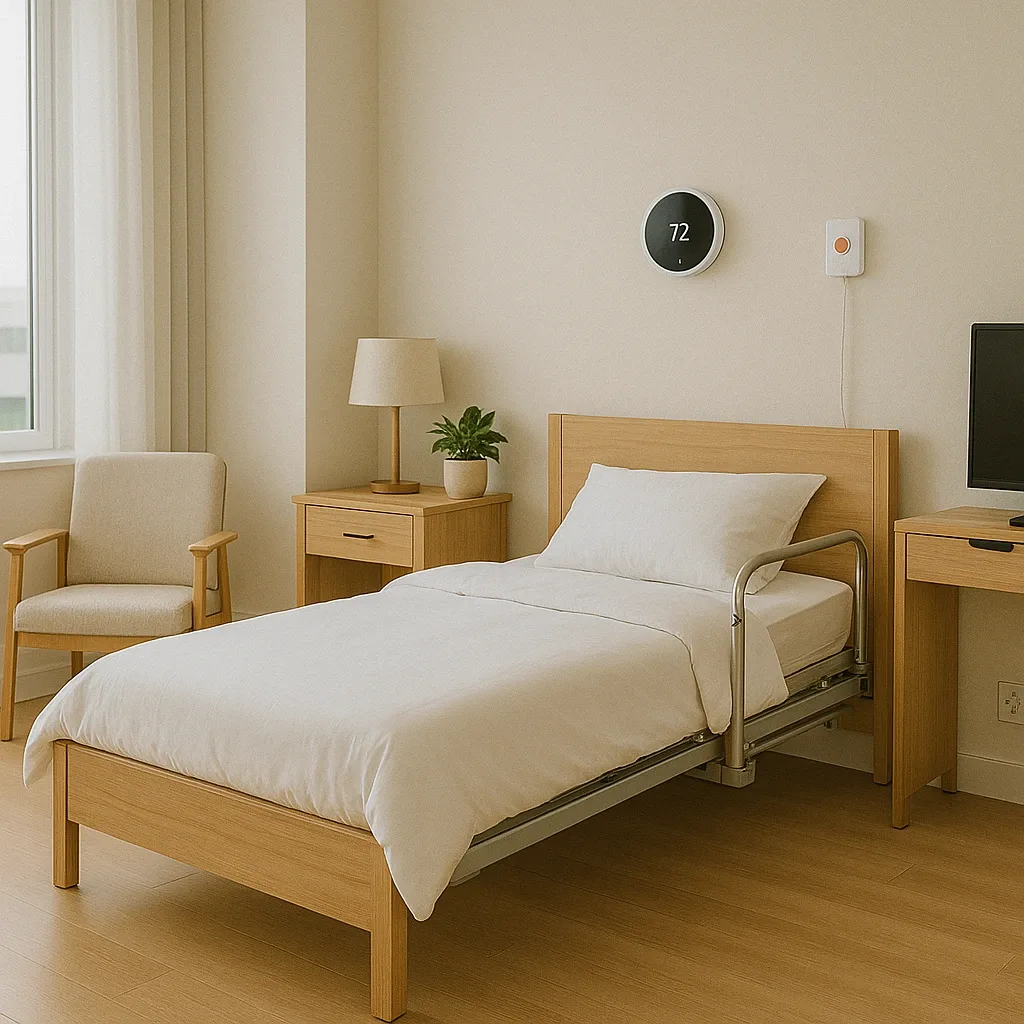
Smart Wellness Room Renovation: Before-and-After Case Study for a Thai Elderly Bedroom
A real-world renovation case study converting an ordinary Thai bedroom into a full Smart Wellness Room — with Bill of Materials, actual budget, installation timeline, and measurable outcomes after 90 days.
read ↗
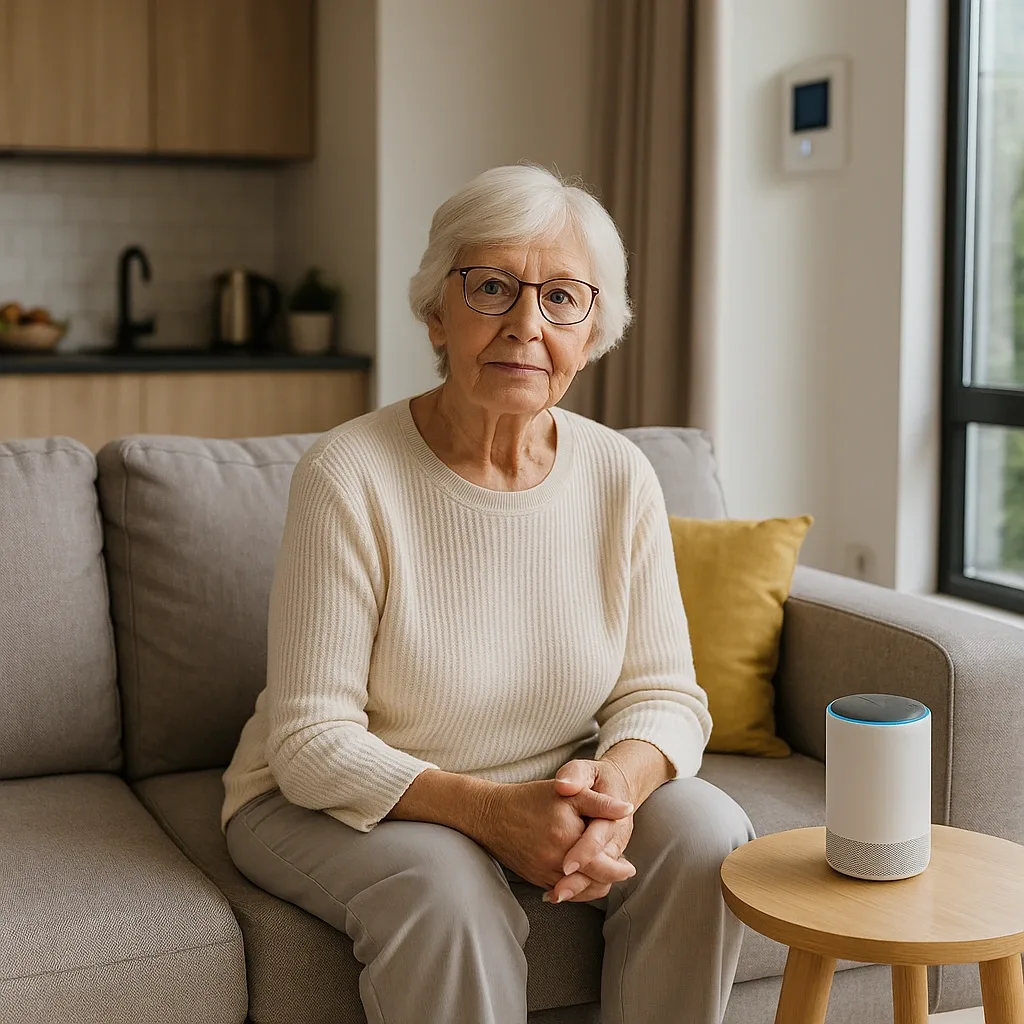
Smart Home Night Safety for Elderly: Managing the 6 PM to 6 AM High-Risk Window Alone
The 18:00–06:00 window is when elderly residents are most alone and most at risk. This article designs a Night Safety system specifically for nighttime — covering falls, abnormal breathing during sleep, and unusual late-night exits.
read ↗
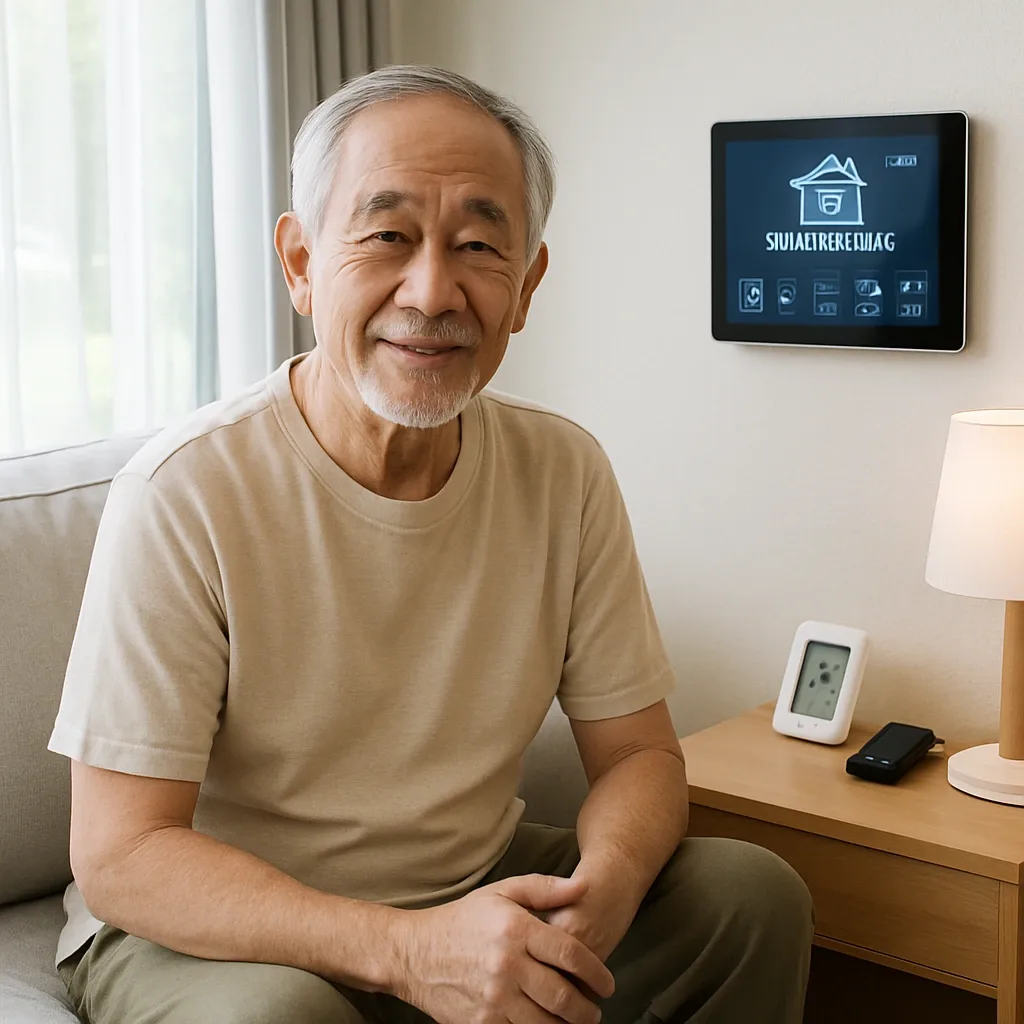
Elderly Renters Living Alone Can Stay Safe: No-Drill Smart Home Upgrades for Rented Homes
Elderly residents in rented homes or condominiums can still upgrade safety systems without drilling or running cables. This guide covers wireless and non-permanent solutions that install easily and move when you do.
read ↗
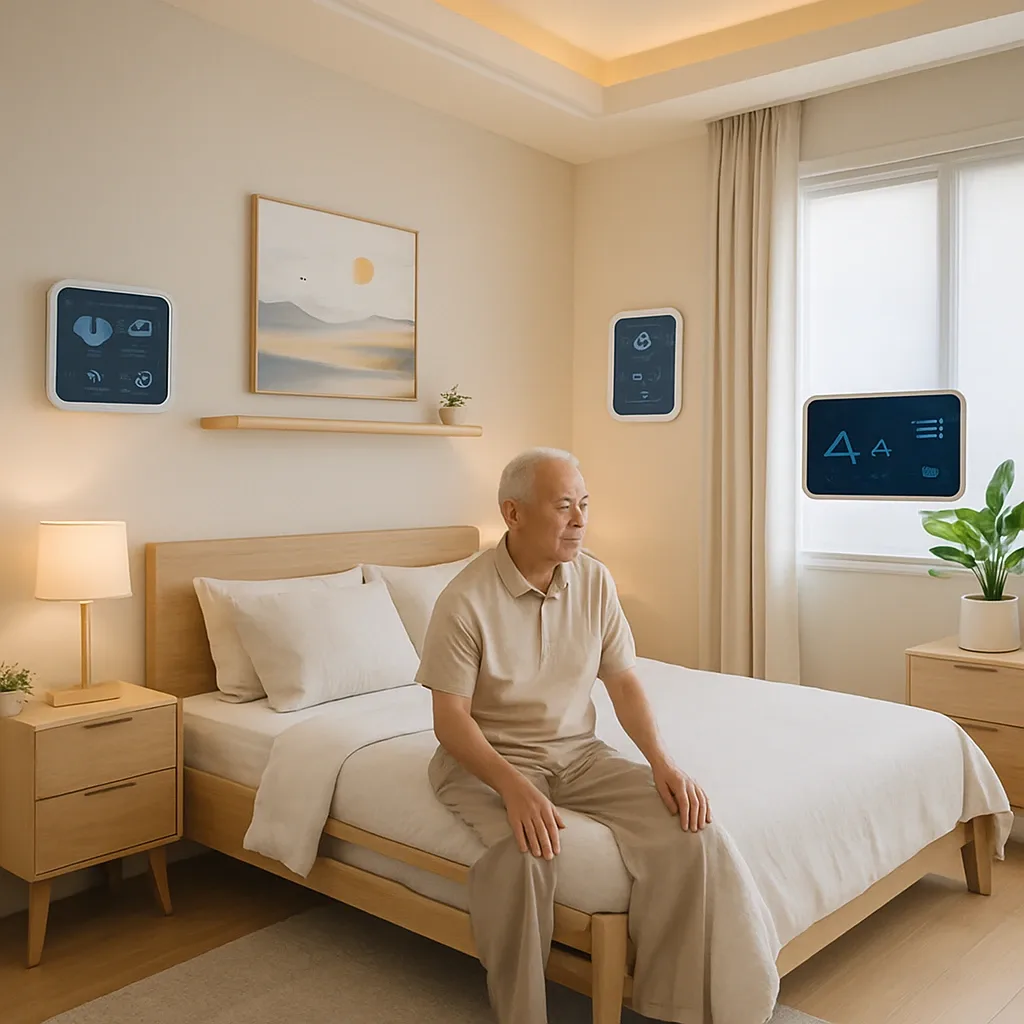
What Is a Smart Wellness Room? Defining the Elderly Room That Unites Universal Design and Tech
A Smart Wellness Room is not just a bedroom with more gadgets — it is a room designed around 5 foundational principles that enable elderly residents to live independently, safely, and in good health every day.
read ↗
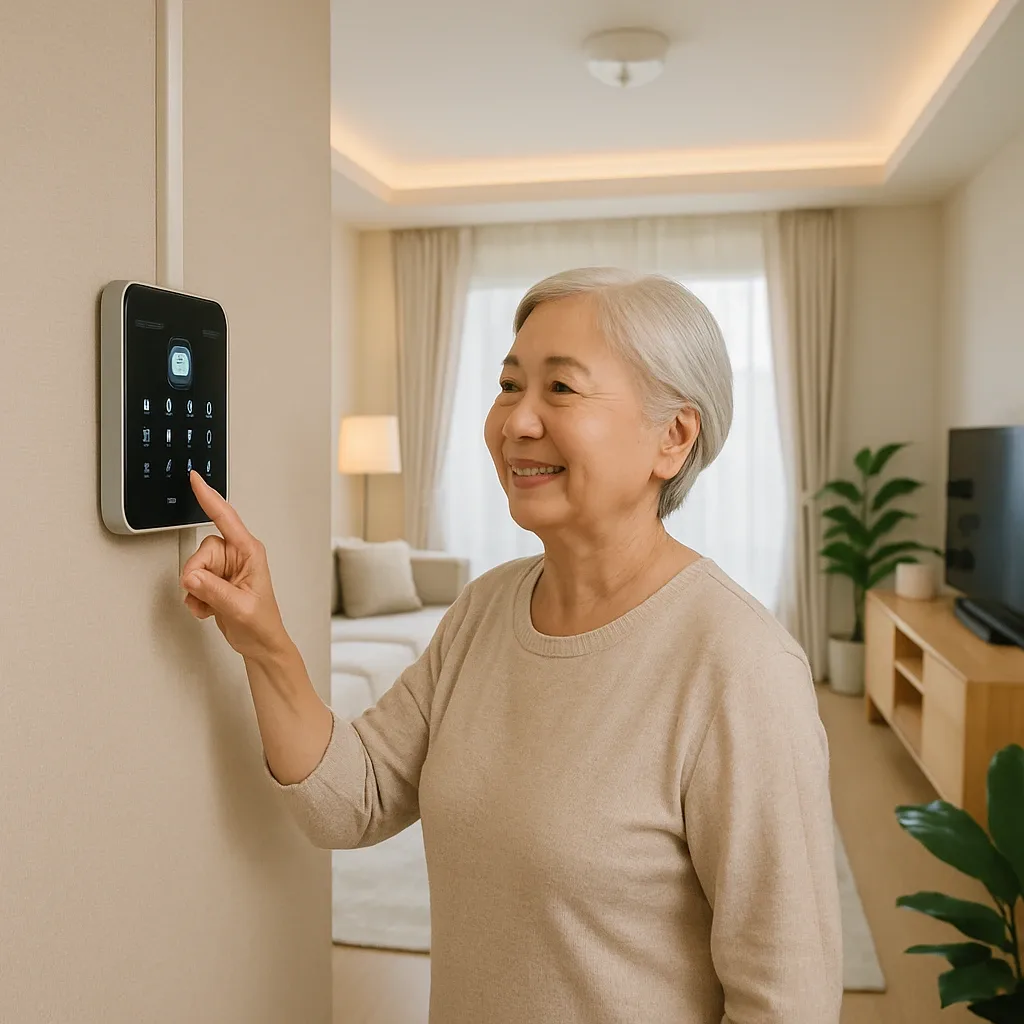
Living Alone Without Risk: 5 Smart Home Safety Technologies Ranked by Cost-Per-Protection
Not just what to buy — but what to buy first when budget is limited. This article calculates the Cost-Per-Protection metric for each technology so families can make the smartest investment decisions.
read ↗
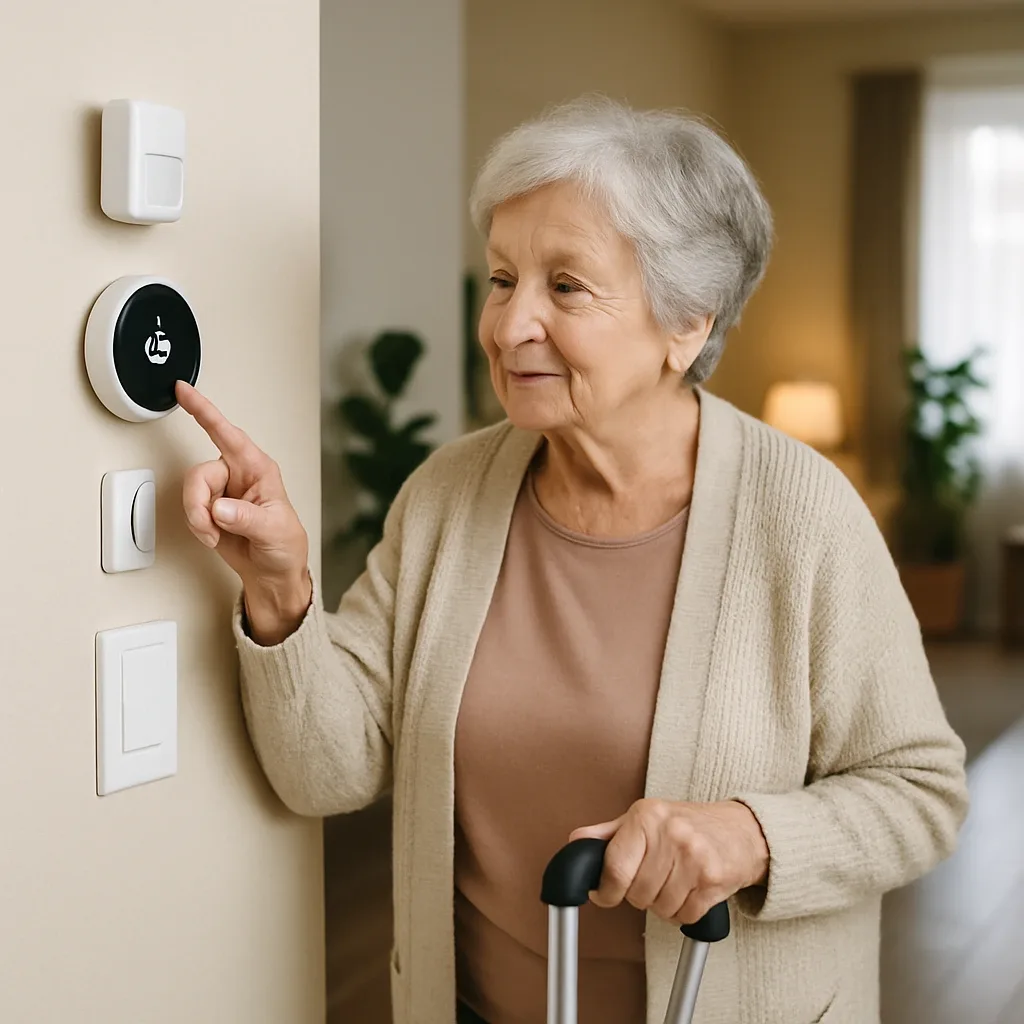
Smart Home Safety: 5 Must-Have Technologies for Elderly Homes Ranked by Value and Priority
Not all Smart Home devices deliver equal value. This article ranks the 5 most essential safety technologies for elderly residents at home — with real budgets, measurable ROI, and clear reasons why each cannot be skipped.
read ↗
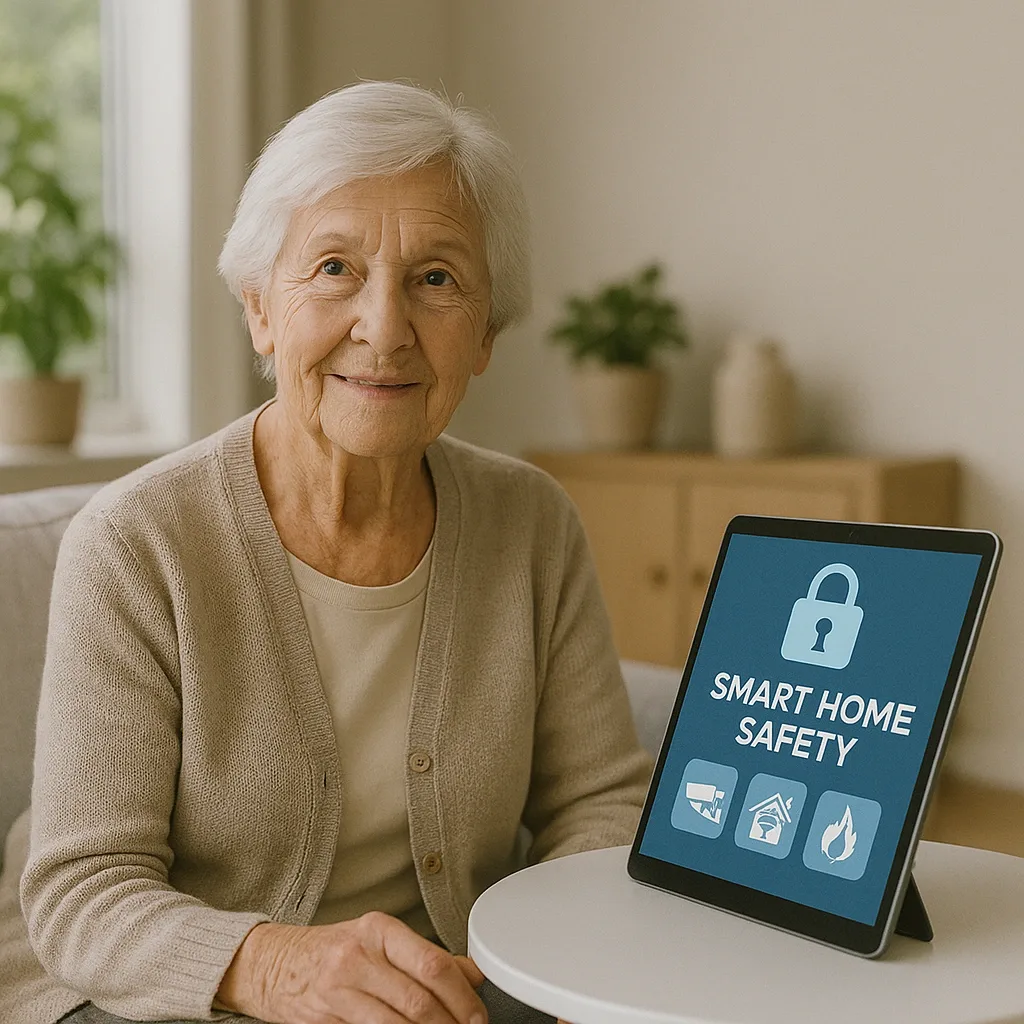
Elderly Living Alone: Mental Health Risks, Companion Technology, and Smart Activity Monitoring
Elderly smart homes typically focus on physical safety, but mental health is equally critical. This article explains companion technology like ElliQ, automated video calls through Home Assistant, and detecting depression risk through activity pattern changes.
read ↗
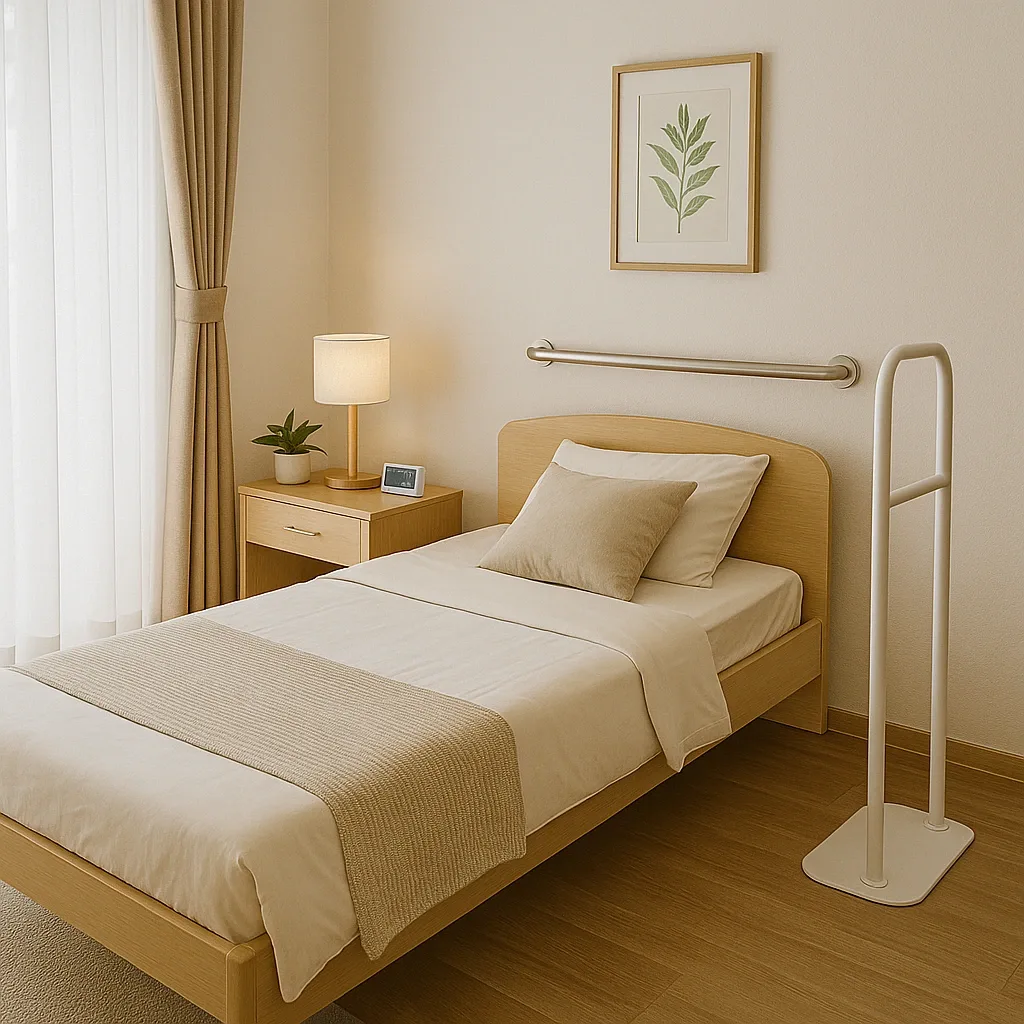
Wellness Room Design: CADR Air Purifiers, Circadian Lighting Metrics, and SPC vs Bamboo Flooring for Bangkok
A proper elderly wellness room requires selecting an air purifier by CADR value, designing circadian light by Lux and CCT metrics, and choosing flooring that genuinely survives Bangkok humidity. This article compares bamboo versus SPC and provides real numbers for every decision.
read ↗
Elderly Living Alone with Peace of Mind: DIY Guide to Converting Any Home into a 24-Hour Safe Smart Home
No demolition required, no large contractors needed. This guide walks through upgrading any ordinary home into a 24-hour Safe Smart Home for elderly residents in 4 DIY phases — total budget 75,000 THB, completable in 3–5 weekends.
read ↗

Wellness Home for Elderly: Merging Smart Home Technology with Daily Health Rituals
A Wellness Home goes beyond medical devices — it designs every daily routine to actively support elderly health from wake-up to bedtime, powered by Smart Home technology working silently in the background.
read ↗
Elderly Smart Home: DIY vs. Turnkey and Subscription vs. Own — A Decision Matrix for Thai Families
Before committing to an elderly smart home, four decisions must be resolved: DIY or turnkey, subscription or ownership, cloud or local, open standard or proprietary. This article provides a practical decision matrix for Thai families.
read ↗

Comprehensive Elderly Care: Integrating Smart Home with Thai Telemedicine for Seniors Living Alone in 2025
Thailand’s 4.8 billion baht telemedicine market in 2025 is converging with smart home systems. This article explains how to transmit health data from Home Assistant to medical providers, manage medication adherence, and handle data under PDPA requirements.
read ↗
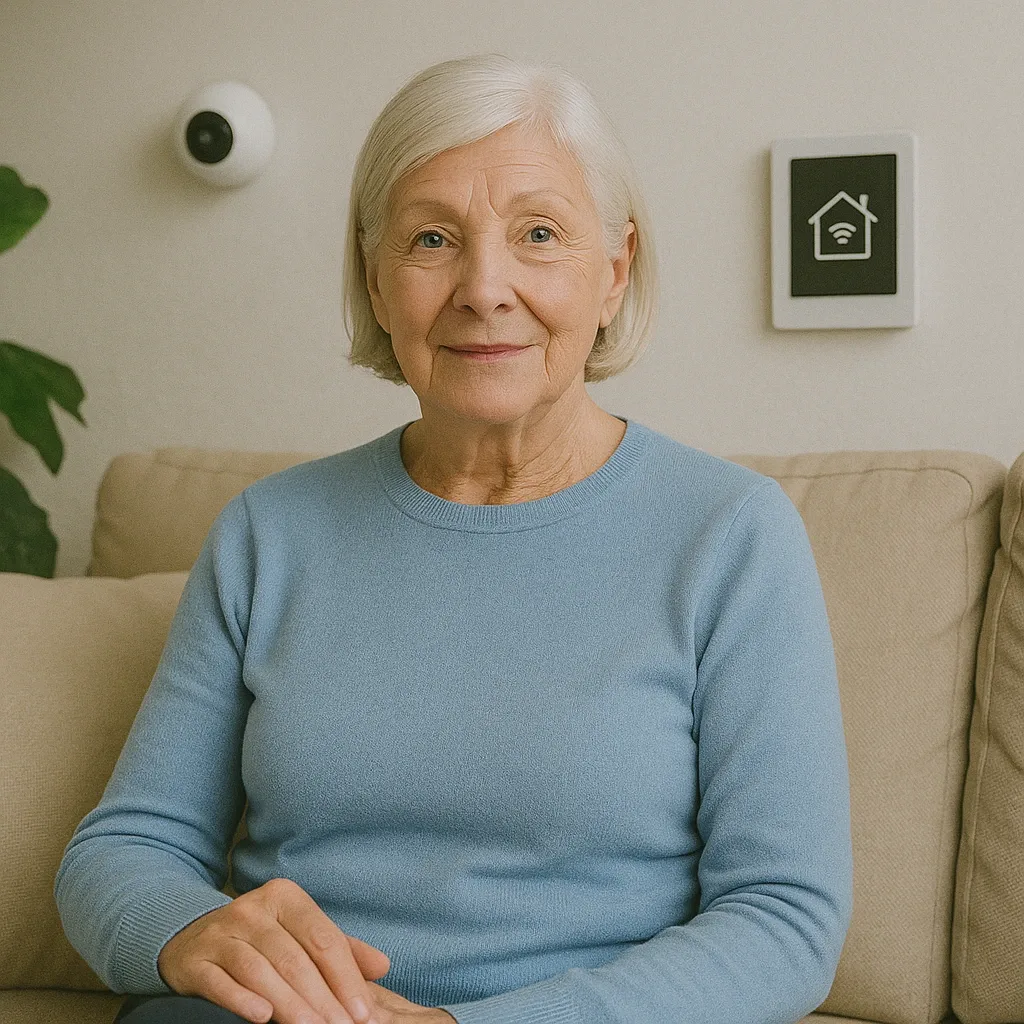
90 Days Living Alone Safely: A Bangkok Elderly Case Study with the HappySmart Smart Home Safety System
Real case study: a 74-year-old woman in Bangkok’s Lat Phrao district living alone through 90 days with HappySmart Safety Stack installed. Zero delayed-response emergencies, measurable reduction in family anxiety — with full system details and actual costs.
read ↗
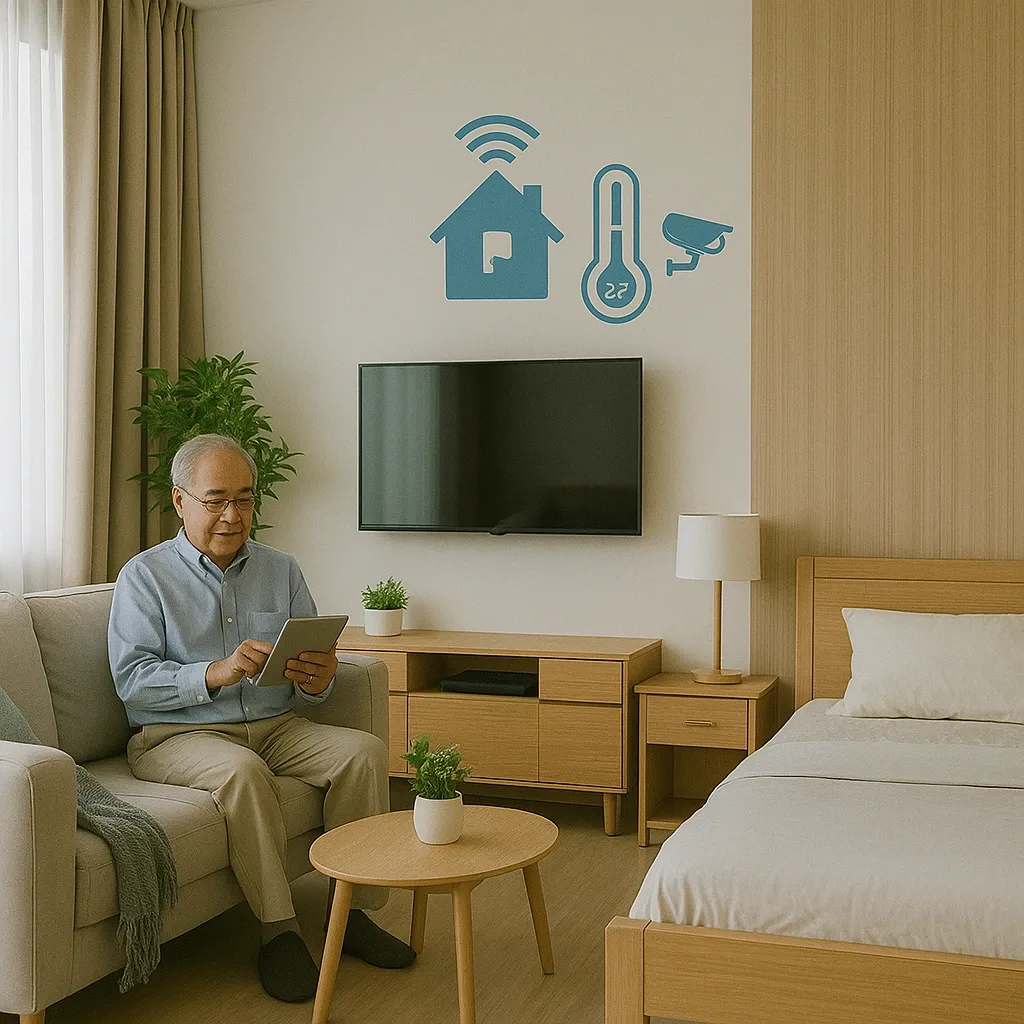
Deep Dive: Smart Senior Living Room — PIR vs. mmWave Sensors, HA-Integrated Recliners, and Smart TV Voice Control
A senior living room requires mmWave presence sensors over PIR, a Home Assistant-integrated recliner, and a Thai-voice-capable Smart TV. This deep dive examines every component with real specifications and integration details.
read ↗
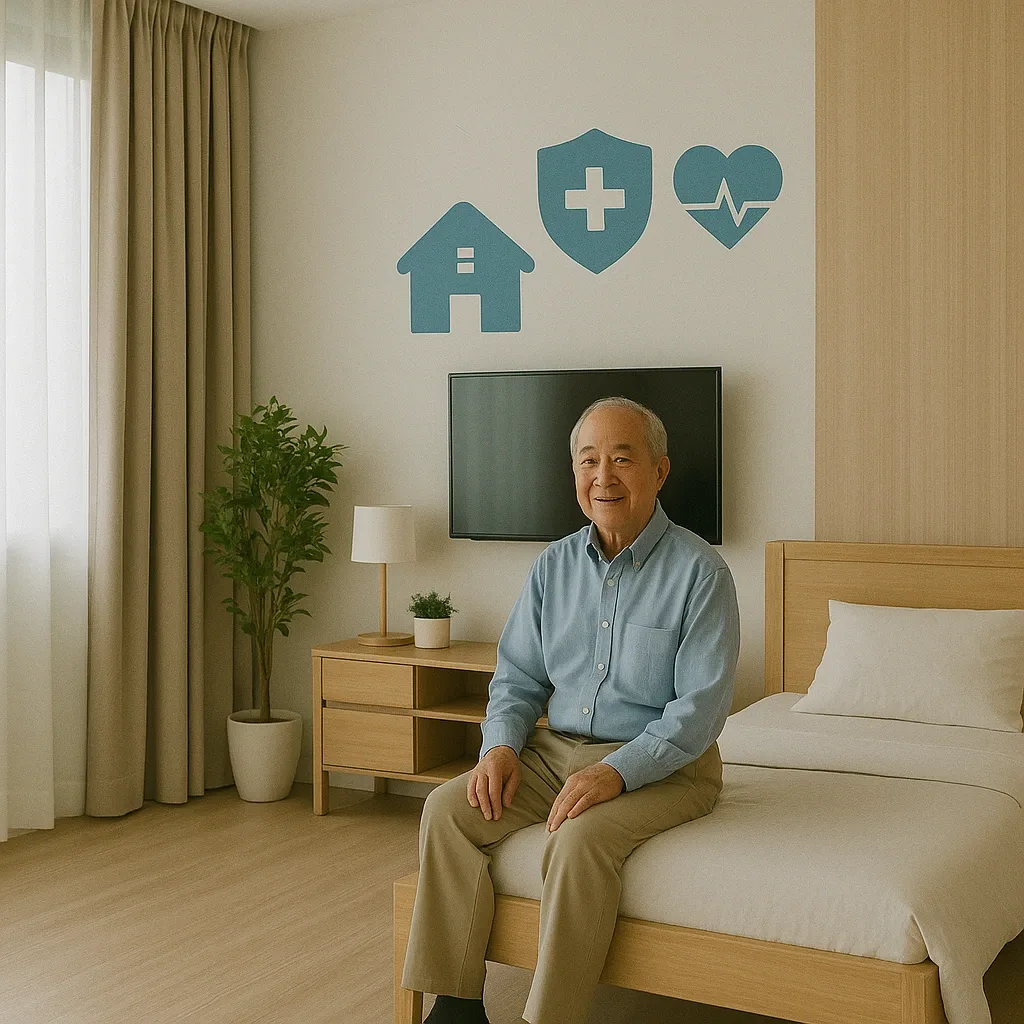
Elderly Wellness Room: Designing with Circadian Lighting, NDIR Air Quality Monitoring, and Ergonomic Furniture
A well-designed elderly bedroom requires circadian lighting from 2700K to 5000K, NDIR CO₂ monitoring, ergonomic furniture at 45–50 cm seated height, and VOC-reducing plants. This article compiles evidence-based design principles that measurably improve sleep quality and health outcomes.
read ↗
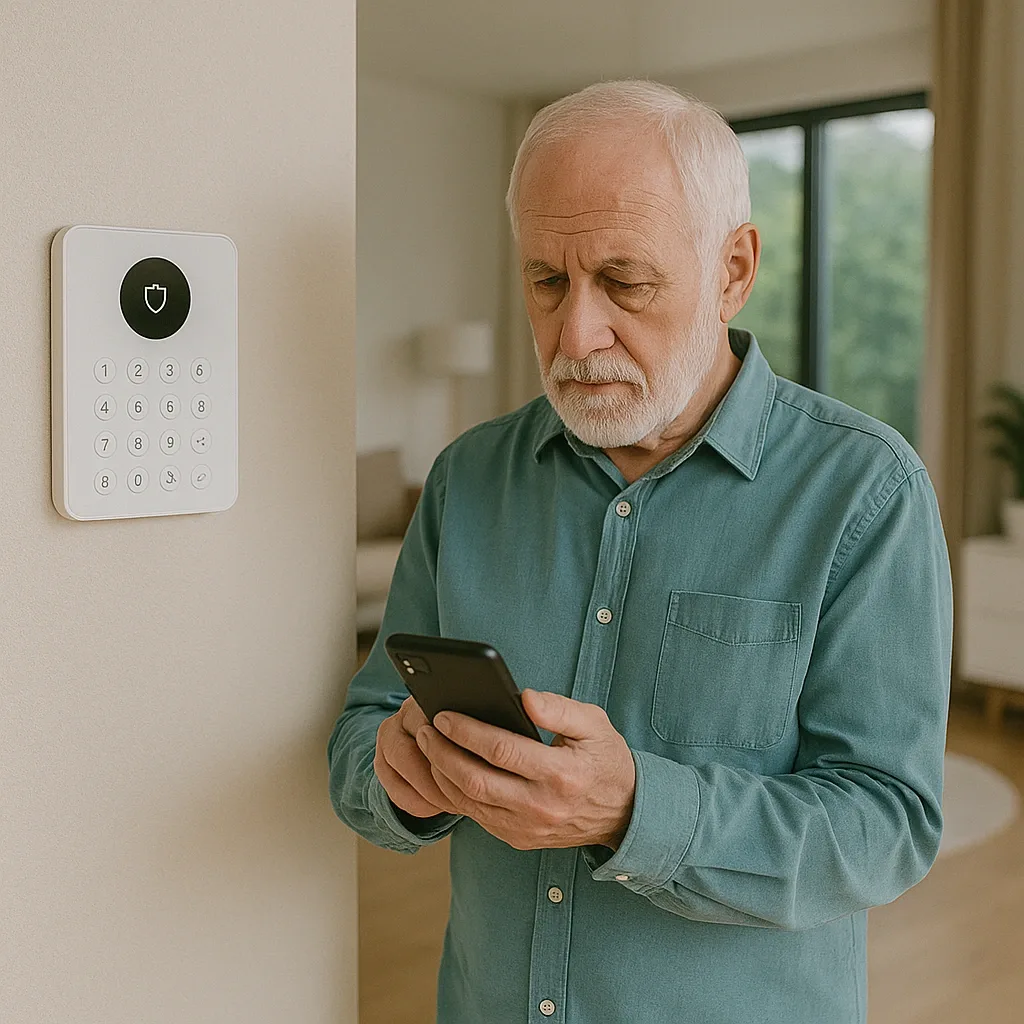
Smart Home Safety Stack for Thai Elderly Living Alone: Sensors, Cameras, Panic Buttons, and LINE Notify Integration
Elderly residents living alone need a four-layer safety stack: fall detection, camera surveillance, panic buttons, and LINE Notify alerts. This article explains the system architecture and recommended hardware for the Thai context.
read ↗
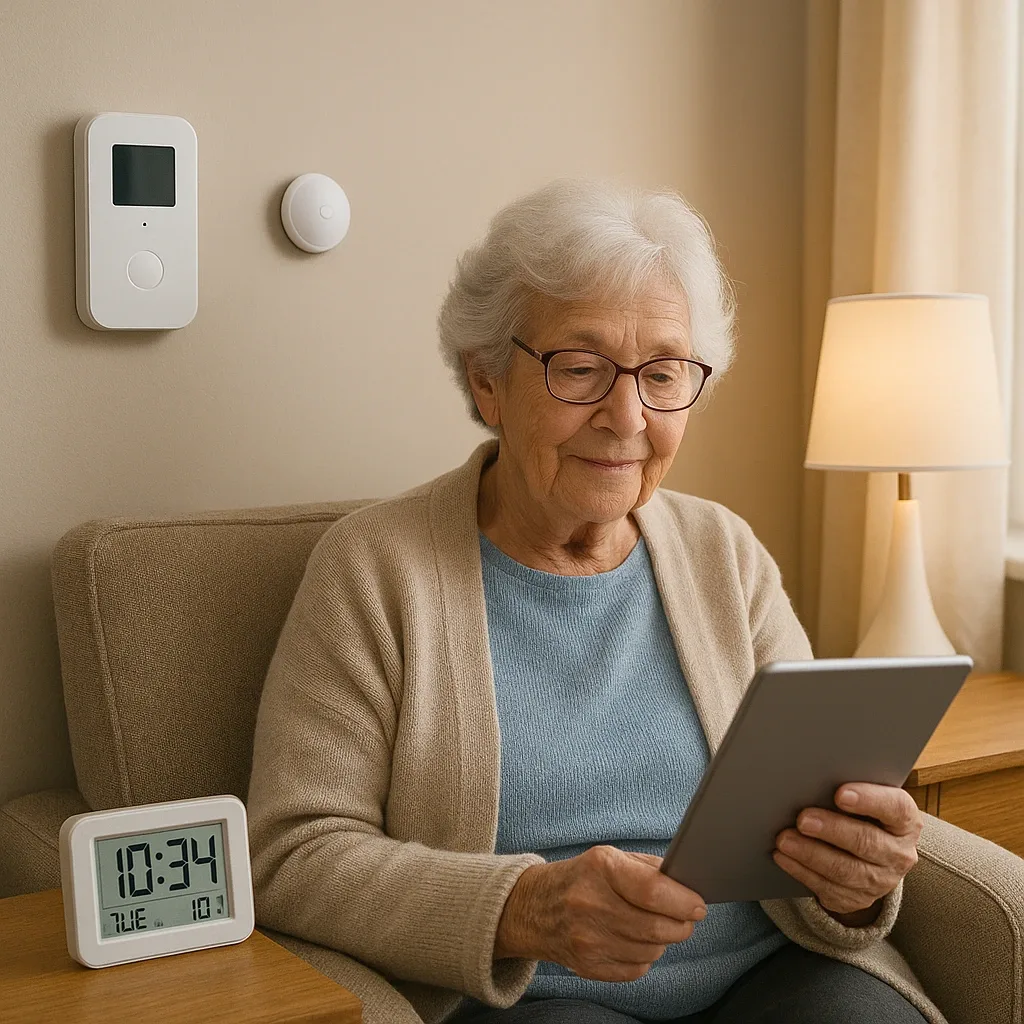
5 Criteria for Evaluating Elderly Smart Home Projects in Thailand: Questions to Ask Before You Buy
Before purchasing any elderly smart home package, five questions must be answered: Does it work offline? How long is the warranty? Is it upgradeable? Is the UI genuinely elderly-friendly? And where is data stored? This article provides a scoring framework and the red flags every family should watch for.
read ↗
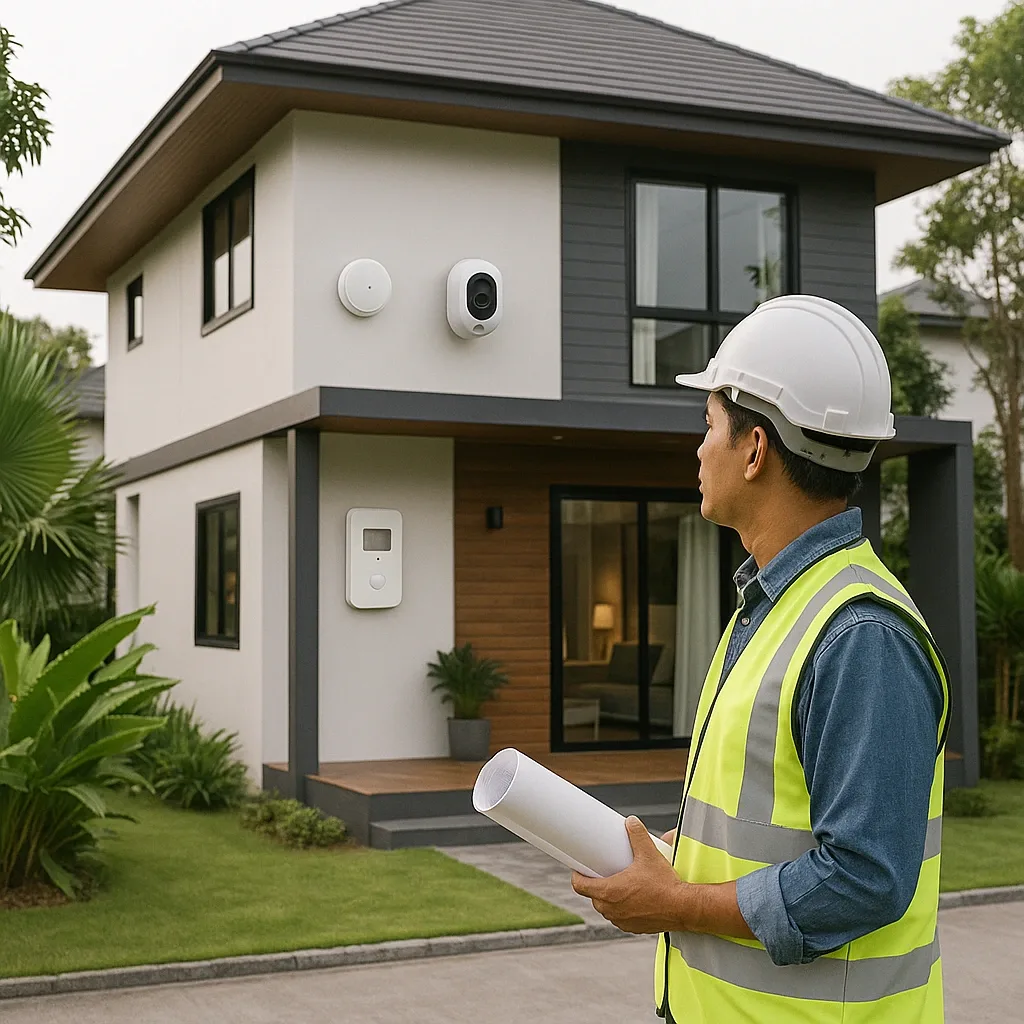
Renovation Road Map: Converting a Thai Home to Elderly SmartHome in 3 Phases, 30K–350K Baht, with Contractor Checklist
Renovating to an elderly SmartHome does not require doing everything at once. A 3-phase approach lets families prioritize by urgency and budget: Phase 1 urgent safety at 30K–60K baht, Phase 2 health and environment at 50K–120K baht, and Phase 3 full integration at 100K–200K baht — with a contractor selection checklist.
read ↗