ERV
40 articles on ERV.

How to Improve Indoor Air Quality and Go PM2.5-Free with Smart Home Technology
PM2.5 follows us indoors. Learn how to improve home air quality with smart air purifiers, HRV ventilation systems, and IoT connectivity — with real products available in Thailand's market.
read ↗

5 Ways to Improve Indoor Air Quality with Smart Home: From Sensors to Centralized Control
Five proven methods for improving indoor air quality: Smart Filtration, IoT Sensors, Smart Ventilation, HEPA Robot Vacuums, and Complete Smart Home Control — with measurable outcomes.
read ↗
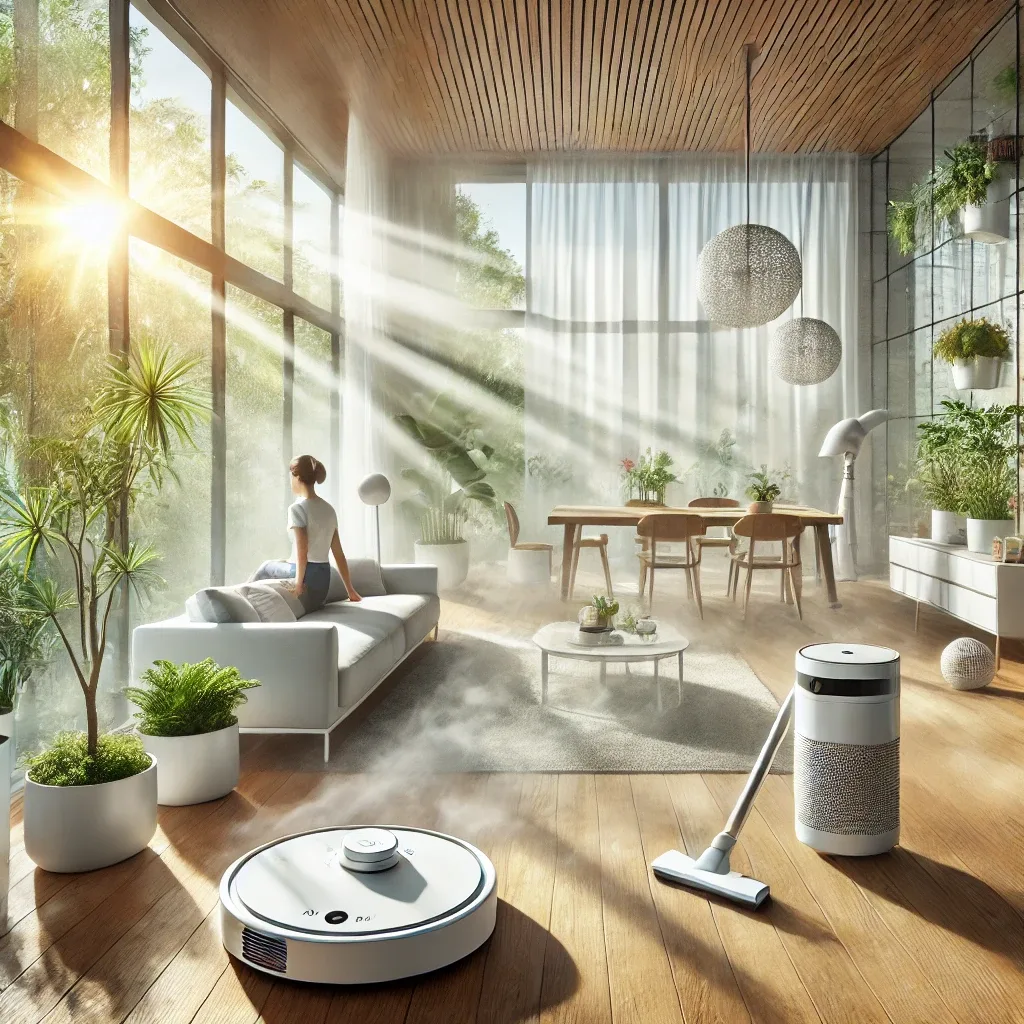
Transform Your Home into a Dust-Free Oasis with Smart Home Technology
A complete guide to transforming an ordinary home into a PM2.5-free oasis using Smart Home technology — sensors, smart purifiers, ventilation, humidity control, and Home Assistant automation.
read ↗
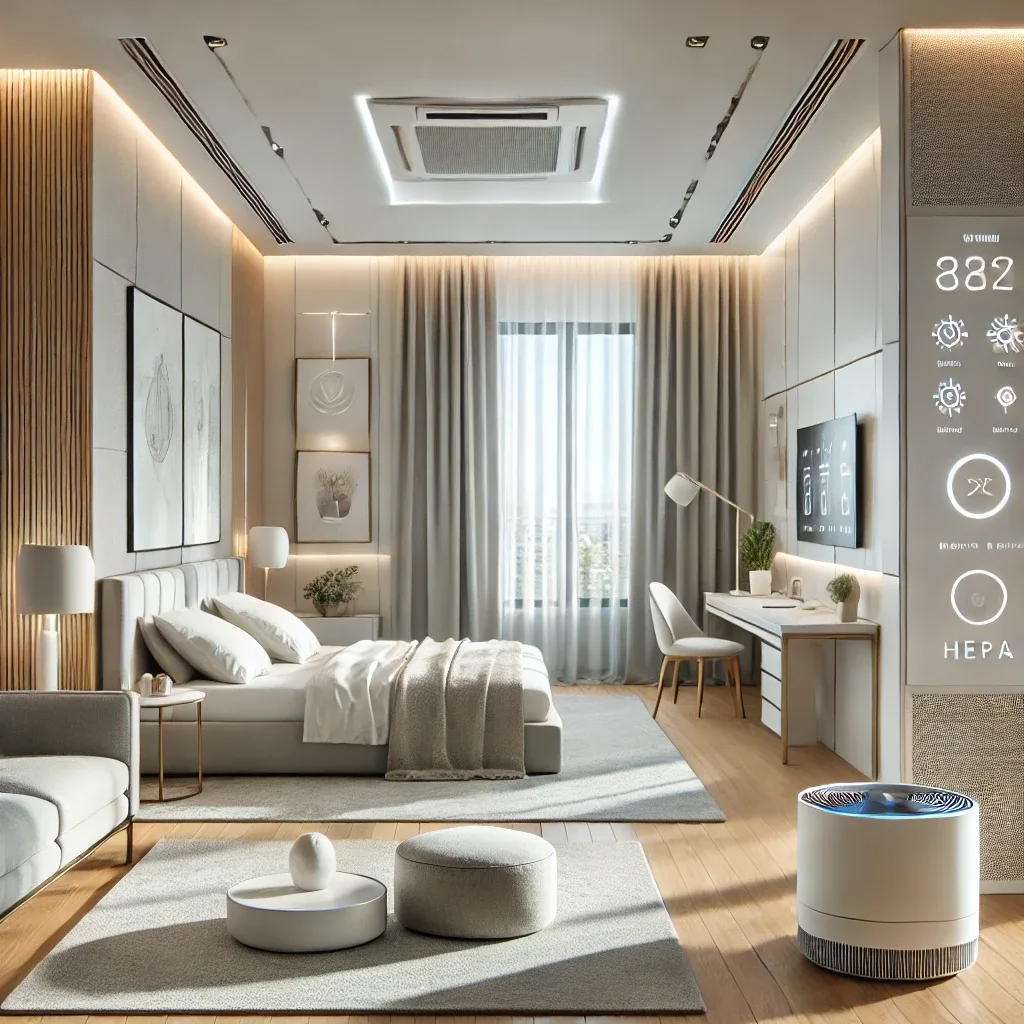
Smart Home Solution for Allergy Patients: Automatic Dust and Air Pollution Control
Allergy patients need continuously controlled environments. A Smart Home solution combining HEPA purifiers, humidity management, smart ventilation, and Home Assistant automatically reduces airborne allergens for safer daily living.
read ↗
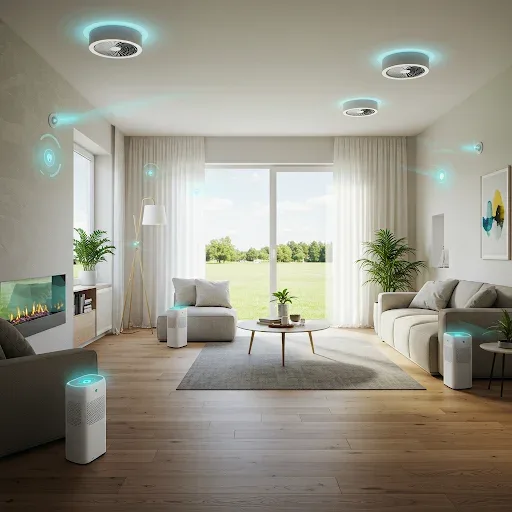
Smart Home Systems and Air Quality for Allergy Sufferers: A Complete Guide to Breathing Easy
A complete guide for allergy sufferers on using Smart Home to control air quality — covering smart purifiers, intelligent AC, humidity management, real-time sensors, and bedroom environment optimization for better sleep.
read ↗

5 Methods to Improve Home Air Quality with Smart Home for Daily Health
Smart purifiers, air quality monitors, humidity control, ventilation systems, and smart windows — 5 Smart Home methods that elevate indoor air quality every day.
read ↗
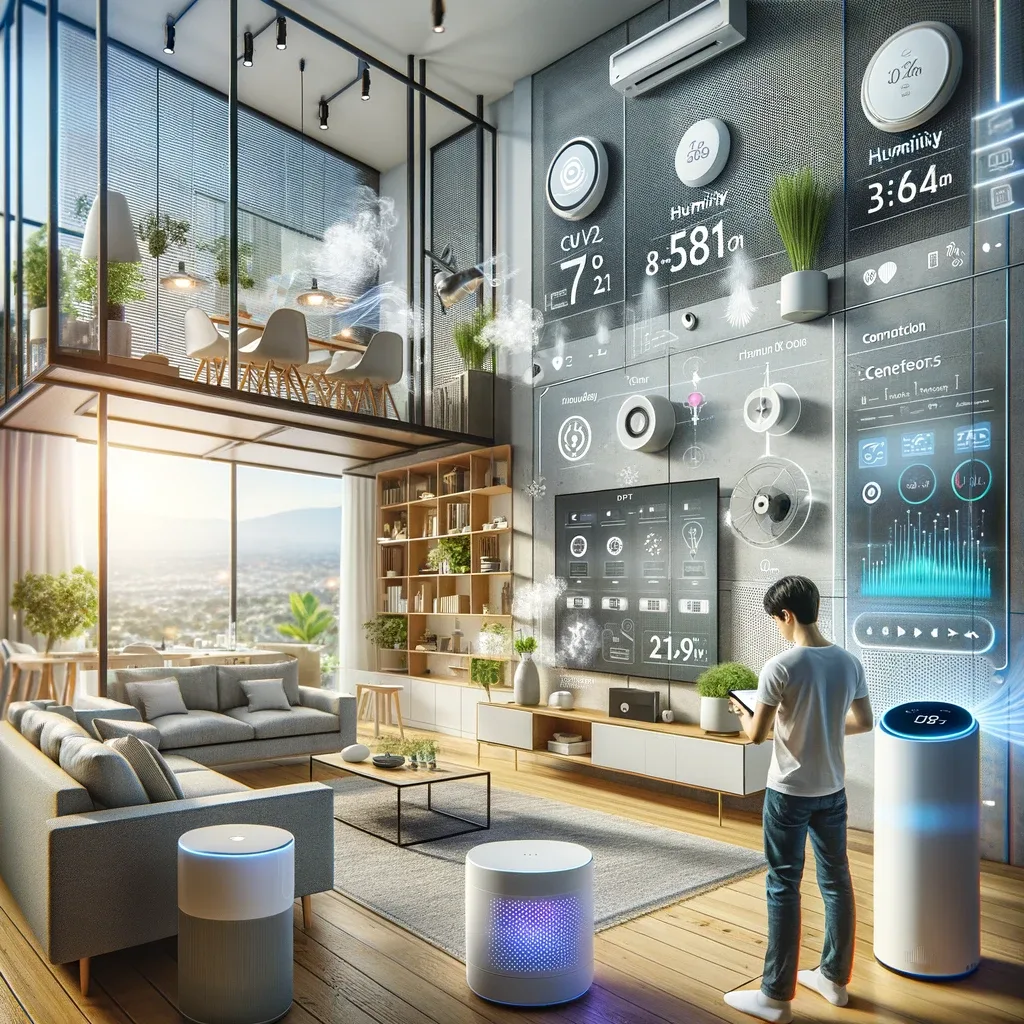
IoT and Indoor Air Quality Monitoring: Essential Technology for the PM2.5 Era
Learn how IoT transforms indoor air quality monitoring, from PM2.5/CO2/VOC sensors and smart air purifiers to ventilation systems and Home Assistant that connects all devices into one automated ecosystem.
read ↗

Smart Home Interior Design: Room-by-Room Humidity Control for Elderly Health Care
Ideal humidity levels differ by room — bedrooms need 45-55% RH while bathrooms tolerate 60-70%. HappySmart designs room-specific dehumidification with ERV ventilation and moisture-resistant materials to protect elderly health in Bangkok’s year-round humid climate.
read ↗
CO2 Demand-Controlled Ventilation: ASHRAE 62.1 Calculation and Multi-Level Automation for Thai Homes
Good ventilation should respond to actual occupancy, not run constantly. CO2 Demand-Controlled Ventilation uses CO2 sensors to modulate airflow based on actual occupants — saving energy while maintaining ASHRAE 62.1 air quality standards.
read ↗
Smart Ventilation Techniques: Positive vs Negative Pressure, CFM Calculation for Thai Home Kitchens and Bathrooms
Effective smart ventilation requires understanding pressure balance, calculating correct CFM for Thai kitchens and bathrooms, and designing a whole-home airflow hierarchy that adapts to PM2.5 and monsoon conditions.
read ↗
HEPA H13 vs H14, MVHR vs ERV: Choosing the Right Smart Ventilation System for Thai Homes
Smart ventilation systems differ critically: HEPA H13 vs H14, MVHR vs ERV. Understanding which suits Thai conditions — high humidity, PM2.5 season, open-plan homes — prevents costly mismatches.
read ↗

Dust-Free Home: Selecting Air Filters and Smart Ventilation for Thailand’s Climate
The wrong type of air filter can leave your home less clean than having no purifier at all. Learn to select HEPA, carbon, and pre-filters correctly, and design a smart ventilation system suited to Thailand’s hot, humid climate.
read ↗
CO2 Demand-Controlled Ventilation: SCD41 Sensor + ERV Automation for Sleep Quality Improvement
Install SCD41 NDIR CO2 sensor to control ERV with Demand-Controlled Ventilation, maintaining CO2 below 1,000 ppm during sleep for measurable sleep quality improvement while reducing energy consumption.
read ↗

Positive Pressure Ventilation Strategy: Preventing PM2.5 Infiltration with Building Overpressure
Design ventilation systems to maintain positive indoor pressure, preventing PM2.5 and outdoor pollutants from infiltrating through building envelope gaps during high AQI events.
read ↗
HRV/ERV Ventilation Engineering for Bangkok Condos: Fresh Air with PM2.5 Filtration
Design HRV and ERV systems for Bangkok condos — comparing HEPA H13 vs H14 filtration media, duct layout, and AQI sensor integration for automated fresh-air ventilation during Bangkok’s high-pollution season.
read ↗

Healthy SmartInterior Materials: VOC, Formaldehyde, and TVOC Standards for Thai Residential Design
Selecting low-VOC and formaldehyde-free interior materials combined with real-time TVOC monitoring and automatic ventilation significantly reduces long-term cancer and respiratory disease risk—creating a measurably healthier indoor environment for Thai residents who spend 80–90% of their time indoors.
read ↗