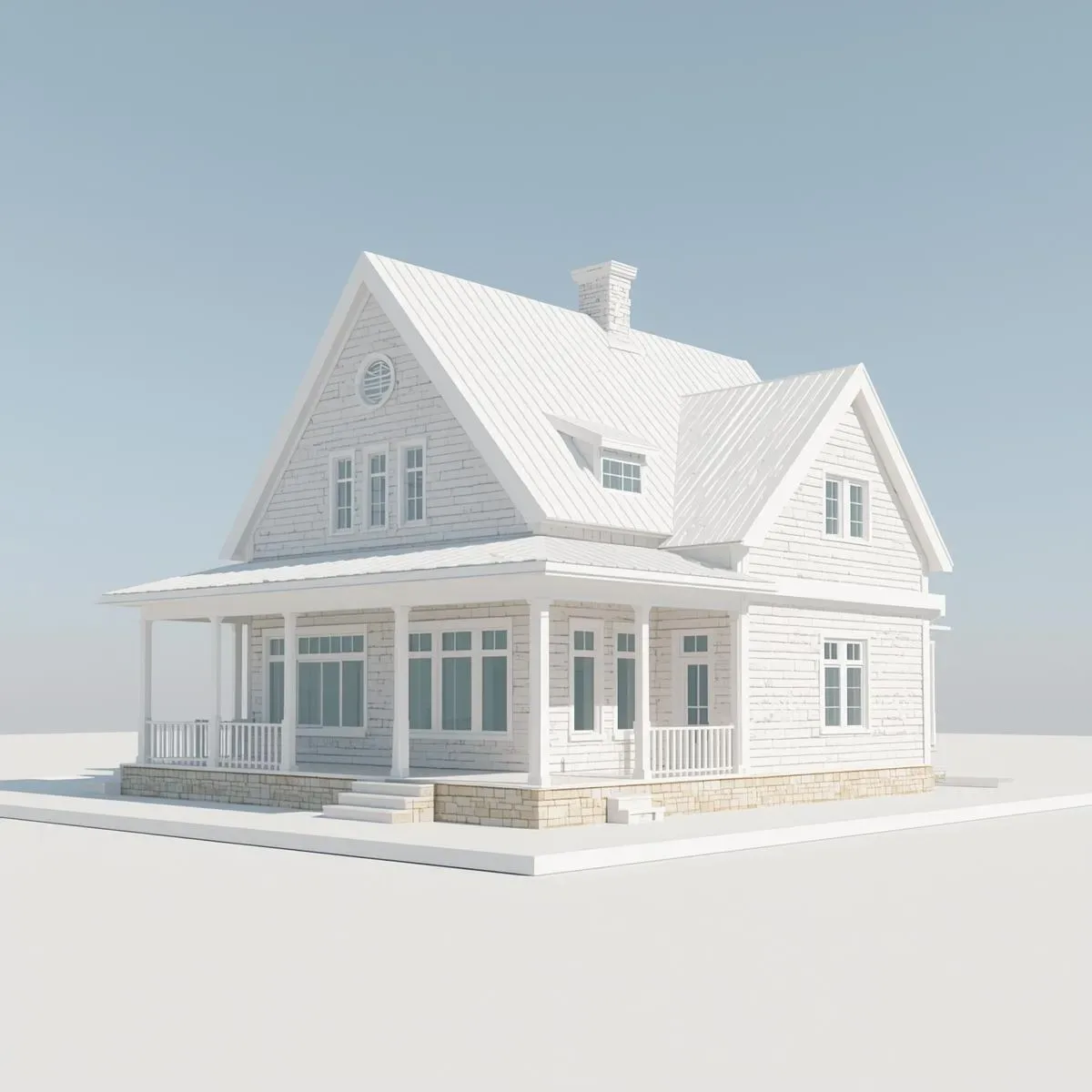
Traditional construction cost estimation in Thailand is time-intensive and error-prone. Quantity Surveyors count material quantities manually from 2D drawings — a process taking days to weeks. BIM Quantity Takeoff generates a BOQ automatically from the 3D model within hours.
Autodesk Revit: Schedules for QTO
Revit Material Takeoff Schedules extract quantity data directly from BIM element properties. Examples: Wall Schedule → area (sqm), volume (m³) by wall type. Floor Schedule → area by material. Door/Window Schedule → count by type and size.
Dynamo (free Revit plugin) scripts connect Revit Schedules to Excel bidirectionally — updates to the Revit model automatically refresh the Excel BOQ.
ArchiCAD: Interactive Schedules and BIMcloud
ArchiCAD Interactive Schedules provide real-time quantity takeoff that updates instantly as the model changes. BIMcloud allows Quantity Surveyors to access the model remotely without a full ArchiCAD licence, via the BIMx Viewer.
Connecting to Thai Cost Databases
Thai construction cost references include: the Government Procurement Price Database (CGD, cgd.go.th), the Thai Construction Industry Association (THAI-CA) Price Index, and the Department of Public Works and Town and Country Planning materials and labour cost schedule.
Building a custom rate library in Excel that maps to Revit Material Names enables automatic cost calculation from quantities. For example: Concrete C25 Volume × THB 2,800/m³ = Total Concrete Cost.
5D BIM: Integrating Cost with the 3D Model
5D BIM adds cost as a fifth dimension to 3D space plus 4D time. Supporting software includes: CostX (Exactal — widely used in Australia and growing in Thailand), Assemble Systems (Autodesk), and Cubicost (designed for the ASEAN market with localised interfaces).
5D BIM benefit: when an architect changes the design, costs update immediately — no manual re-estimation, reducing cost overruns caused by late-stage design changes.
Measurable Efficiency Gains
Loughborough University research found BIM QTO reduces quantity takeoff time by 70–80% versus manual methods and reduces error rates by 40–60%. For mid-size residential projects (200–500 sqm), BIM QTO recovers its licence cost within the first 2–3 projects.