HappySmart
592 articles on HappySmart.
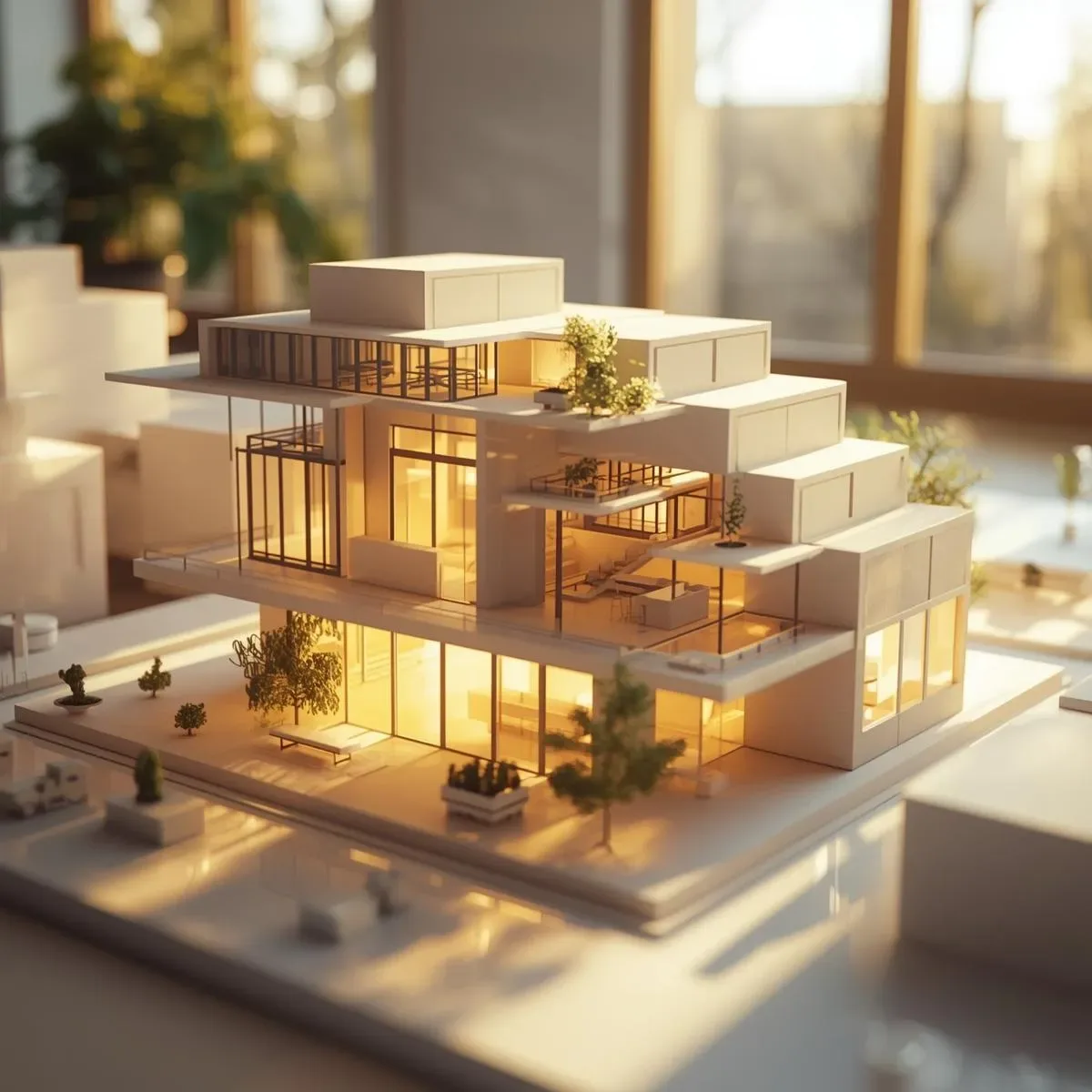
SmartInterior User Data-Driven Design: Using Pre-Design Behavioral Research to Create Spaces That Truly Fit Real Life
SmartInterior that truly fits real life starts with pre-design behavioral data collection — Activity Pattern Mapping, Daily Routine Analysis, and Space Utilization Audits create a Design Brief grounded in evidence, not assumptions.
read ↗
Smart Longevity Lifetime Cost Control: Real-Time Energy Budget Enforcement and Preventing Energy Creep
Energy Creep is the gradual, unnoticed increase in electricity bills over time. Smart Longevity Continuous Cost Control uses Real-Time Budget Monitoring, Monthly Auto-Adjustment, and LINE OA Alerts to detect and stop Energy Creep before it compounds into significant cost.
read ↗
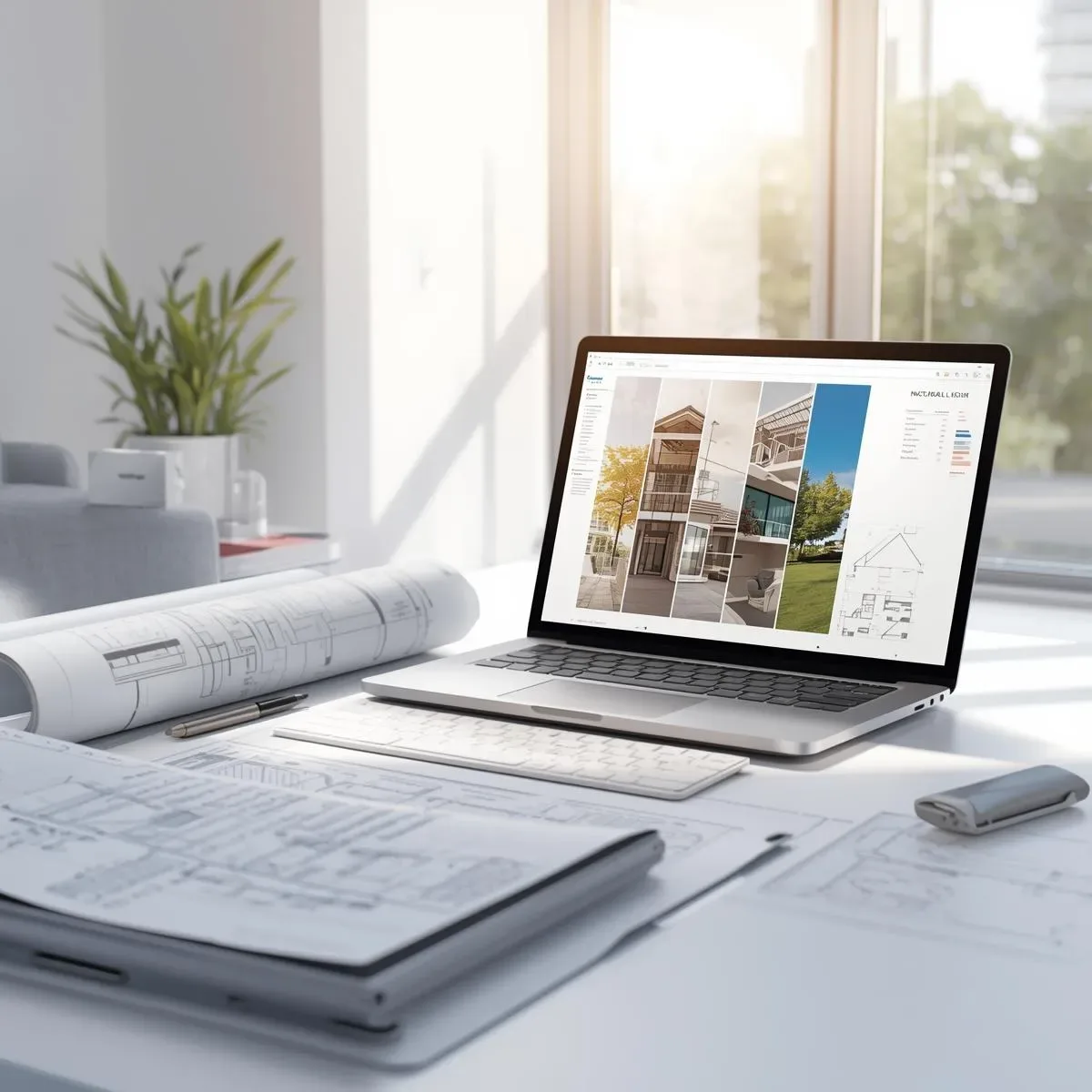
3D Model as Decision Accelerator: Reducing Design Approval Cycles and Change Orders with Clear 3D Visuals
3D Model is not just attractive imagery — it is a Decision Accelerator that reduces design approval rounds from 3–5 down to 1–2, cuts Change Orders by 60–70%, and shortens overall Design Phase duration by 30–40% because all parties share the same visual.
read ↗
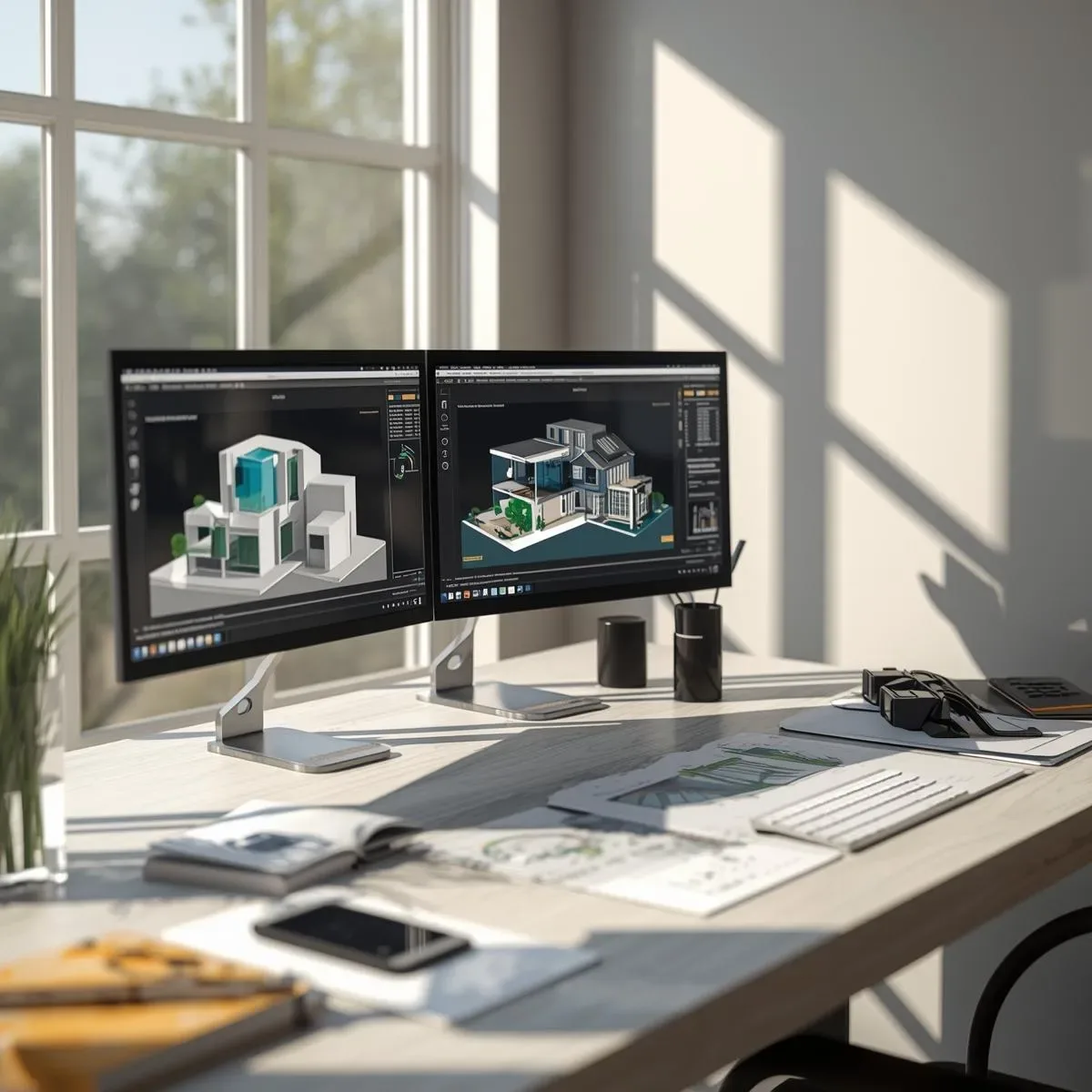
Behavior-Adaptive SmartInterior: AI Systems That Learn Behavior and Self-Adjust Without Reprogramming
Modern SmartInterior uses Adaptive AI to learn real occupant behavior patterns and automatically adjust lighting, temperature, and all systems — without reprogramming every time life changes. The longer occupants live there, the more the system understands them.
read ↗
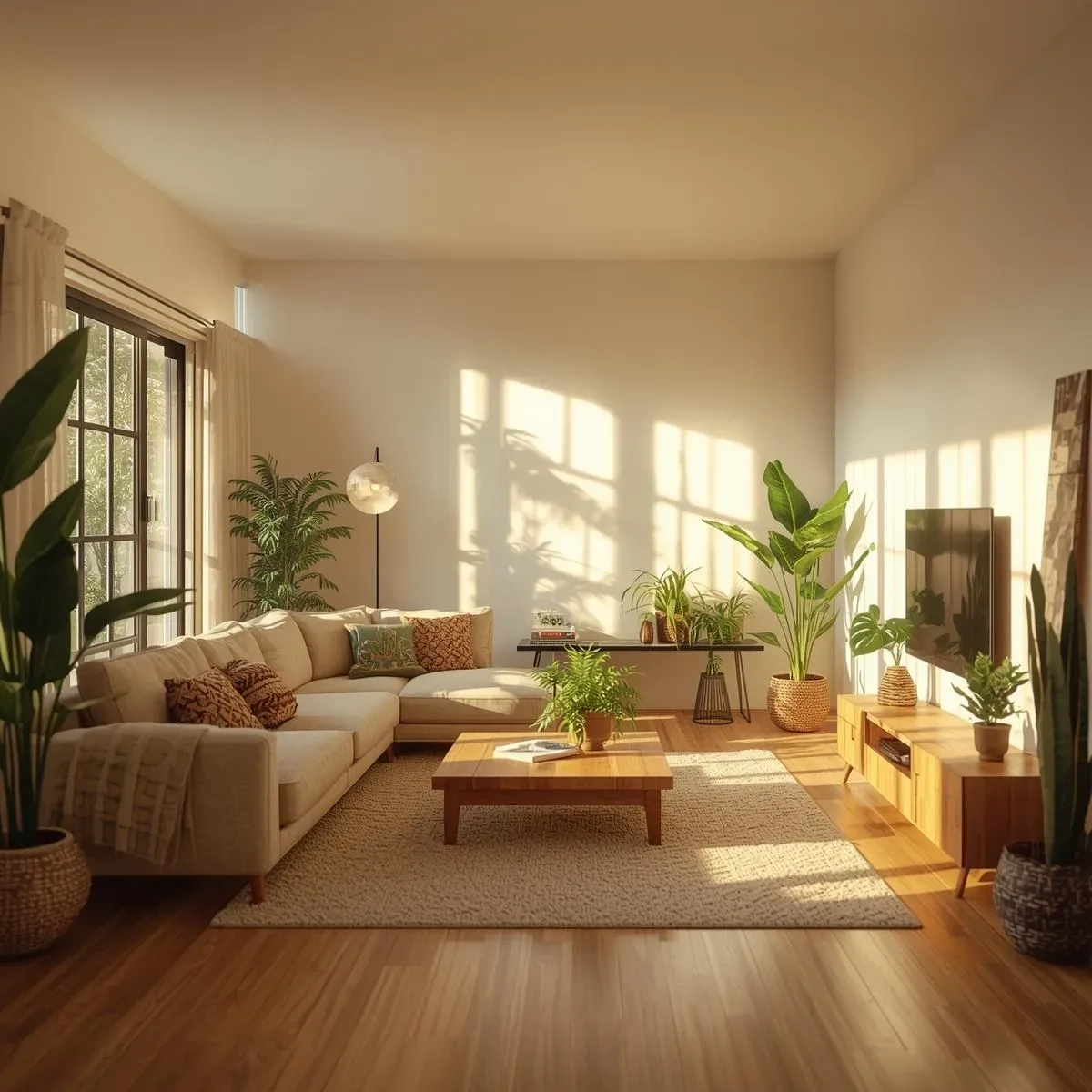
Smart Longevity Lifetime Energy Financial Planning: NPV Calculation for 25-Year IoT Investment Returns
Smart Longevity system investment should be evaluated using 25-Year Net Present Value (NPV), not just Payback Period — because Thai electricity tariffs historically increase 3–5% per year, making accumulated future energy savings far greater than initially expected.
read ↗

3D Model for Whole-System Home Design: BIM Coordination Between Architect, Engineer, and Interior Teams
Complete home design requires coordination between the architect, structural engineer, MEP engineer, and interior designer. BIM Coordination on a shared 3D model allows all teams to work from the same data, detect Clashes before construction, and reduce Rework by 40–60%.
read ↗
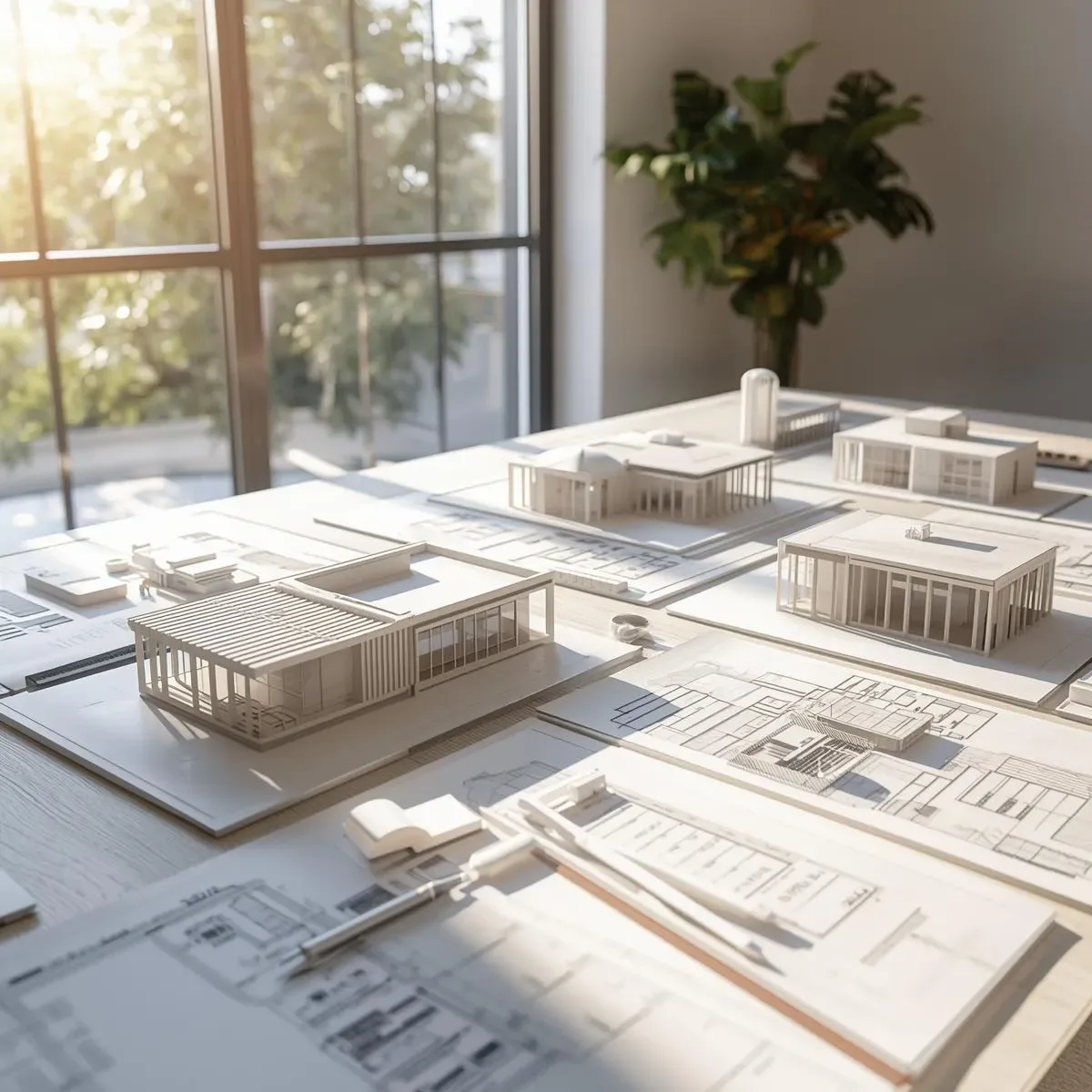
SmartInterior That Grows With Life: Designing Spaces That Adapt to Each Stage of Family Life
Good SmartInterior is not only beautiful on move-in day — it must grow and adapt with family life stages through Modular Space Design, Flexible Partitions, and pre-planned Room Repurposing strategies.
read ↗
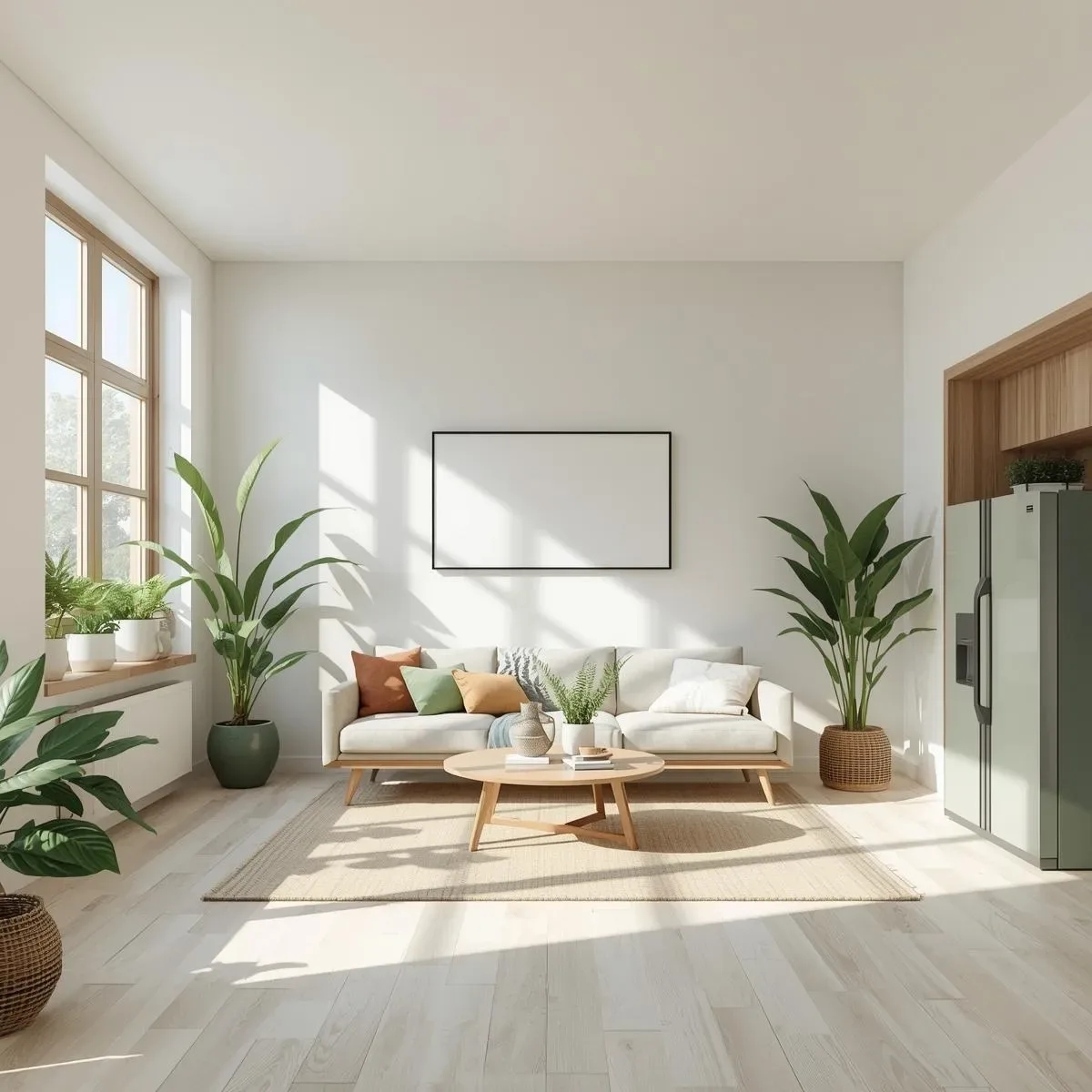
Smart Longevity Electrical Foundation: Panel, Sub-Metering, and Smart Meter Decisions from Day One
Future Smart Longevity energy management depends on electrical infrastructure decisions made during construction — including Main Panel size, Sub-Metering, Smart Meter integration, and Conduit routing for future sensors.
read ↗
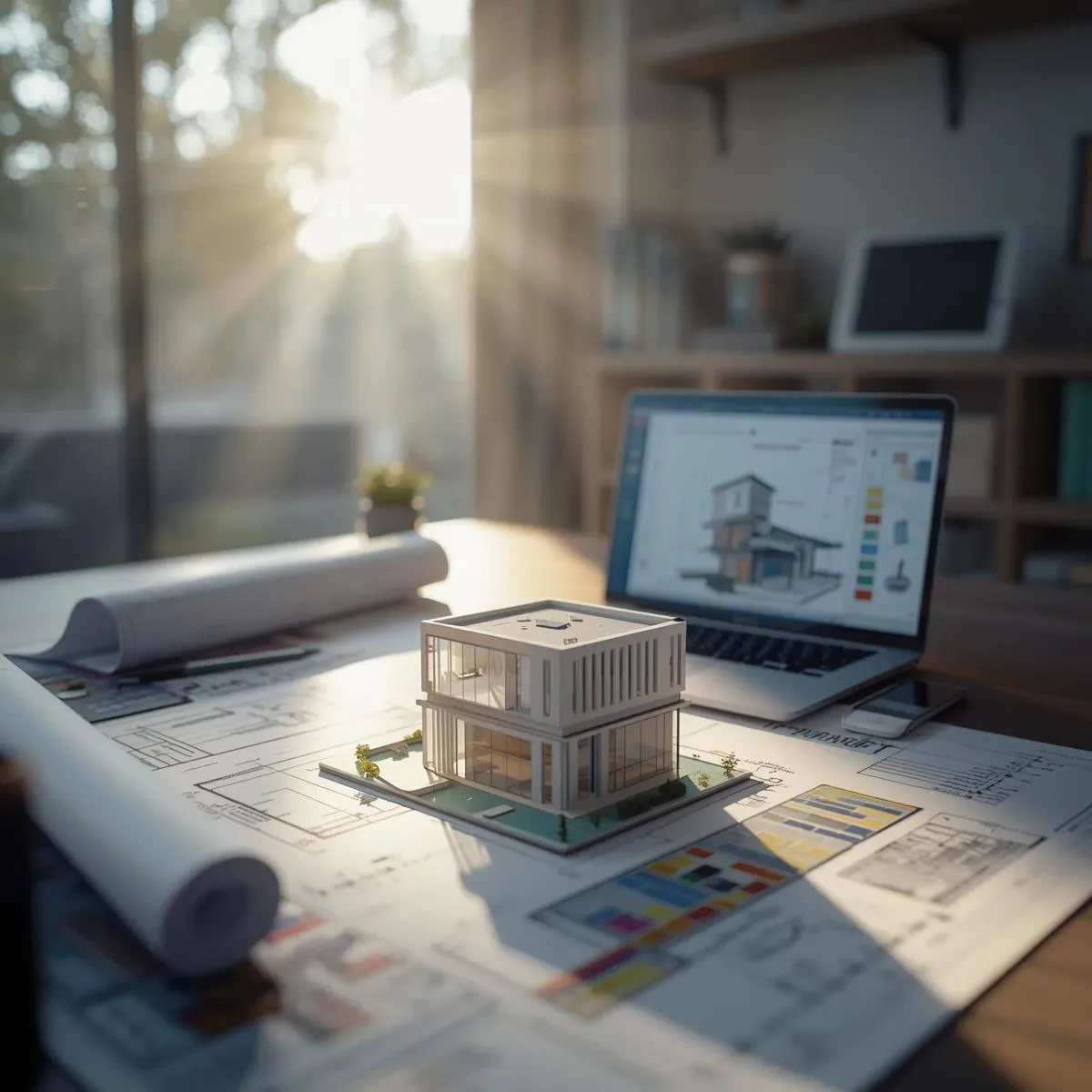
3D Model for Design Feasibility Verification: Reducing Risk Before the Design Becomes Reality
Design Feasibility Verification with 3D Models covers four dimensions: structural feasibility, regulatory compliance, cost estimation from BIM Quantities, and contractor coordination — preventing problems that are difficult to fix after construction begins.
read ↗
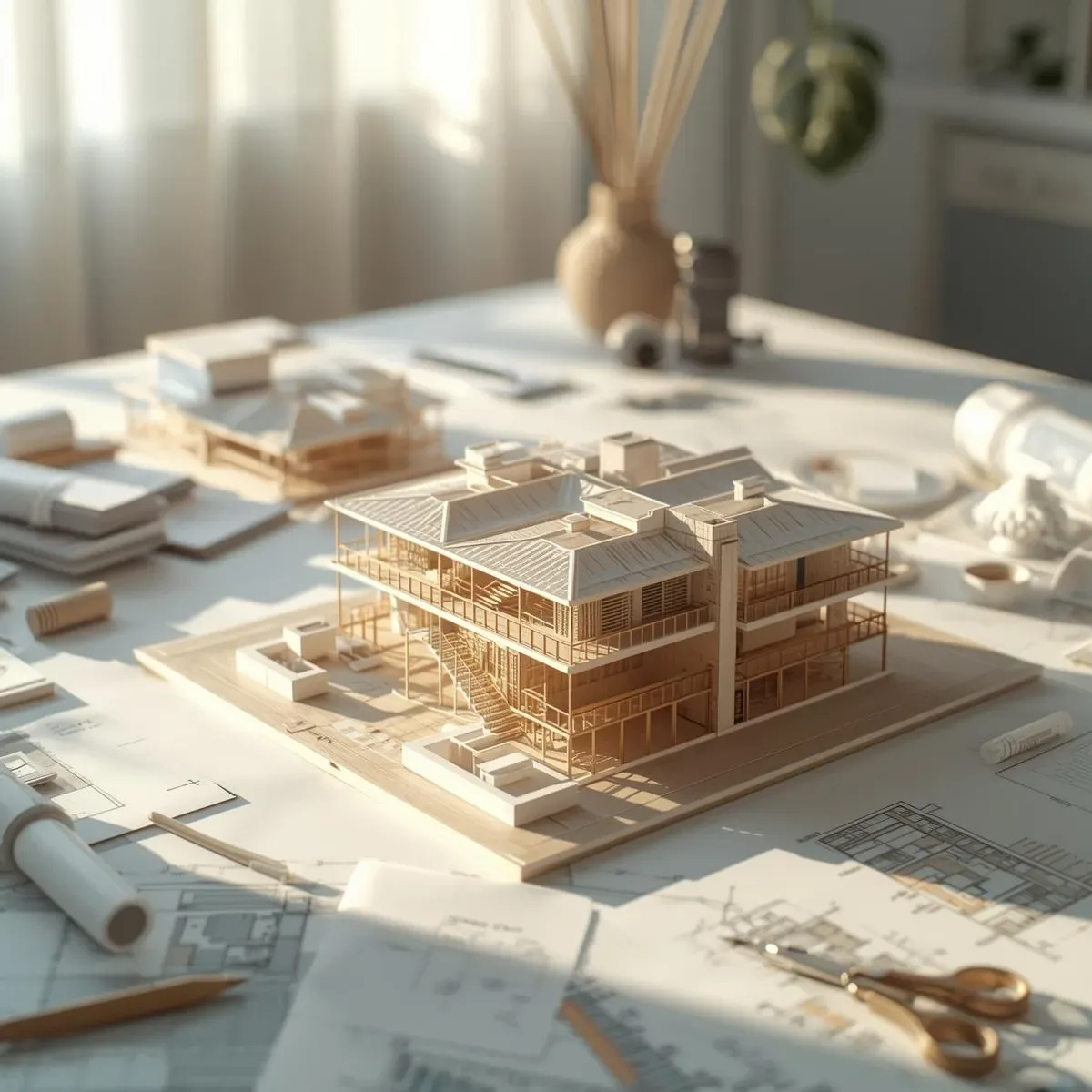
Future-Proofed SmartInterior: Designing Interiors That Remain Valuable Even as Lifestyle Changes
A well-designed SmartInterior uses a Timeless Base with Upgradeable Accent layers — Permanent layers use durable classic materials while Upgradeable layers can be changed with trends — keeping the home functional and fresh for 20–30 years without major Renovation.
read ↗
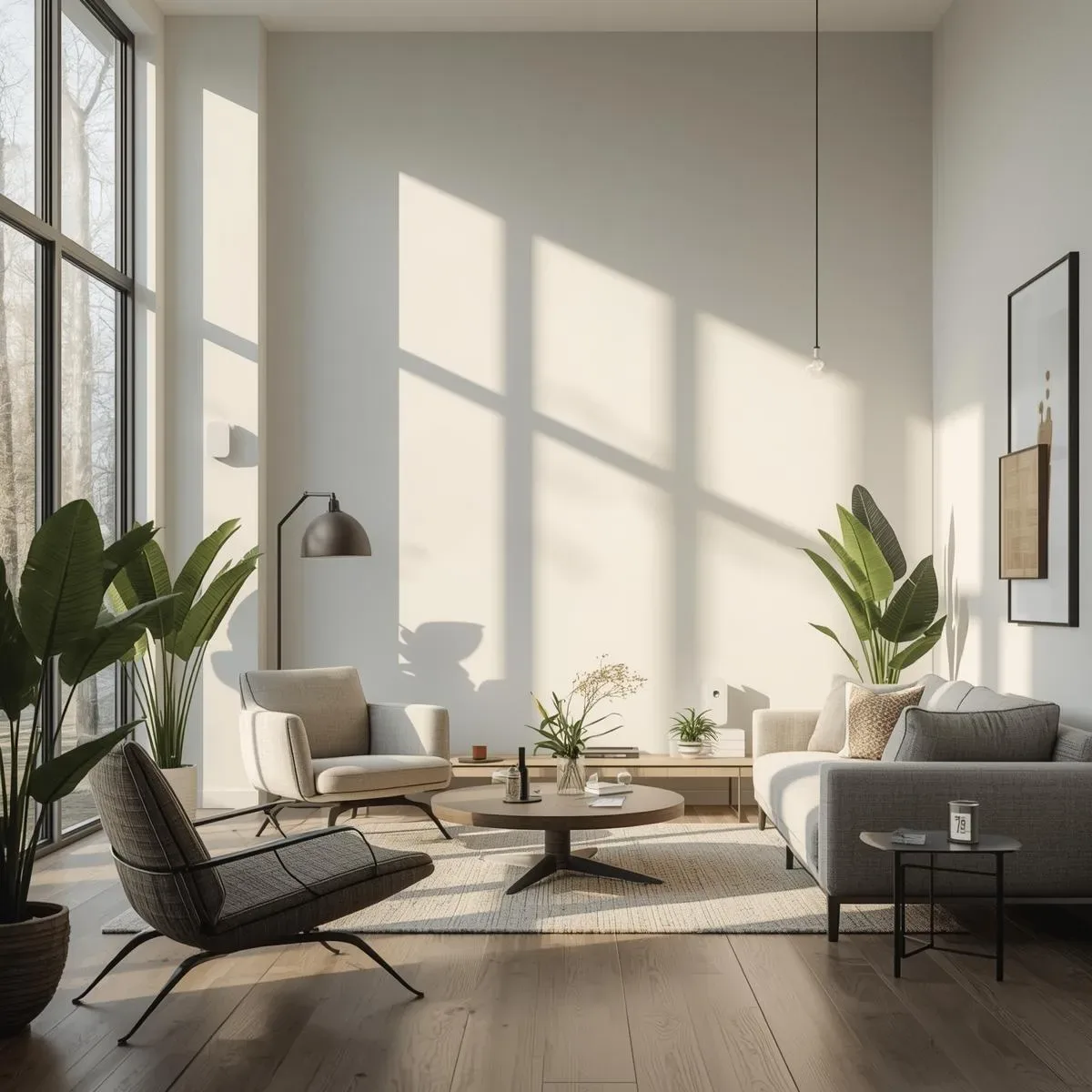
Systematic Smart Longevity IoT: Building a Home Energy Management System with KPIs, Dashboard, and Maintenance Plan
Systematic home energy management requires more than smart device installation. It needs clear KPIs, a performance Dashboard, and an IoT Maintenance Plan to keep the system performing well across 10–25 years of Smart Longevity operation.
read ↗
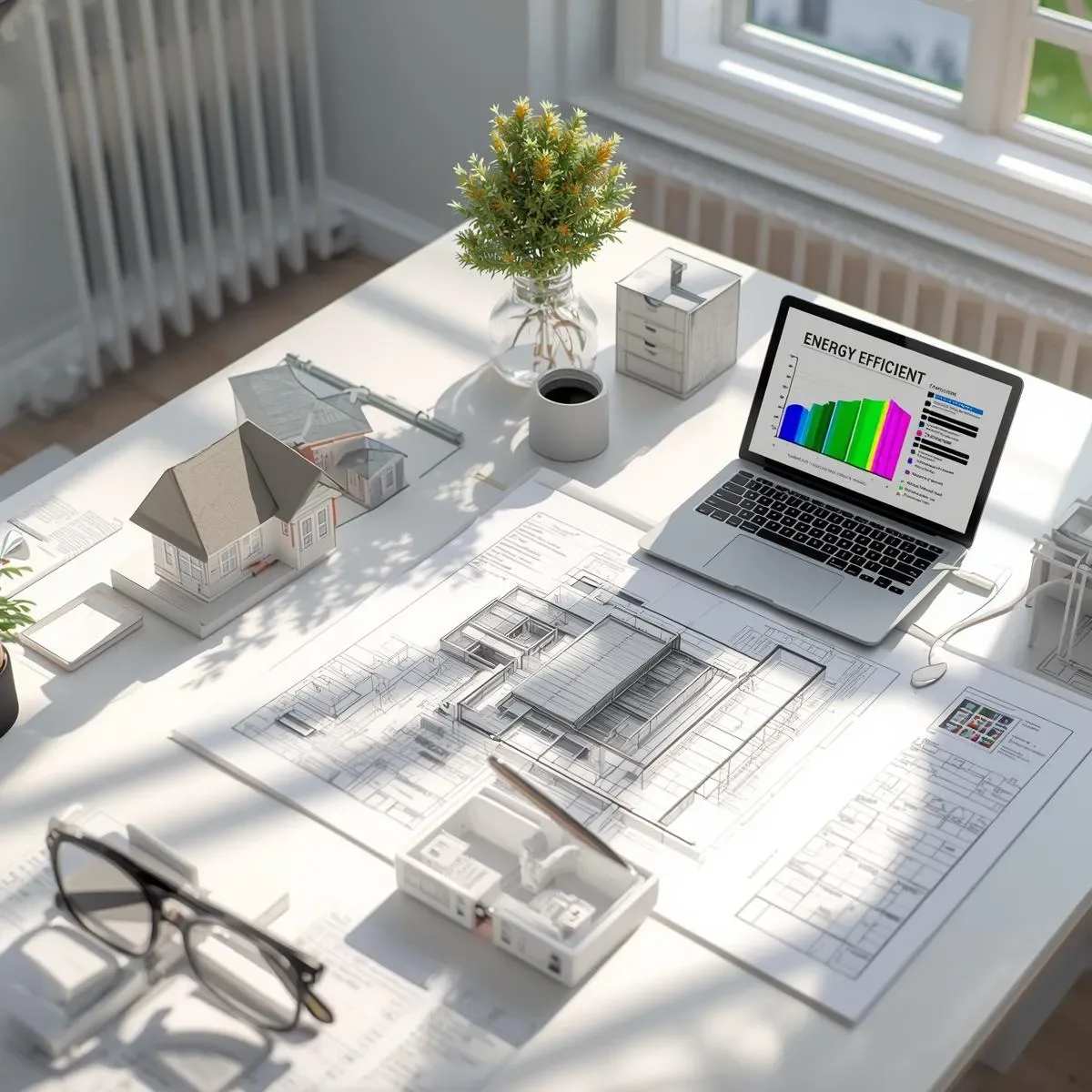
3D Model for Residential Space Potential Assessment: The Modern Tool for Thinking Before Designing
Before purchasing land or deciding between Renovation and Rebuilding, a 3D Space Potential Assessment reveals the maximum potential of a plot, analyzes improvement options, compares scenarios side by side, and estimates Value Uplift before committing investment.
read ↗
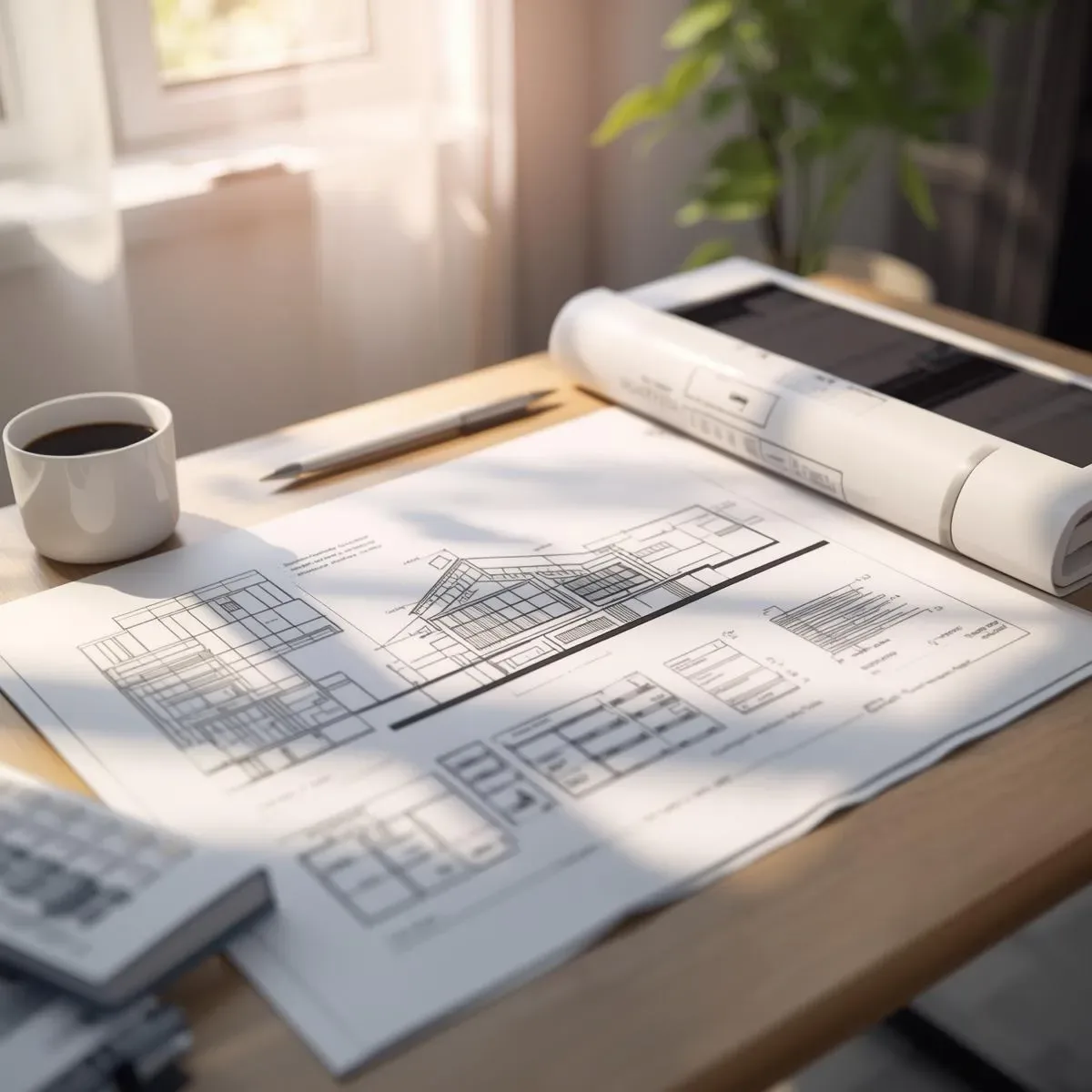
Planning-Based SmartInterior: How to Design Interiors That Begin with the Right Brief and Space Program
Planning-Based SmartInterior begins with a comprehensive Design Brief, goes through Space Programming to calculate actual space requirements, and establishes a Phased Implementation plan that Pre-installs Infrastructure ready for future expansion — reducing Retrofit costs by 60–70%.
read ↗
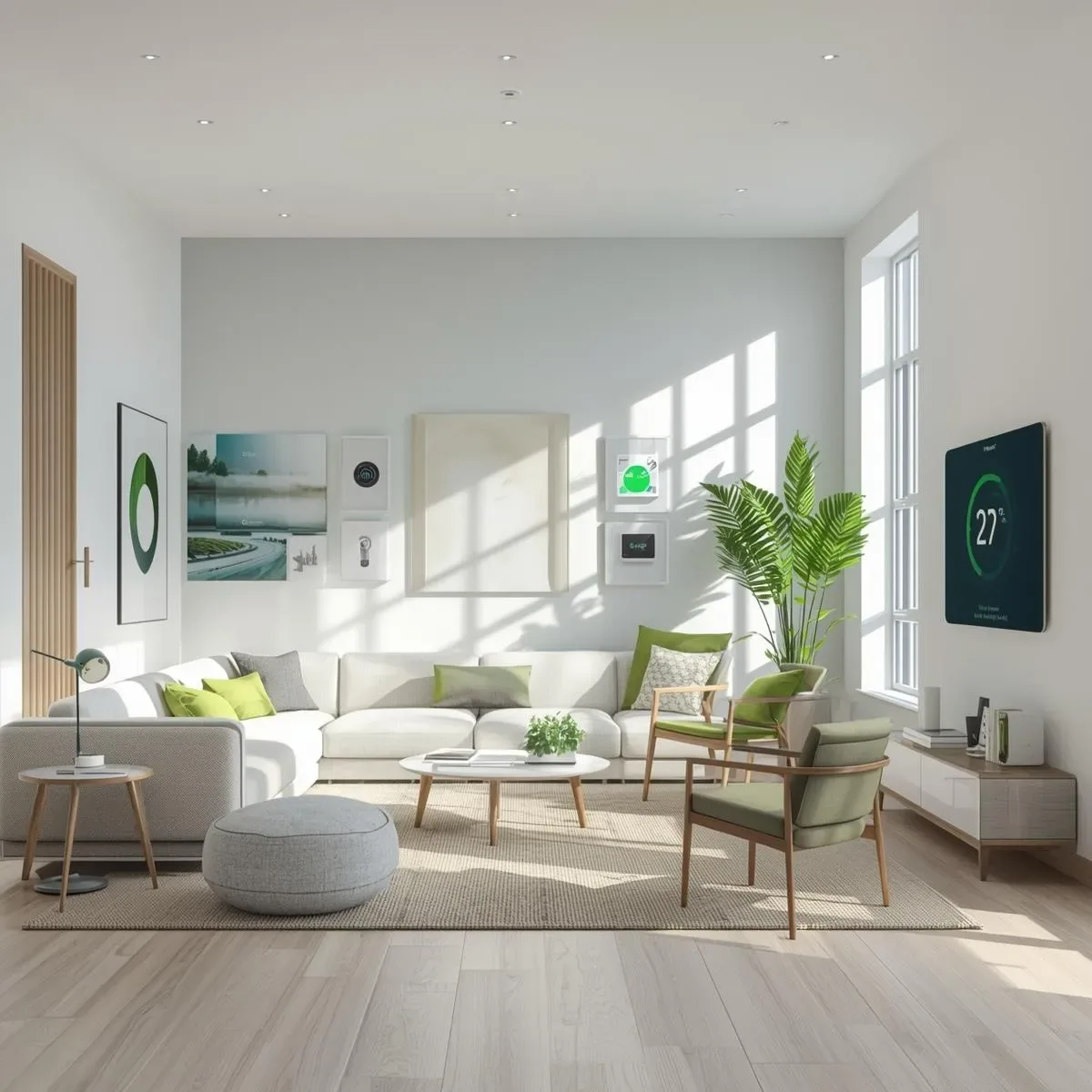
Strategic Smart Longevity IoT: Coordinating HVAC, Lighting, Appliances and EV as One Energy System
Strategic home energy management is not about controlling individual devices — it is about coordinating HVAC, lighting, appliances, Solar, and EV Charger to operate together according to an Energy Priority Stack, achieving 35–50% savings versus automating devices individually.
read ↗
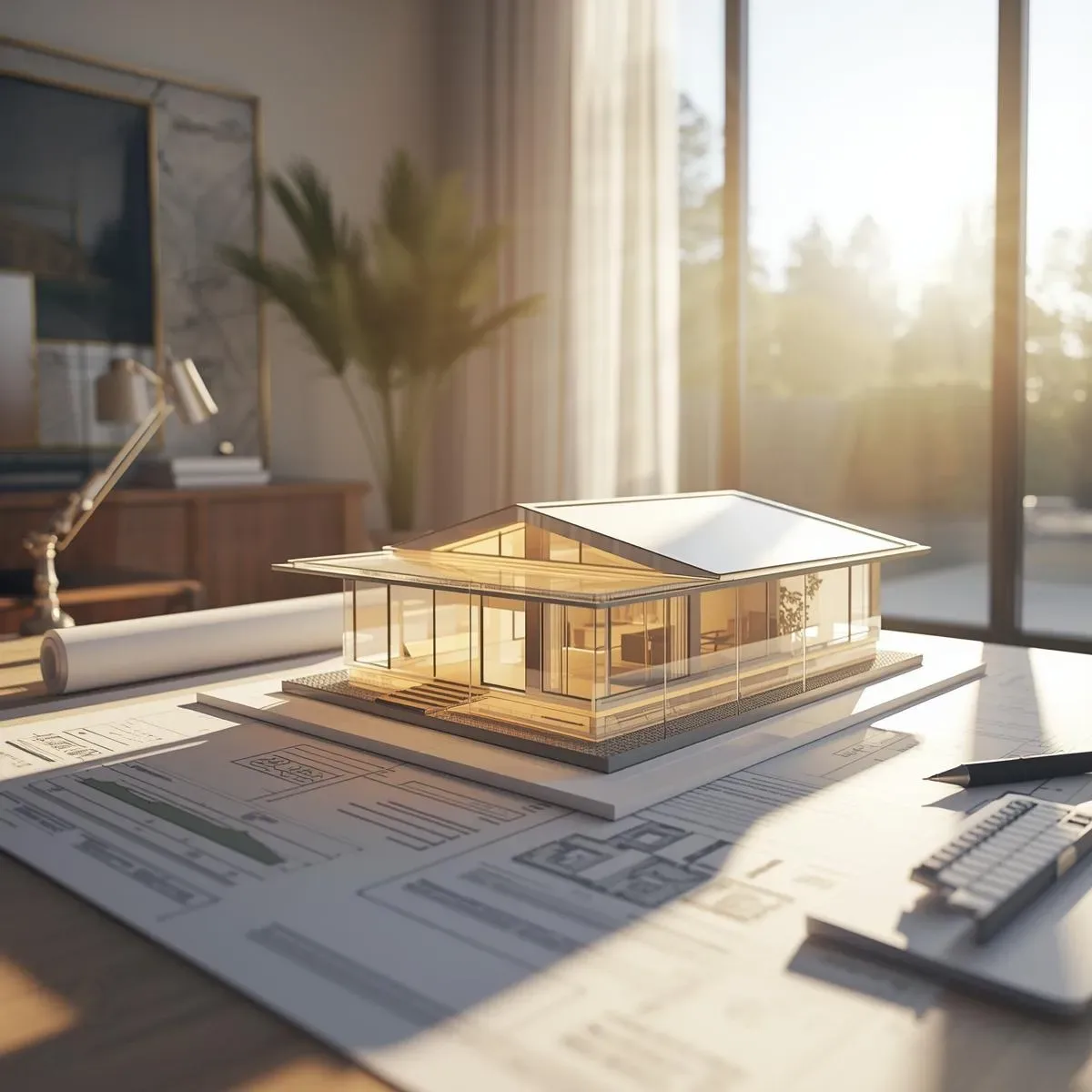
3D Model for Pre-Design Site Analysis: Visualizing Real Usage Potential from the Concept Stage
Before designing a building, the site must be understood as a three-dimensional environment. 3D Site Analysis covering Topography, Solar Path, Neighboring Context, and Wind Flow enables precise design decisions from the concept stage, reducing problems discovered during construction.
read ↗

Data-Driven SmartInterior: Using Sensor and Occupancy Data to Continuously Refine Your Space
IoT systems in SmartInterior do more than control devices — they collect real usage data to continuously improve design. A Data-Driven Approach lets the home learn and evolve according to the actual lives of its occupants, not the assumptions of its designer.
read ↗
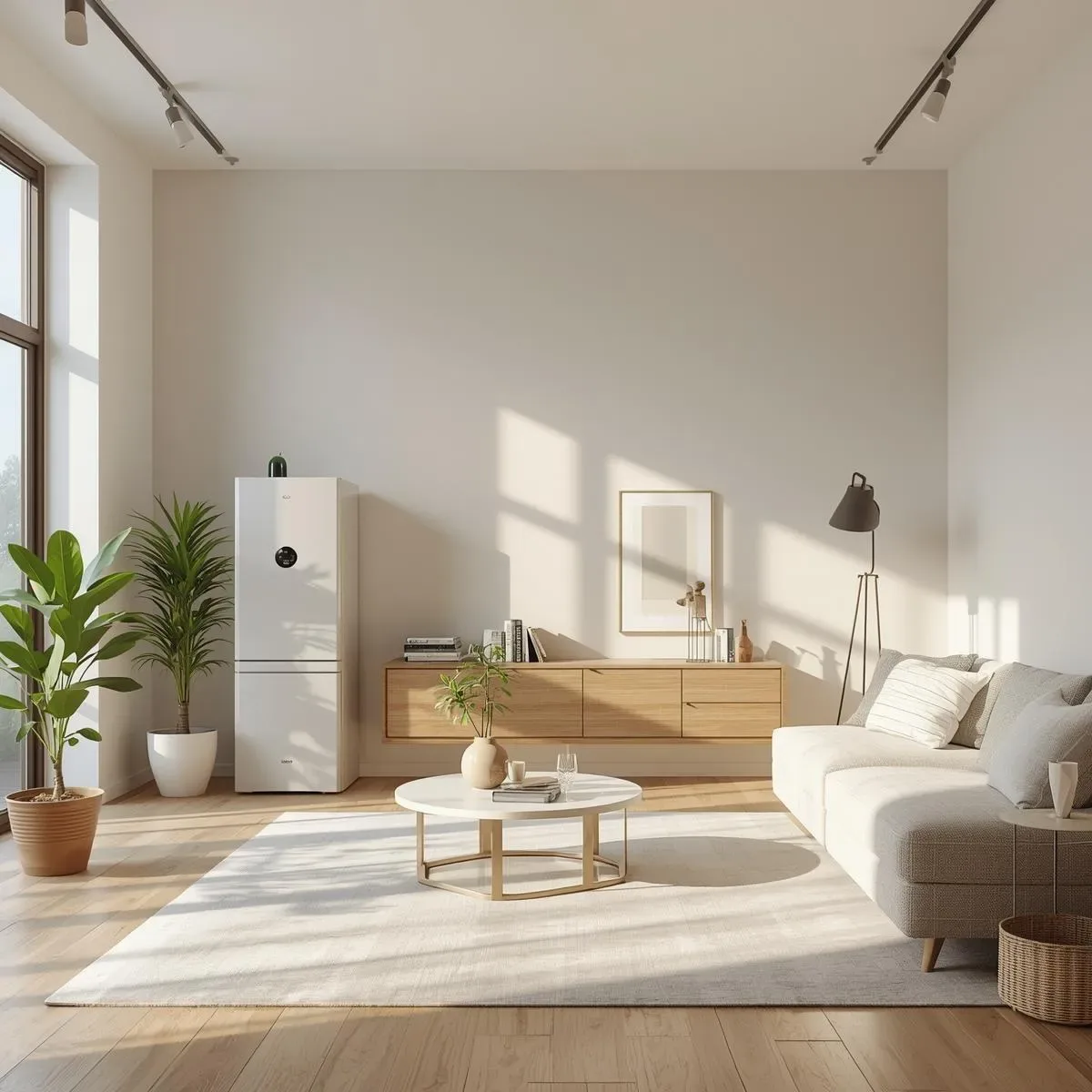
Smart Longevity IoT Energy Saving: Building Home Systems That Reduce Costs for Decades
Smart Longevity is a philosophy of investing in home IoT systems designed for 10–25 year economic returns — not just novelty. Built on three pillars — Automation, Intelligence, and Adaptability — it reduces Bangkok household electricity bills by 20–35% per month.
read ↗
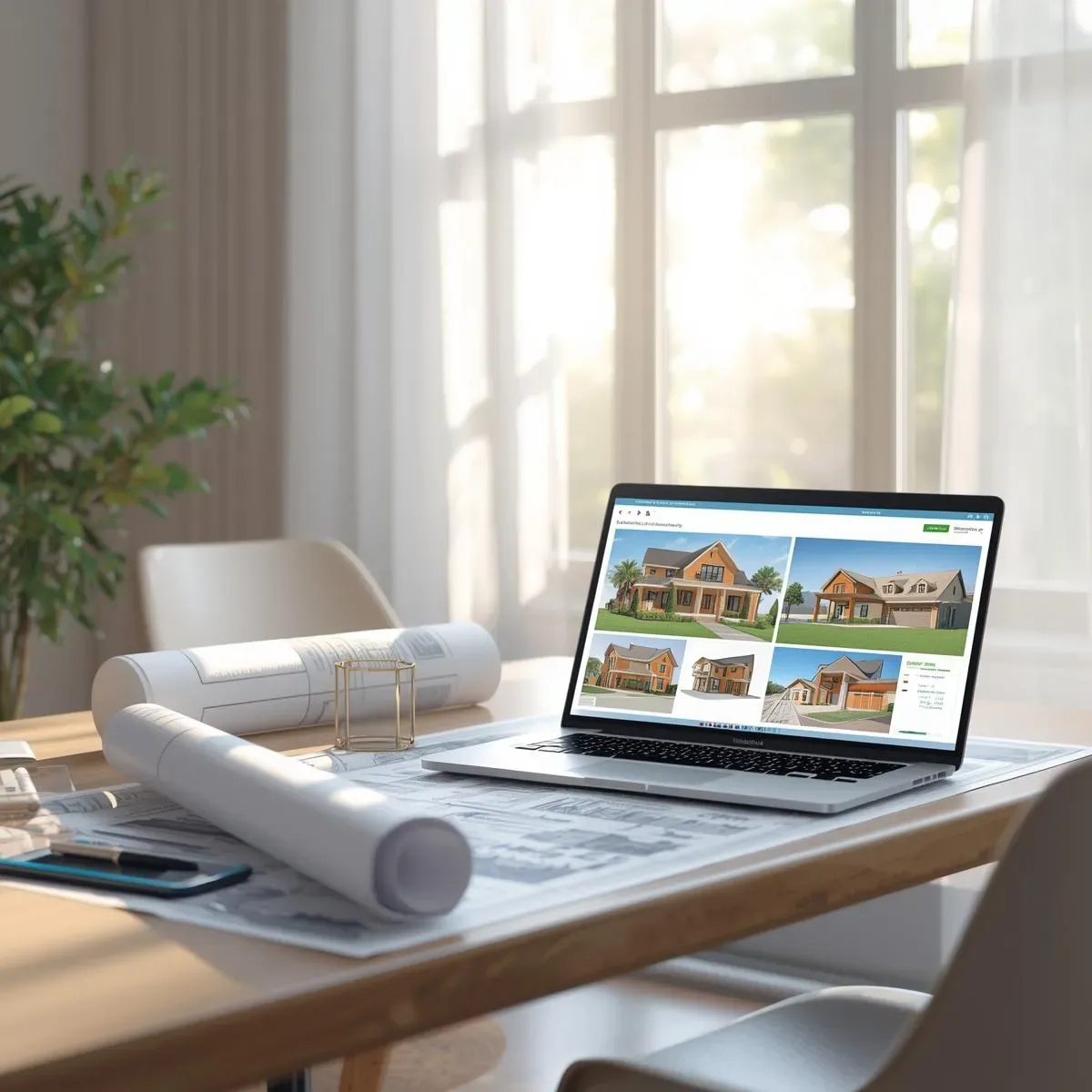
3D Model for Residential Experience Assessment: Test Your Space Virtually Before Building
VR Walkthroughs from 3D Models allow homeowners to assess actual living experience before construction — checking ceiling height feel, natural light, circulation paths, and spatial atmosphere in a virtual environment for precise design decisions.
read ↗
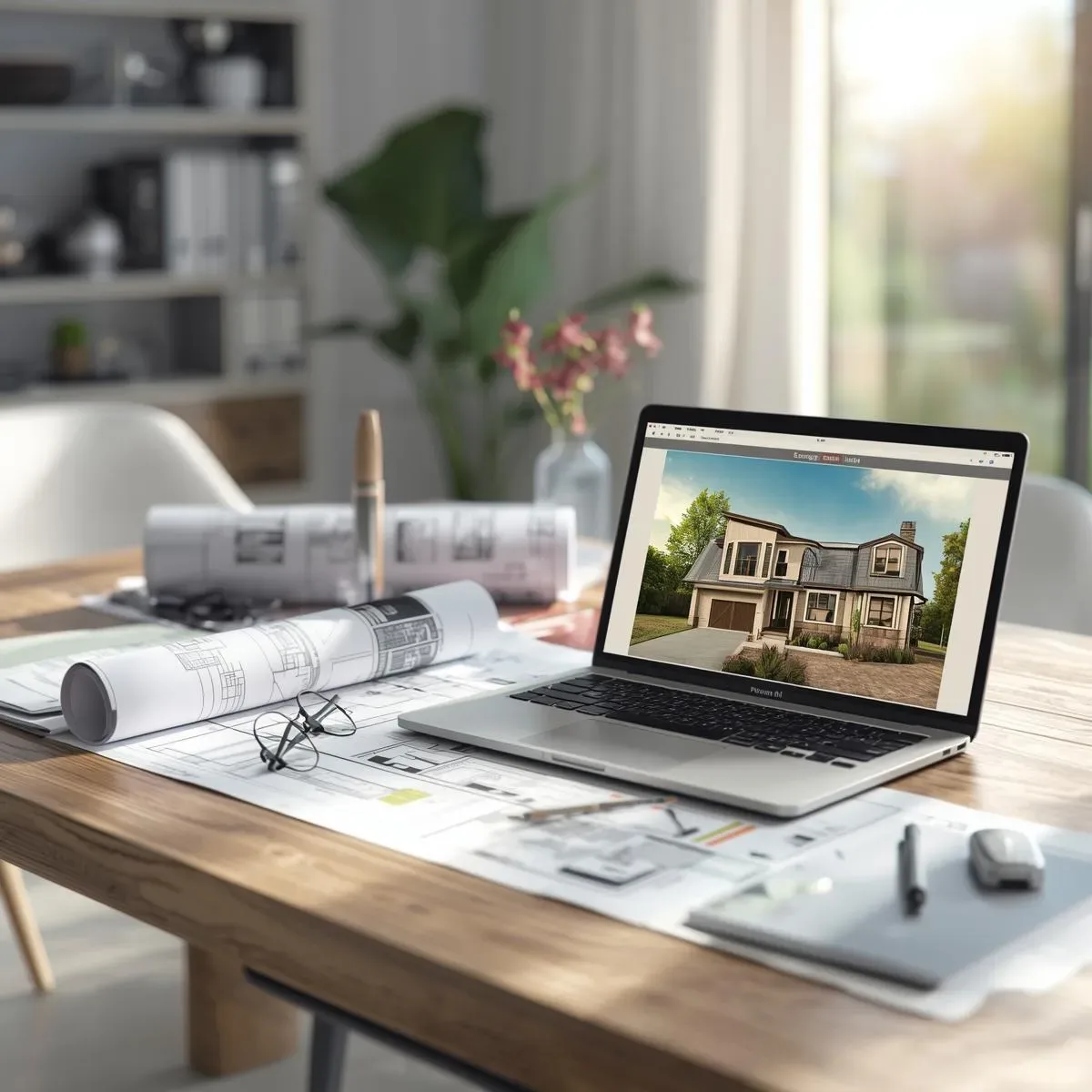
The Role of 3D Model in Modern Home Design: From Imagination to Precise Decision-Making
3D Models transform home design from guesswork into data-driven decision-making. Four main types — from Conceptual Massing to BIM and VR Walkthroughs — each add distinct value at different design stages, reducing Change Orders by up to 70%.
read ↗
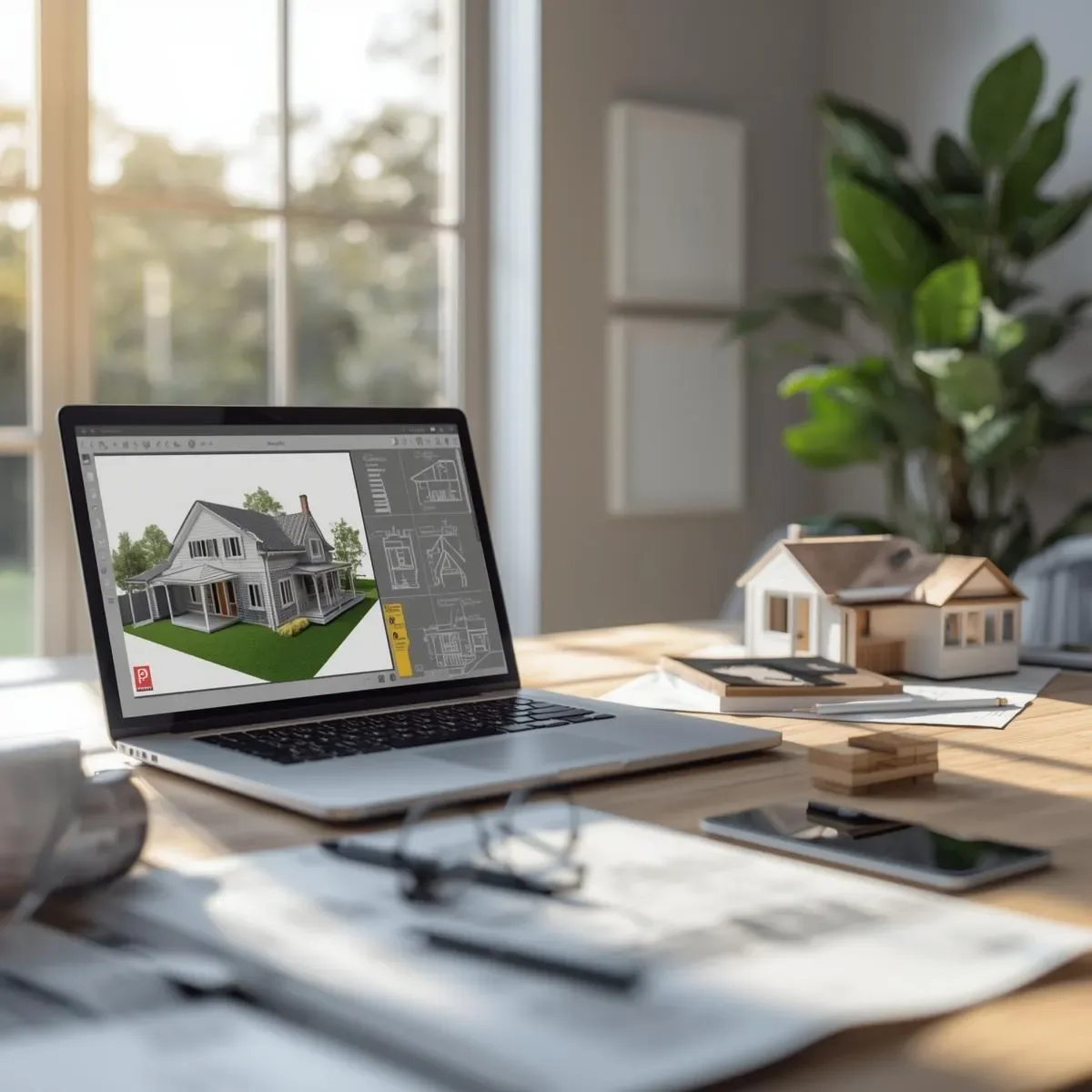
Behavior-Based SmartInterior: Designing Spaces That Start from Observing Real Daily Living
The best SmartInterior design begins with understanding the real behavior of occupants through observational research methods such as Activity Diaries, Shadow Studies, and Pain Point Mapping — then translating that data into spaces and Smart Home systems that genuinely fit daily life.
read ↗
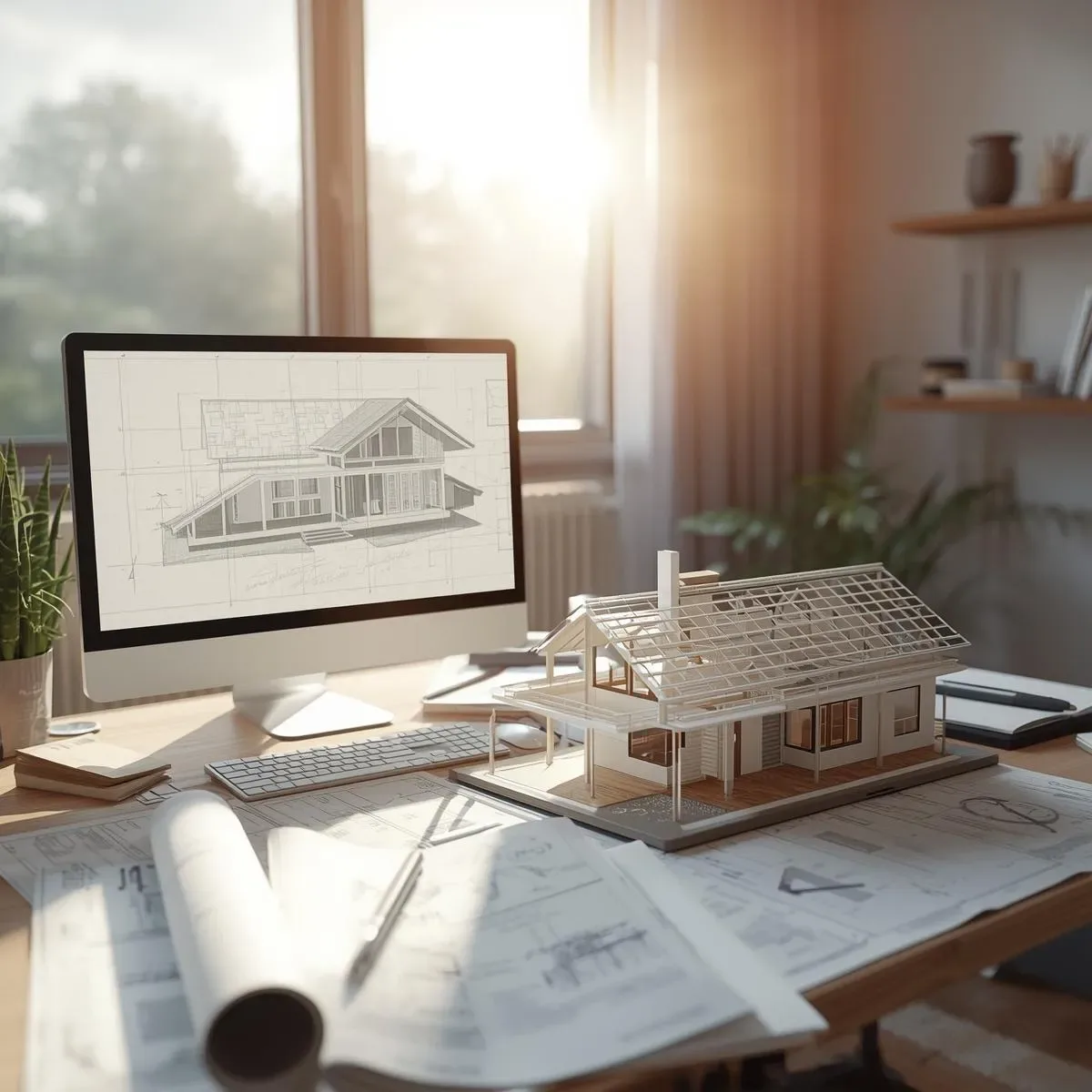
Systematic SmartInterior: Designing Spaces Where Every System Works in Harmony
Systematic SmartInterior is not about installing smart devices one by one — it is about designing lighting, HVAC, furniture, and audio-visual systems to work in seamless coordination, delivering the best living experience and maximum energy efficiency.
read ↗
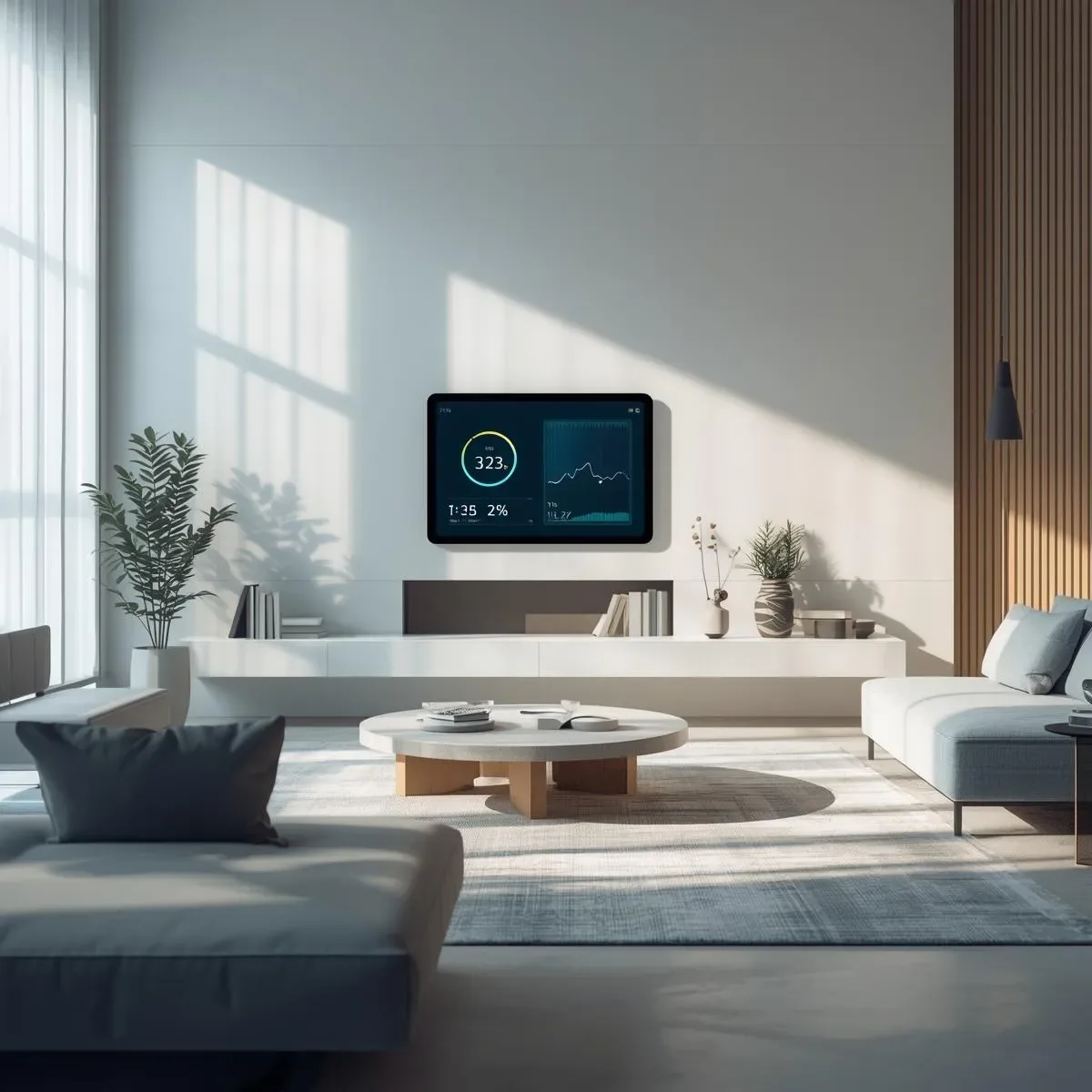
Smart Longevity Individual Occupant Power Planning: Personal Energy Dashboards and Coaching for Every Member
IoT systems that track and analyze energy use at the individual level — through Smart Plug Device-Level Monitoring and Personal Energy Dashboards — help every household member understand their own energy behavior and improve it with measurable goals.
read ↗
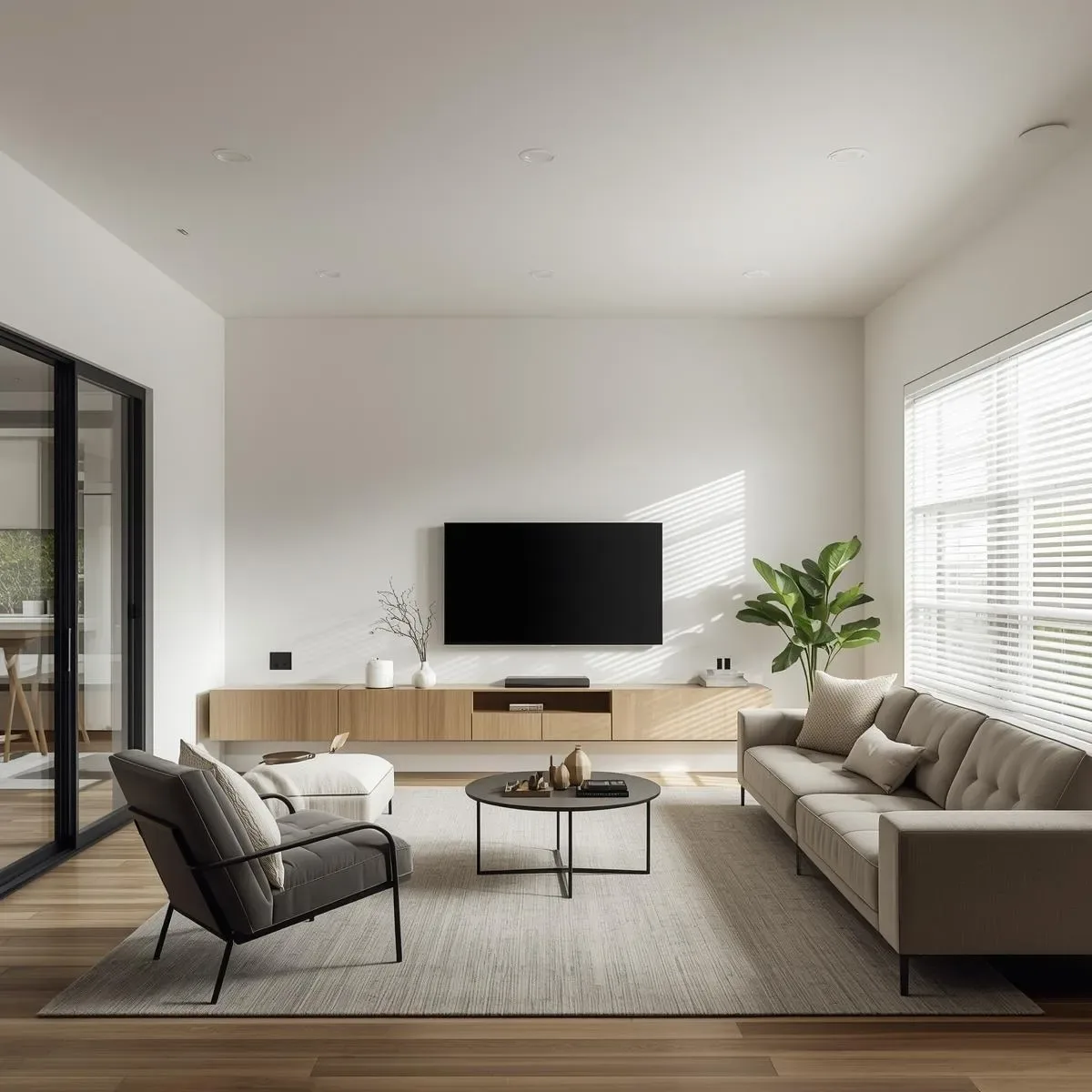
Habit Loop Learning IoT for Smart Longevity: Autonomous Energy Reduction Without Manual Commands
IoT systems that learn occupant Habit Loops — daily, weekly, and contextual patterns such as rainy days, holidays, or after-midnight routines — reduce energy consumption autonomously without manual commands or reprogramming.
read ↗
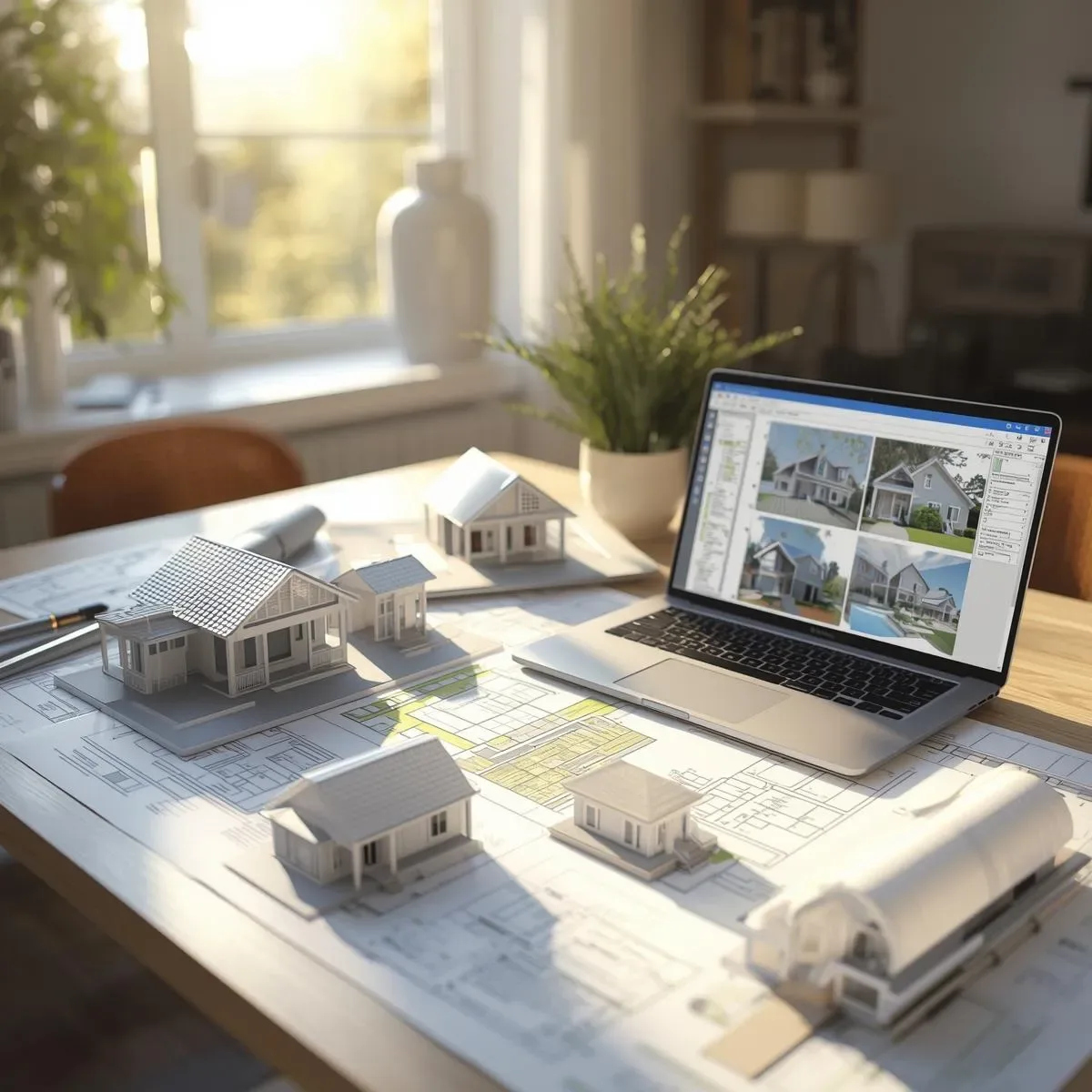
SmartInterior Ambient Intelligence: Homes That Sense and Respond to Occupants Invisibly and Intuitively
Ambient Intelligence embeds IoT technology invisibly into materials and furniture — the home senses occupant location, health indicators, and needs automatically, responding quietly without interrupting daily life.
read ↗