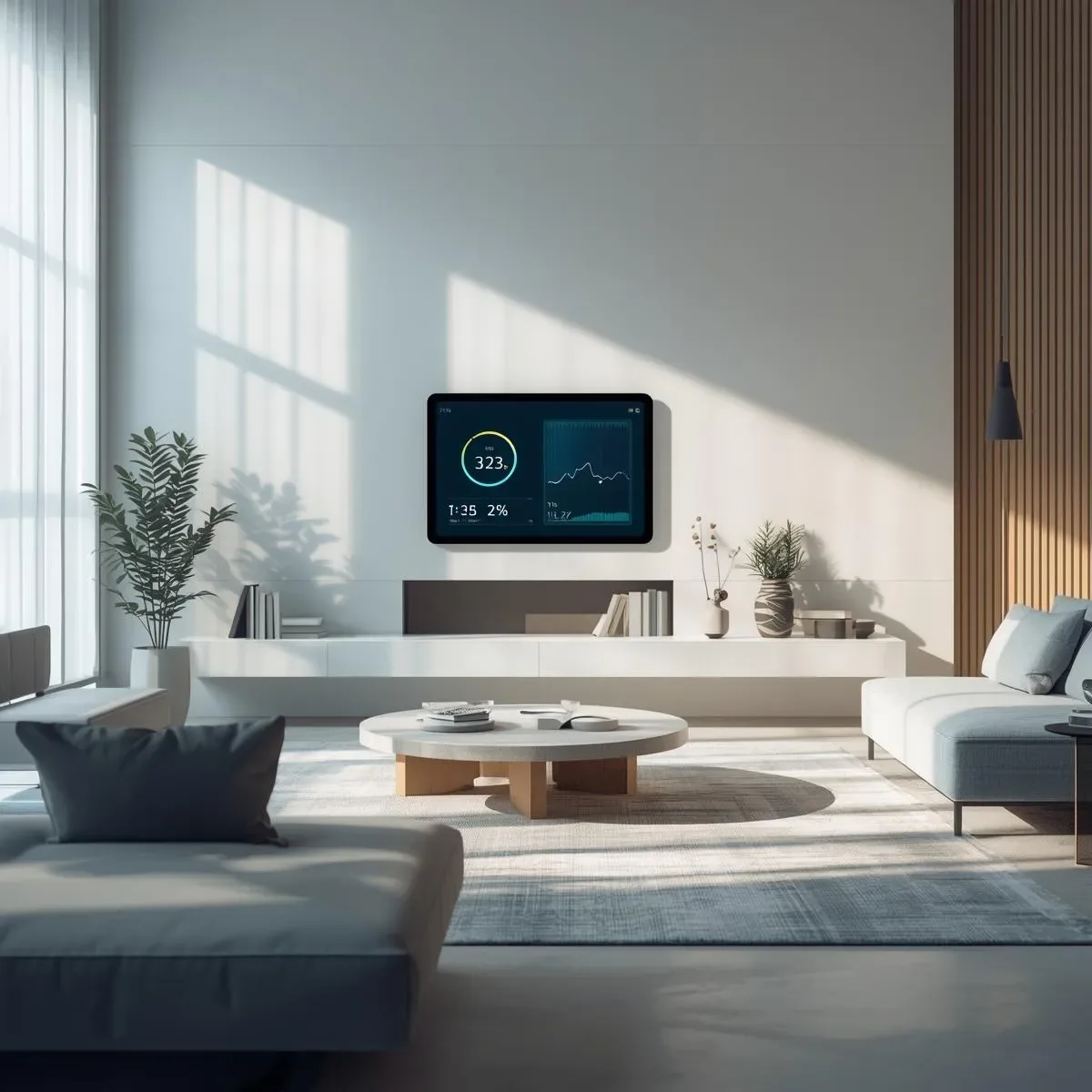
Most Smart Home systems report household-level energy consumption. In multi-person homes, knowing who is using which energy and how much is far more actionable data. Individual Occupant Power Planning drills down to the person and device level.
Device-Level Energy Attribution
Smart Plugs installed on individual appliances send Watt-by-Watt real-time data: - Laptop: 40–90W while working, 5–15W in Sleep mode - Monitor: 25–55W depending on size - Coffee machine: 900–1,200W during brewing (3–5 minutes), 0–5W in Standby - Hair dryer: 1,200–2,000W but used only 5–10 minutes per day The system correlates usage patterns with individual occupants through scheduling data and Location Data, building a unique Energy Profile for each person in the household.
Personal Energy Dashboard via LINE OA
Each household member receives a personalized Weekly Energy Report via LINE OA showing: - Estimated share of electricity cost (based on attributed usage) - Their personal highest-consumption devices - Week-over-week comparison and all-time Best Week reference - Personalized Energy Coaching recommendations — for example: leaving the coffee machine on Standby for 18 hours per day consumes 5W unnecessarily
Gamification for Building Energy Habits
Gamification creates sustainable energy-saving behavior: - Weekly Challenge: reduce Standby Power consumption by 20% this week - Family Leaderboard: who saved the most energy this month - Achievement Badges: total savings reached THB 1,000; 6 consecutive months of improvement - Streak Counter: consecutive days of turning off all Standby devices before bed Research shows Gamified Energy Monitoring reduces energy use by an additional 10–15% compared to non-gamified monitoring alone.