Understand Your Needs Before Buying
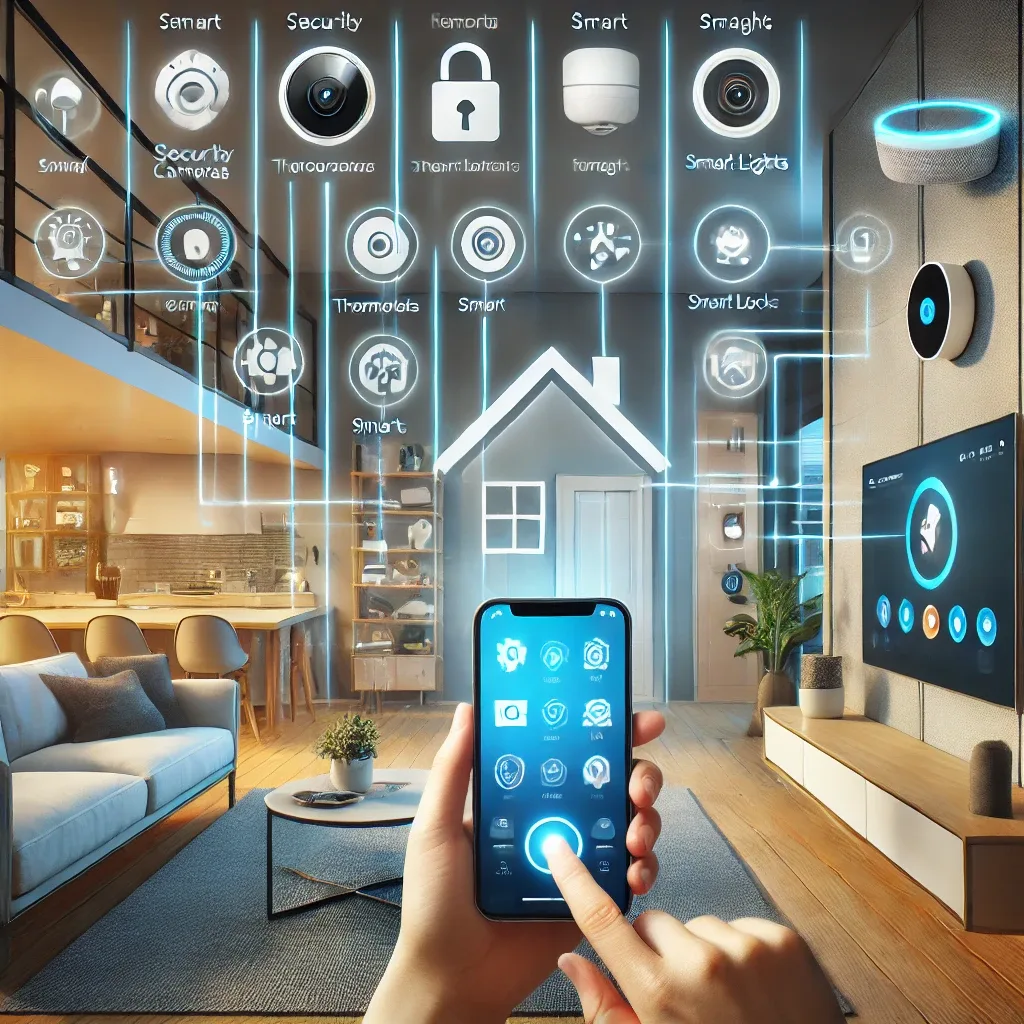
The first step toward a smart home is honestly answering what you actually need. Smart home devices fall into three primary categories: security systems (IP cameras, smart locks, motion sensors), energy management (smart bulbs, thermostats, plugs), and entertainment (smart TVs, smart speakers). Defining your priorities upfront prevents impulse purchases and helps you allocate budget where it delivers the most value.
Start with Easy, Cost-Effective Devices
For beginners, starting with self-installable devices is strongly recommended. Smart bulbs are the perfect first step — they control via app or voice, schedule automatically, and adjust color temperature to match activities. Smart plugs convert existing appliances into remotely controllable devices without replacing anything. Smart speakers like Amazon Echo or Google Nest Hub act as voice-controlled hubs that bridge your other devices together.
Choose a Compatible Ecosystem
One of the most common smart home mistakes is buying devices from multiple brands that cannot communicate with each other. The best approach is to choose a central control platform first: Home Assistant (open source, 3,000+ integrations), Amazon Alexa, Google Home, or Apple HomeKit — then select devices that support that platform.
HappySmart uses Home Assistant as the foundation for all client installations because it supports every major brand and does not lock you into any single manufacturer's cloud service.
Data Security: Don't Overlook It
Every internet-connected smart home device carries security risks if not properly protected. Essential practices include changing default passwords immediately on every device, enabling Two-Factor Authentication for all accounts, keeping firmware updated, and using a separate IoT Wi-Fi network (guest network) to isolate smart devices from your main network.
Choosing brands with strong security track records and transparent privacy policies is equally important for long-term peace of mind.
Energy Savings and Sustainability
Good smart home devices do more than add convenience — they deliver real energy savings. Smart thermostats reduce air conditioning bills by 10-20% through automatic away-mode scheduling. Smart lighting uses LED technology and auto-shutoff when rooms are empty. Smart plugs eliminate standby power consumption from appliances left on idle.
A Long-Term Investment
Homes equipped with smart home systems command increasing demand in Thailand's real estate market, boosting property value and attracting tech-conscious buyers. Combined with long-term energy savings, smart home investment delivers strong returns well beyond the initial installation cost. HappySmart helps design systems tailored to your home and budget, with ongoing support via our LINE Official Account.