Why PM2.5 Is More Dangerous Than Most People Realize
PM2.5 particles — smaller than 2.5 micrometers — are fine enough to penetrate deep into lung alveoli and enter the bloodstream directly. Unlike larger dust particles that the respiratory system's hair and mucus can trap, PM2.5 bypasses these defenses entirely.
Health impacts span multiple body systems. Respiratory effects include chronic coughing, asthma exacerbation, increased COPD risk, and long-term elevated lung cancer risk. Cardiovascular impacts include heart disease, arterial blockage, and hypertension. WHO data attributes over 7 million deaths annually worldwide to PM2.5 exposure. For children, exposure during developmental years can impair brain development and neurological function.
HappySmart IoT Air Purifier Features
HappySmart's IoT air purifiers are designed specifically for Thai air quality conditions, with features addressing the full spectrum of indoor pollution. The filtration system combines HEPA H13 (removing 99.97% of PM2.5 particles) with activated carbon filtration for VOCs, odors, and toxic gases.
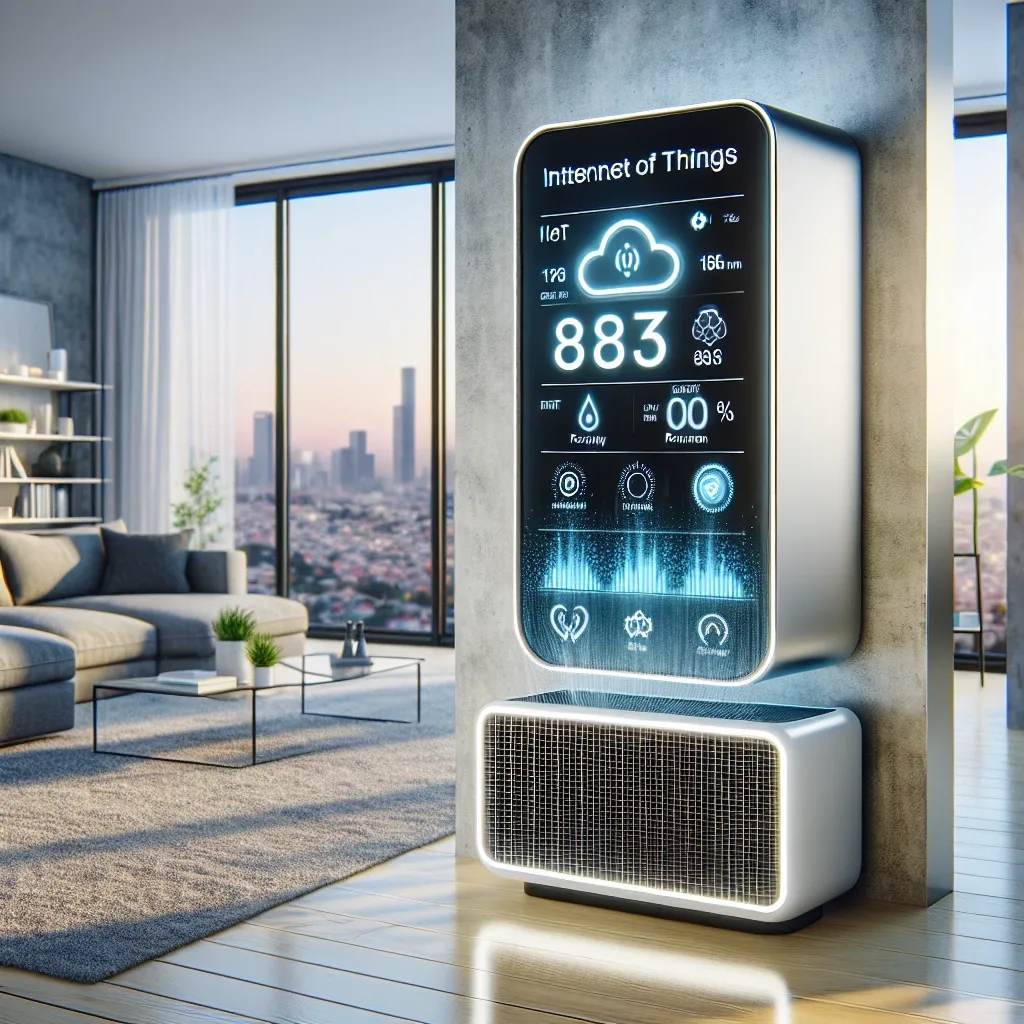
Built-in laser PM2.5 sensors provide real-time air quality readings displayed on the unit and in the companion app, with automatic fan speed adjustment based on detected pollution levels. Wi-Fi and Zigbee connectivity enables control through Xiaomi Home, SmartThings, Google Home, and Home Assistant, supporting sophisticated automation routines that respond to multiple environmental triggers simultaneously.
Measurable Benefits in Real-World Use
Field data from HappySmart installations demonstrates measurable health and efficiency gains. Maintaining indoor PM2.5 consistently below 12 μg/m³ — the WHO annual guideline — significantly reduces cardiovascular and respiratory disease risk according to EPA research.
Energy efficiency improves because automatic operation means the purifier runs at full power only when air quality demands it, not continuously at maximum speed. Convenience benefits include remote monitoring and control from anywhere, scheduled operation aligned with occupancy patterns, and integration with other smart home devices for coordinated responses to air quality events.
IoT Air Purifier Selection Guide
Six key factors guide selection of the right IoT air purifier. CADR and room size: target CADR equal to room area in sqm multiplied by 2.5. Filter type: HEPA H13 plus activated carbon for comprehensive protection. Smart home compatibility: Wi-Fi, Zigbee, or Matter protocol, and explicit Home Assistant support. Noise level: Sleep mode should be under 35 dB for bedroom use. Replacement filter cost and frequency: factor into total cost of ownership. Design: should complement the room's aesthetic since these run continuously.
HappySmart's Roadmap
HappySmart is developing next-generation purifiers integrating AI and machine learning to learn occupant behavior patterns and predict air quality needs proactively. Integration with Air4Thai and AirVisual outdoor monitoring networks will enable pre-emptive responses before outdoor air quality deteriorates, creating a genuinely intelligent home air quality management system.