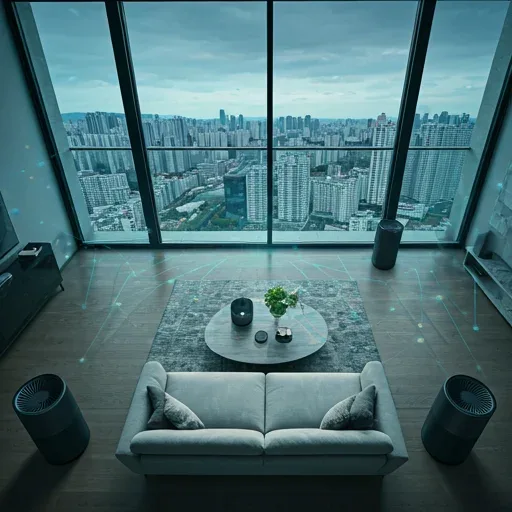
What Is PM2.5 and Why Is It More Dangerous Than Regular Dust?
PM2.5 refers to particles smaller than 2.5 micrometers — 30 times smaller than the diameter of a human hair. This extreme smallness allows PM2.5 to bypass the natural filtration system in your nose and throat, penetrating directly into lung alveoli and the bloodstream. Sources in Bangkok include vehicle exhaust, construction, seasonal agricultural burning from northern Thailand carried by wind, and indoor cooking.
WHO 2021 standards set the 24-hour average PM2.5 limit at 15 μg/m³, but Bangkok exceeds this in major areas for over 150 days per year.
Scientifically Documented Health Impacts
Short-term PM2.5 effects include eye, nose, and throat irritation, coughing, breathing difficulty, and allergy exacerbation. Long-term effects with strong scientific evidence include chronic respiratory diseases (COPD and asthma), cardiovascular disease including stroke and hypertension, impaired lung and brain development in children, and lung cancer from prolonged PM2.5 exposure.
The highest-risk groups are children under 12, the elderly, those with existing lung or heart conditions, and pregnant women.
Six Smart Home Solutions That Actually Protect Against PM2.5
Solution one is a Smart Purifier with AI for automatic speed adjustment — choose HEPA H13 with Carbon and CADR ≥ room area × 2.5. Solution two is multi-point IoT Sensors with Home Assistant prioritizing children's bedrooms for the lowest PM2.5 levels at all times. Solution three is Smart ERV/HRV Ventilation that checks outdoor PM2.5 before bringing air inside.
Solution four is real-time LINE or Telegram alerts with 6-12 hour trend graphs for planning outdoor activities. Solution five is Smart Windows or Smart Blinds that automatically close when PM2.5 is high to reduce dust infiltration through gaps. Solution six is HVAC Smart Control connecting a home's air handler to automation for simultaneous control across all rooms.
Three-Step HappySmart + Home Assistant Setup Guide
Step one — Choose devices: Air Sensors for every bedroom, Smart Purifiers sized appropriately, and HappySmart Hub supporting Wi-Fi/MQTT/Zigbee.
Step two — Configure the system: install Home Assistant on Raspberry Pi 4 or NUC, add HappySmart Integration via HACS, build a dashboard showing all rooms, set basic automations (PM2.5>35 → increase purifier speed, CO2>800 → activate ventilation).
Step three — Maintain and optimize: check logs weekly for anomalies, calibrate sensors every 6 months, replace filters as the app indicates, and review automation rules quarterly to adapt to seasonal changes.
Start Today Before the Next Dust Season Arrives
Bangkok's dust season begins every year around December-January. Setting up your system 2-3 months in advance gives you time to collect baseline data, optimize automations, and be fully prepared when PM2.5 peaks.