smart-home-health
12 articles on smart-home-health.

Maximizing Oxygen Intake at Home: Tips for Better Living and Better Health
From natural ventilation and indoor plants to hospital-grade HEPA filtration at 99.999%, proven methods exist to raise oxygen levels and air quality in any Bangkok home.
read ↗

Improve Your Health with Smart Home Technology in Bangkok 2026
Bangkok smart homes in 2026 go beyond convenience — HEPA filtration, real-time air quality monitoring, and sleep optimisation deliver measurable health improvements.
read ↗
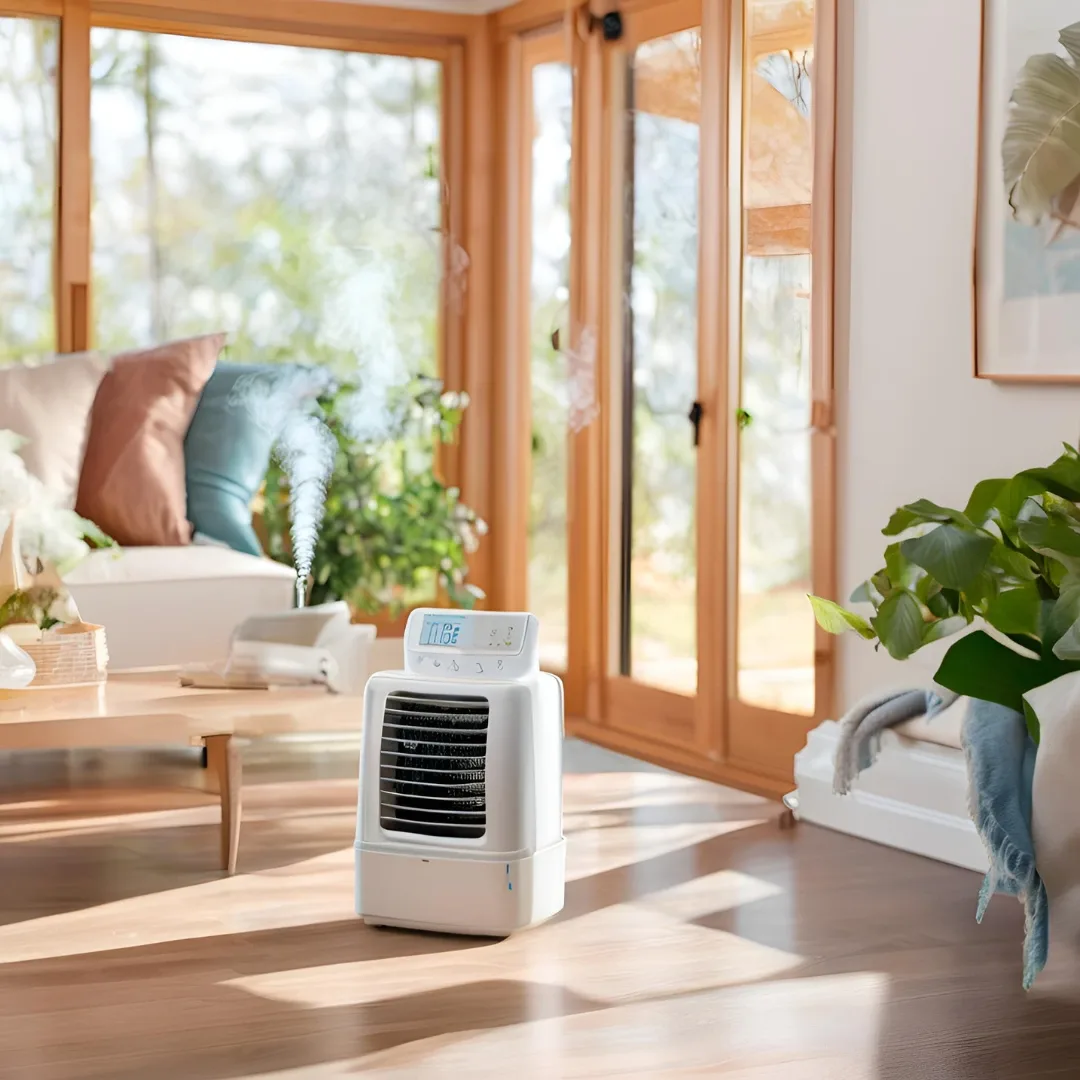
Clean Indoor Air and Positive Air Pressure Systems for Thai Homes
Clean indoor air reduces respiratory health risks. Positive Air Pressure systems create higher indoor pressure to block PM2.5 and pollutants from entering Bangkok homes.
read ↗
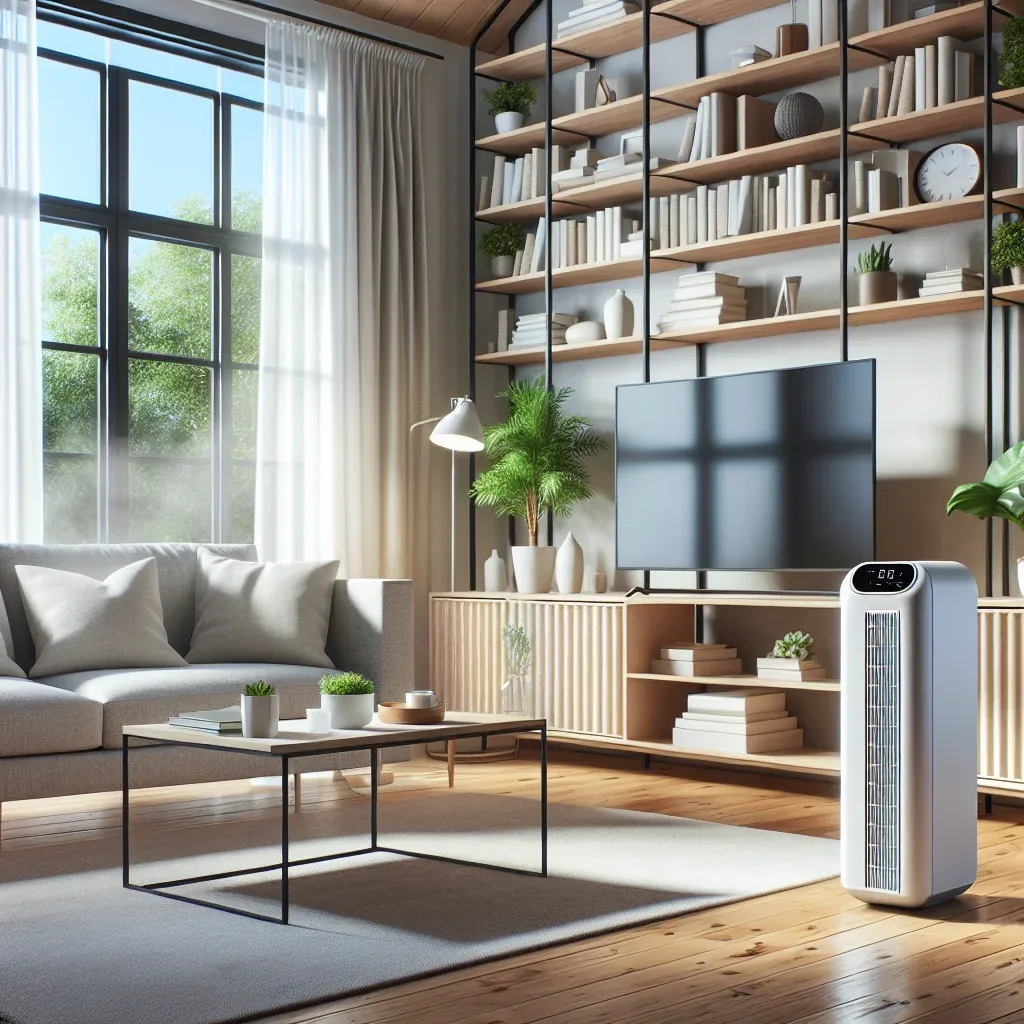
Clean Indoor Air With Positive Pressure Systems and Smart Air Quality Sensors
Bangkok's PM2.5 levels remain a health concern in 2026. Positive air pressure systems combined with smart air quality sensors give homeowners measurable control over the air their families breathe.
read ↗
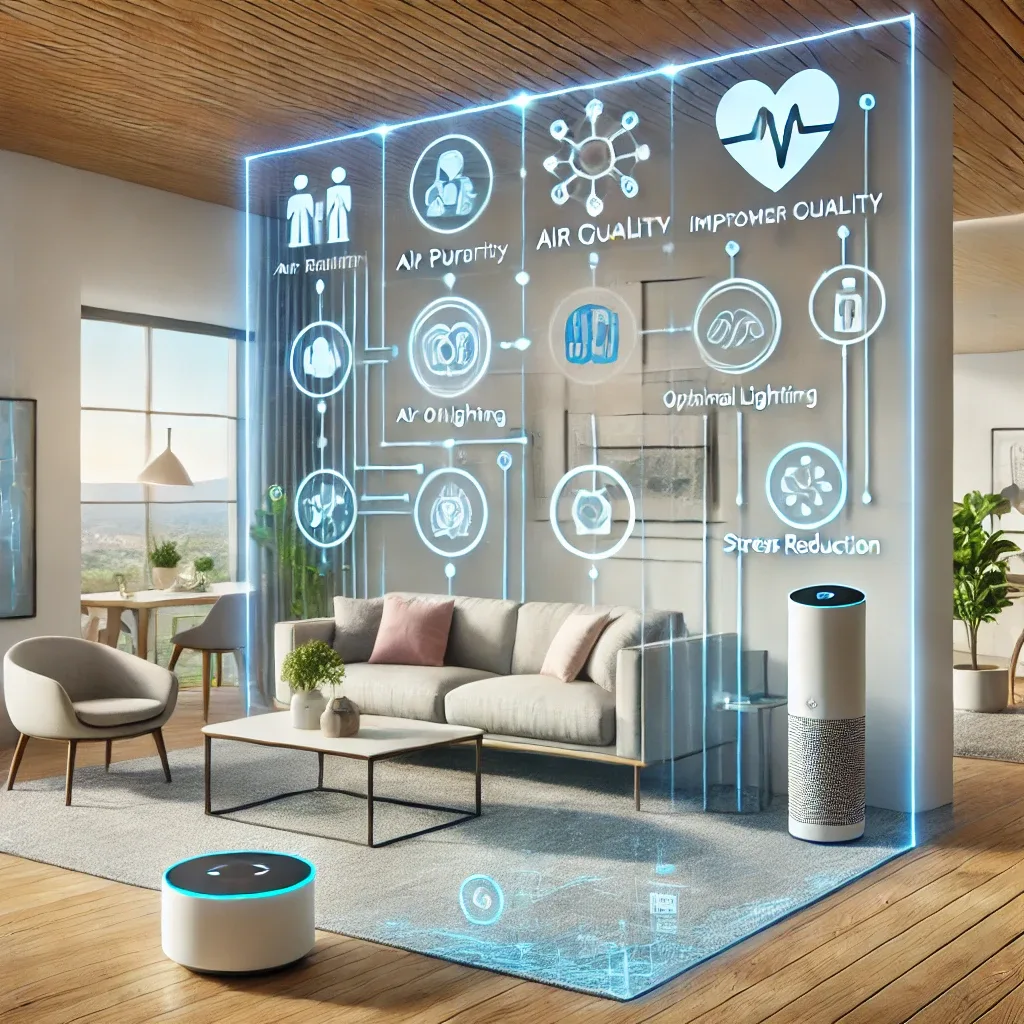
Smart Home Systems and Health: Building a Better Environment with Smart Living
A smart home in 2026 does more than add convenience — it automatically manages air quality, lighting, and humidity to support every family member's health.
read ↗

The Future of Home Health Care with Smart Technology in 2026
Smart home technology in 2026 lets you monitor family health in real time, reduce risk, and improve quality of life without leaving the house.
read ↗
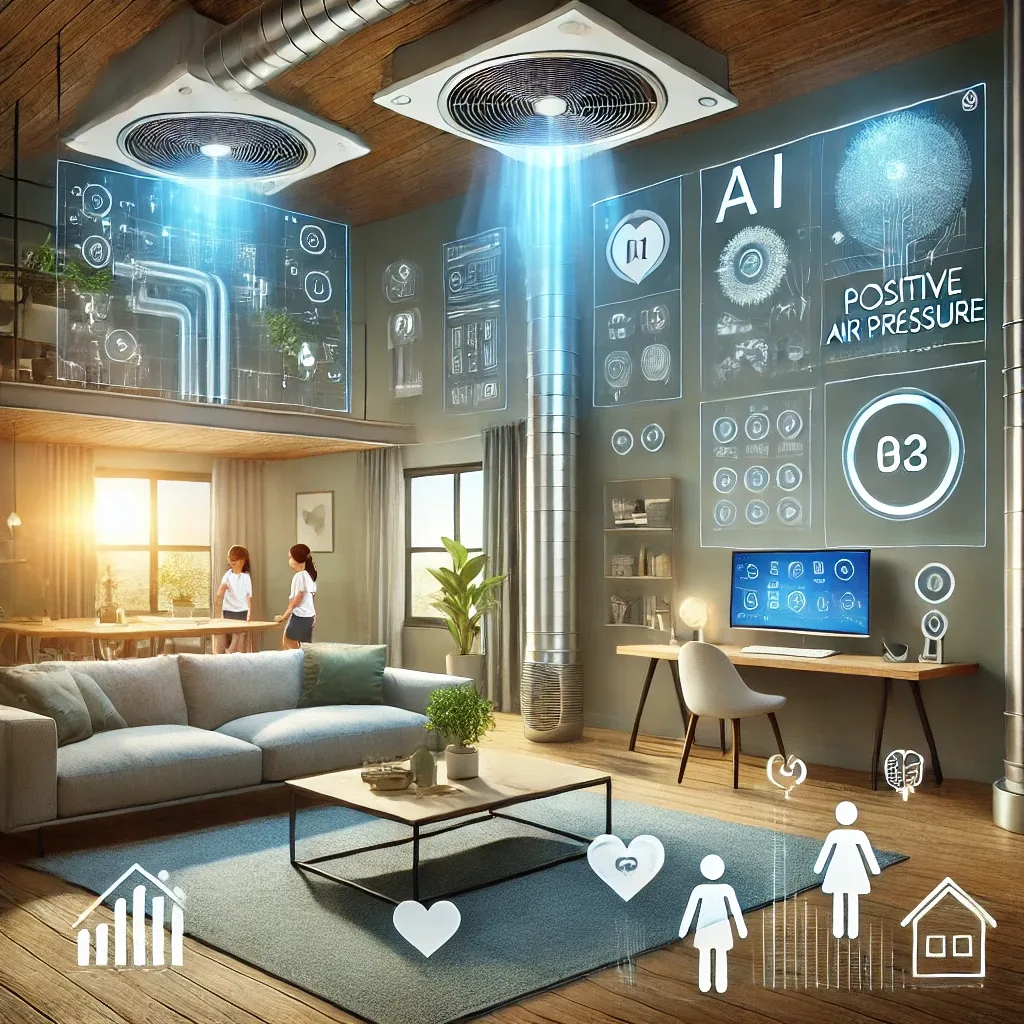
Positive Air Pressure for Smart Homes: Health Technology That Protects Your Family
Positive Air Pressure systems control airflow to keep PM2.5, allergens, and pathogens out of your home. Discover how this hospital-grade technology integrates with your smart home for cleaner indoor air.
read ↗

Smart Home for Health: Temperature, Humidity, and Air Quality Control with HappySmart IoT
A Smart Home is more than convenience — it is a health management tool. HappySmart's IoT system monitors and controls temperature, humidity, and air quality in real time to protect your family's wellbeing.
read ↗

What Is a PAP Device? Positive Air Pressure Filtration for Clean Indoor Air
A PAP Device draws outdoor air through an HEPA H13 filter and pressurizes the interior, preventing polluted outside air from seeping through gaps. The result is consistently clean indoor air.
read ↗
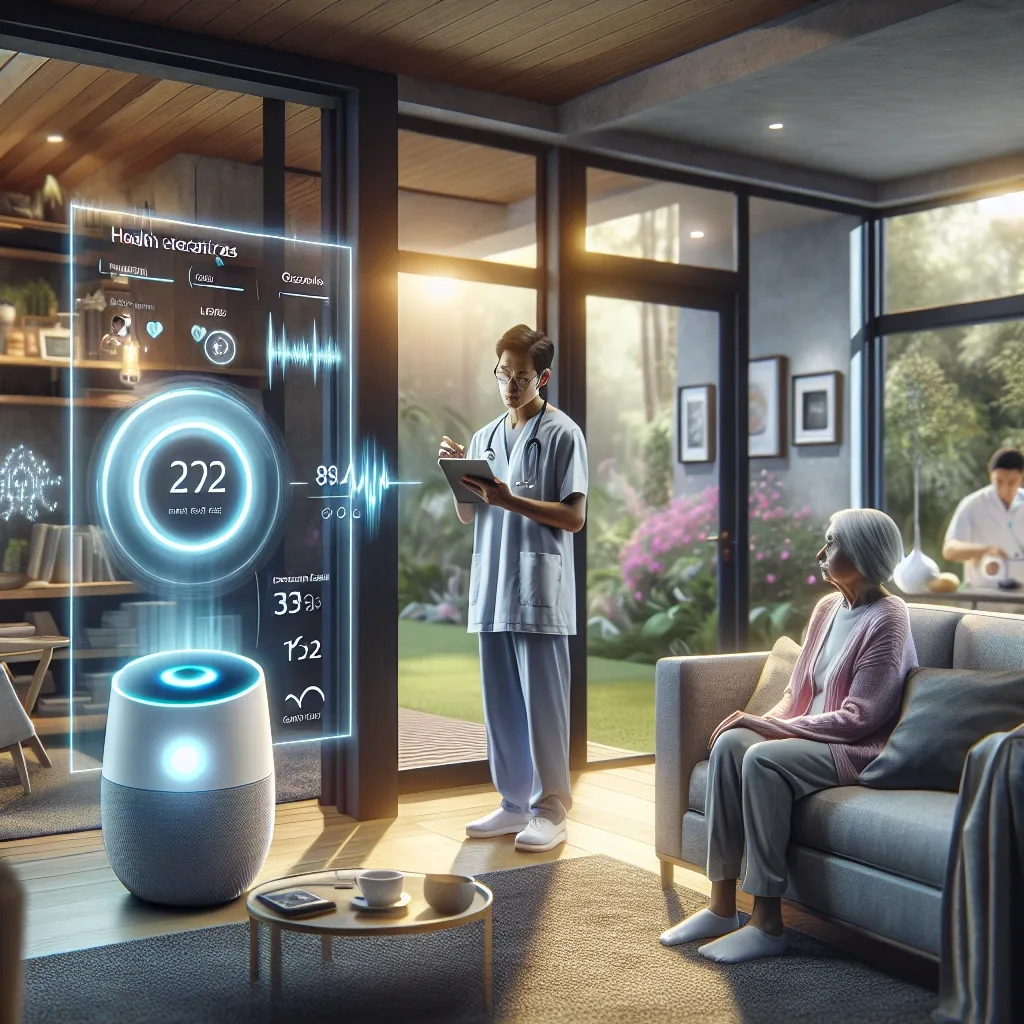
Home Assistant for Home Healthcare: Managing Allergies and Supporting Elderly Residents
Home Assistant is more than device control — it is a serious home healthcare platform that manages air quality, supports elderly residents, and creates optimal environments for allergy sufferers.
read ↗
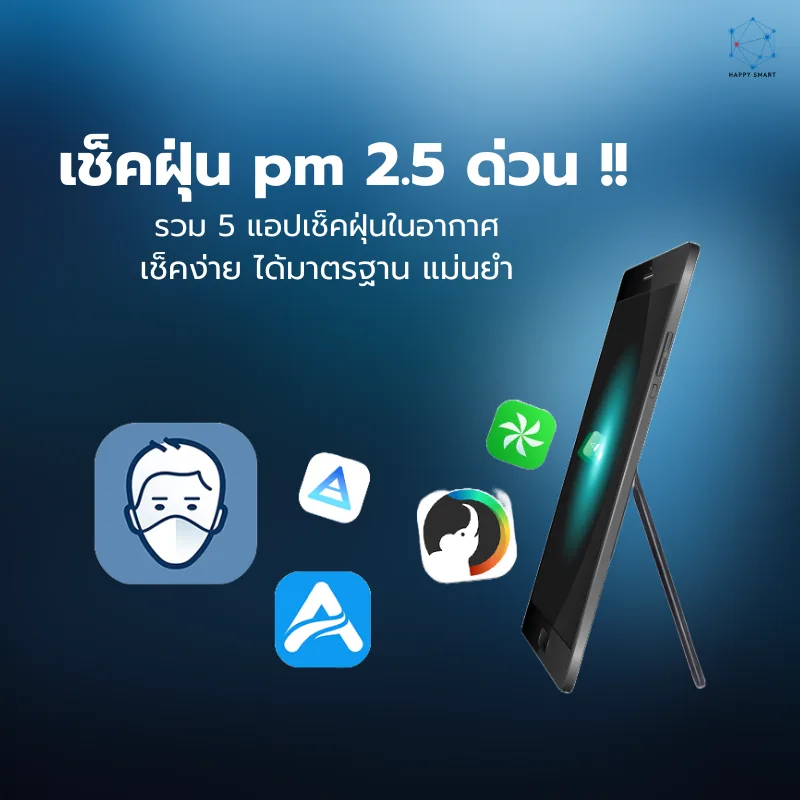
Check PM2.5 Fast: 5 Best Air Quality Apps That Are Accurate and Reliable
PM2.5 remains a persistent issue across Thailand. Here are 5 air quality monitoring apps that are easy to use, accurate, and available on both iOS and Android — with a comparison of each app's strengths to help you choose the right one.
read ↗

Floor Pressure Sensor Network: Detecting Fall Risk from Gait Asymmetry — No Wearable Required
An FSR (Force Sensitive Resistor) network embedded in floor tiles monitors bilateral foot pressure in real-time, analyzing gait asymmetry and Center of Pressure shifts to assess fall risk in elderly residents — no wearable device needed.
read ↗