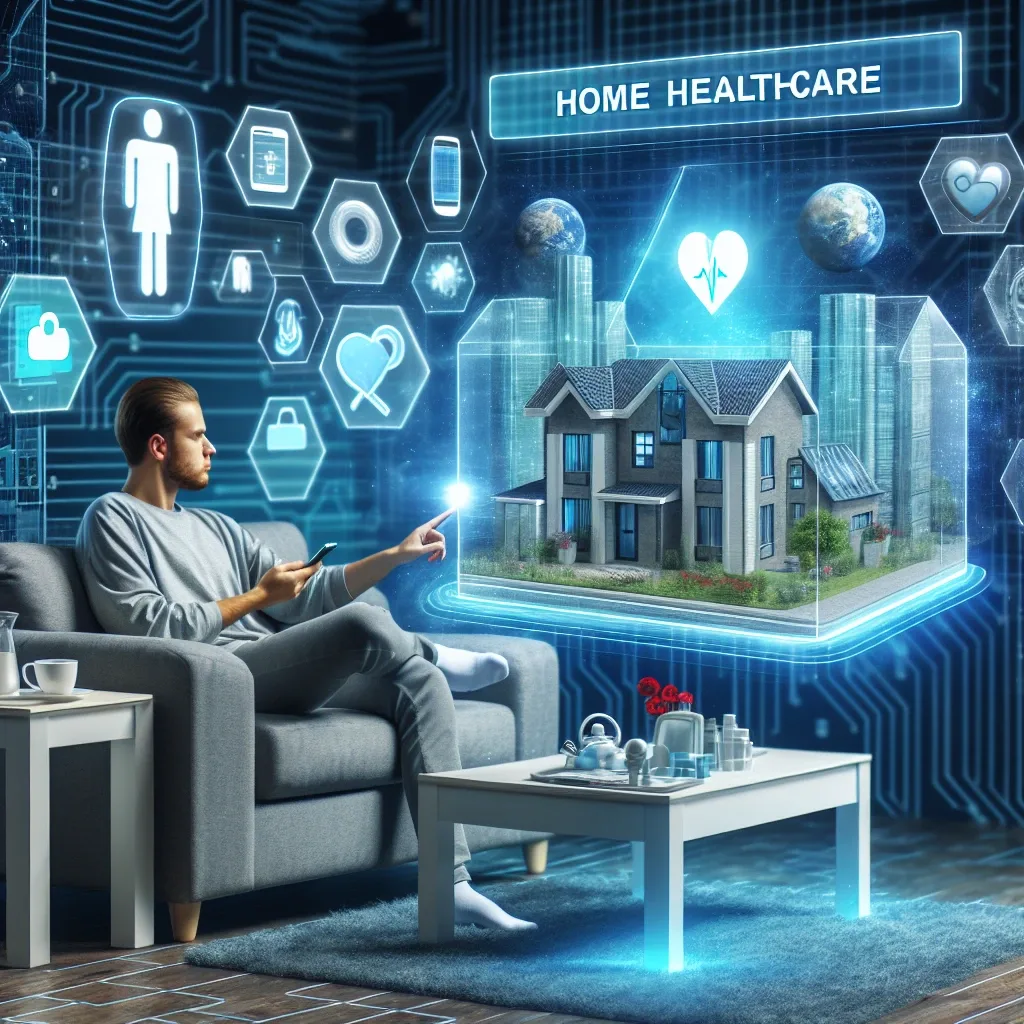
Home Health Care in 2026: Beyond the Blood Pressure Cuff
Home health monitoring in 2026 looks nothing like the single-device setups of five years ago. mmWave radar sensors installed in a bedroom can now measure respiration rate and heart rate without physical contact, feeding data continuously into platforms like Home Assistant or Tuya where rules engines flag anomalies before they become emergencies.
HappySmart's AI SmartHome systems support Matter 1.4, which means health-adjacent devices from Xiaomi Mi Home, Apple HomeKit, and Tuya all speak the same protocol on a single hub. No separate apps, no conflicting automations — just one coherent dashboard showing what matters.
Sensors That Turn Your Home into a Health Station
PM2.5 and CO2 sensors from TP-Link and Xiaomi install in minutes and feed readings into a unified display. When bedroom CO2 climbs past 1,000 ppm, the system triggers ventilation automatically — no waiting until the stuffiness becomes obvious. In Bangkok's urban environment, where outdoor air quality fluctuates significantly, real-time indoor monitoring is not a luxury.
For elderly residents or those managing chronic conditions, next-generation mmWave fall-detection sensors distinguish accurately between sleep positions and genuine falls on the floor, sending alerts to family smartphones within three seconds. False-positive rates are dramatically lower than PIR-based systems from prior years, which is the key reason adoption is accelerating in 2026.
Connecting Home Data to Remote Medical Care
The smartest use of home health data is not the alert itself but the longitudinal record it creates. When a resident consults a physician via telemedicine, the system can export a structured summary of sleep patterns, air quality trends, and vital-sign anomalies covering the preceding weeks. The physician arrives at the call with context that would previously have required a multi-day hospital stay to gather.
For homes in Bangkok, Hua Hin, and Khao Yai, HappySmart designs sensor placement around actual living patterns — where the family spends most of its time, how rooms are used at night, which residents need closer monitoring. Specification sheets from global brands rarely account for Thai climate or household composition.
Privacy and Data Sovereignty in a Health-Aware Home
Health data deserves stronger protection than smart-lighting schedules. HappySmart's preferred architecture runs Home Assistant locally on a Raspberry Pi 5, processing sensor data within the home before anything reaches an external cloud. This means the system keeps functioning during internet outages, and sensitive health records stay on hardware you own.
Matter 1.4 device-to-device communication is encrypted by design, a significant improvement over older Wi-Fi accessories that transmitted sensor payloads in plaintext. Choosing a standards-compliant ecosystem in 2026 is the first and most effective privacy decision a homeowner can make.