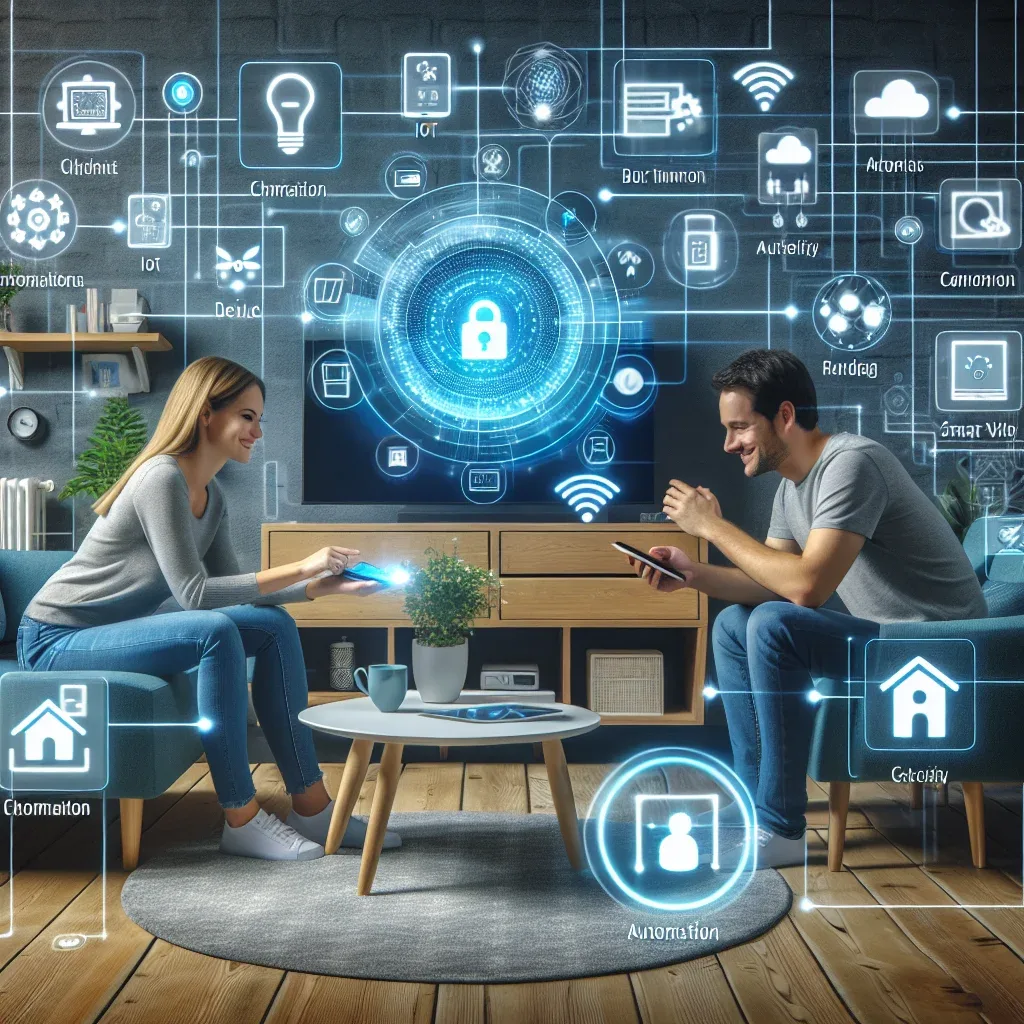
Thai Smart Homes Reach an Inflection Point in 2026
For several years, smart home systems in Thailand remained niche — the domain of technology enthusiasts or buyers with particularly large budgets. In 2026, that has changed substantially. Falling device prices, the Matter 1.4 standard simplifying setup, and property developers embedding these systems into projects from the design stage have made smart homes ordinary for mid-to-premium Bangkok residents.
Trend 1: Matter 1.4 Becomes the Default Baseline
In 2024 and 2025, Matter was still primarily a topic among specialists. By 2026, virtually every major manufacturer has released hardware that supports the standard out of the box. New TP-Link Tapo models, the latest Xiaomi Smart Home Series, and Tuya-certified devices all ship with Matter 1.4 support without any additional configuration.
The practical result is that system setup is far less complicated. New devices are scanned and added in seconds with no driver searches or manual integrations.
Trend 2: AI That Learns Rather Than Awaits Commands
Rule-based automation — where every condition must be manually defined — is being displaced by AI engines that observe resident behaviour and generate automations independently.
HappySmart deploys AI modules running on local servers inside the home, analysing data from mmWave presence sensors, temperature readings, ambient light, and energy consumption. The system proposes new automations for the homeowner to approve or adjust, rather than waiting for instructions.
Trend 3: Solar Energy and Smart Home Integration
Rooftop solar installations in Bangkok have grown rapidly over the past two years. In 2026, connecting a solar inverter to the smart home system is standard practice in premium developments.
The AI layer makes real-time decisions about whether to draw from solar panels, a battery reserve, or the grid — factoring in the Metropolitan Electricity Authority's time-of-use tariff and current panel output. The result is reduced electricity costs without any manual management.
Trend 4: Local Data Control Over Cloud Dependency
Premium homeowners in Bangkok and Hua Hin are increasingly attentive to data privacy, making local-server systems like Home Assistant more appealing than cloud-dependent platforms that transmit data externally every day.
HappySmart builds around Home Assistant as the central engine. Camera footage, energy logs, and access history are stored on the homeowner's own server — no external cloud involved.