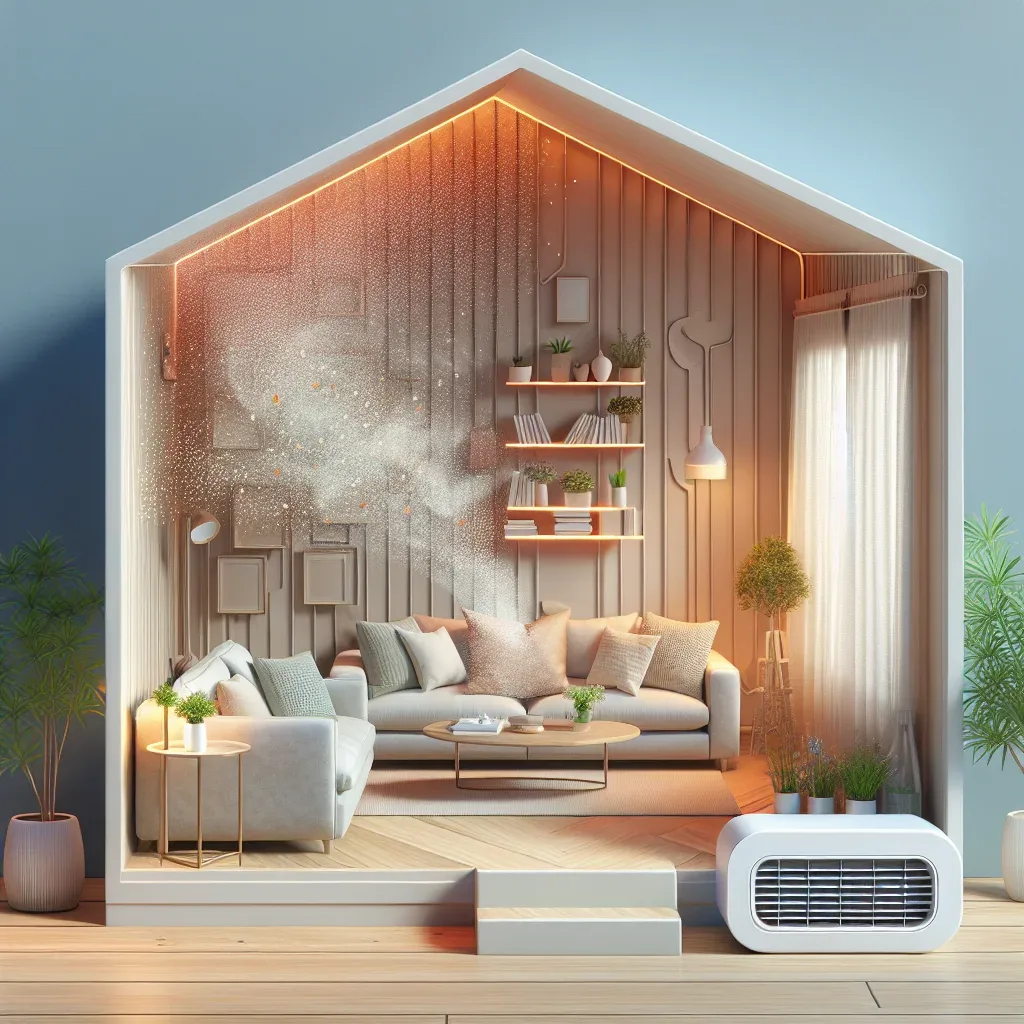
How a PAP Device Works
A PAP Device — Positive Air Pressure Device — draws outdoor air through an HEPA H13 filter (capturing 99.97% of particles at 0.3 microns), then pushes filtered air into the home until interior pressure exceeds exterior pressure. This means air flows outward through gaps instead of polluted outdoor air seeping inward.
This principle has been used in hospital clean rooms and ISO-controlled environments for decades. PAP Devices bring the same technology to residential homes, effectively turning your living space into a personal clean room.
Performance in Bangkok Conditions
Bangkok frequently exceeds the WHO PM2.5 standard of 15 μg/m³, particularly during the dry season from November to March. A correctly installed PAP Device reduces indoor PM2.5 by 80–95% relative to outdoor levels. The appropriate CADR (Clean Air Delivery Rate) is calculated using the formula: CADR = room area (m²) × 2.5. For a 40 m² space, you need a minimum CADR of 100 CFM.
Four Core Benefits
Health — Reduces PM2.5 by 80–95%, alleviates allergy and asthma symptoms, prevents mold by eliminating damp stagnant air pockets, and improves sleep quality through consistently clean breathing air.
Comfort — Indoor air stays fresh even with windows closed. No diesel fumes, construction dust, or outdoor odors penetrate the living space.
IoT Integration — HappySmart connects PAP Devices to Home Assistant, enabling automations that activate when outdoor PM2.5 exceeds 35 μg/m³, adjust fan speed in real time based on air quality readings, and push LINE Notify alerts to family members.
Energy Efficiency — Modern PAP Devices with EC motors consume only 50–80W, adding approximately 200–400 THB per month to electricity costs — a highly favorable ratio compared to the health benefits delivered.
How to Choose the Right PAP Device
Evaluate four factors: (1) CADR rating matched to your floor area (2) Filter grade must be HEPA H13 or higher (3) Noise level below 40 dB for bedroom installations (4) Smart app capability with Home Assistant integration for full automation control.
Maintenance Schedule
Replace the HEPA filter every 6–12 months depending on local air quality. Clean the pre-filter every 4–6 weeks. Perform a full pressure and CADR check annually. HappySmart's PAP Device Maintenance service includes doorstep filter delivery and scheduled servicing.