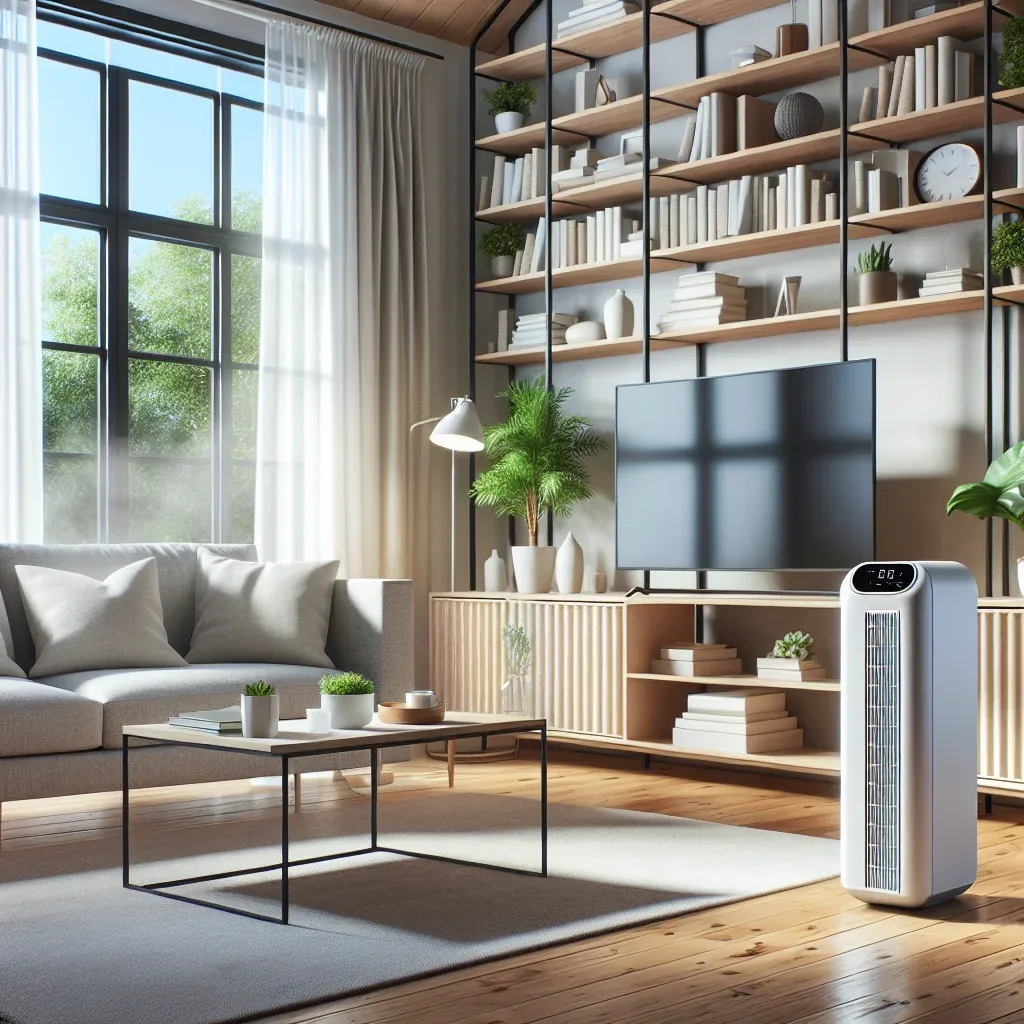
Why Indoor Air Quality Matters More Than You Think
Bangkok's PM2.5 readings continue to exceed WHO guidelines during several months of the year in 2026, particularly from January through March when dust from neighbouring countries combines with local traffic pollution. Homes that are sealed but lack active filtration still allow contaminated air to seep in through gaps around doors, windows, and ducts.
Positive air pressure systems address this by maintaining slightly higher air pressure inside the home than outside. Filtered air is continuously pushed inward, which physically prevents unfiltered outdoor air from entering through any gap.
How Positive Pressure Systems Work
The system draws outdoor air through a high-efficiency filter — typically HEPA H13, which captures 99.95% of particles larger than 0.3 microns — and pushes clean air into the home continuously. The resulting positive pressure means outdoor air has no path inward because there is always outward airflow at every gap.
In Bangkok's hot and humid climate, positive pressure systems are often paired with an Energy Recovery Ventilator (ERV), which simultaneously manages indoor humidity, preventing the excessive moisture levels that encourage mould growth.
Connecting Air Quality to the Smart Home
HappySmart integrates air filtration and positive pressure hardware with Home Assistant through sensors such as the Xiaomi Mijia Air Monitor or Tuya-compatible air quality devices that measure PM2.5, CO2, VOC levels, and humidity in real time.
When indoor PM2.5 exceeds a set threshold, the system automatically increases fan speed. When the reading returns to a safe level, it drops back to an energy-efficient mode. The homeowner does not need to intervene.
The Home Assistant dashboard displays hourly and daily air quality graphs, allowing the homeowner to compare indoor readings against Bangkok's IQAir monitoring data and verify the system's actual effectiveness.
Long-Term Health Benefits
Keeping indoor PM2.5 consistently below 12 μg/m³ reduces long-term risk of respiratory disease and cardiovascular conditions. For households with young children or elderly members with existing health conditions, this benefit is material rather than marginal.
CO2 levels above 1,000 ppm in a bedroom directly degrade sleep quality. A Tuya CO2 sensor connected to Home Assistant can trigger the ERV to increase ventilation automatically before levels reach the point where sleep is affected.