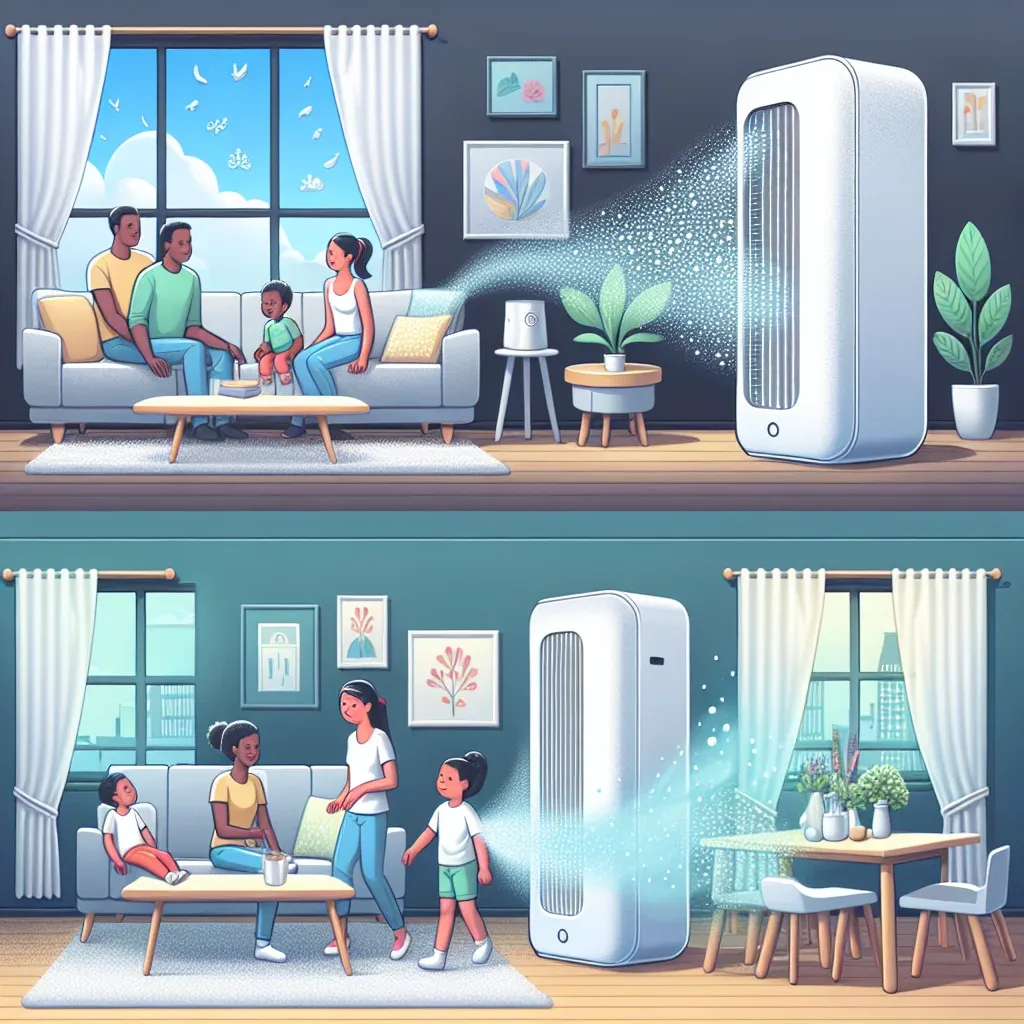
Indoor Air Is Not as Clean as You Think
Closing windows does not protect you from indoor air pollution. Research consistently shows that air inside homes carries two to five times more pollutants than outdoor air, a problem compounded in Bangkok by high ambient humidity and limited natural ventilation in modern sealed buildings.
The sources are varied and persistent. PM2.5 particles enter from cooking fumes, cigarette smoke, and outdoor infiltration through gaps in the building envelope. CO2 accumulates in sealed rooms as occupants breathe — concentrations above 1,000 ppm measurably reduce concentration and alertness. VOCs (Volatile Organic Compounds) off-gas from fresh paint, new furniture, and synthetic carpets for months after installation. Mould establishes itself wherever relative humidity stays above 65% for sustained periods.
Positive Air Pressure and Filtration
A Positive Air Pressure Device addresses the infiltration problem at its source. By continuously pumping filtered outdoor air through a HEPA filter into the building, it raises indoor air pressure above the outdoor level. Contaminated outdoor air then cannot push inward through gaps — it gets displaced outward instead.
This approach works best in combination with in-room purification. The Xiaomi Smart Air Purifier 4 Pro uses an H13-grade HEPA filter capable of capturing 99.97% of particles down to 0.3 microns. It is controllable via Mi Home and integrates into Apple HomeKit through HomeBridge, making it a natural fit for multi-ecosystem installations.
Real-Time Monitoring with Smart Sensors
Effective air quality management starts with measurement. The Qingping Air Monitor with HomeKit support tracks CO2, PM2.5, temperature, and humidity simultaneously, displaying readings on the device itself and in the companion app.
Integrated with Home Assistant on Raspberry Pi 5, this sensor becomes the trigger for meaningful automations. When PM2.5 exceeds 25 μg/m³ — the WHO short-term guideline — the system can immediately set the Xiaomi purifier to maximum speed without any manual input. When CO2 climbs above 1,000 ppm, the system sends an alert or triggers a ventilation fan. These automations run continuously, around the clock, regardless of whether anyone is paying attention.
Humidity Control and Mould Prevention
Bangkok's relative humidity frequently sits between 70% and 85% during the rainy season — well above the threshold for mould growth in sheltered spaces. Keeping indoor humidity between 50% and 60% is the practical target.
A smart dehumidifier connected via Tuya or Mi Home, with its operating schedule linked to sensor readings in Home Assistant, maintains this range automatically. It runs when needed and stops when humidity drops to target, avoiding unnecessary energy use and ensuring that humidity does not spike overnight while occupants sleep.
HappySmart Air Quality Management Systems
HappySmart designs and installs complete air quality management systems: site assessment to identify problem zones, selection of sensors and purifiers matched to room volume, and full automation configuration in Home Assistant so the system requires no daily attention. Installations serve residences and luxury developments across Bangkok, Hua Hin, and Khao Yai.