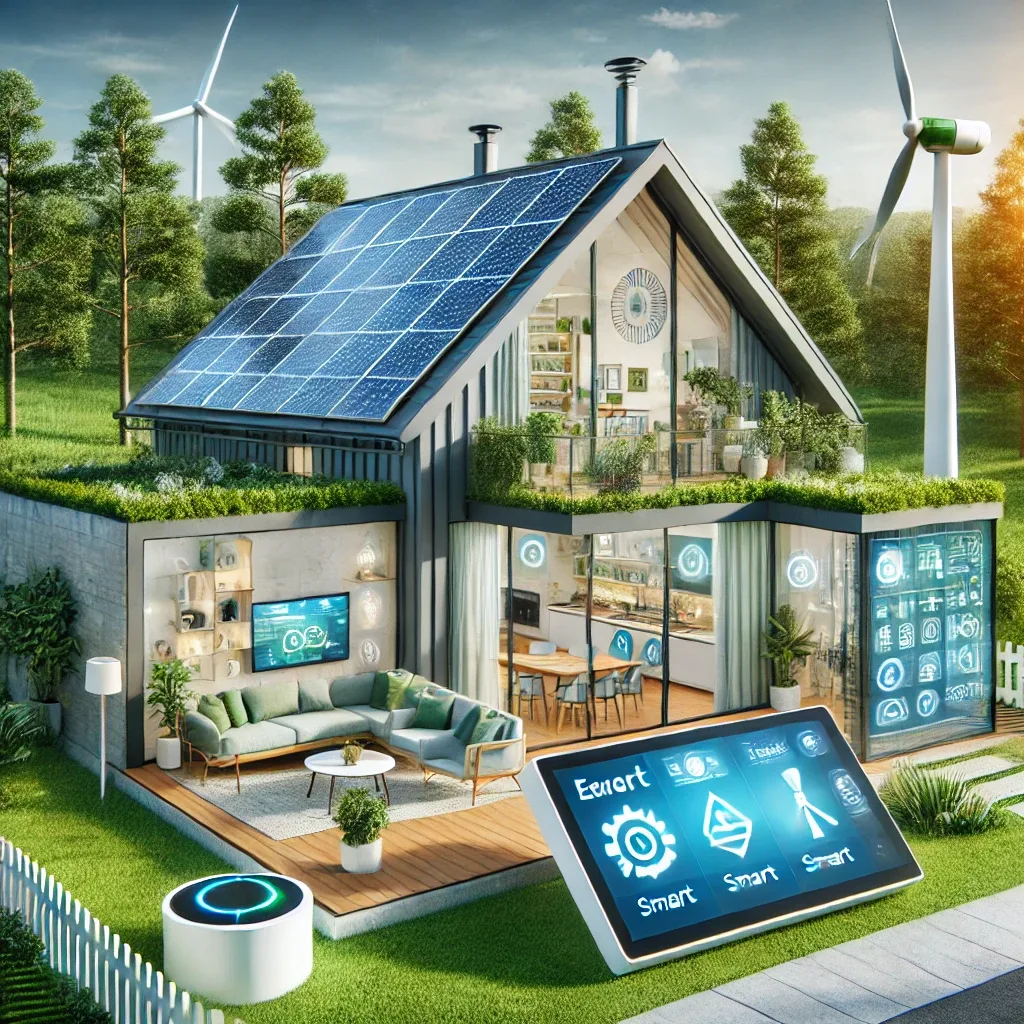
What Are Smart Homes and Green Energy
A Smart Home is a residence where automation systems control devices via the internet to enhance convenience, security, and energy efficiency. Green Energy refers to power generated from renewable natural sources such as solar, wind, and hydroelectric. Combining these two concepts is the most logical direction for modern homes in Thailand, where sunlight is abundant year-round and electricity costs continue to rise.
Smart Lighting and Solar Energy Efficiency
Smart lighting is the ideal starting point for integrating smart home technology with green energy. Motion sensors automatically switch off lights in unoccupied rooms. Adaptive dimming systems adjust brightness according to available natural light, maximizing the use of solar electricity during daylight hours. Scheduled lighting that follows daily routines ensures power is never wasted on empty spaces.
Smart Air Conditioning Linked to Solar
Air conditioning is the largest electricity consumer in Thai homes. Connecting a smart air conditioner to a solar system through a Smart Home platform allows the system to schedule cooling cycles during peak solar production hours—typically midday—and reduce reliance on expensive grid power during peak pricing periods. This single integration alone can produce significant monthly savings on electricity bills.
Scheduling High-Draw Appliances for Optimal Solar Use
High-consumption appliances such as washing machines, clothes dryers, and dishwashers can be scheduled via Smart Plugs and Home Assistant automation to run during periods of maximum solar output or off-peak grid pricing. This approach extracts maximum value from every kilowatt-hour generated by rooftop solar panels.
Real-Time Smart Energy Management
Smart Energy Management is the core of effective solar-smart home integration. The system provides real-time dashboards showing exactly how much energy is being generated, which devices are consuming it, and how much surplus exists. This visibility enables intelligent consumption decisions—such as running additional appliances when solar output is high—and minimizes unnecessary grid dependency throughout the day.
Solar-Powered Air Purifiers for Bangkok's Air Quality
Bangkok's persistent PM2.5 pollution makes air quality management essential. Smart air purifiers connected to air quality sensors and powered by solar energy are an elegant solution. The system automatically activates purification when PM2.5 levels exceed safe thresholds, using clean solar power rather than grid electricity—addressing both health and environmental concerns simultaneously.
Combined Benefits of IoT and Renewable Energy Integration
Merging smart home technology with renewable energy delivers compounding benefits: electricity cost reductions of 30–50% for fully solar-equipped homes, measurable carbon footprint reduction, long-term sustainability independent of volatile fuel prices, and enhanced daily convenience through unified smartphone control. For Thai homeowners, this integration represents one of the most financially and environmentally sound home improvement strategies available today.