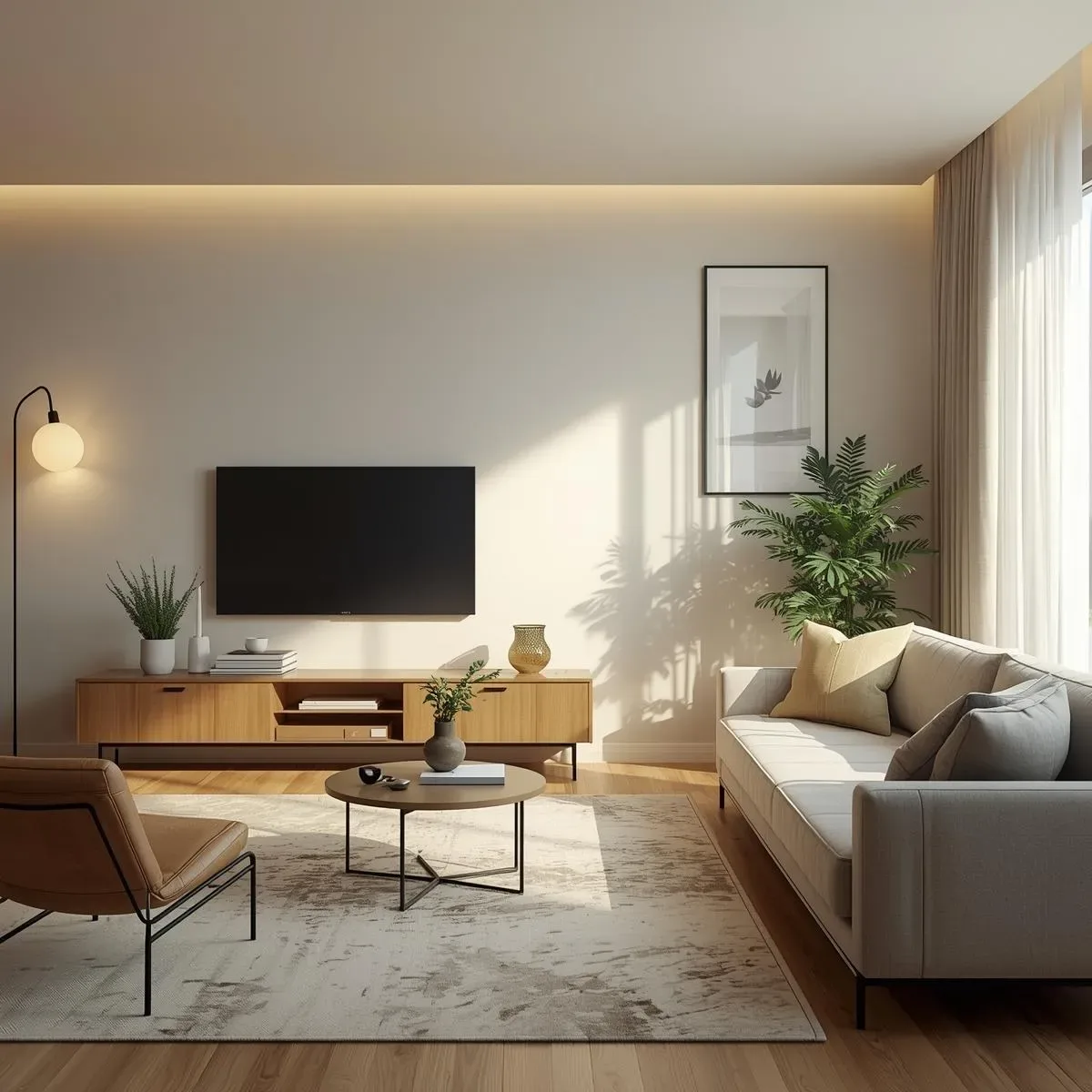
Smart Longevity design acknowledges that a home’s occupant profile changes dramatically over 20–30 years: a couple in their 30s has different environmental needs than the same couple with toddlers, or as empty-nesters approaching retirement. Lifecycle smart home design uses 3D BIM to establish a durable infrastructure layer — conduit routes sized for future cable additions, electrical panels with spare circuits, gateway locations accessible for hardware upgrades — while the IoT and automation layer is intentionally modular and software-updateable. Each life stage activates different automation profiles without requiring physical changes to the home.
The 3 lifecycle profiles commonly needed in Thai households are Young Professional (energy efficiency priority, remote monitoring via LINE OA, minimal manual intervention), Active Family (child safety automations, homework-time focus lighting, activity-zone management, high air quality monitoring for children’s health), and Smart Longevity (age-inclusive Universal Design adaptations, fall detection, medication reminders, circadian lighting, and caregiver alert systems). In the 3D BIM model, all sensor mounting points, grab rail anchor locations, and accessibility upgrade positions are pre-engineered even if not installed at initial build, reducing future retrofit costs by 60–70%.
HappySmart’s Smart Longevity service explicitly plans for lifecycle transitions at project inception. The initial design documents a 3-phase roadmap: Phase 1 (current needs), Phase 2 (5–10 year family additions), and Phase 3 (age-inclusive adaptations). Each phase activates new Home Assistant automation packages and potentially new hardware without rewiring, guided by the original BIM coordination model. LINE OA remains the consistent interface across all phases, ensuring family members of all ages and technical comfort levels can interact with the system naturally.