The Multi-Person Home Problem: Who Prefers What?
Homes with multiple residents often face competing preferences — a father who prefers 22°C air conditioning, a mother who prefers 26°C, children who need bright study lighting but dimmed lights at bedtime. A well-configured smart home system manages this diversity through member profiles.
Family Member Profiles: A Home That Knows Everyone
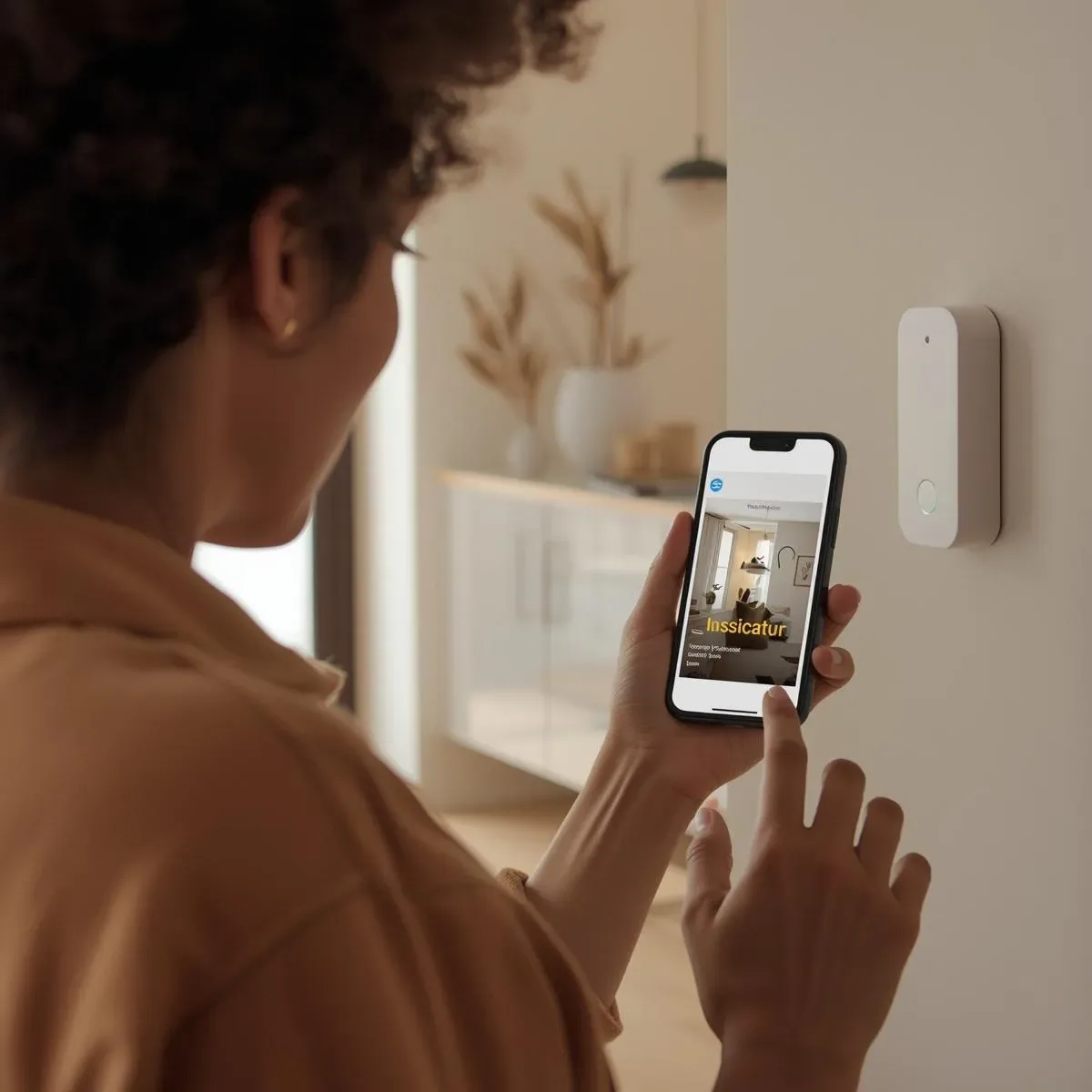
Setting up member profiles allows the home to recognize each resident through their phone Bluetooth, Wi-Fi signature, or NFC tag. Once the system identifies who is in which room, it automatically adjusts the environment to match that person’s preferences — from thermostat temperature and lighting color temperature to blinds and background audio.
Occupancy-Based Automation: Adapting to Actual Use
Occupancy-based automation is smarter than simple timers because it responds to actual behavior rather than predetermined schedules. A Study Mode for the children’s room activates 4,000K full-brightness lighting, turns off the television, and plays soft instrumental music when a child is detected at the desk. Cooking Mode activates full kitchen lighting, the extractor fan, and air circulation when movement is detected in the kitchen during evening hours. Movie Mode in the living room dims lights, closes smart curtains, and adjusts the AC to 24°C when the TV turns on and the sofa occupancy sensor registers a seated person.
Family Morning Routine: A Smooth Start to Every Day
An automated morning routine ensures everyone leaves on time: a gentle wake-up sunrise simulation beginning at 06:00, water heater and bathroom lighting at 06:15, smart kettle boiling at 06:30, a 30-minute departure reminder via LINE at 07:00, and a final automated check at 07:30 that confirms all members have left, switches off all devices, locks doors, and activates security mode.
Siri Shortcuts and Google Assistant Routines
For families using a mix of iOS and Android devices, Siri Shortcuts and Google Assistant Routines can both connect to Home Assistant as the central hub, allowing every family member to control the home by voice from their preferred device.
Conclusion
A great home is one that knows the people who live in it. A smart home system with carefully configured profiles and routines transforms a home from something to manage into an environment that automatically supports every family member’s daily life.