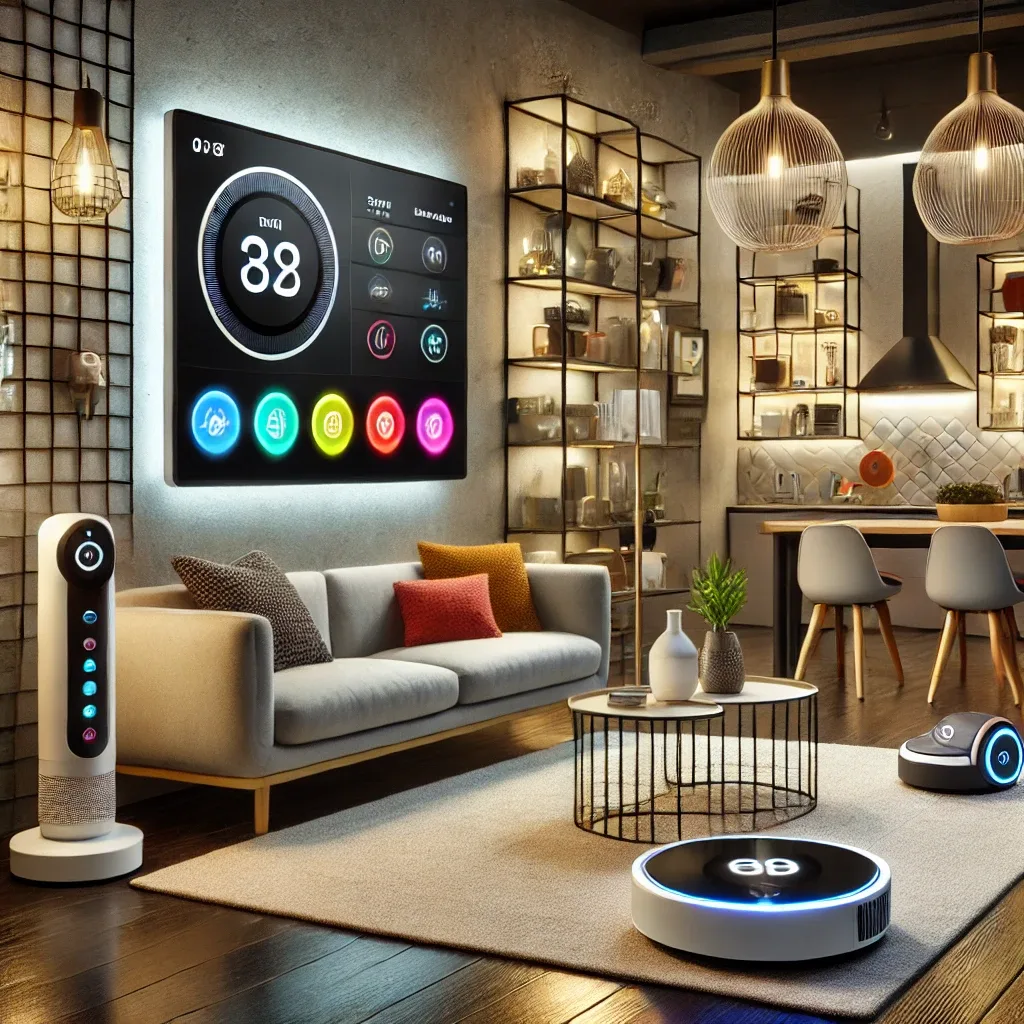
What Are Smart Home Devices and Why Choosing Correctly Matters
Smart home devices are appliances controlled through internet networks or wireless technologies such as Wi-Fi, Zigbee, or Z-Wave—via smartphone apps or voice commands through Google Assistant or Amazon Alexa. With an enormous variety of options available, selecting compatible devices that genuinely match your needs is a critical investment decision that deserves careful research before committing.
Essential Features to Evaluate Before Buying
Before purchasing any device, assess these core factors. System compatibility—verify the device works with your existing platform. Remote control capability—quality devices must accept commands from anywhere via app. Voice command support—assistants like Google Assistant and Alexa add meaningful daily convenience. Data security—choose brands with data encryption and consistent security update practices. Installation simplicity and long-term maintenance requirements.
Popular Device Categories and Analysis
Smart Lighting is the most popular starting point. Pros: energy saving, adjustable color and brightness, instant installation without rewiring. Cons: higher upfront cost than standard bulbs; some models experience Wi-Fi instability. Smart Speakers serve as voice command hubs. Pros: single-command control of multiple devices, information and entertainment source. Cons: internet-dependent, language support limitations. Smart Security Cameras. Pros: real-time remote viewing, motion detection alerts. Cons: require storage solutions and raise privacy considerations.
Smart Locks and Smart Thermostats
Smart Locks offer remote locking and unlocking, temporary guest codes, and real-time door status monitoring. Cons include internet dependency for remote features and regular battery replacement requirements. Smart Thermostats learn user behavior and automatically adjust temperature to save energy. Cons include more complex installation than conventional controls and higher initial cost. Smart Robot Vacuums save cleaning time, support scheduling, and learn home floor plans over time. Cons include higher prices and limitations in cluttered areas.
Selection Factors Specific to Thai Homes
For homes in Thailand, several context-specific factors deserve attention. Home size and layout—Zigbee devices suit larger homes through self-healing Mesh Network capability. Budget—start with high-value basics like Smart Plugs and smart bulbs, then expand incrementally. Wi-Fi router stability—verify router performance before adding many devices simultaneously. Thai language support—some devices lack Thai-language voice recognition, which affects usability for Thai-speaking households.
Recommendations for Beginners
For those just starting their smart home journey, begin with immediately visible-impact basics such as Smart Plugs that eliminate standby power waste or a smart bulb in the living room. Test internet stability thoroughly before expanding the system further. Purchase from reputable brands with Thailand-based support. Consider adopting Home Assistant as the central platform from the start for maximum long-term flexibility and brand independence.