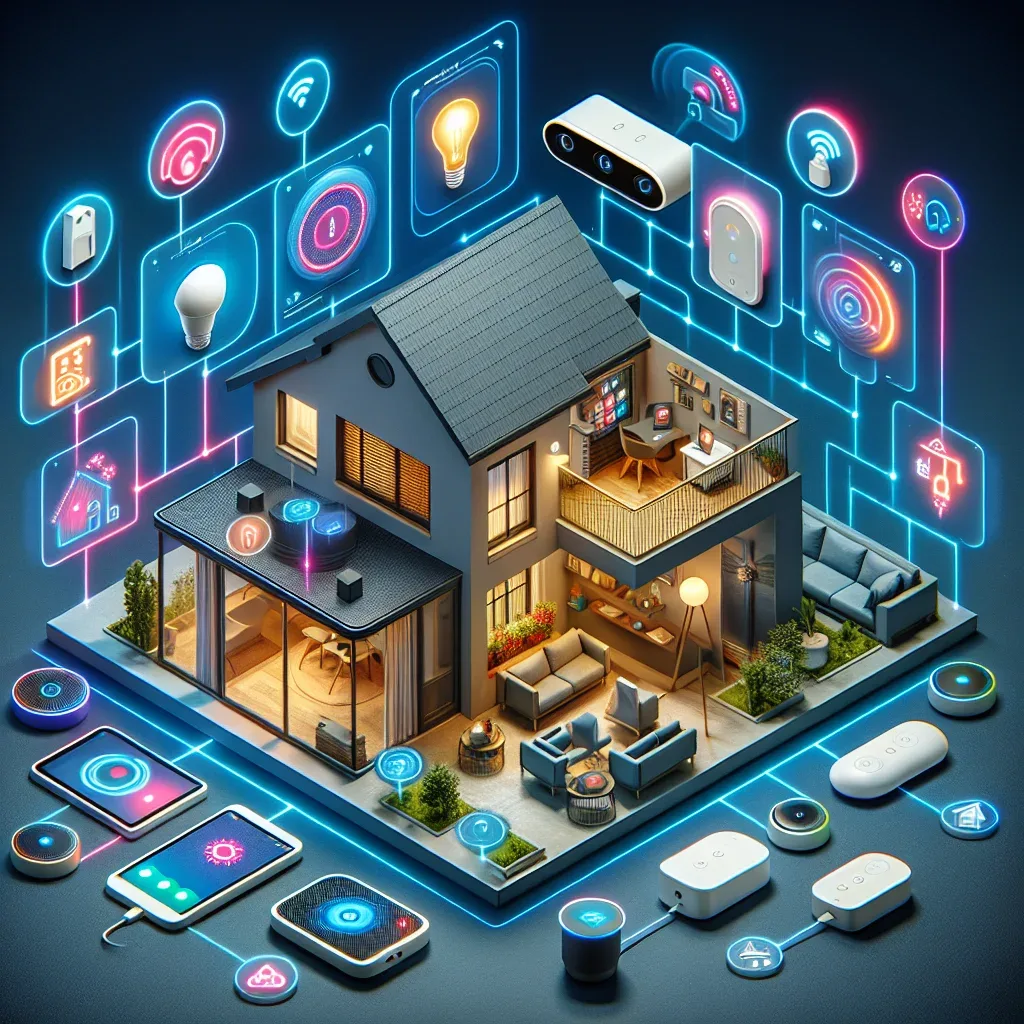
Smart Homes and the Role of Home Assistant
A Smart Home uses Internet of Things (IoT) technology to control devices through the internet—lighting, CCTV cameras, air conditioners, and other appliances. Home Assistant is the open-source platform that unifies all these devices into a single management system, making smart home operation efficient, comprehensive, and accessible to homeowners without enterprise-level technical expertise.
Home Assistant's Standout Features
Several capabilities set Home Assistant apart from competing platforms. Mobile control provides full management of every device through a smartphone or tablet from anywhere in the world. Automation allows devices to respond to defined conditions automatically—turning on lights when motion is detected, for example. Integration with Google Assistant and Amazon Alexa adds hands-free voice control. A rich library of Add-ons extends functionality to meet virtually any specific requirement.
Why Home Assistant Matters for Quality of Life
Installing Home Assistant improves daily life across multiple dimensions. For convenience, all devices are managed from a single app—no more walking room to room to operate individual appliances. For energy saving, the system automatically turns off devices when rooms are unoccupied, schedules air conditioning operation, and tracks real-time energy consumption across all connected appliances. For security, it integrates CCTV cameras, motion sensors, and instant alert systems that notify residents immediately when anything unusual occurs.
Installation and Getting Started
Installation begins by selecting compatible devices—smart bulbs, cameras, or Smart Plugs from any supported brand. Choose a platform to run Home Assistant; Raspberry Pi 5 is the most recommended option for its performance and value. Flash Home Assistant OS using Raspberry Pi Imager, then configure devices through the web interface at http://homeassistant.local:8123. Home Assistant currently supports over 3,000 devices from manufacturers worldwide, ensuring virtually any IoT device can be integrated.
Advantages and Considerations
Clear advantages include free, open-source software, high flexibility for customization, multi-brand compatibility without ecosystem lock-in, and a large global community ready to provide support and guidance. Considerations worth noting: beginners may find some configuration steps complex initially; internet-connected systems carry cybersecurity risks that require strong passwords and regular firmware updates to manage effectively.
Real-World Applications in Thai Homes
In the Thai context, Home Assistant solves practical everyday problems directly. Schedule air conditioning to shut off before dawn to save energy during the 4–6 AM period using an IR Blaster to control older non-smart AC units. Automatically activate air purifiers when PM2.5 levels exceed 50 µg/m³. Send LINE alerts when cameras detect outdoor movement during nighttime hours. Automatically open or close gate locks when household members' smartphones enter or leave a defined GPS zone.