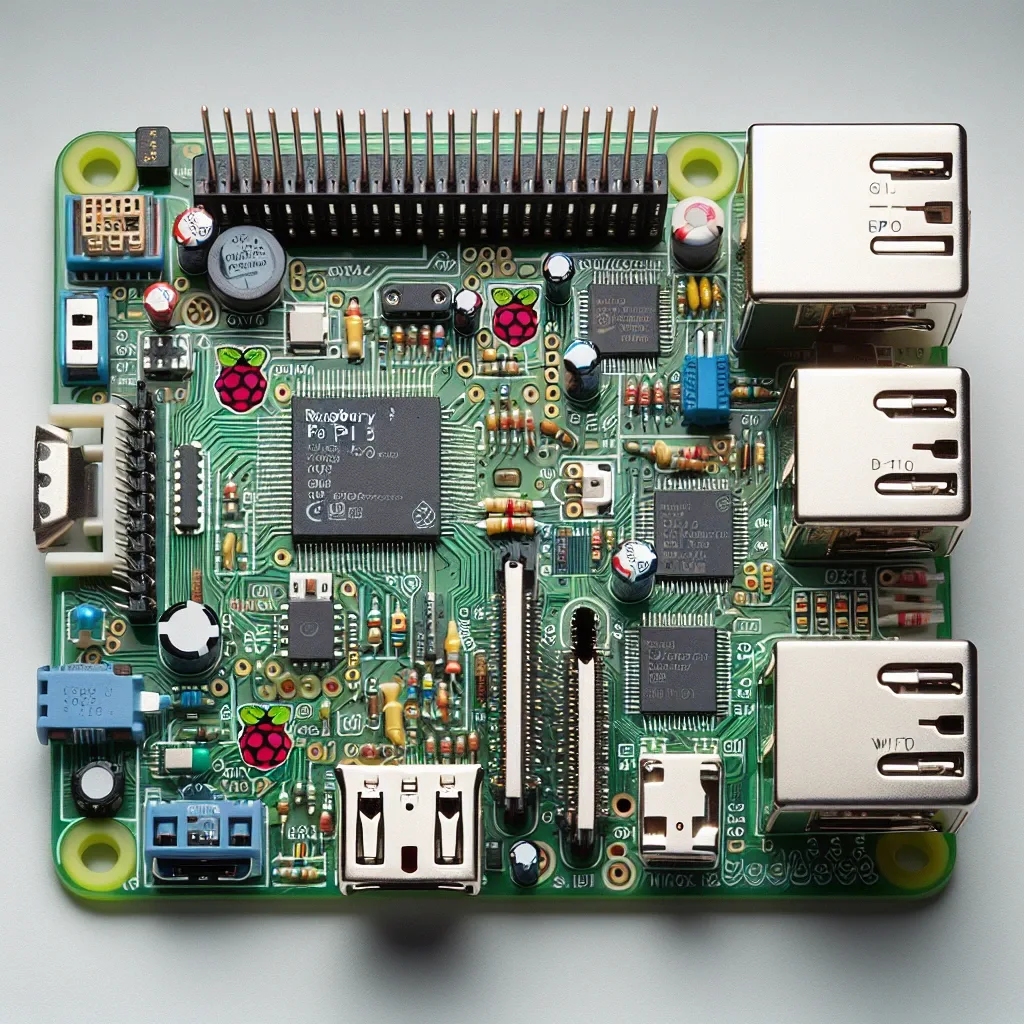
The Raspberry Pi Foundation and the Origins of RPi 5
The Raspberry Pi Foundation was established in 2009 in the United Kingdom with a mission to advance computer education, particularly in developing countries. The affordable credit-card-sized single-board computer quickly gained a massive following among makers, developers, and educators worldwide.
Raspberry Pi 5, launched in late 2023, is the most powerful Raspberry Pi ever built. It has rapidly become the preferred choice for building complete smart home systems that combine performance, flexibility, and cost-effectiveness in a way no dedicated hub can match.
Raspberry Pi 5 Specifications and Capabilities
The RPi 5 features a 2.4GHz quad-core ARM Cortex-A76 processor — 2 to 3 times faster than the RPi 4. With up to 8GB LPDDR4X RAM, it runs multiple applications simultaneously without performance degradation.
Connectivity is comprehensive: 802.11ac Wi-Fi (Wi-Fi 5), Bluetooth 5.0, two USB 3.0 ports, two USB 2.0 ports, Gigabit Ethernet, dual 4K HDMI outputs, and a new PCIe Gen 2 interface for NVMe SSD connectivity that dramatically improves storage read/write speeds compared to microSD.
Power consumption of only 5-10 watts means RPi 5 operates 24 hours a day, 7 days a week without significantly impacting your electricity bill — a critical factor for always-on smart home servers versus conventional servers consuming 50-200 watts.
Why RPi 5 Is the Best Smart Home Server Choice
First is price and value. The RPi 5 8GB model costs approximately $80 USD — a fraction of what dedicated hubs like Samsung SmartThings Hub or Amazon Echo Hub cost, with far greater capability and no monthly subscription fees.
Second is maximum flexibility. With no software or hardware restrictions, you can run Home Assistant OS, Homebridge, Node-RED, Frigate NVR, Pi-hole, a VPN server, and many other applications on the same device simultaneously, each contributing to your smart home ecosystem.
Third is multi-protocol IoT support. With USB dongles, RPi 5 supports Zigbee, Z-Wave, Wi-Fi, Bluetooth, and Matter — connecting devices from every brand across every protocol. No vendor lock-in, no ecosystem restrictions, no forced upgrade cycles.
Fourth is the massive community. With tens of millions of users worldwide, Raspberry Pi has comprehensive documentation, tutorials, and forums covering virtually every problem you might encounter. Combined with HappySmart's expert support team, installation and troubleshooting become straightforward processes.
RPi 5 vs. Dedicated Hubs
Dedicated hubs like Hubitat, SmartThings, or Amazon Echo are designed for general users prioritizing simplicity, but they impose customization limits, require hardware upgrades for expanded capability, and often carry subscription costs.
Raspberry Pi 5 with Home Assistant delivers unlimited flexibility with lower total cost of ownership over time. When RPi 6 eventually releases, migrating your entire configuration is as simple as a Home Assistant backup and restore — no rebuilding your smart home from scratch.