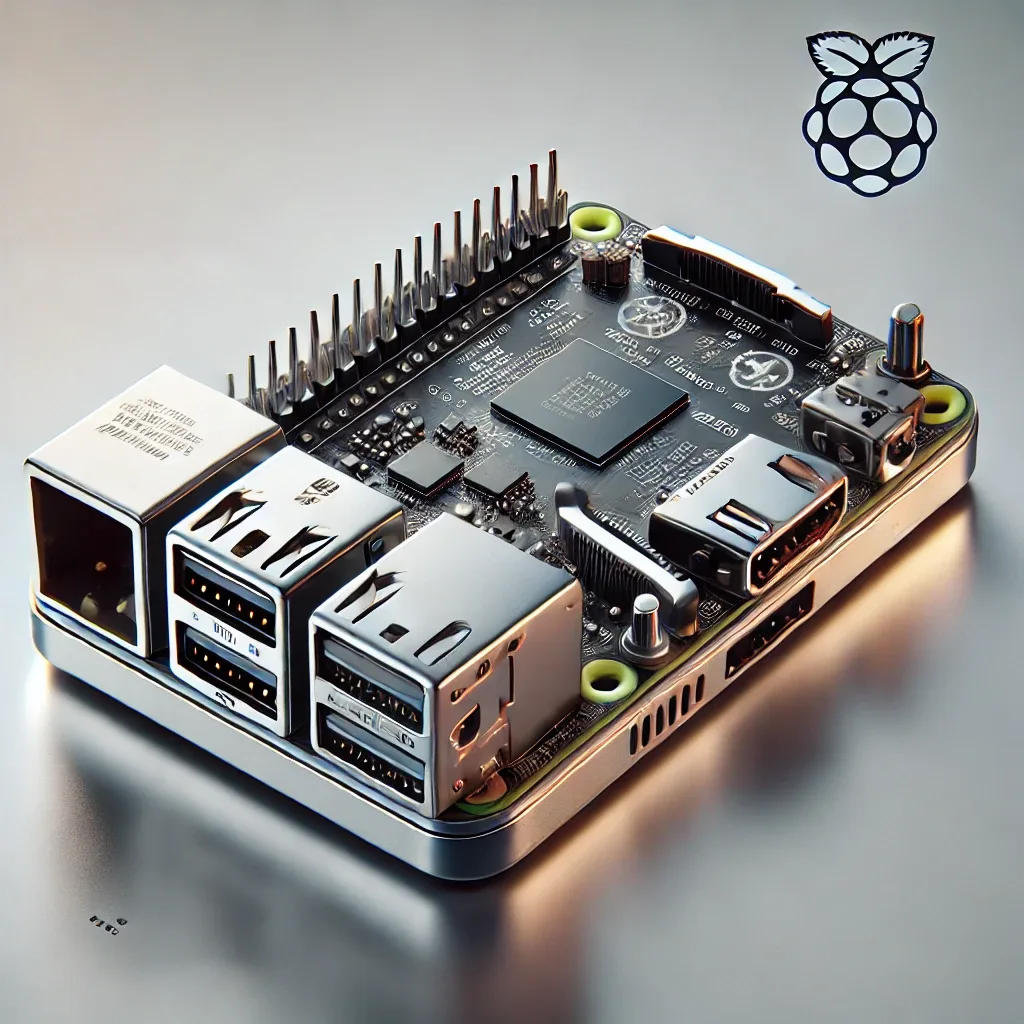
Raspberry Pi 5: A Powerful Smart Home Hub at an Accessible Price
Building a smart home requires a Hub that is powerful, reliable, and capable of running 24/7 without excessive power draw. Raspberry Pi 5 meets every requirement at a price of just 2,000-3,500 THB depending on RAM (4GB or 8GB).
Key Raspberry Pi 5 specifications:
- CPU: ARM Cortex-A76 quad-core 2.4 GHz (2-3x faster than RPi4)
- RAM: 4GB or 8GB LPDDR4X
- Storage: PCIe 2.0 via HAT+ for high-speed NVMe SSD
- Connectivity: Gigabit Ethernet, USB 3.0 x2, USB 2.0 x2, Wi-Fi 5, Bluetooth 5.0
- Built-in RTC: onboard clock with battery backup — no time sync needed after reboot
- GPIO 40-pin: for DIY devices and custom sensor connections
Why Not Use a NAS or Mini PC Instead?
Many people wonder whether a spare NAS or mini PC would work just as well. Raspberry Pi 5 has clear advantages:
- Energy efficiency: draws only 5-15W vs. 45-65W for a mini PC — saving hundreds of THB per year
- Compact: hides in a utility cabinet or shelf without taking up space
- GPIO: 40-pin connector enables direct integration of custom sensors, LED strips, and relays
- Price: 2,000-3,500 THB vs. 8,000-20,000 THB for a mini PC
- Community: 40+ million global users with abundant tutorials and support
Software Options for RPi5
Raspberry Pi 5 supports multiple smart home platforms:
- Home Assistant OS (recommended): easy install, automatic updates, rich Add-on ecosystem
- OpenHAB: suited to complex rule engines
- Domoticz: lightweight and ideal for smaller systems
- Node-RED: visual automation flow builder
For beginners, Home Assistant OS is the best choice due to simple installation and a large community.
Installation Considerations
Key points to note:
- Storage: use a 128GB NVMe SSD instead of microSD for durability and speed
- Power Supply: use only the official Raspberry Pi 27W USB-C Power Supply
- Cooling: Bangkok's high ambient temperatures make Active Cooling cases essential
- UPS: connect a small UPS to protect against unexpected power cuts
HappySmart: Full-Service RPi5 Smart Home Installation
HappySmart handles everything from selecting the right Raspberry Pi 5 package, installing Home Assistant, configuring Zigbee/Z-Wave dongles, connecting existing devices, and providing user training with 24-hour support.
Case study: A Chiang Mai client installed RPi5 + Home Assistant controlling 15 light points, 3 AC units, and 4 CCTV cameras. Electricity bills dropped by 1,200 THB/month — full ROI achieved within 4 months.