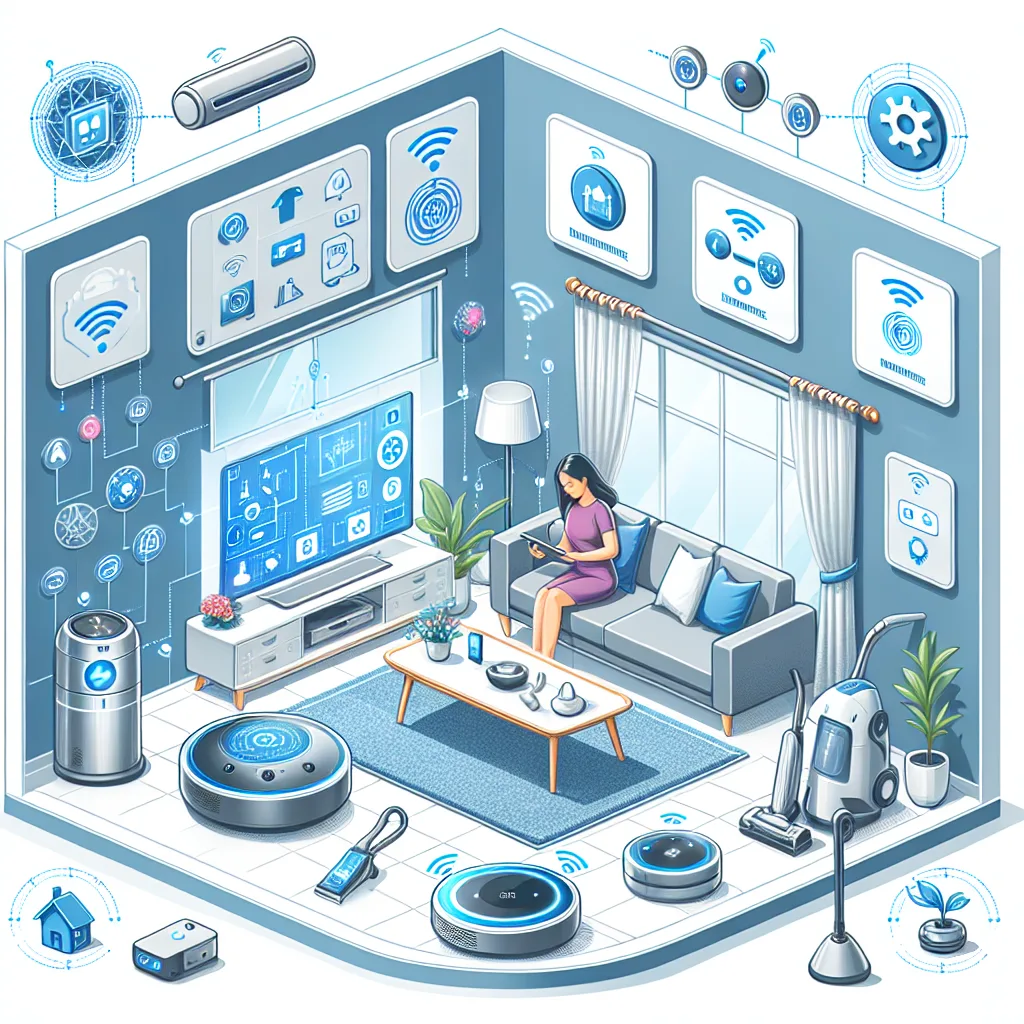
Smart Home as a Unified Control Center
One of the most compelling reasons to install a smart home system is the ability to control everything from a single application. Platforms such as Home Assistant and Homebridge allow you to command lights, air conditioning, cameras, and door locks from a smartphone regardless of where you are in the world. Integration with voice assistants like Google Assistant or Amazon Alexa adds another layer of hands-free convenience to daily life.
Comprehensive Multi-Layer Security
Smart home security operates across multiple reinforcing layers simultaneously. CCTV cameras and motion sensors provide continuous 24-hour surveillance. Smart Locks with Auto-Lock and full access logging tell you exactly who entered the home and when. Intrusion detection systems send instant smartphone alerts the moment anything unusual is detected. Smoke and fire sensors provide early warnings that can prevent disasters before they escalate.
Measurable Energy Efficiency
Smart homes deliver tangible reductions in electricity bills. Smart lighting with motion sensors automatically switches off lights in unoccupied rooms. Smart air conditioners can be scheduled to pre-cool the house just before you arrive and shut down when you leave. Smart plugs provide real-time energy monitoring that identifies power-hungry appliances. Smart Energy Management systems further optimize consumption when paired with solar panels, maximizing renewable energy utilization.
Better Health and Quality of Life
Smart homes contribute to health in more ways than most people realize. Air quality sensors continuously measure PM2.5, CO2, and humidity levels, automatically activating air purifiers or humidifiers when readings exceed safe thresholds. Elderly care systems using motion sensors and SOS buttons give families real-time reassurance about their loved ones. Circadian Lighting that adjusts color temperature throughout the day according to natural light cycles actively supports better sleep quality.
Future Technology Readiness
Installing a smart home today is an investment in tomorrow's technology landscape. Quality platforms such as Home Assistant support new devices through the Matter Protocol and regular free software updates, keeping the system current without requiring complete hardware replacement. This future-proof flexibility ensures the home continues to evolve alongside advancing technology.
A Worthwhile Long-Term Investment
While upfront costs for smart home systems may appear significant, the return on investment is clear. Energy savings of 10–20% per month, enhanced security, improved quality of life, and increased property value collectively make smart home installation one of the most financially sound home improvement decisions available. Starting with essential devices and expanding incrementally is the most practical approach for those just beginning their smart home journey.