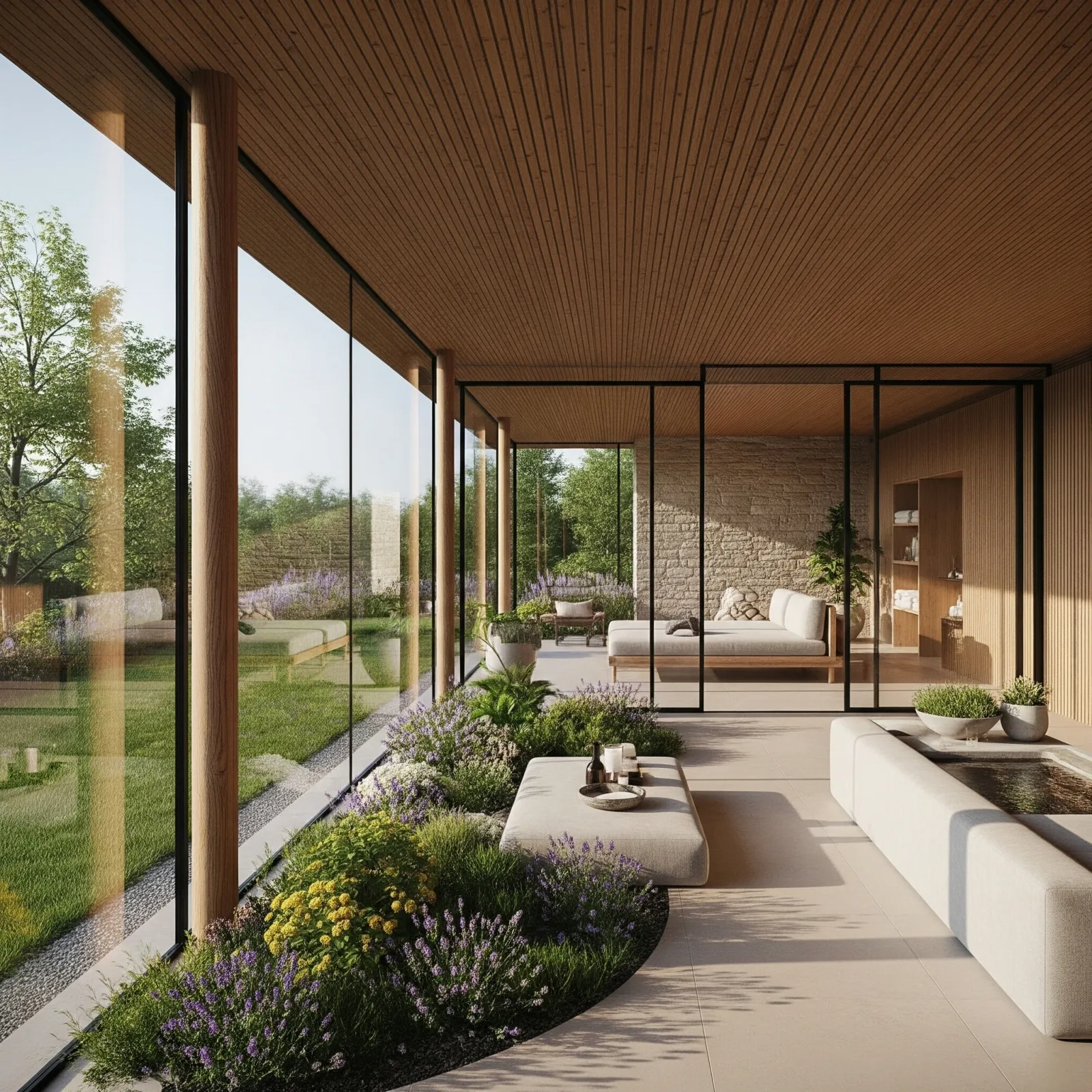
What Is a Wellness Home?
A Wellness Home is a residence designed and equipped with smart systems to actively promote overall health — not just safety. For elderly residents in Bangkok facing high PM2.5 levels, extreme heat, and the lifestyle shifts of retirement, a Wellness Home is the most comprehensive solution available.
The 5 Key Features
1. Smart Air Purification — Breathe Well Every Day
Bangkok’s dry-season AQI (March–May) averages 80–160, exceeding the “unhealthy for sensitive groups” threshold (AQI > 50).
Recommended setup:
- Zigbee Air Quality Sensor: measures PM2.5, CO2, TVOC, temp, humidity — 800–2,500 THB
- Smart Air Purifier + Smart Plug: auto-activates when PM2.5 > 35 μg/m³, shuts off when air recovers — saves 40–60% vs. always-on
- Air4Thai API integration: real-time Bangkok AQI, alerts when outdoor air is dangerous
2. Smart Climate Control — Temperature That Matches the Body
Elders have diminished thermoregulation. They tolerate heat and cold less well than younger adults.
Wellness Zone targets:
- Bedroom: 24–26°C, humidity 50–60%
- Living room: 25–27°C, humidity 45–55%
- Night mode: auto-lower by 1–2°C for better sleep quality
Smart IR Controller: controls any AC brand via Home Assistant — 500–1,500 THB.
3. Smart Lighting — Light as Medicine
Light affects Circadian Rhythm (biological clock), which is critical for elderly residents with sleep difficulties.
Tunable White Schedule:
- 06:00–12:00: Cool white 5,000–6,500K (activating)
- 12:00–17:00: Neutral 4,000K (reading, activities)
- 17:00–21:00: Warm white 2,700–3,000K (relaxing)
- After 21:00: Dim below 10% (stimulates melatonin)
Smart LED bulbs (Philips Hue, IKEA TRADFRI) cost 500–1,800 THB each.
4. Health Notification System — Proactive Care
Wellness Home alerts before problems escalate:
- Hydration reminder: if 2 hours pass with no kitchen/bathroom movement, Smart Speaker reminder to drink water
- Medication timing: Smart Plug + Dispenser + LINE Notify for morning and evening doses
- Abnormal activity: no movement out of bedroom by 10 AM → family alert
- Smart Scale: daily automatic BMI, body fat, body water readings each morning
5. Home Assistant Integration — One Control Center
All four systems connect via Home Assistant (HA) on Raspberry Pi 5 or Mini PC:
Example automations:
- PM2.5 > 35 AND window open → LINE alert to close windows
- Bedroom temp > 28°C after 22:00 → AC set to 25°C
- No bedroom motion for 10h during daytime hours → family LINE alert
A wall-mounted tablet dashboard shows current air quality, room temperatures, cameras, and medication schedule — readable at a glance.
Wellness Home Investment Tiers
| Tier | Features | Investment | Outcome |
|---|---|---|---|
| Wellness Basic | Air quality + Smart Plug + LINE | 5,000–10,000 THB | Better air, basic alerts |
| Wellness Plus | + Climate + Smart Lighting | 15,000–25,000 THB | Improved sleep health |
| Wellness Full | + HA Dashboard + Health Monitoring | 30,000–50,000 THB | Proactive health system |
Conclusion
A Wellness Home is a long-term investment in quality of life. The healthcare costs avoided by preventing problems before they escalate can far outweigh the initial outlay.