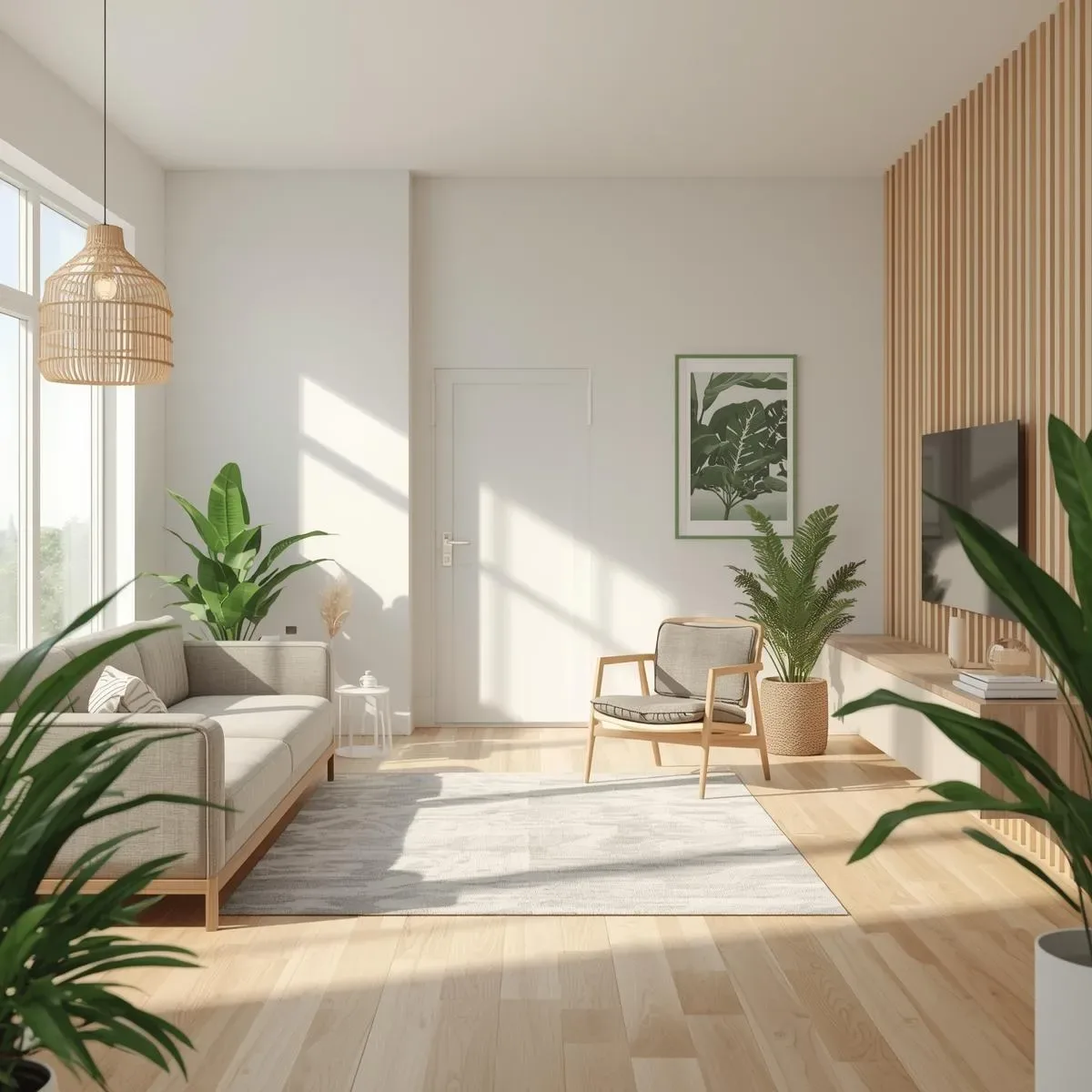
Treating the interior as an active energy infrastructure — rather than a passive container — fundamentally changes how spaces are designed, simulated, and controlled. In 3D BIM, passive design elements carry energy-performance parameters: building orientation (north-south axis preferred in Bangkok for minimizing east-west solar gain), wall U-values (target ≤0.35 W/m²K for tropical climates), window solar heat gain coefficient (SHGC ≤0.25), and roof R-values. These parameters feed Autodesk Insight or IES VE energy simulations that produce annual energy consumption forecasts before a single material is specified, enabling evidence-based design decisions at the stage where changes cost the least.
The active IoT layer then optimizes what passive design cannot fully control. Smart HVAC scheduling exploits Thailand’s Time-of-Use electricity rates: pre-cooling the home between 22:00–06:00 at off-peak rates (approximately THB 2.00/unit, MEA) reduces compressor runtime during peak hours (THB 4.50/unit, 09:00–22:00 weekdays) by 25–40%, cutting monthly electricity bills by THB 500–1,500 for a typical Bangkok home. Automated external blinds close when real-time irradiance sensors detect solar intensity above 300 W/m², reducing cooling loads 15–20%. Rooftop solar PV modeled in BIM at optimal 15° tilt south-facing, combined with a 5 kWh BESS, targets net-zero electricity for the lighting and IoT device layer.
Thailand’s DEDE Building Energy Code and the ECOTEC label provide the certification framework for energy-efficient buildings. SmartInterior designs targeting 4-star ECOTEC compliance require an Energy Use Intensity below 60 kWh/m²/year — achievable through the combined passive-active approach. Total investment for a full smart energy infrastructure retrofit on an existing 120 sqm Bangkok home ranges from THB 150,000 to 400,000 with an 8–12 year payback at current electricity prices, improving to 5–7 years when net-metering credits and DEDE solar incentive programs are factored into the calculation.