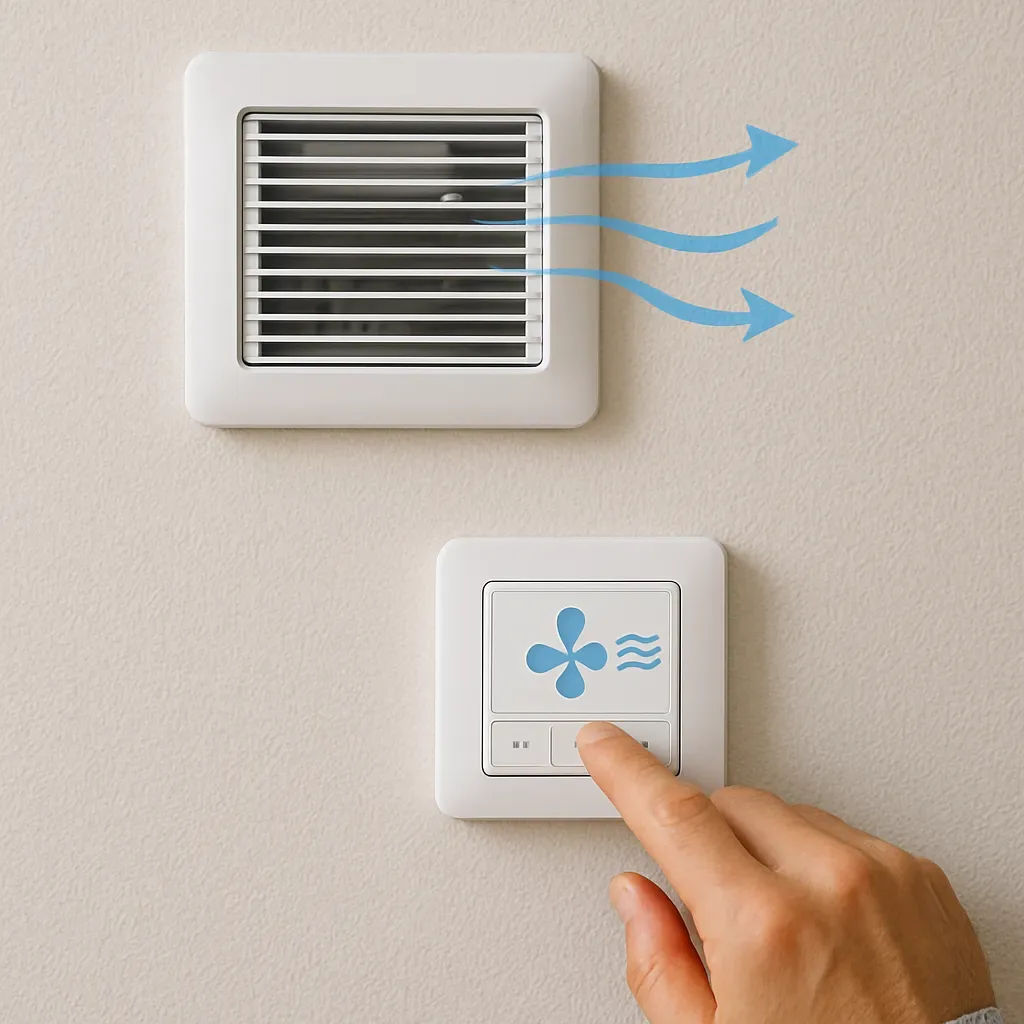
The Thai Humidity Problem: Why It Is Worse Than Elsewhere
Thailand averages 70-85% relative humidity year-round. During monsoon season (May-October), some areas reach 90-95% RH. At these levels, both health and property are at serious risk.
Effects of high indoor humidity in Thai homes:
- Mold growth begins at >60% RH
- Dust mite populations surge at >50% RH
- Wood and furniture swell, crack, and deteriorate rapidly
- Air conditioner efficiency drops as the unit must dehumidify before cooling
- Skin irritation, respiratory issues, and disrupted sleep
Target: Thai Comfort Zones by Room
| Room | Target Humidity | Reason |
|---|---|---|
| Bedroom | 45-55% RH | Minimize dust mites, improve sleep |
| Living room | 50-60% RH | Balance comfort and energy use |
| Kitchen | 55-65% RH | Anti-mold while tolerating cooking steam |
| Storage room | 40-50% RH | Protect items and electronics |
| Server/equipment room | 40-55% RH | ASHRAE standard |
Recommended Sensors for Thai Homes
Xiaomi Mijia Bluetooth Hygrometer (250-350 THB each)
- ±1% RH accuracy
- Long AA battery life
- Connects to Home Assistant via ESPHome Bluetooth proxy
SHT31 Module (150-200 THB)
- DIY option paired with ESP32
- High accuracy: ±2% RH, ±0.3°C
- Best for locations requiring wired reliability
Govee H5101 (500-700 THB)
- Physical display + smartphone app
- Native Home Assistant integration available
Automation: Automatic Humidity Control System
Automation 1: Dehumidifier on when humid
yaml
alias: "Bedroom Humidity Control"
description: "Turn on dehumidifier when RH exceeds 65%"
trigger:
  - platform: numeric_state
    entity_id: sensor.bedroom_humidity
    above: 65
    for:
      minutes: 10
condition:
  - condition: time
    after: "07:00:00"
    before: "23:00:00"
action:
  - service: switch.turn_on
    target:
      entity_id: switch.bedroom_dehumidifier
  - service: notify.mobile_app_tony_iphone
    data:
      message: "Bedroom RH high: {{ states('sensor.bedroom_humidity') }}% — dehumidifier activated."
Automation 2: Off when humidity normalizes
yaml
alias: "Bedroom Dehumidifier Off"
trigger:
  - platform: numeric_state
    entity_id: sensor.bedroom_humidity
    below: 55
action:
  - service: switch.turn_off
    target:
      entity_id: switch.bedroom_dehumidifier
Automation 3: Mold risk alert (extended high humidity)
yaml
alias: "Mold Risk Alert"
trigger:
  - platform: numeric_state
    entity_id: sensor.bedroom_humidity
    above: 70
    for:
      hours: 4
action:
  - service: notify.mobile_app_tony_iphone
    data:
      title: "Mold Risk Alert"
      message: "Bedroom humidity above 70% for 4+ hours. Check dehumidifier."
5-Layer Mold Prevention Strategy
Layer 1: Detection — Sensors in every room, visible on dashboard Layer 2: Automation — Automatic dehumidifier on/off based on sensor data Layer 3: Ventilation — ERV/HRV for air exchange without adding humidity Layer 4: Prevention — Blackout curtains prevent hot-cool wall cycles that cause condensation Layer 5: Inspection — Thermal camera check at risk zones every 6 months (FLIR One, 5,000 THB)
ROI of Humidity Control
System cost:
- Humidity sensors x5: 1,500 THB
- Smart dehumidifier (Xiaomi 20L): 4,500 THB
- Smart plug for existing dehumidifier: 600 THB
- Total: 6,600 THB
Potential savings:
- Furniture mold damage repair: 5,000-20,000 THB per incident
- Wall repainting and mold remediation: 10,000-30,000 THB
- Allergy medical costs: 3,000-8,000 THB/year
- Air conditioning efficiency gain: 10-15% electricity savings
A 6,600 THB system can prevent 18,000-58,000 THB in costs in the first year alone.