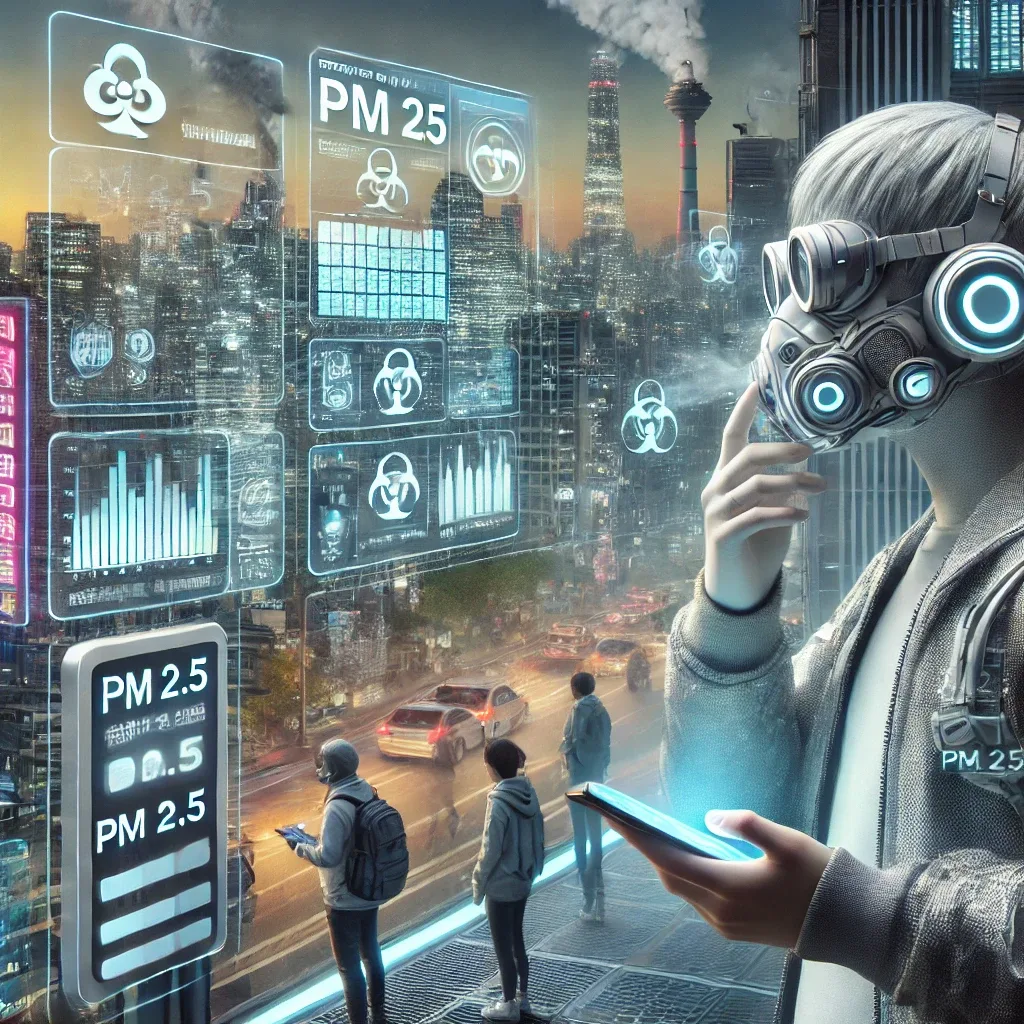
Understanding the PM2.5 Threat Before Protecting Against It
PM2.5 is an invisible hazard with no smell or taste, yet it damages health in both the short and long term. Particles of 2.5 microns or smaller bypass the natural filtration system of the nose and throat, penetrating deep into the lungs and entering the bloodstream directly.
In the short term, high PM2.5 exposure causes eye irritation, dry throat, coughing, and breathing difficulty. Over the long term, it accumulates as chronic respiratory disease, cardiovascular disease, and significantly increased lung cancer risk. The highest-risk groups are young children whose lungs are still developing, elderly individuals, and anyone with pre-existing respiratory or heart conditions.
Choosing the Right Mask for PM2.5 Protection
Regular surgical masks and thin fabric masks cannot filter PM2.5 particles effectively. Certified protection is essential.
N95 and KN95 masks are the best choices for PM2.5 protection, capable of filtering 95% of fine particles. Valve-equipped masks reduce moisture buildup and make breathing easier during extended wear. Fabric masks with activated carbon inserts are acceptable for daily use during moderate rather than critical air quality events.
Correct wearing technique matters as much as mask selection. Cover both nose and mouth with a firm seal. Avoid touching the front face of the mask. Replace the mask immediately when it feels damp or breathing becomes harder, and do not reuse N95 masks beyond 8 hours of total wear.
Improving Indoor Air Quality at Home
Your home is where you spend the most time, so maintaining indoor air quality has a greater cumulative health impact than outdoor protection alone.
Install an air purifier with a HEPA filter in rooms you use most frequently. Match the CADR rating to the room size. Seal gaps around doors and windows with rubber weatherstripping to reduce dust infiltration. Run air conditioning instead of opening windows when the outdoor AQI is elevated.
Certain plants help absorb some indoor air pollutants, including snake plants, Boston ferns, peace lilies, and fiddle leaf figs. Treat them as a supplement rather than a replacement for mechanical filtration.
Cleaning Techniques That Minimize Dust Dispersal
Improper cleaning can increase airborne dust rather than reduce it.
Use a vacuum cleaner with a HEPA filter instead of sweeping. Sweeping kicks fine particles into the air where they float for hours before settling again. Wipe floors and furniture with a slightly damp cloth rather than dry dusting, trapping particles in the cloth instead of dispersing them. Wash curtains at least every two weeks and change pillowcases and bed sheets weekly during peak dust seasons.
Avoid cleaning products with harsh chemicals because the VOC vapors they release worsen indoor air quality. Choose green chemistry formulations instead.
Using Smart Home Technology for Continuous Monitoring
Smart Home systems let you respond to PM2.5 events even when you are not home. Install air quality sensors connected to your smartphone app, set alerts when dust levels exceed safe thresholds, configure the purifier to start automatically, and review historical data to understand air quality patterns in your home over time.
For those with asthma or COPD, consulting a physician about using nebulizers or respiratory support devices during high-dust periods is important. Technology assists health management but does not replace medical care.