Why Children and the Elderly Face Greater Risk
PM2.5 particles — measuring 2.5 microns or less — penetrate the respiratory system directly into the lung's alveoli and enter the bloodstream without obstruction. Children and elderly individuals face heightened vulnerability for distinct reasons. Children's immune systems are still developing, their lungs are still growing, and their faster breathing rate means they inhale a proportionally greater number of particles per unit of body weight. Elderly individuals, by contrast, experience natural respiratory system deterioration and frequently carry underlying conditions such as asthma, COPD, or cardiovascular disease that amplify the severity of every exposure.
Long-term PM2.5 exposure significantly elevates risks of respiratory disease, cardiovascular disease, and in children specifically, impaired lung development that reduces pulmonary function throughout their adult lives.
Prevention Strategies for High-Risk Groups
Check the Air Quality Index (AQI) daily through apps such as AirVisual or Air4Thai before making activity plans. When PM2.5 exceeds 50 μg/m³, high-risk individuals should remain indoors. When going outside is unavoidable, an N95 or KF94 mask fitted snugly against the face is essential — standard surgical masks filter PM2.5 particles inadequately.
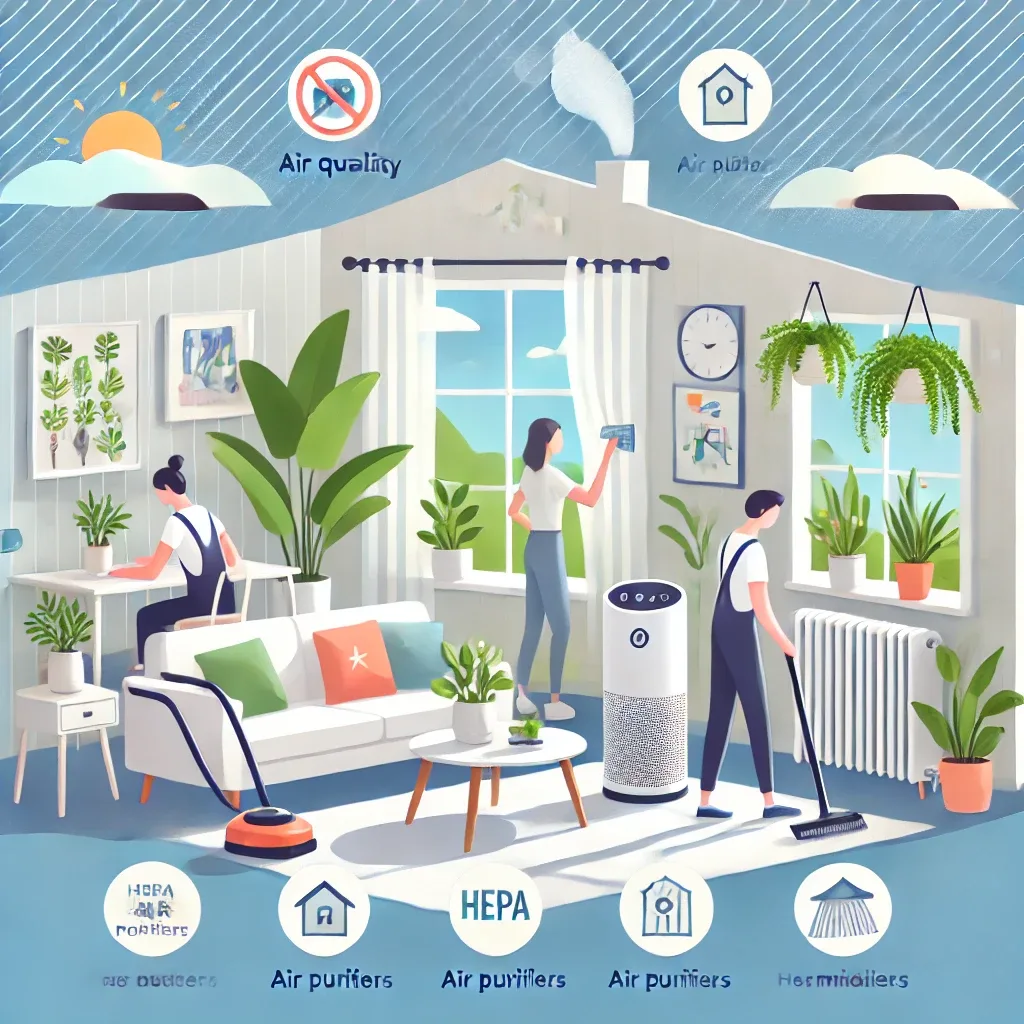
Indoors, close windows and doors when outdoor PM2.5 is elevated. Install HEPA air purifiers in bedrooms and living areas, sizing the CADR rating to the room's floor area (CADR ≈ room area in sqm × 2.5). Use a HEPA vacuum instead of sweeping to prevent dust from becoming airborne during cleaning.
Caring for Children During High-PM2.5 Periods
Cancel outdoor activities — playground time, sports, and long commutes — on days when PM2.5 is elevated. If schools remain open, check whether classrooms have air purifiers. Upon returning home, bathe and change clothing immediately. Wash hands frequently. Wipe skin with a damp clean cloth to remove surface-deposited particles.
If a child develops coughing, nasal congestion, difficulty breathing, or eye redness, seek medical attention promptly rather than waiting for symptoms to worsen. Children with asthma should carry rescue inhalers at all times during high-pollution periods.
Caring for Elderly Individuals During High-PM2.5 Periods
Elderly persons should monitor daily AQI readings and avoid leaving home when air quality is poor. When going out is necessary, an N95 mask and reduced physical exertion are both important — heavy activity deepens breathing and increases particle inhalation substantially. Prescribed medications should be taken consistently and not self-discontinued during dust season.
Drink warm water frequently to keep respiratory mucous membranes hydrated and help expel foreign particles. Rinse the nasal passages with saline solution once or twice daily, especially after returning from outdoors. Seek immediate medical care for chest tightness, dizziness, or unusual breathing difficulty — these may signal cardiac or pulmonary emergencies rather than simple discomfort.
Nutrition to Strengthen Immunity
Foods rich in antioxidants help the body counter PM2.5 damage: vitamin C from citrus fruits and kiwi, vitamin E from nuts and olive oil, beta-carotene from carrots and pumpkin, and omega-3 fatty acids from ocean fish and flaxseed. Avoid pro-inflammatory foods — fried foods, processed snacks, and high-sugar items — which weaken immune function precisely when it needs to be strongest.
HappySmart provides consultation for designing Smart Home systems that protect vulnerable household members, including HEPA purifier selection, PM2.5 sensor setup, and automation that manages indoor air quality continuously so your family breathes safely regardless of outdoor conditions.