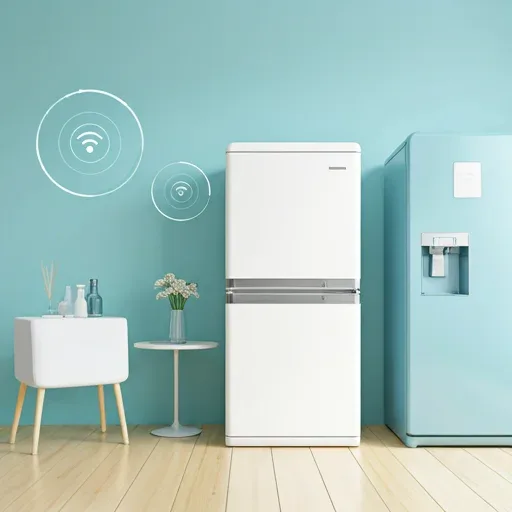
Redefining the Healthy Home
In the Smart Home era, Healthy Home means far more than clean air. Modern health and architectural experts define a Healthy Home as a space where every environmental factor is optimized to support the physical and mental health of its occupants. These factors encompass air quality, lighting, humidity, temperature, sound, security, and energy management.
Today's Smart Home technology makes managing all these factors simultaneously genuinely achievable — not just a research concept.
Air Quality: The First Layer of a Healthy Home
A comprehensive Smart Home air quality system operates in three protection layers. Smart Air Purifiers with HEPA H13 plus Carbon Filter plus UV-C capture particles, eliminate odors and chemicals, and sterilize airborne pathogens. Smart Ventilation systems control each room independently, activating ventilation only in zones needing fresh air without disrupting rooms currently filtering PM2.5. Multi-point sensors delivering PM2.5, CO2, VOC, and humidity data allow AI to automatically manage all devices.
Smart Lighting: More Than Aesthetics
Health-designed Smart Lighting must accomplish three things: automatically adjust Color Temperature to support Circadian Rhythm throughout the day, match brightness to the appropriate Lux level for each activity (reading, dining, exercise, sleeping), and automatically reduce Blue Light at night.
Outdoor sunlight sensors connect to automated blinds, optimizing room brightness by blending natural and artificial light in proportions that reduce energy use and benefit eye health most. For family members experiencing Seasonal Affective Disorder (SAD) — common among people who spend extended hours indoors — a Light Therapy Mode using Full-spectrum 10,000 Lux bulbs in the morning improves mood and energy levels with solid scientific backing.
Humidity and Temperature Control
Relative humidity of 45-55% is the optimal range for health. Below this, nasal membranes dry out and respiratory infection risk rises. Above it, mold and dust mites thrive. Smart Humidifiers and Dehumidifiers connected to humidity sensors maintain this range automatically.
Per-room Smart Thermostats allow temperature settings matched to each room's activity. Cooler bedrooms (24-25°C) promote better sleep. A slightly warmer exercise room (26-27°C) reduces the risk of injury from overly cold muscles.
Security for Mental Health
Feeling safe at home directly affects Cortisol levels and daily stress. Smart CCTV with AI Face Recognition reduces anxiety about security. Smart Smoke Detectors and Gas Sensors connected to Smart Speakers provide immediate alerts and automatic gas valve shutoff.
For families with young children, Smart Locks and Smart Doorbells that notify parents when children arrive home provide peace of mind to parents still at work.
Energy Management and Personal Health Technology
Smart Energy Management reduces electricity bills using Smart Plugs that track per-device energy consumption, automatically shutting off phantom load devices and integrating with Solar Rooftop systems to consume self-generated power first.
Personal health technology in modern smart homes includes Smart Mirrors that analyze skin condition and suggest care routines, Smart Yoga Mats that detect and correct posture automatically, and Smart Scales measuring Body Composition and syncing with health apps. Together these elements transform a home from merely a residence into a genuine health partner.