When the Home Becomes a Health Ecosystem
Early Smart Home concepts focused on convenience — voice-controlled lights, smartphone thermostat adjustments. Modern Smart Homes have evolved far beyond that. A well-connected IoT ecosystem can function as a full Healthcare Ecosystem caring for the physical and mental health of every family member, from newborns to elderly grandparents.
IoT connectivity enables data from different devices to work together, creating intelligent, coordinated responses that individual standalone devices cannot deliver.
Health Monitoring with Wearable Devices
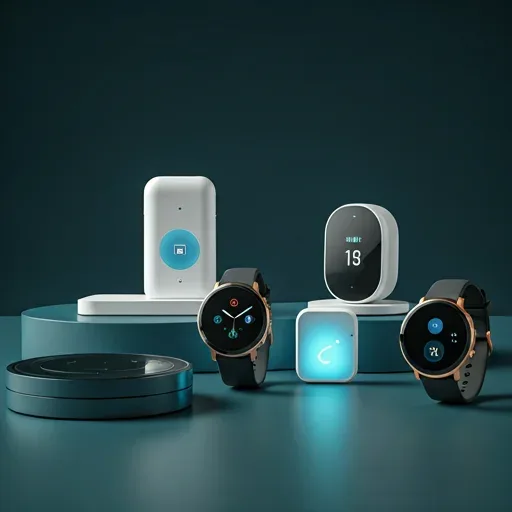
Smartwatches and wearable sensors serve as the gateway for health data entering the Smart Home system. Apple Watch Series 9 tracks Heart Rate, Blood Oxygen (SpO2), ECG, and includes Crash Detection that can automatically alert family members during emergencies.
For elderly residents, Fall Detection Sensors mounted on walls or bathroom floors detect falls within 2-3 seconds, immediately sending alerts to family members or emergency services. Smart Medicine Dispensers connect to calendar systems and deliver reminders via smartwatch or Line when it's time to take medication, significantly reducing the risk of missed doses for chronic disease patients.
Air Quality: The Foundation of Good Health
Automatic air quality control is the most consistently health-impactful component of a smart home. PM2.5, CO2, and VOC sensors transmit real-time data to a central hub. When values exceed thresholds, HEPA H13 purifiers activate automatically, and ERV systems introduce fresh air when outdoor quality permits.
For families with young children and elderly members, continuously clean air is not a luxury — it is the foundation of good health.
Circadian Lighting: Supporting the Body's Internal Clock
Light directly influences Melatonin production and the body's Circadian rhythm. A good Smart Lighting system automatically adjusts Color Temperature throughout the day. Morning (6-8 AM): cool white at 6,500K stimulates alertness and suppresses Melatonin. Daytime (8 AM-5 PM): neutral white at 4,000K supports focus and productivity. Evening (5-8 PM): gradually shift to warm white 3,000K to prepare the body for rest. Night (from 8 PM): warm amber at 2,700K or lower stimulates Melatonin production for easier, deeper sleep.
Security Systems: Reducing Daily Stress
Feeling safe is a critical component of Mental Wellbeing. Smart CCTV with AI Face Recognition distinguishes between household members and strangers, reducing false alarms and sending alerts only when genuinely needed. Gas and smoke sensors connected to the Smart Home system alert smartphones and automatically shut off gas valves. Video doorbells let residents see who is at the door before opening it — particularly valuable for people living alone and elderly residents.
Three Real-World Use Cases
For an elderly person living alone: Fall Detection plus Smart Medicine Dispenser plus Smart Doorbell plus indoor CCTV allow family members to monitor wellbeing remotely via app at any time. For families with young children: connected Air Quality Monitor, Smart Purifier, and Baby Monitor alert parents when PM2.5 rises or the baby cries. For home care patients: smartwatch Vital monitoring plus Smart Speaker for calling assistance plus camera for nurses or caregivers in another room.