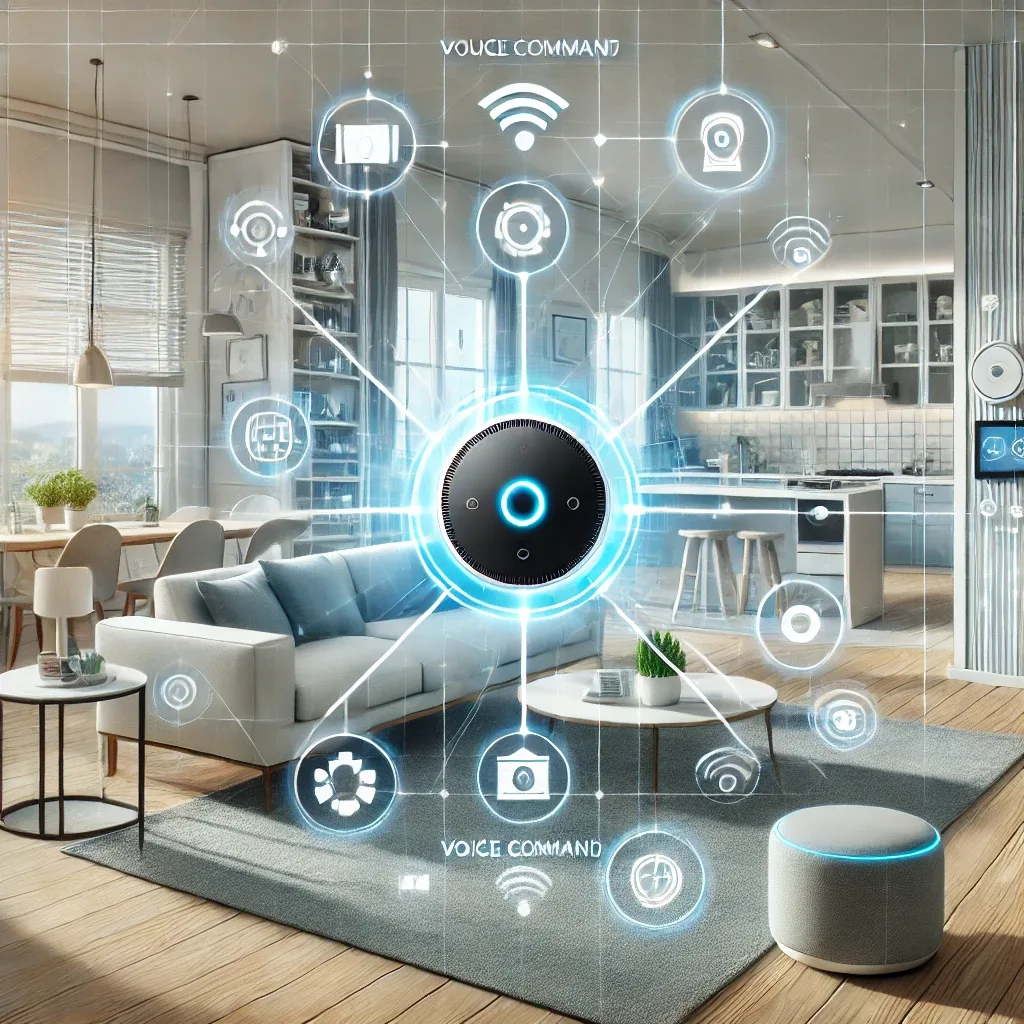
Voice Technology in the Modern Home
Voice control technology is one of the most transformative innovations in modern home living. Leveraging Natural Language Processing (NLP) and speech recognition, it converts human speech into commands that devices understand and execute immediately. The most widely adopted smart voice assistants today are Amazon Echo (Alexa), Google Home (Google Assistant), and Apple HomePod (Siri), each offering broad device compatibility and continuous improvement through AI-driven updates.
Advantages of Voice Control
Voice control delivers several standout benefits. Hands-free operation allows control over home devices without interrupting ongoing activities. Instant response creates a seamless flow to daily life. For elderly residents or those with limited mobility, voice control is genuinely life-changing—there is no need to stand up, walk to a switch, or reach for a smartphone to manage any device in the home.
Automated Devices in the Modern Home
Modern home automation encompasses a wide range of devices. Smart lighting can be controlled remotely via smartphone or set on automatic schedules. CCTV cameras enable real-time remote monitoring through a dedicated app from anywhere. Smart air conditioners can be scheduled in advance or activated remotely before arriving home, ensuring a comfortable environment is always ready upon entry.
IoT and AI Integration for a Learning Home
Combining IoT with AI enables a home to learn and adapt to its residents' behavioral patterns. Over time, the system recognizes routines and begins making automatic adjustments—adjusting bedroom temperature before sleep, switching off all lights when the family leaves without requiring a manual command. These capabilities are not future concepts; they are practical realities available and affordable today.
Key Considerations Before Buying
Before purchasing smart home devices, verify compatibility with your chosen platform—Google Home, Amazon Alexa, Apple HomeKit, or Home Assistant. Assess the security standards of each device, ensuring data encryption and regular security firmware updates. Consult reviews from actual users in Thailand to confirm performance in local conditions, including high humidity, voltage variations, and available customer support.
Practical Tips for Beginners
For those just starting, choose devices compatible with a single platform to avoid fragmentation. Set clear, concise voice commands to minimize misrecognition. Update device firmware regularly to maintain the latest security protections. Begin with simple automations such as a single command to switch off all lights, then progressively build more complex routines. Ensure Wi-Fi coverage is stable throughout the home before adding more devices.
Impact on Quality of Life
A well-designed smart home measurably reduces the stress of managing household routines, increases satisfaction and comfort in daily living, creates a healthier living environment through better air quality and lighting control, and enhances social connectivity by allowing easy sharing of home control with all family members through a single unified app.