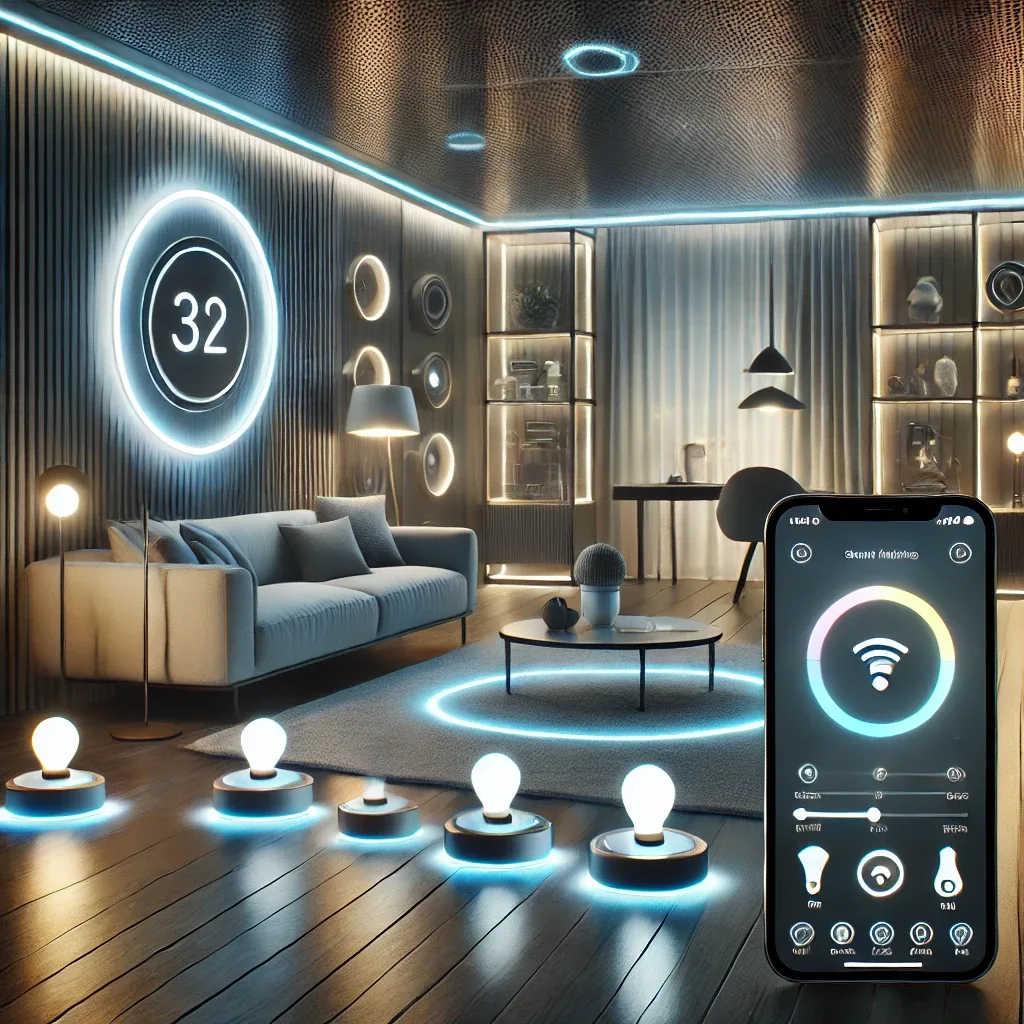
How Smart Home Lighting Works
Smart lighting in 2026 follows two main approaches. The first is smart bulbs that replace existing ones directly, ideal for a low-budget start. The second is smart switches replacing existing wall switches, making every bulb on that circuit intelligent without changing the bulbs themselves.
Both approaches connect to platforms such as Apple HomeKit, Tuya Smart, Mi Home, or Home Assistant, with the latest models supporting Matter 1.4. Control is available through apps, voice commands, and automated routines.
Convenience That Changes How You Live
The real value of smart lighting is not switching lights from a smartphone — it is automation that works without any command.
The bedroom lights can gradually brighten fifteen minutes before your alarm, simulating sunrise for a more natural wake. Living room lighting adjusts colour temperature and intensity based on activity: film-watching, dining, or reading each get a distinct preset. Outdoor lights activate automatically upon motion detection during defined hours.
Paired with mmWave sensors, the system knows precisely whether a room is occupied and turns off lights when the room empties — no more wondering whether you left the lights on.
Energy Savings You Can Measure
Switching to smart LED bulbs with Zigbee dimmers reduces lighting energy consumption significantly. LED bulbs draw far less power than fluorescent lamps, and dimming to 50% brightness reduces power draw in roughly the same proportion.
Automation that turns off lights in unoccupied rooms addresses one of the most common sources of wasted electricity in multi-person households.
HappySmart's energy dashboard shows consumption by zone and device, giving homeowners clear data on which areas use the most electricity and where to focus.
Device Options in the 2026 Market
For smart bulbs, Xiaomi's lineup covers E27 and GU10 formats with Mi Home and Matter 1.4 support in the latest models. TP-Link Tapo offers accessible-priced bulbs and switches with dimmer capability.
For smart switches, Zigbee-based devices like SONOFF or Matter 1.4-certified alternatives deliver better stability in complex systems than Wi-Fi-only options.
Lighting Design for Thailand's Climate and Lifestyle
HappySmart considers Thailand's climate and daily patterns in lighting design, including colour temperature selection for each room type and scene design for occasions such as entertaining guests, dining, and relaxation.